
Explore the Map
Qasr Ibrim
22.6497° N, 31.9928° E
About
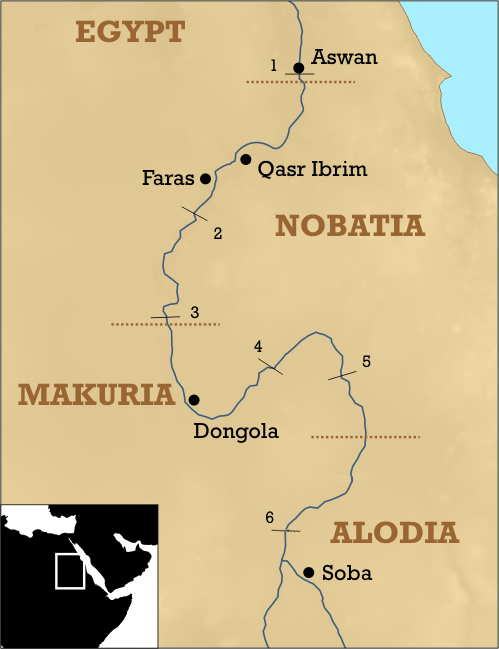
Qasr Ibrim is an archaeological site in Lower Nubia, Egypt, notable for its long history of continuous occupation from the 8th century BCE to the early 19th century CE. The city was strategically perched on a cliff above the Nile and later became an island due to the flooding from the Aswan High Dam. It served as an economic, political, and religious hub, featuring fortifications, temples, churches, and mosques. Qasr Ibrim is particularly significant for its well-preserved organic and textual remains, including documents in nine languages, which provide insights into its role as a frontier society and trade center. It was a major Christian center before converting to Islam under Ottoman influence.
Gallery
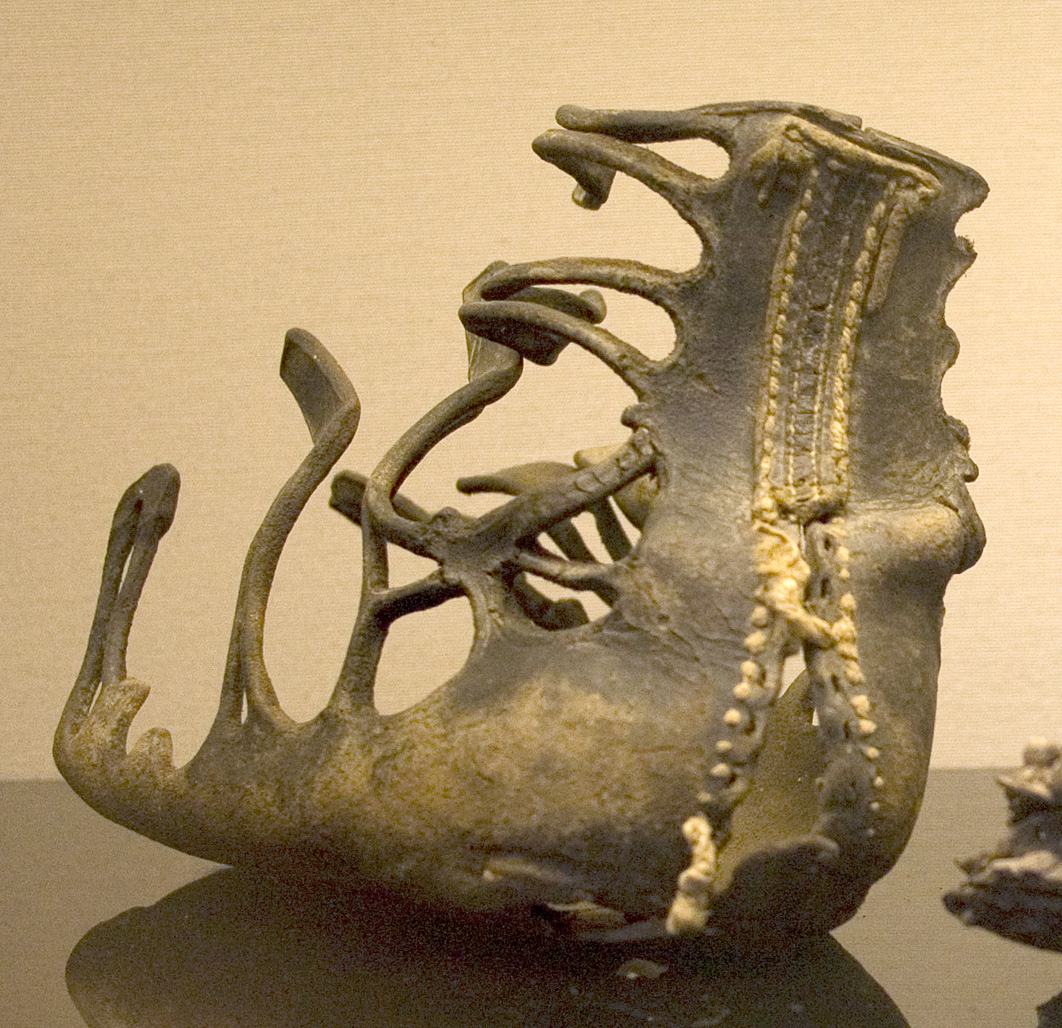
Explore photographs of ancient structures, artifacts, and archaeological excavations

Historical Timeline
Journey through time and discover key events in this site's history
Egyptian Invasion
2000 BCE
Roman Fortification
circa 25 BCE
Makurian Christian Center
circa 700 CE
Christianization of Temples
circa 700 CE
Ottoman Occupation
circa 1500 CE
Reign of Amenhotep I
circa 1525-1504 BCE
Final Evacuation
1813 CE
Archaeological Features
Unique architectural and cultural elements found at this historical site
Defensive Structures
Water Management Features
Public and Civic Structures
Burial and Funerary Structures
Religious and Ritual Structures
Agricultural and Land Use Features
Domestic and Habitation Structures
Frequently Asked Questions
Plan Your Visit
Tours, travel arrangements, and practical information
More Sites in Egypt
Bubastis
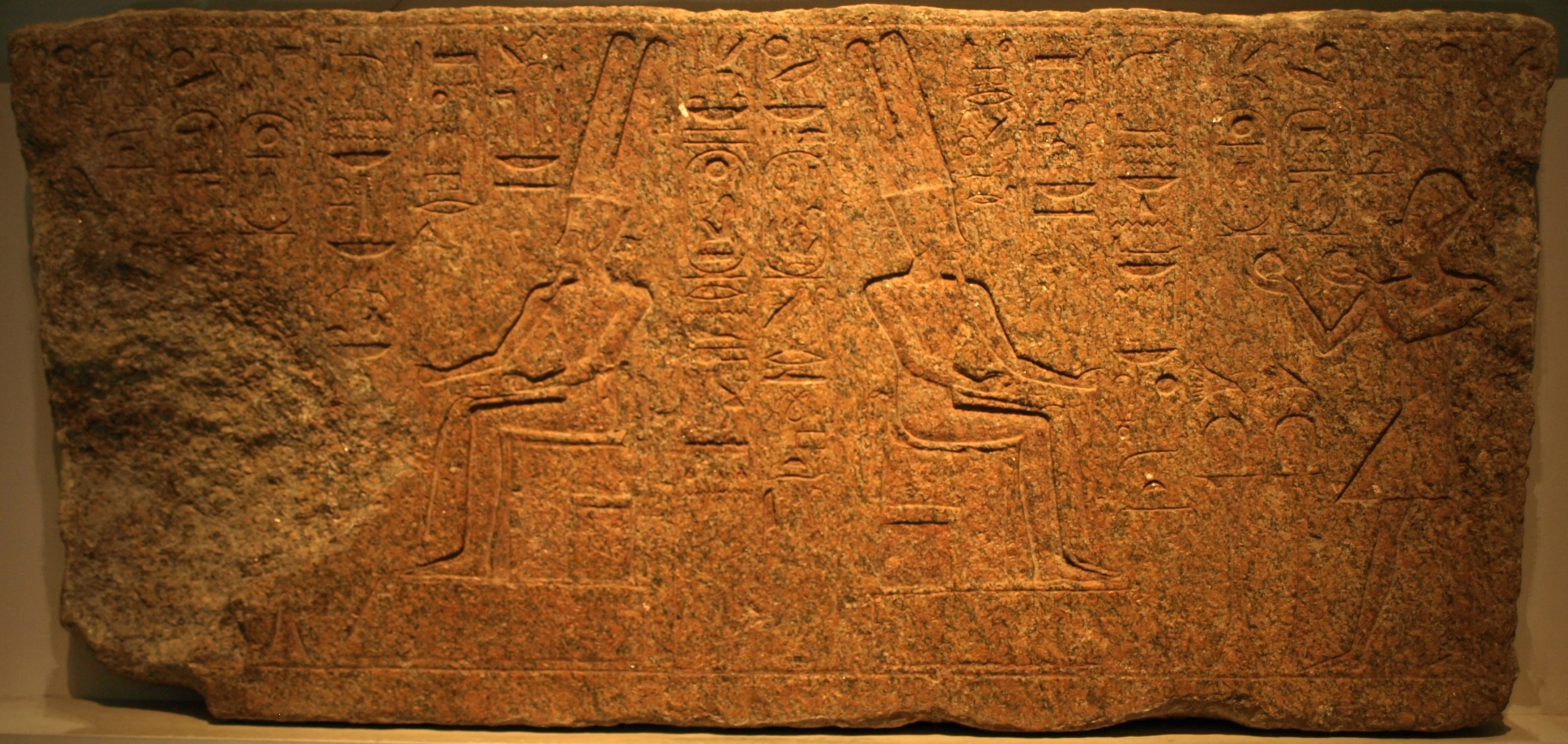
Ancient Egyptian city with Bastet temple
Taposiris Magna
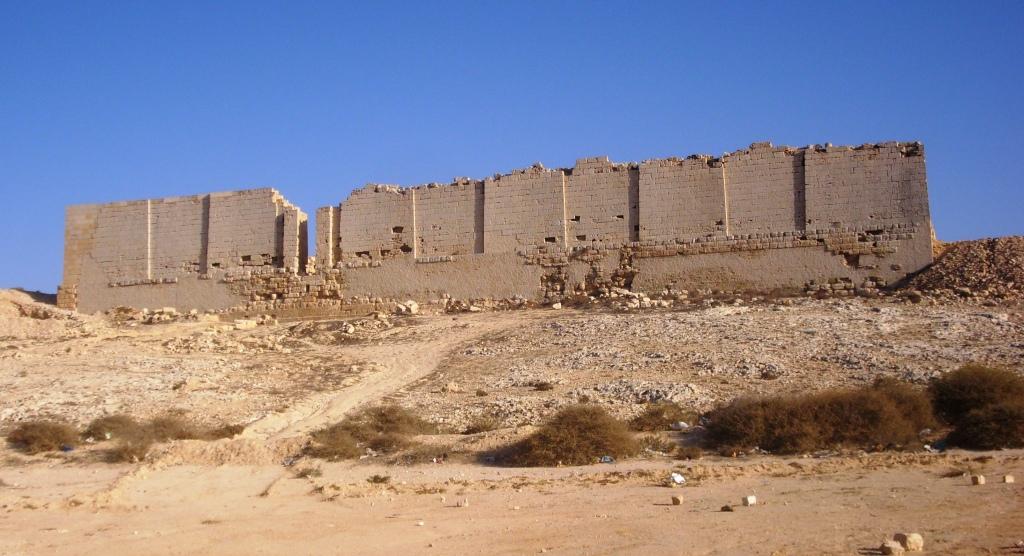
Ancient city with temple and tombs
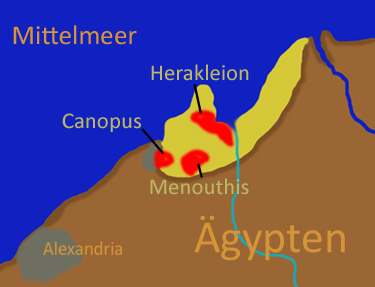
Canopus, Egypt
Submerged ancient Egyptian coastal town ruins

Leontopolis (Heliopolis)
Ancient city with fortifications and a temple.
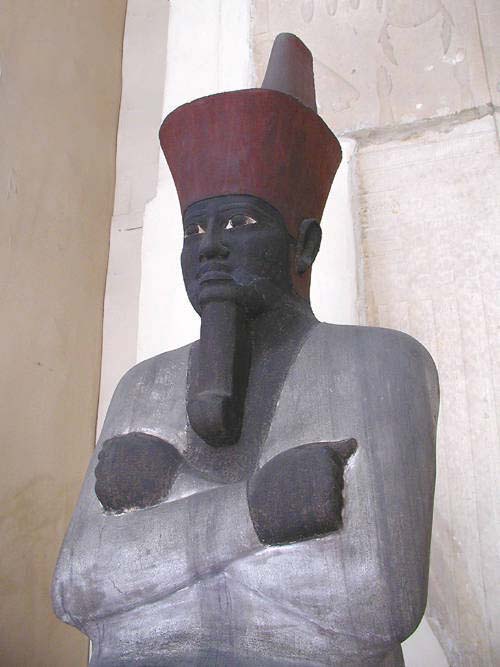
Thinis
Ancient Upper Egypt's undiscovered capital city.
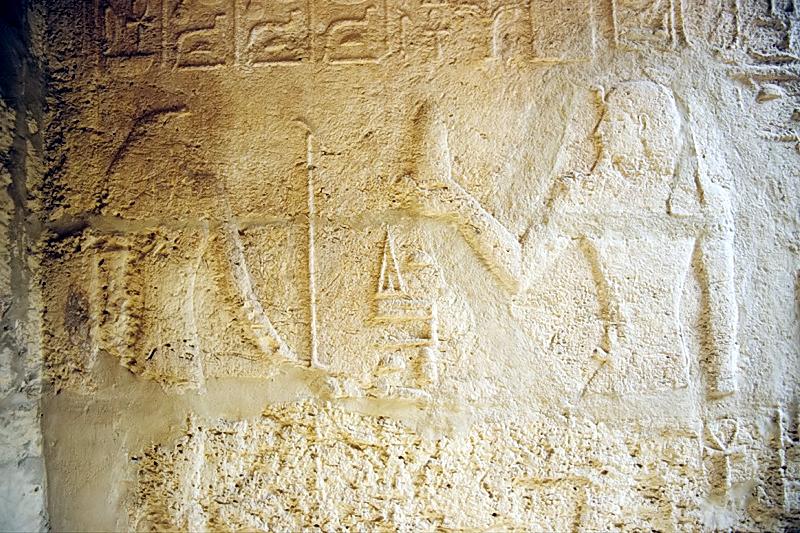
Medinet Madi
Greco-Roman town with Middle Kingdom temple