Explore the Map
Sehel Island
24.0592° N, 32.8711° E
About
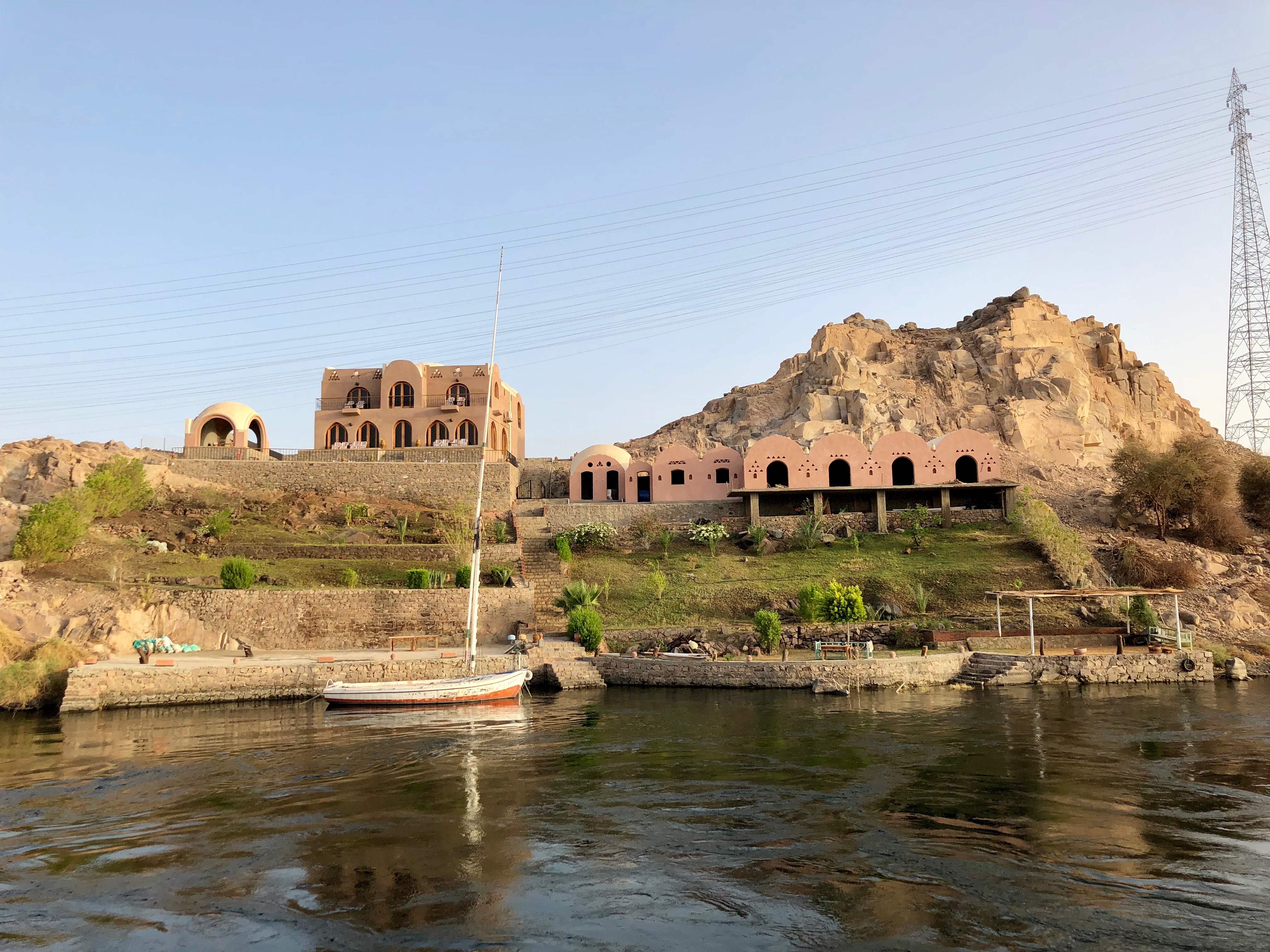
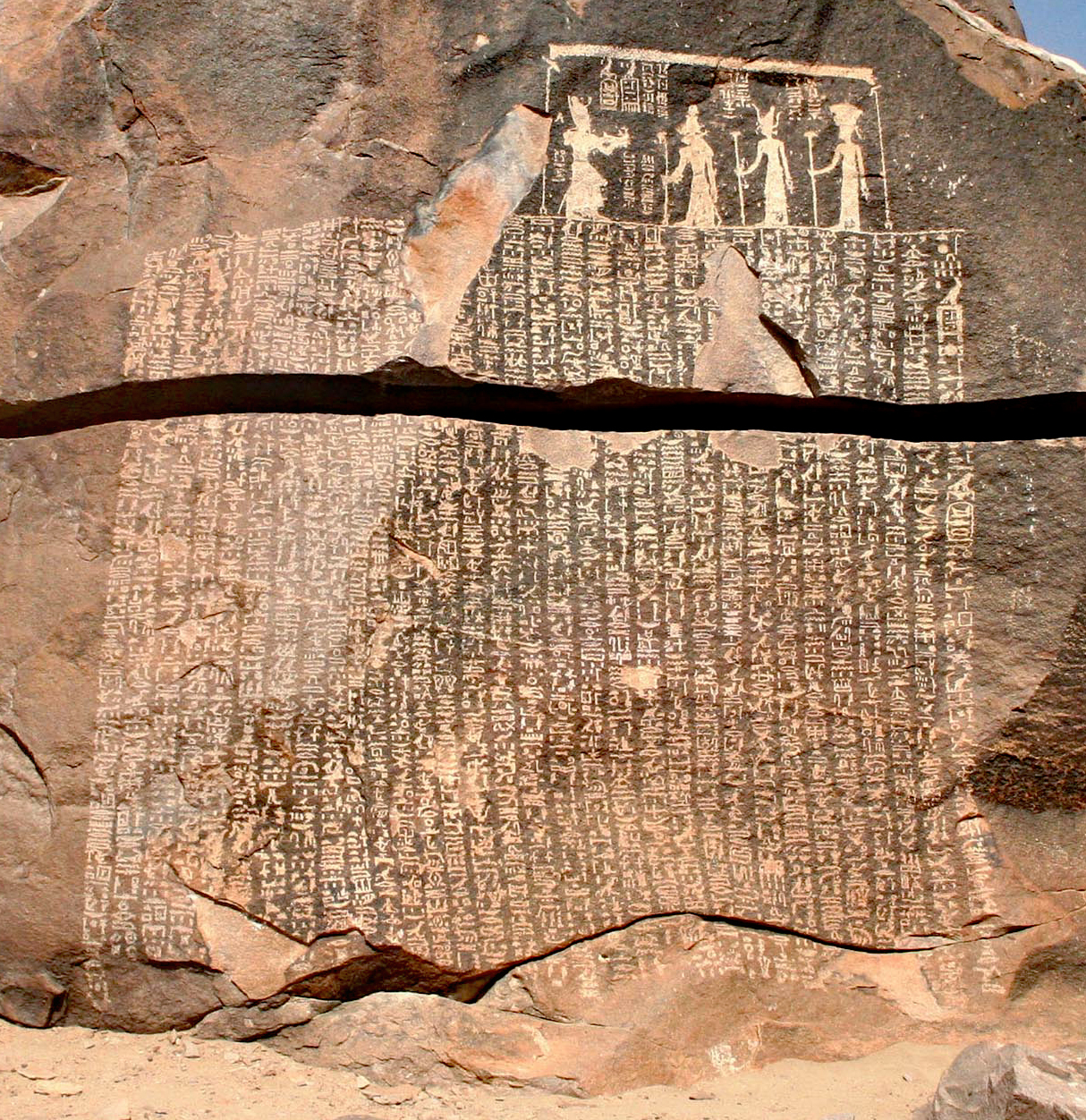
Sehel Island, situated southwest of Aswan in southern Egypt, is a significant archaeological site known for its extensive granite quarries and numerous inscriptions etched into granite boulders. The island served as a crucial location for travelers marking the beginning or end of their journeys to Nubia, leaving behind inscriptions that offer a glimpse into ancient historical events. Among the most notable inscriptions is the Famine Stela, which, although of Greco-Roman origin, purports to chronicle events from the time of Pharaoh Djoser and his architect Imhotep. The island also houses sacred sites, including the temple of Anuket, the goddess of the Nile's cataracts, highlighting its religious significance. Spanning three-quarters of the Nile's width, Sehel Island stands as a testament to the intersection of industry, religion, and travel in ancient Egyptian civilization.
Gallery
Explore photographs of ancient structures, artifacts, and archaeological excavations
Historical Timeline
Journey through time and discover key events in this site's history
Djoser and Imhotep Era
c. 2670 BCE
Archaeological Features
Unique architectural and cultural elements found at this historical site
Industrial and Craft Structures
Religious and Ritual Structures
Artistic and Decorative Features
Frequently Asked Questions
Plan Your Visit
Tours, travel arrangements, and practical information
Recommended Tours

More Sites in Egypt
Thinis
Ancient Upper Egypt's undiscovered capital city.
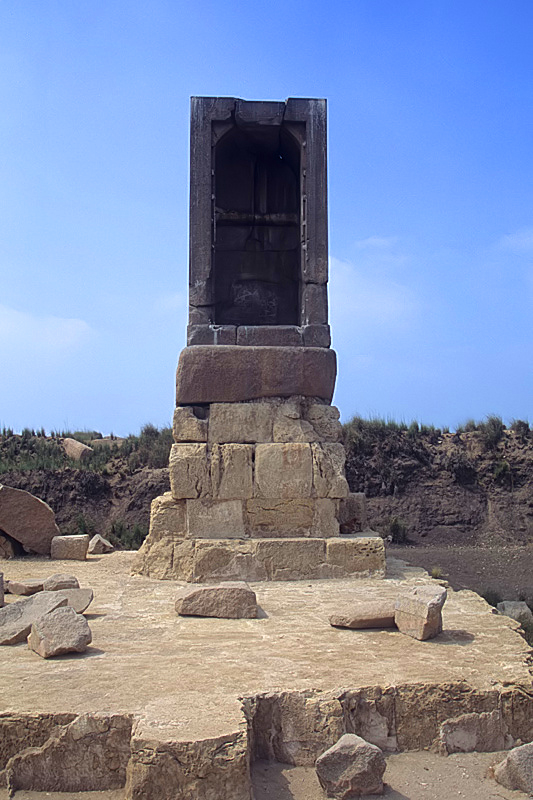
Mendes
Ancient city with significant religious structures.

Leontopolis (Heliopolis)
Ancient city with fortifications and a temple.
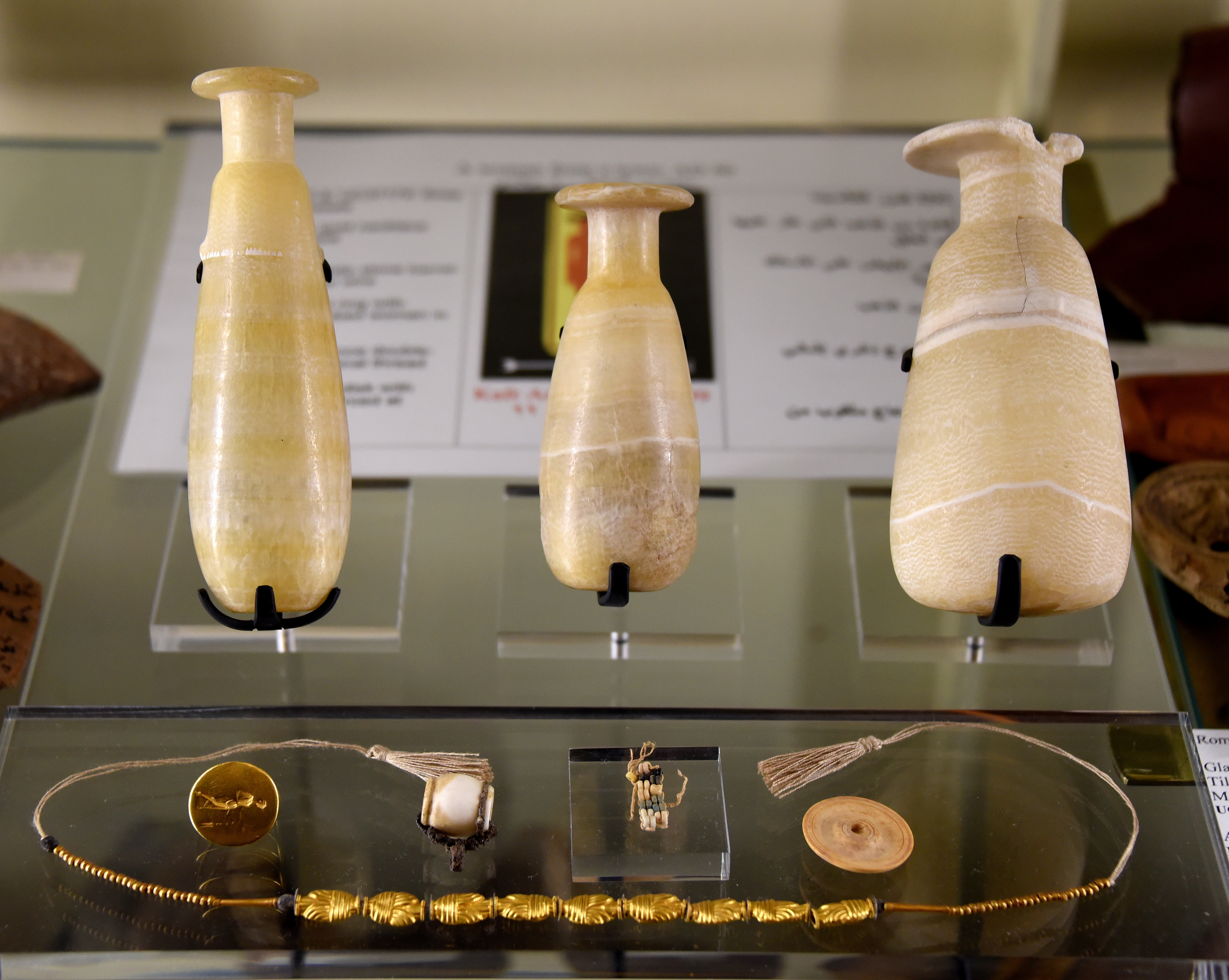
Tarkhan (Egypt)
Ancient Egyptian necropolis with mastabas and tombs.
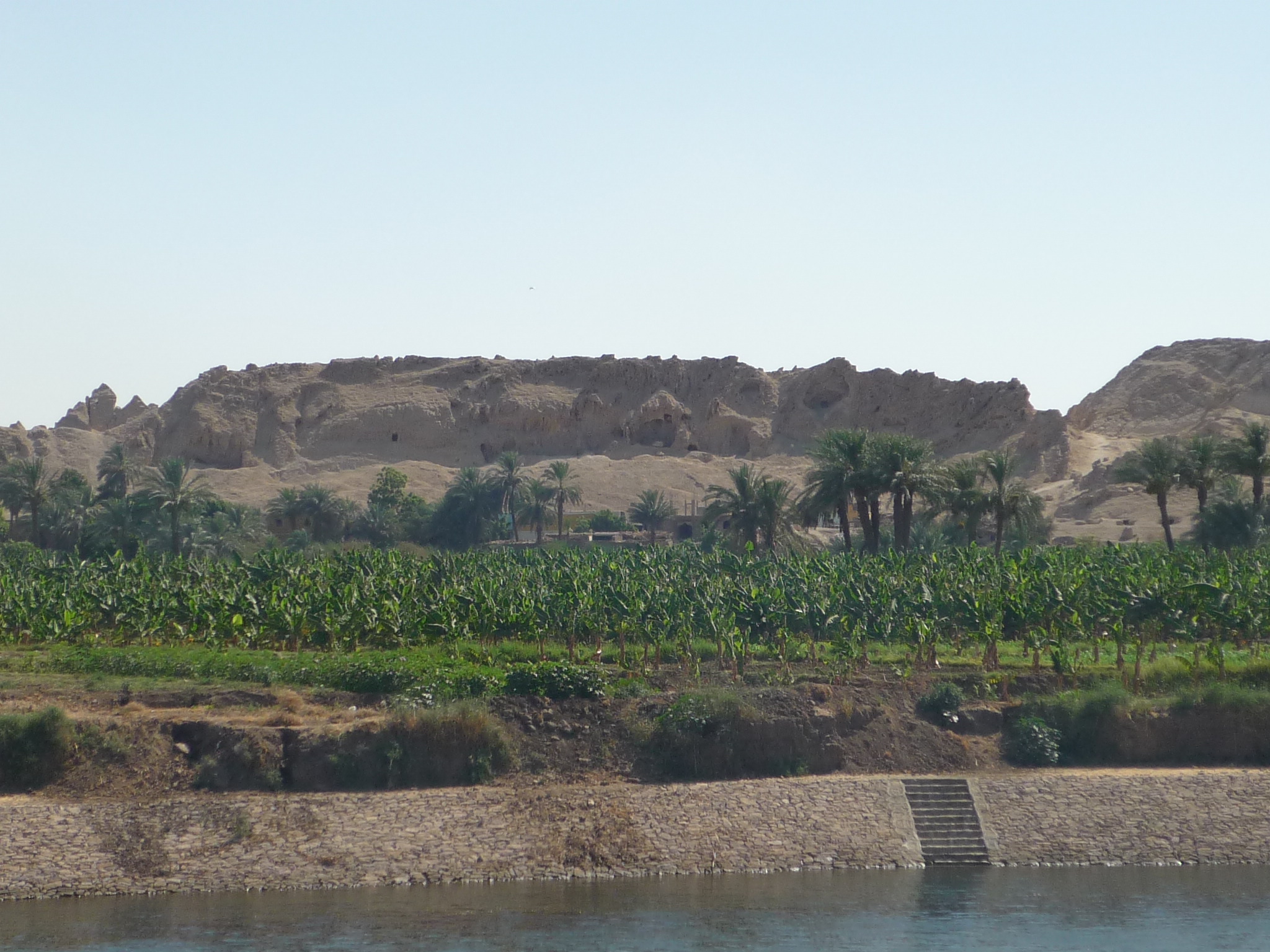
Gebelein
Archaeological site with mummies and temple ruins
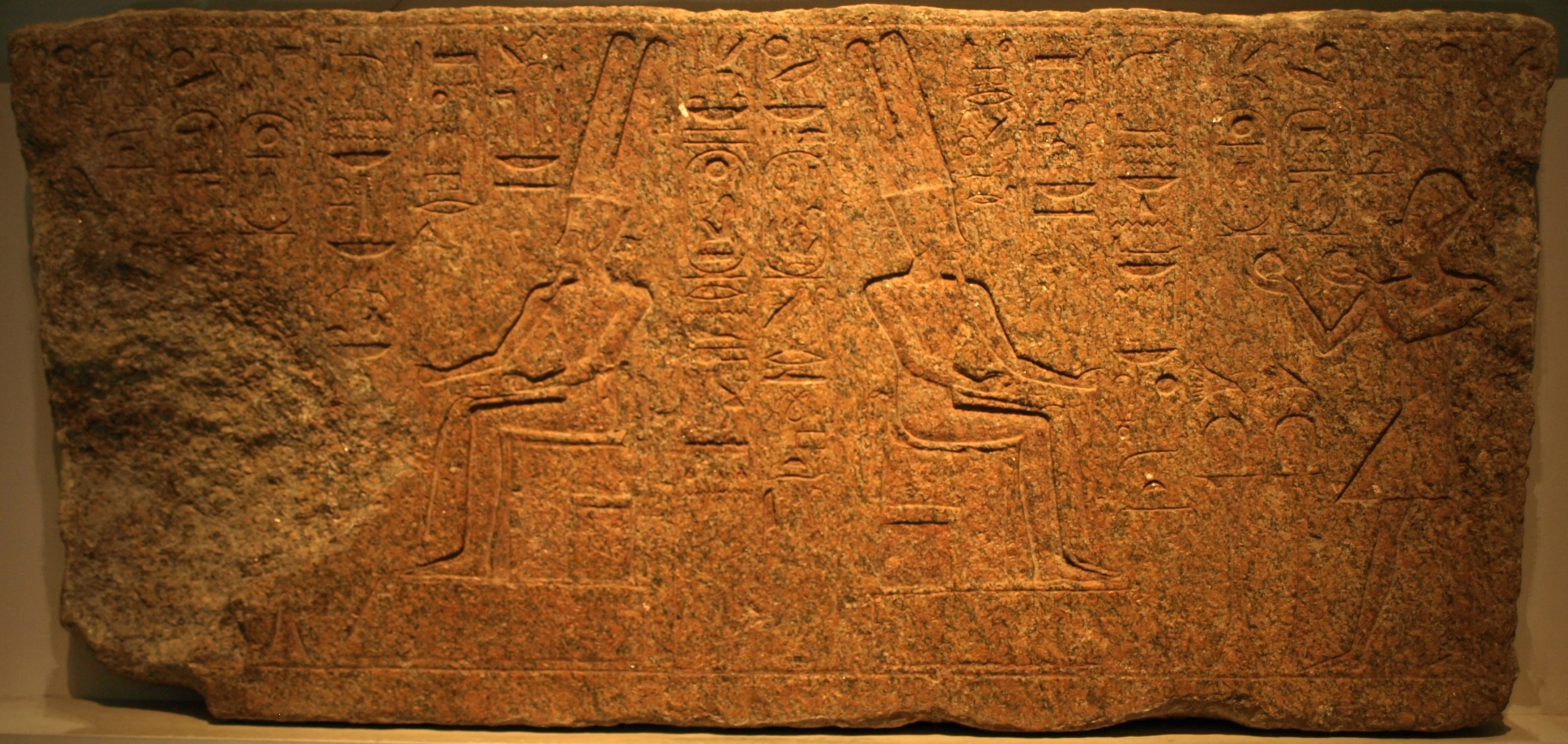
Bubastis
Ancient Egyptian city with Bastet temple