Explore the Map
Serabit el-Khadim
29.0367° N, 33.4592° E
About
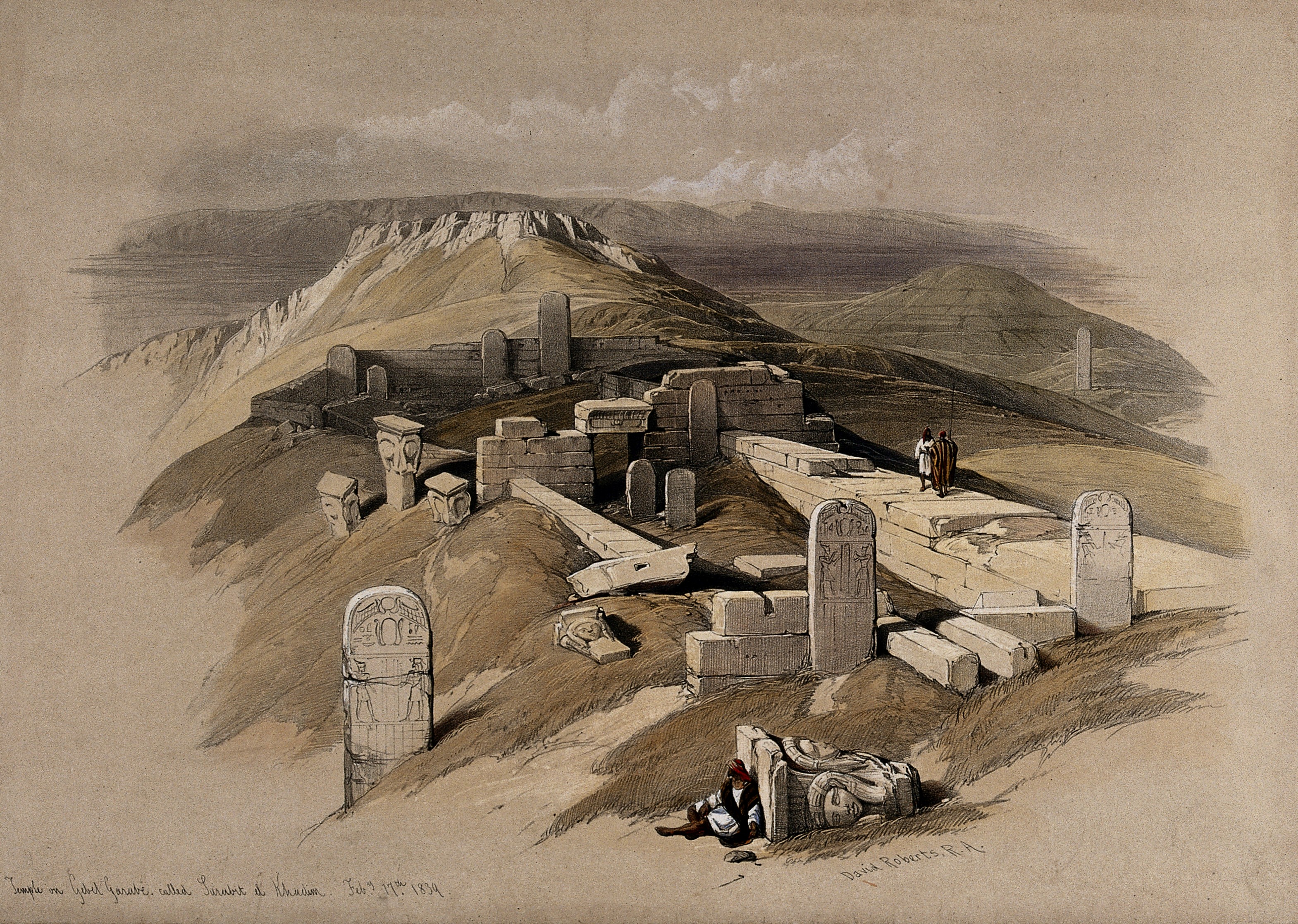
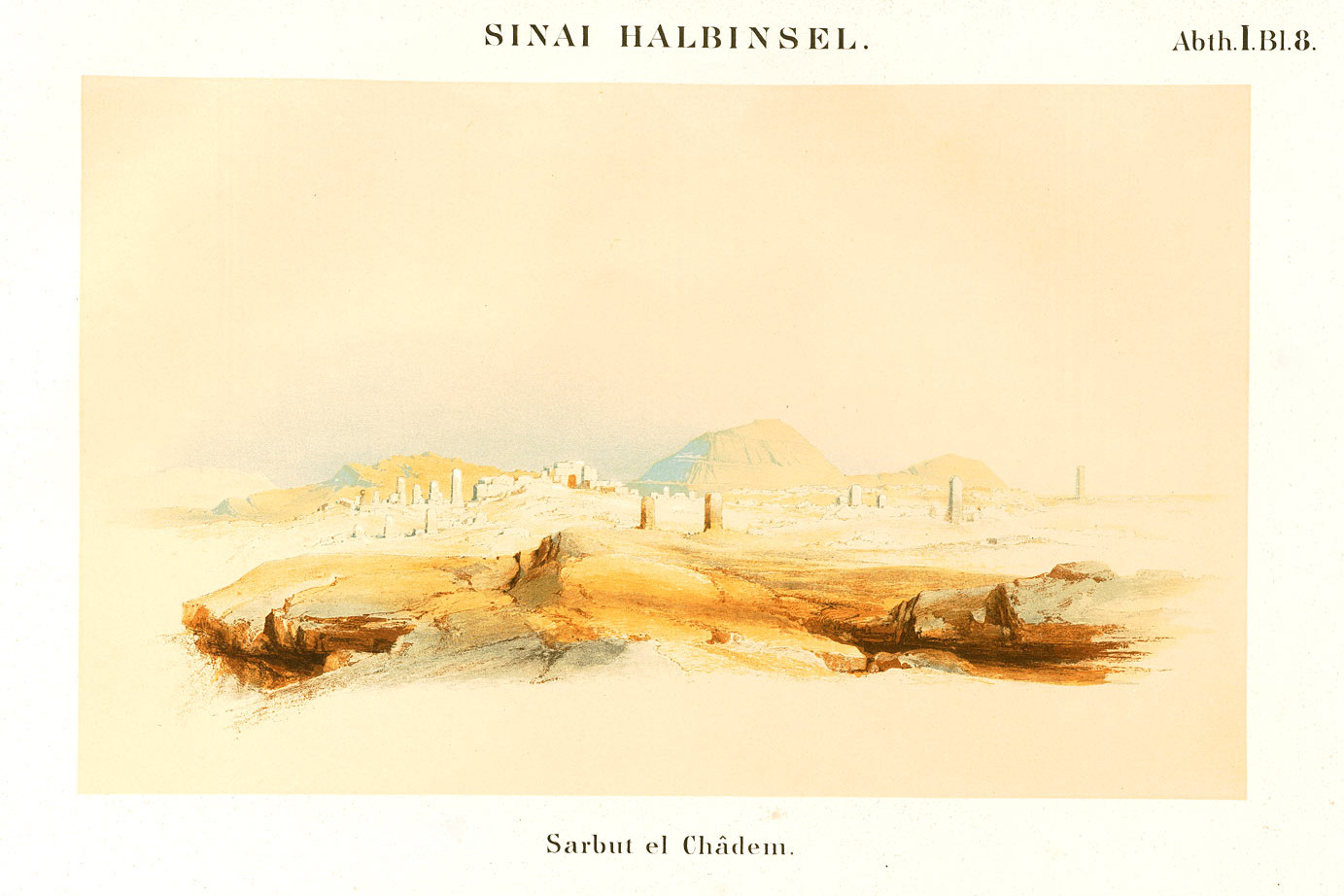
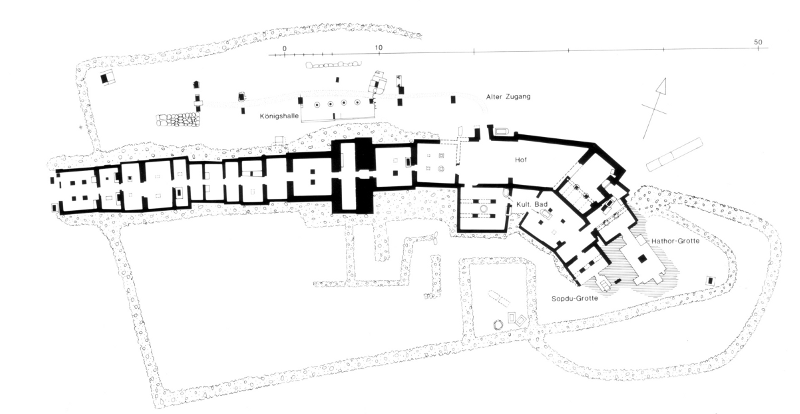
Serabit el-Khadim is a significant archaeological site located in the southwest Sinai Peninsula, Egypt, known for its extensive turquoise mining operations conducted by the ancient Egyptians. The site features a prominent Temple of Hathor, established during the Middle Kingdom under Sesostris I, which served as a spiritual center for miners and travelers in the desert. The temple, partly rebuilt during the New Kingdom, highlights the ancient Egyptians' religious practices and their reverence for Hathor as a protective deity. Additionally, the site contains thirty incised graffiti in Proto-Sinaitic script, offering valuable insights into the early development of the alphabet. The presence of these inscriptions suggests that prisoners of war from southwest Asia, likely speaking a Northwest Semitic language, worked in the mines, adding a layer of cultural exchange to the site's historical narrative.
Gallery
Explore photographs of ancient structures, artifacts, and archaeological excavations
Historical Timeline
Journey through time and discover key events in this site's history
Temple of Hathor established
1971 BCE - 1926 BCE
Proto-Sinaitic script inscriptions
Beginning of 16th century BCE
Archaeological Features
Unique architectural and cultural elements found at this historical site
Industrial and Craft Structures
Religious and Ritual Structures
Artistic and Decorative Features
Frequently Asked Questions
Plan Your Visit
Tours, travel arrangements, and practical information
More Sites in Egypt
Bubastis
Ancient Egyptian city with Bastet temple
Cemetery GIS
Stone mastabas in Giza Plateau cemetery
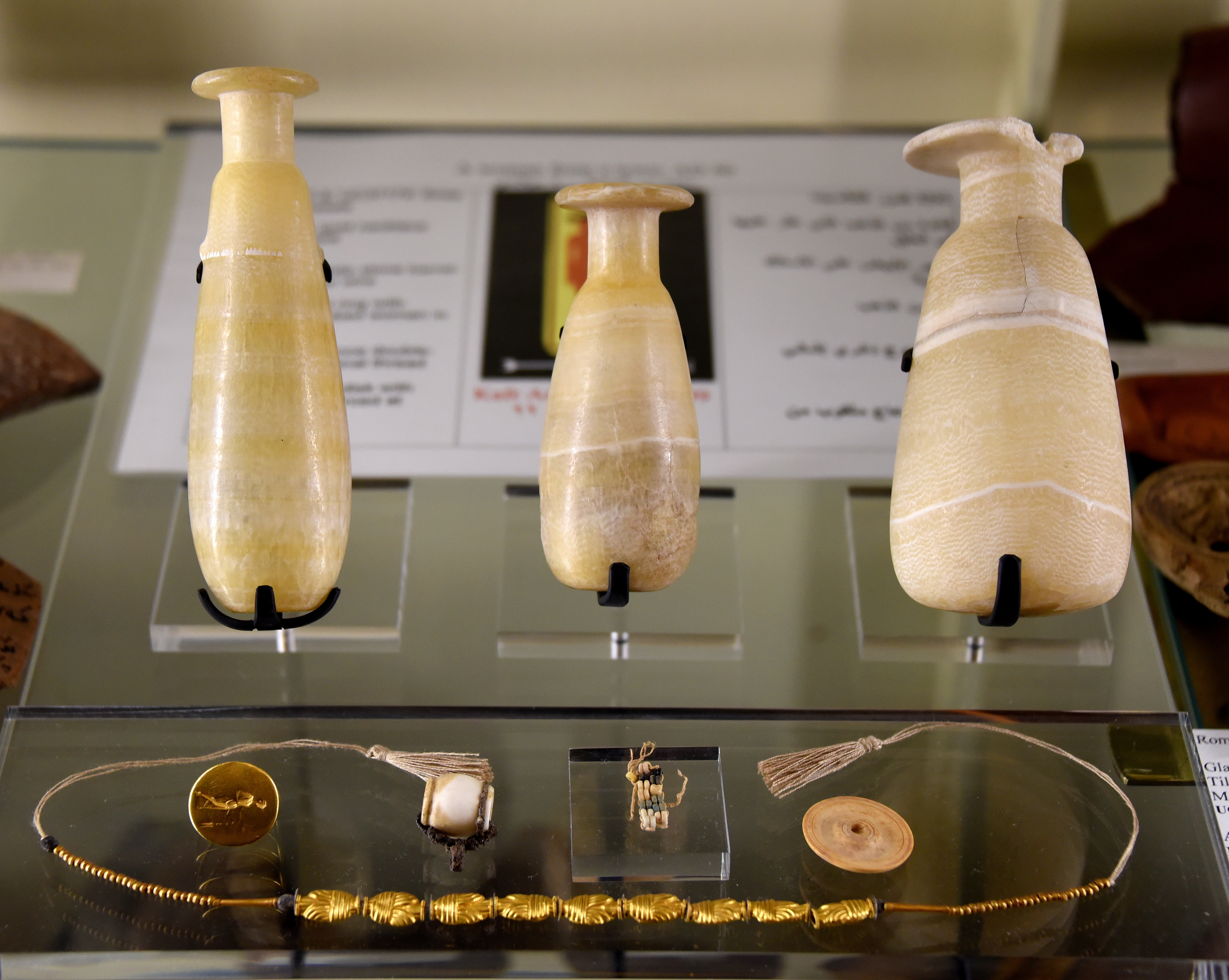
Tarkhan (Egypt)
Ancient Egyptian necropolis with mastabas and tombs.
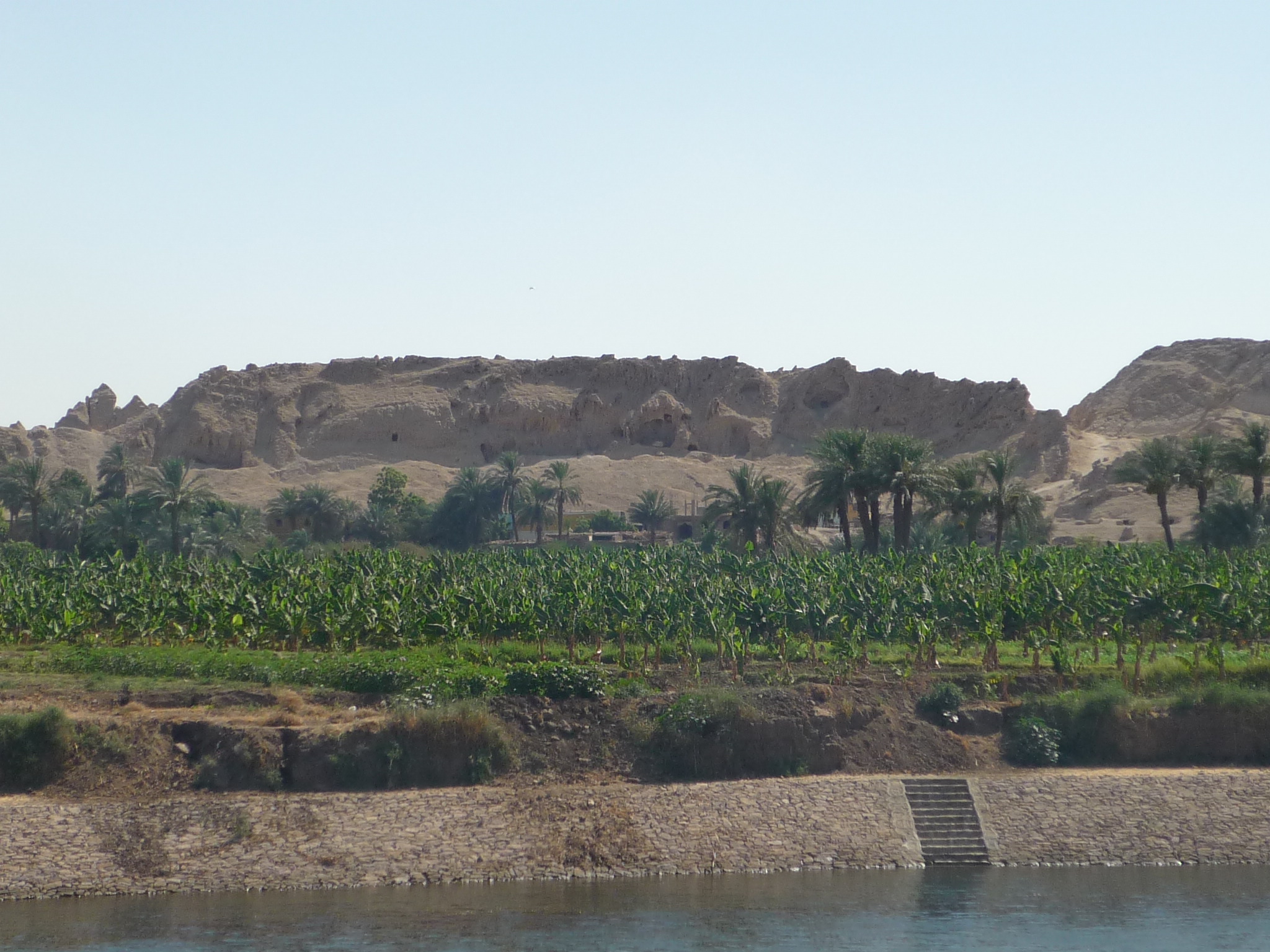
Gebelein
Archaeological site with mummies and temple ruins

Leontopolis (Heliopolis)
Ancient city with fortifications and a temple.
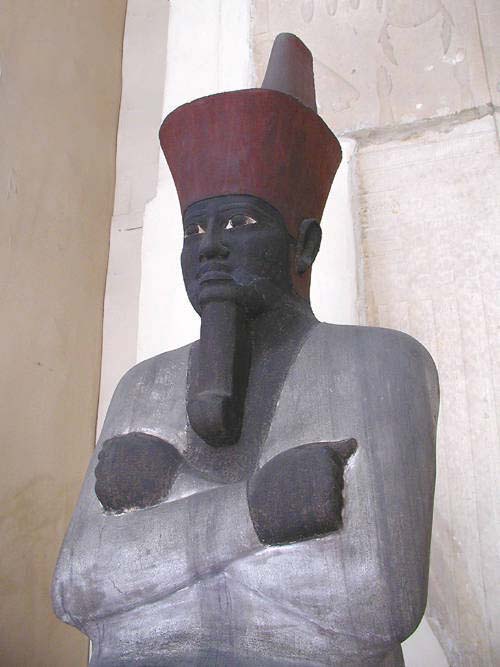
Thinis
Ancient Upper Egypt's undiscovered capital city.