Explore the Map
Qohaito
14.8786° N, 39.4272° E
About
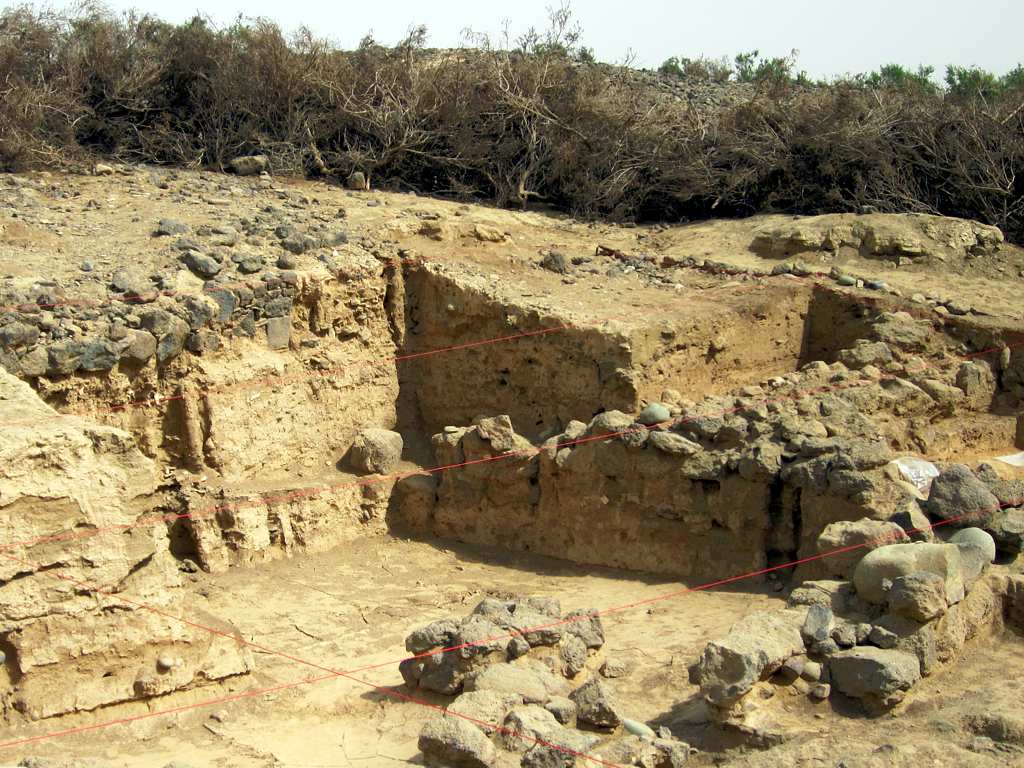
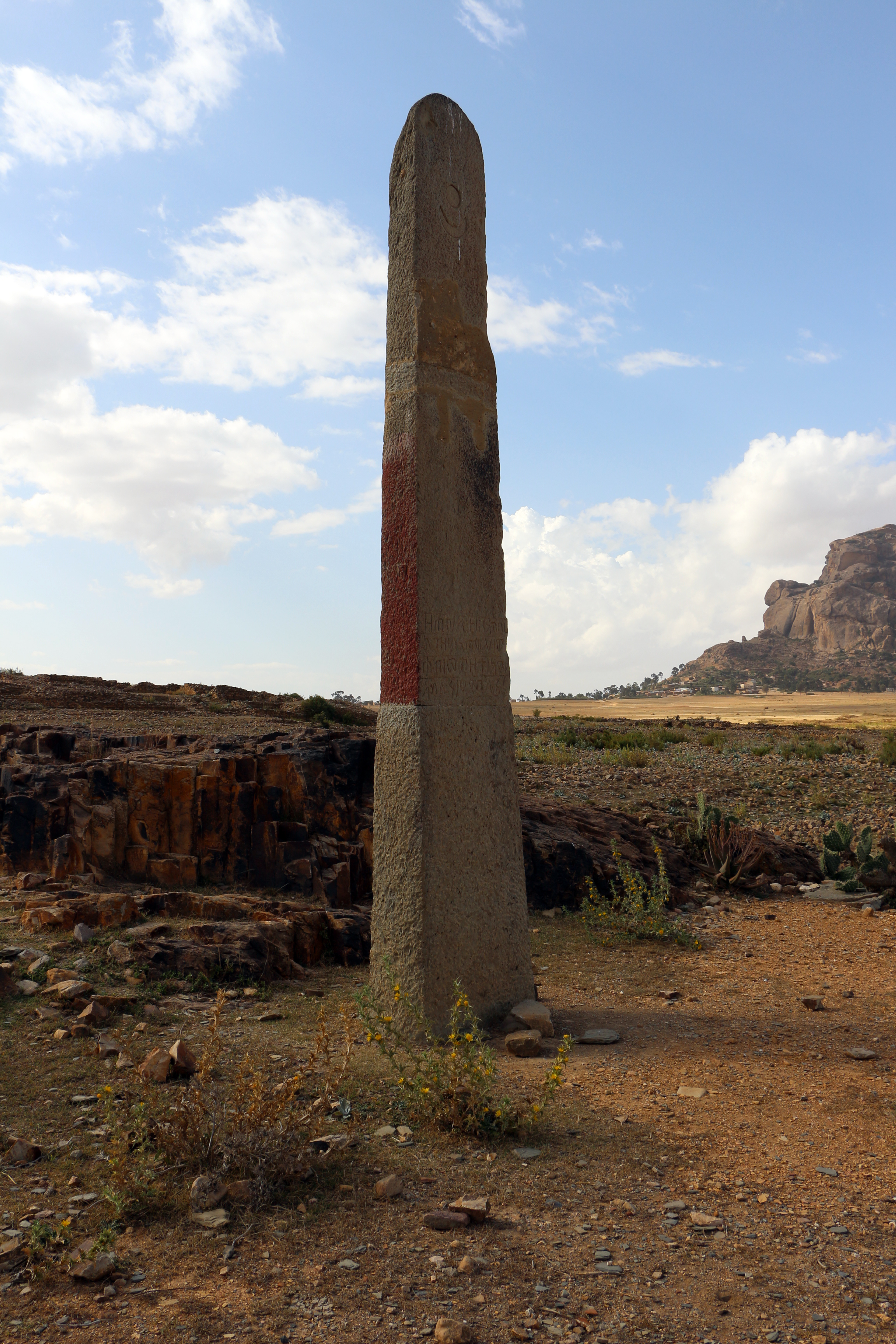
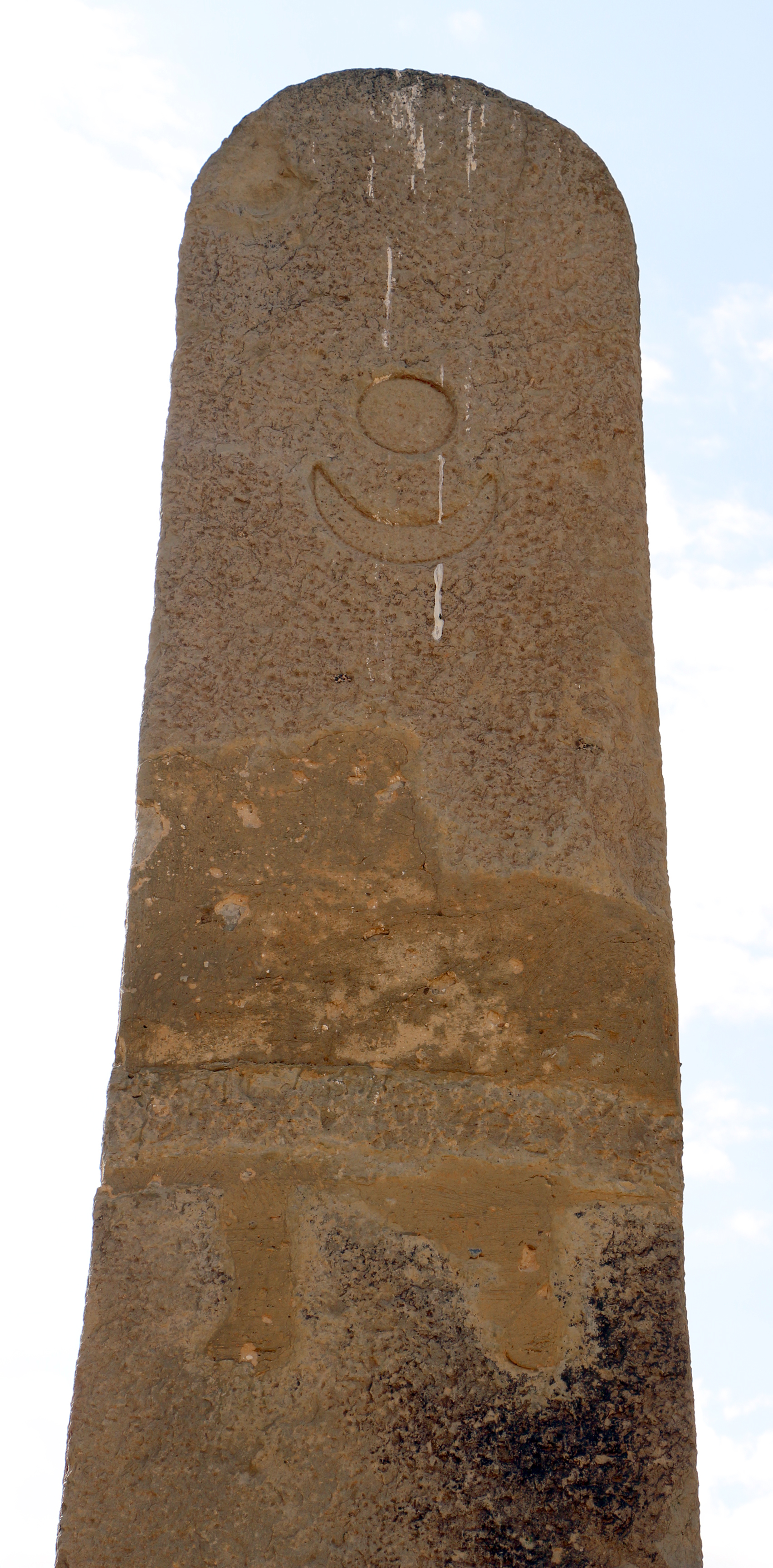
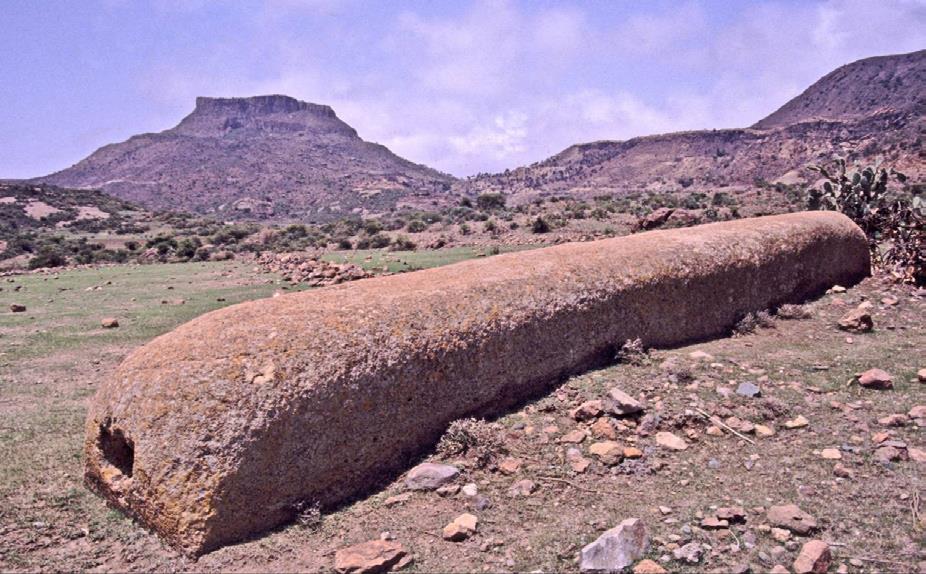
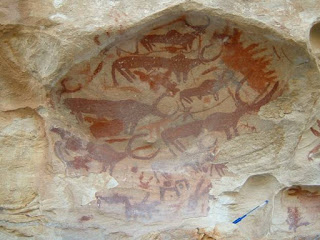
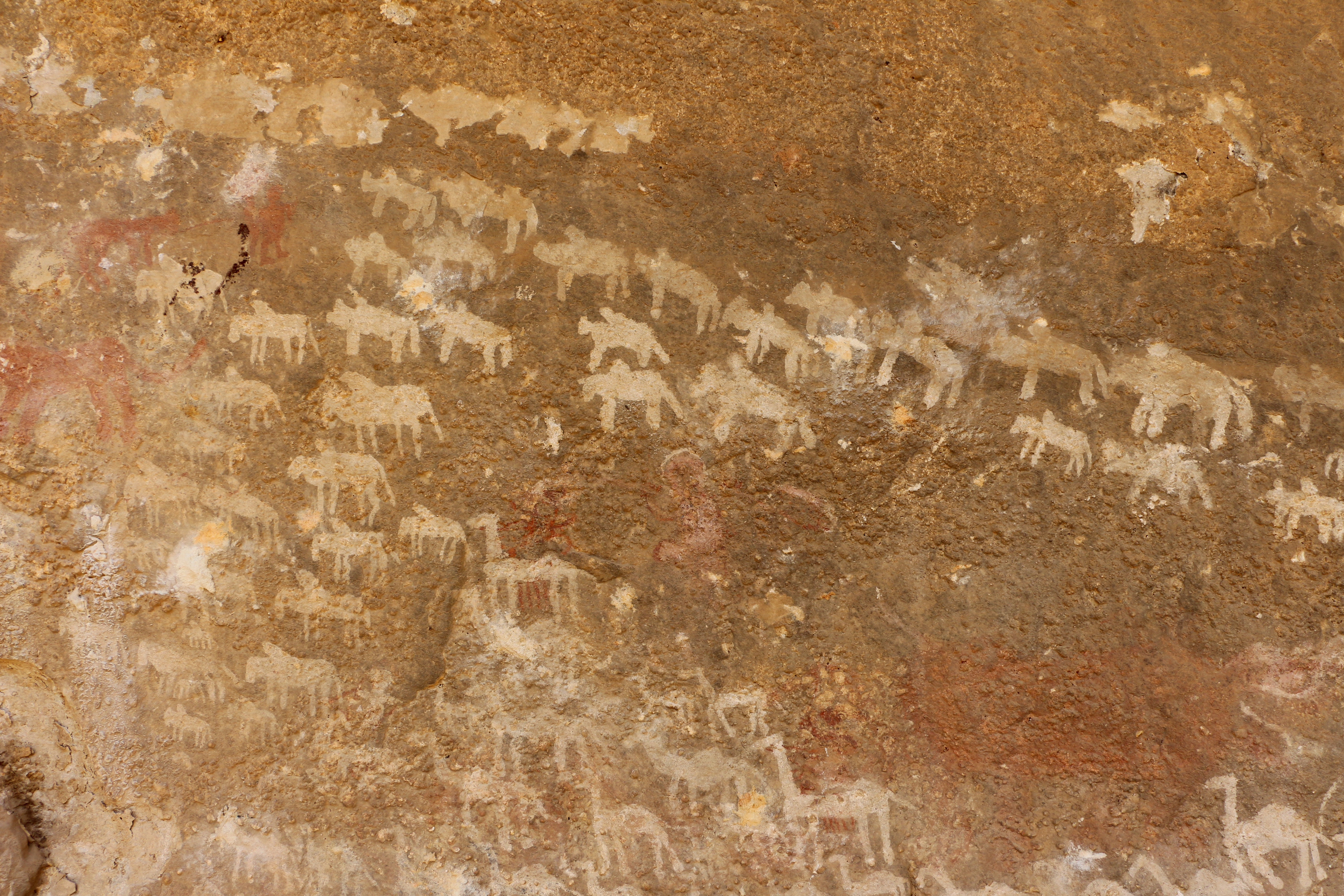
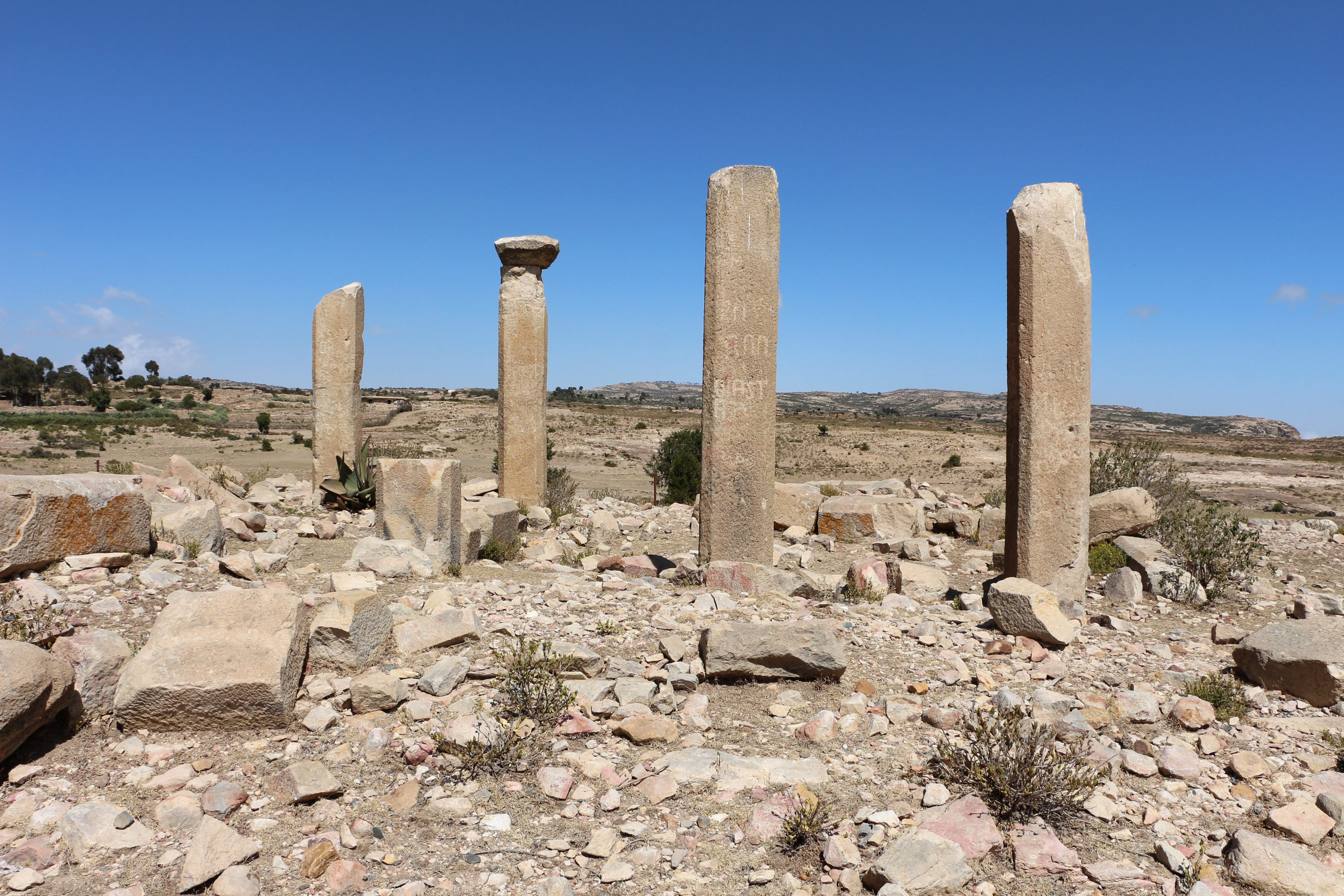
Qohaito, also known as Koloe, is an ancient city located in the Debub region of Eritrea, situated over 2,500 meters above sea level on the edge of the Great Rift Valley. The site, which remains unexcavated as of 2011, is renowned for its stone ruins and rock art that suggest human habitation since the fifth millennium BCE. During the Aksumite period, Qohaito flourished as a key stop on the trade route between the ancient port city of Adulis and the Kingdom of Aksum. The city is believed to have featured a blend of agricultural and urban infrastructure, including the pre-Christian Temple of Mariam Wakino and the Sahira Dam. Qohaito is often identified as the town of Koloe, mentioned in the Periplus of the Erythraean Sea, dating to the late first century CE. The site is significant for understanding pre-Aksumite and Aksumite cultural and economic exchanges.
Gallery
Explore photographs of ancient structures, artifacts, and archaeological excavations
Historical Timeline
Journey through time and discover key events in this site's history
Neolithic habitation
5000 BCE
Koloe mentioned in Periplus
100 CE
First century CE trade route
100 CE
Sixth century CE survival
500 CE
Archaeological Features
Unique architectural and cultural elements found at this historical site
Water Management Features
Religious and Ritual Structures
Artistic and Decorative Features
Domestic and Habitation Structures
Frequently Asked Questions
Plan Your Visit
Tours, travel arrangements, and practical information