Explore the Map
Kierikki
65.3608° N, 25.9369° E
About
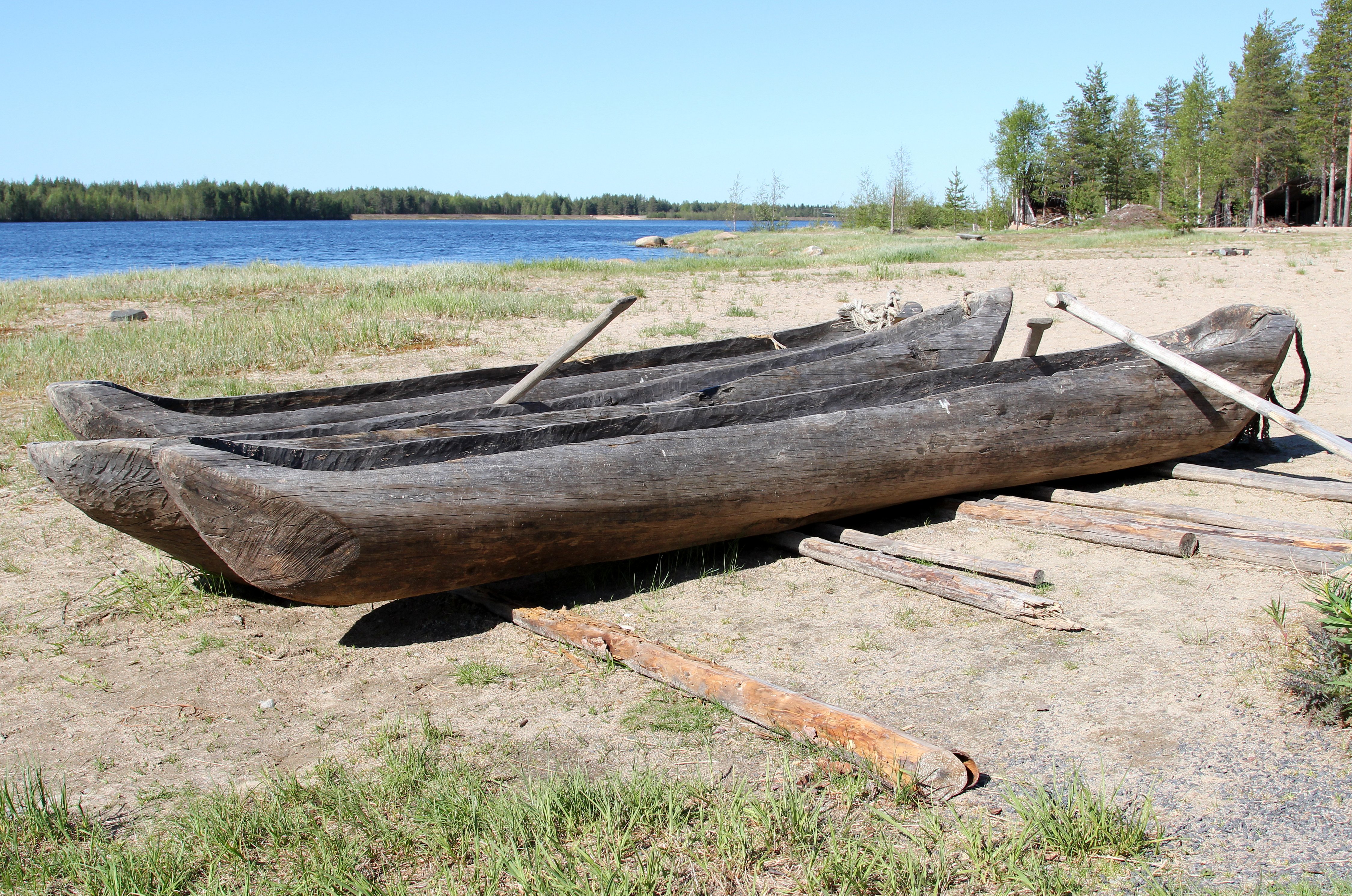
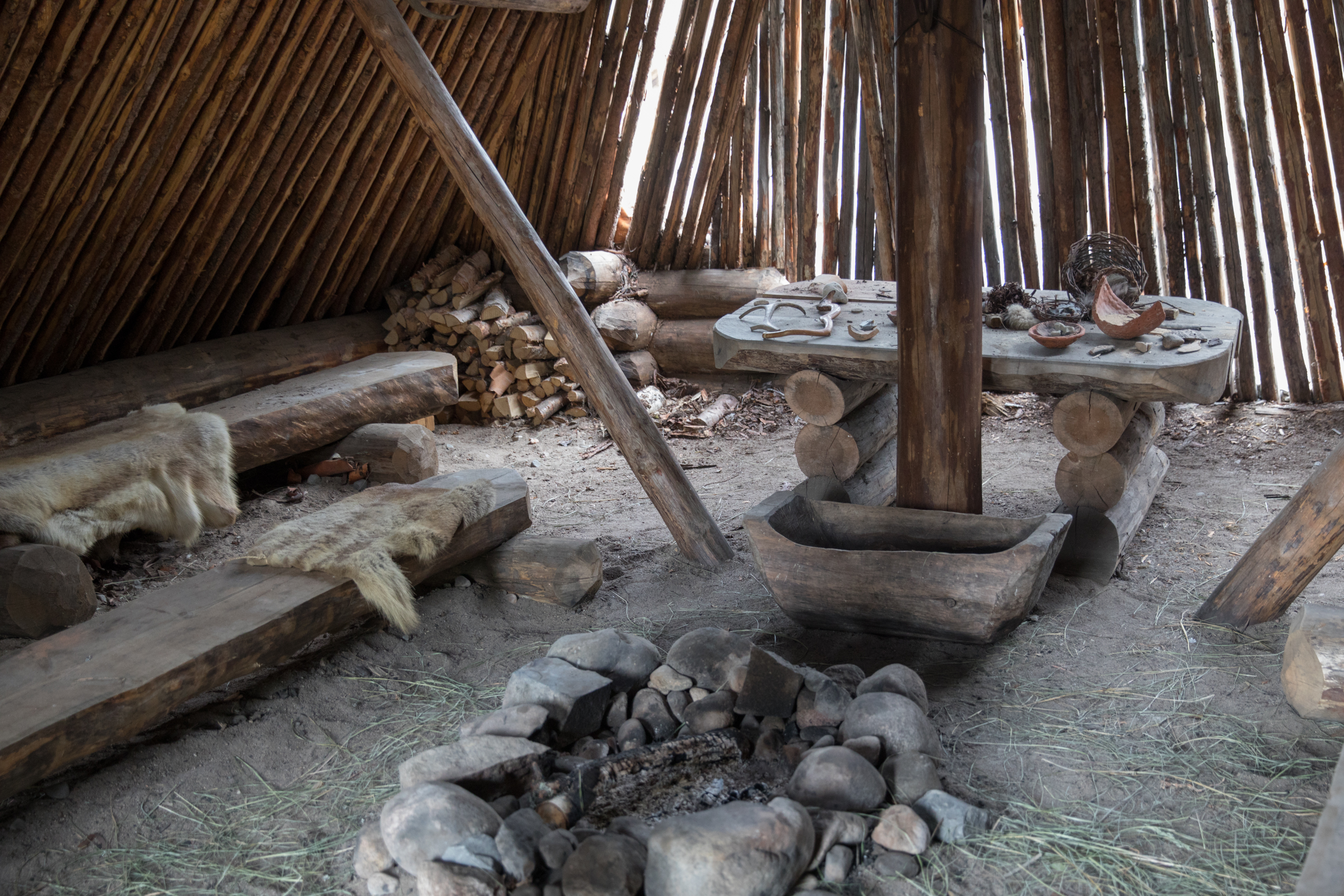
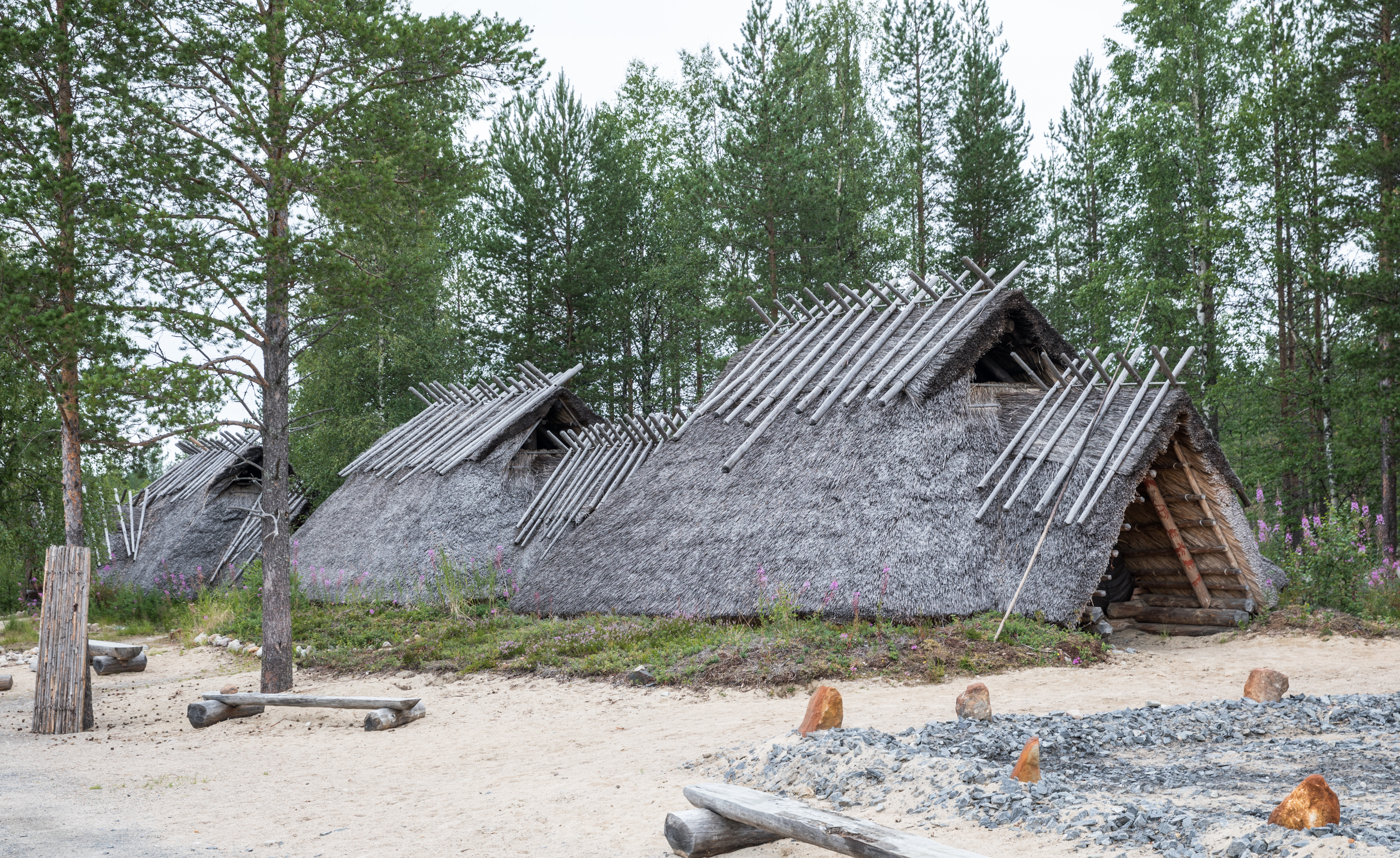
Kierikki, located in Yli-Ii by the Ii River in Finland, is a significant archaeological site that has reshaped our understanding of Stone Age settlements in northern Finland. Excavations have revealed that inhabitants lived in large, year-round villages, countering the previous assumption that they were nomadic. This sedentary lifestyle was supported by abundant fish and seal resources, which also facilitated trade with distant regions, as evidenced by the presence of flint arrowheads from Russia and amber ornaments from the Baltic states. The site is notable for its Neolithic culture, particularly the usage of Kierikki ceramics between 3500 and 3100 BCE. The absence of agriculture distinguishes it from other Neolithic cultures. Kierikki's archaeological significance is further highlighted by the discovery of Stone Age chewing gum and its role in public archaeology through summer excavation programs.
Gallery
Explore photographs of ancient structures, artifacts, and archaeological excavations
Historical Timeline
Journey through time and discover key events in this site's history
Kierikki Ceramics Usage
3500 BCE - 3100 BCE
Archaeological Features
Unique architectural and cultural elements found at this historical site
Domestic and Habitation Structures
Frequently Asked Questions
Plan Your Visit
Tours, travel arrangements, and practical information
More Sites in Finland
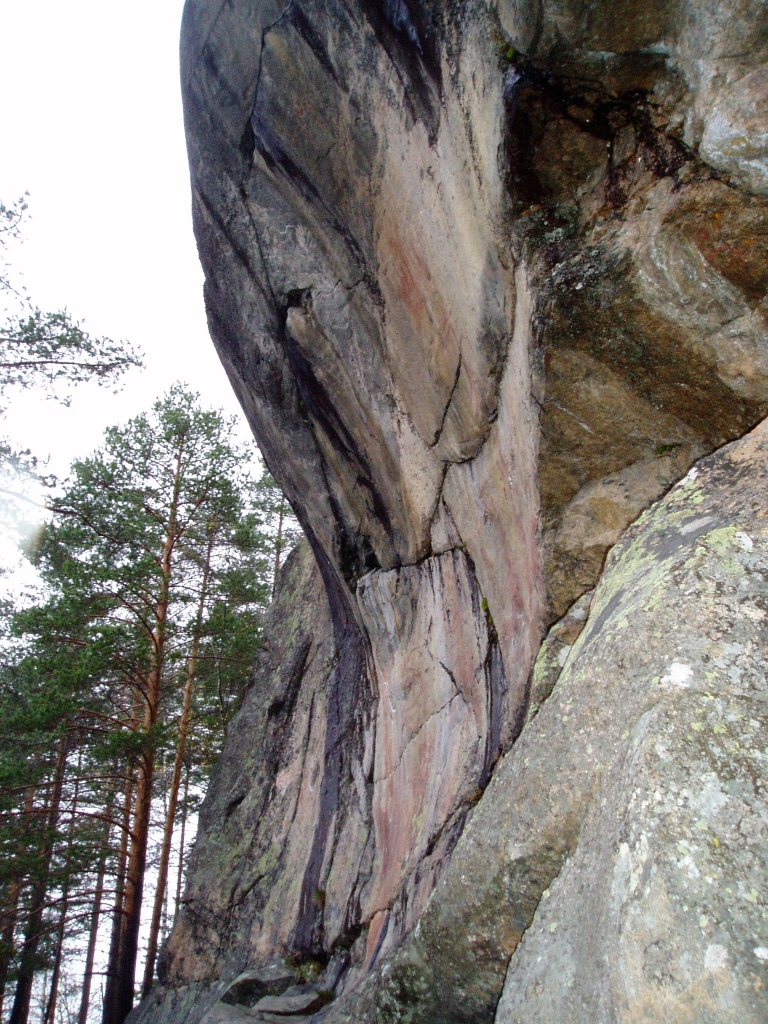
Astuvansalmi rock paintings
Rock paintings on human head-shaped cliff
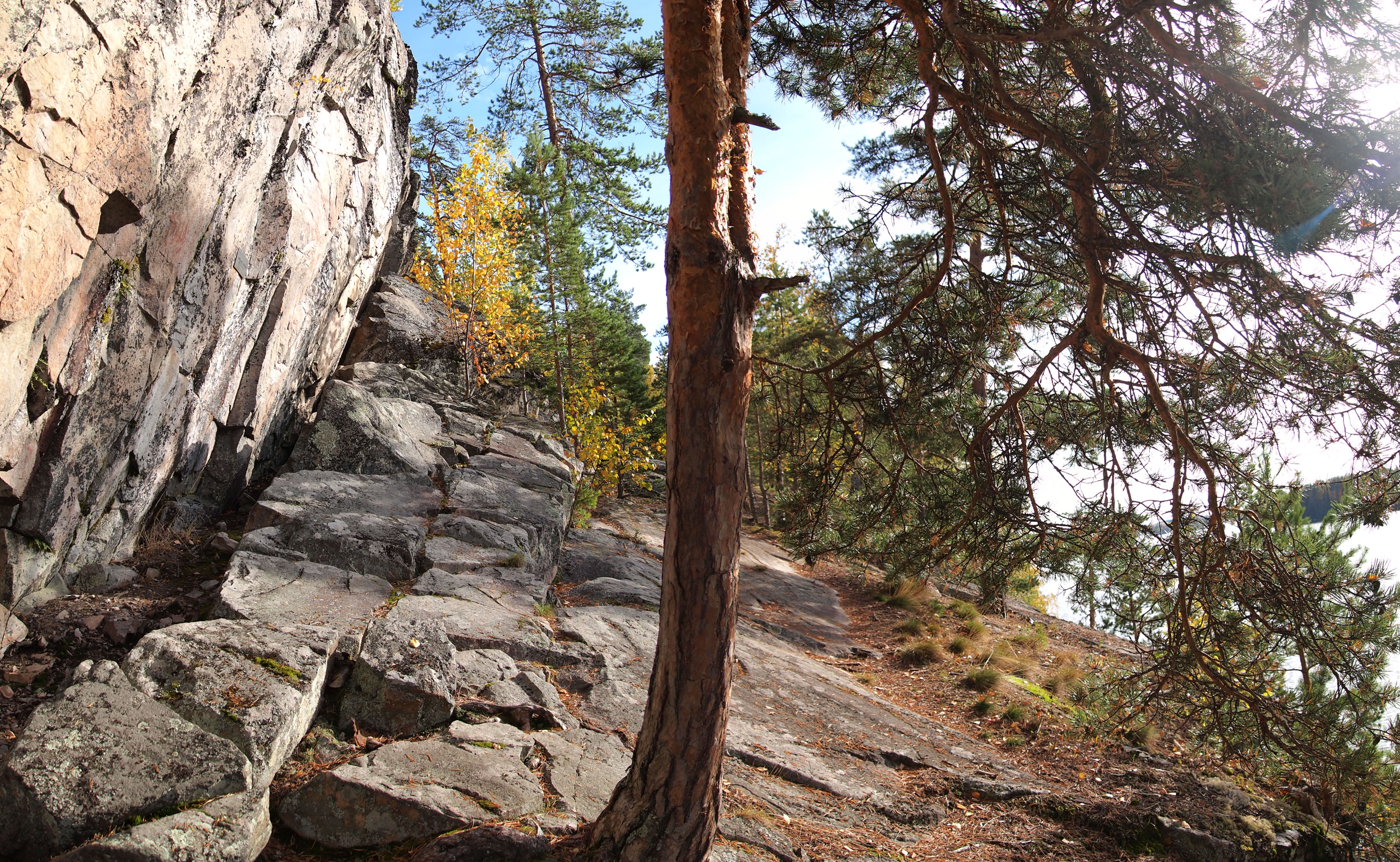
Saraakallio rock paintings
Ancient rock art site with numerous paintings
Ravattula Church
Medieval wooden church with stone foundations
Virnamäki
Iron Age hill site with cremation cemeteries, Finland
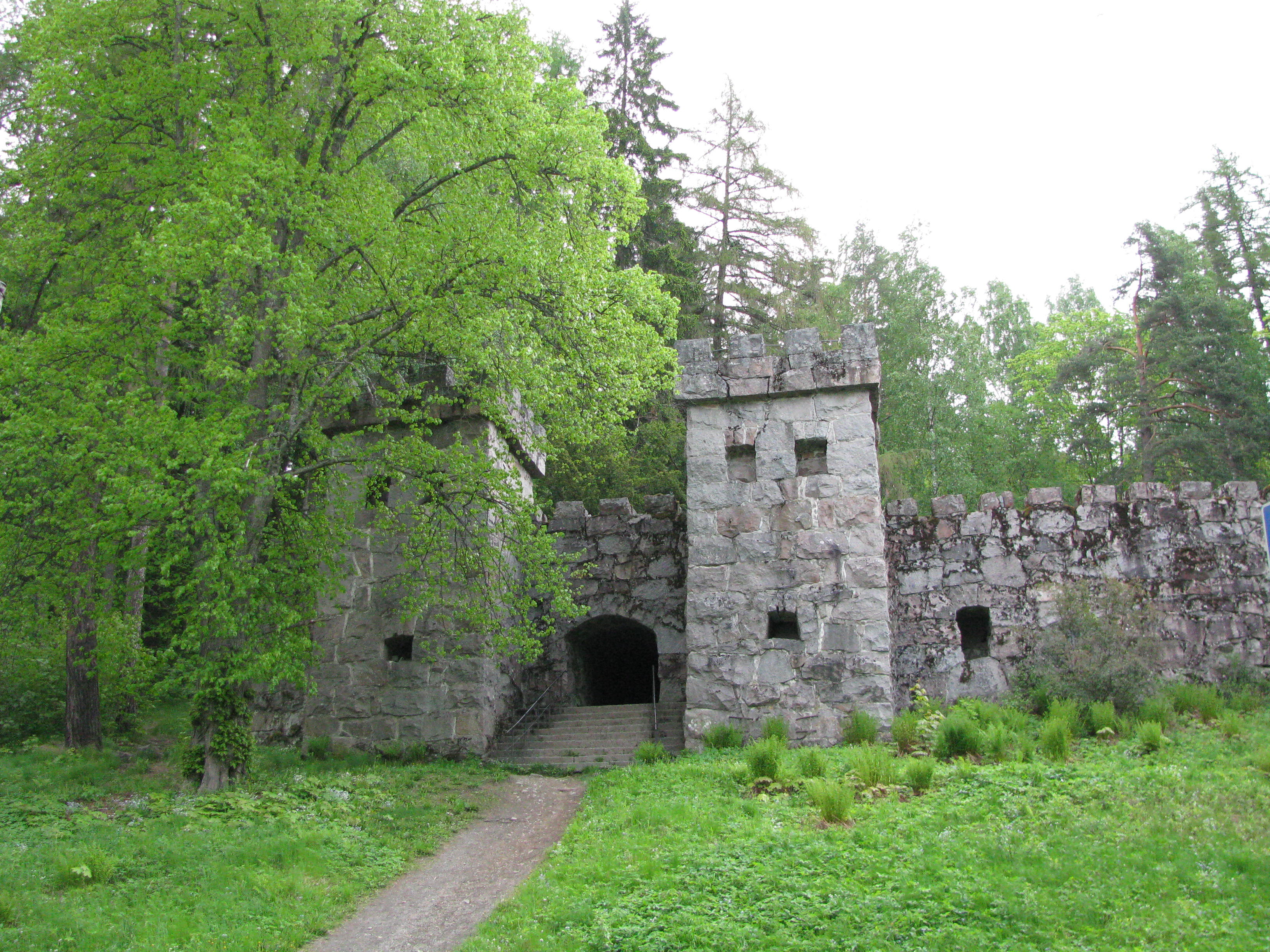
Aulanko Castle
Ancient hillfort with Iron Age origins.
Skällberget
Hillfort in Uusimaa, Finland