Explore the Map
Entremont (oppidum)
43.5522° N, 5.4392° E
About
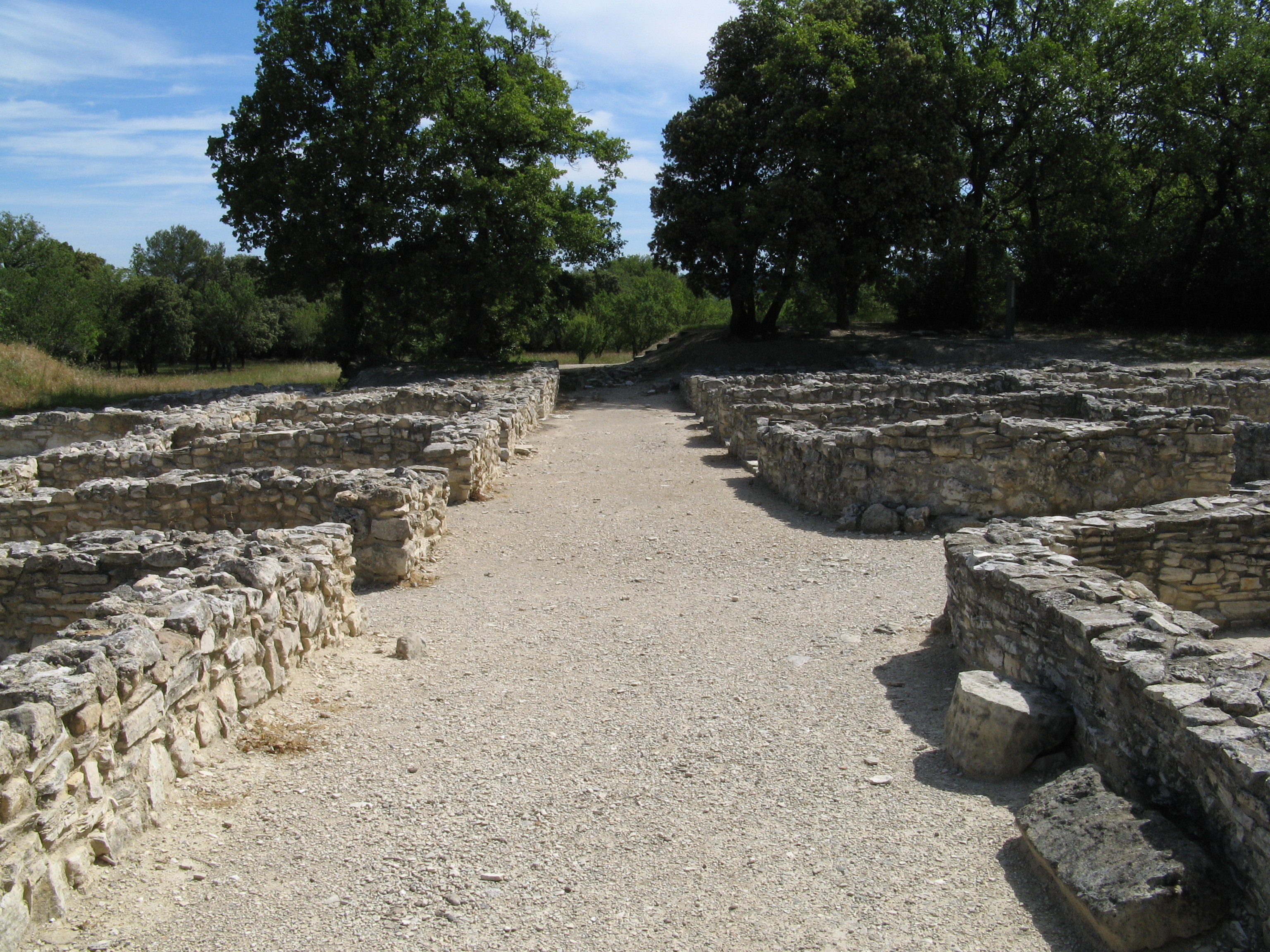
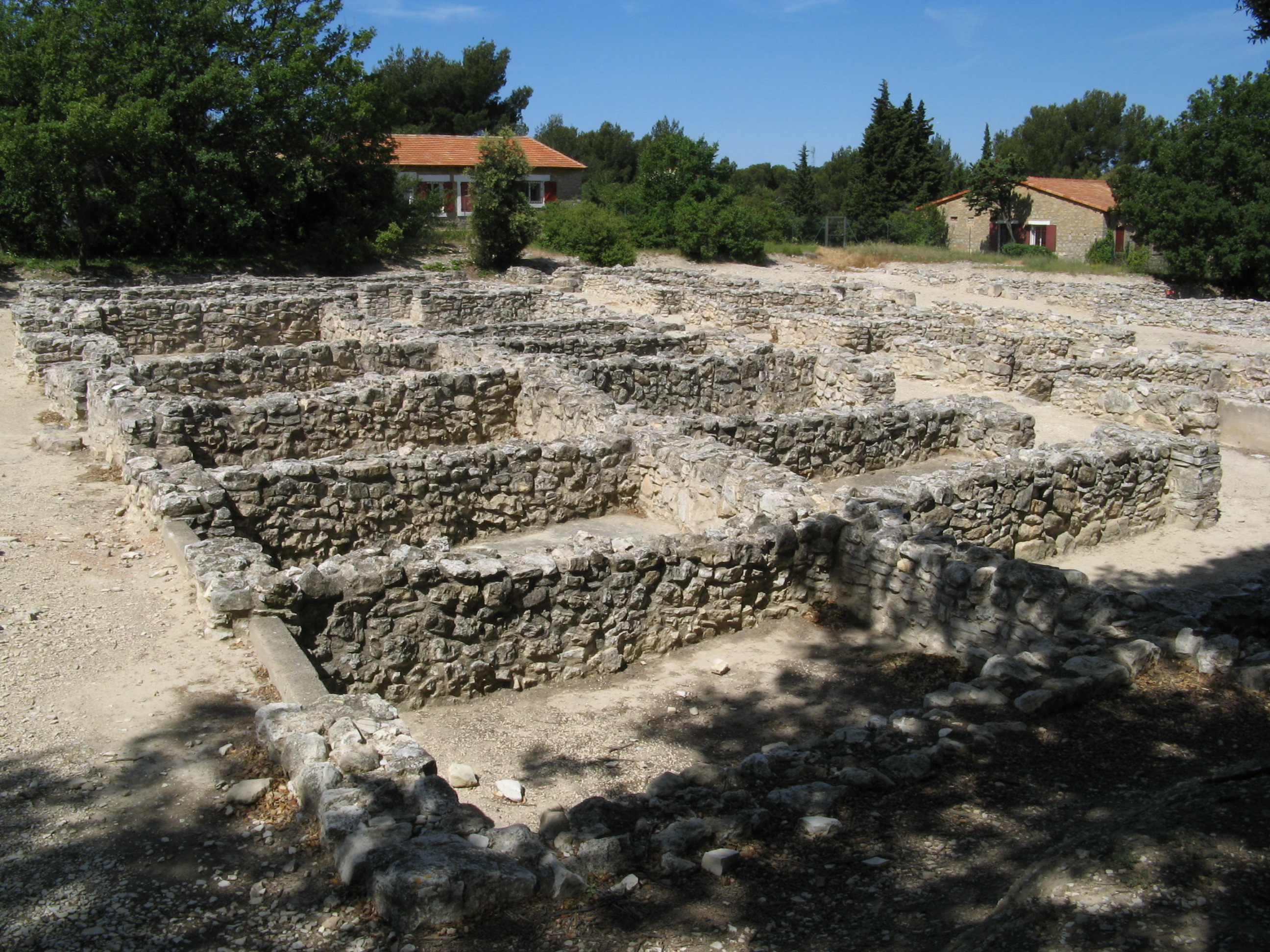
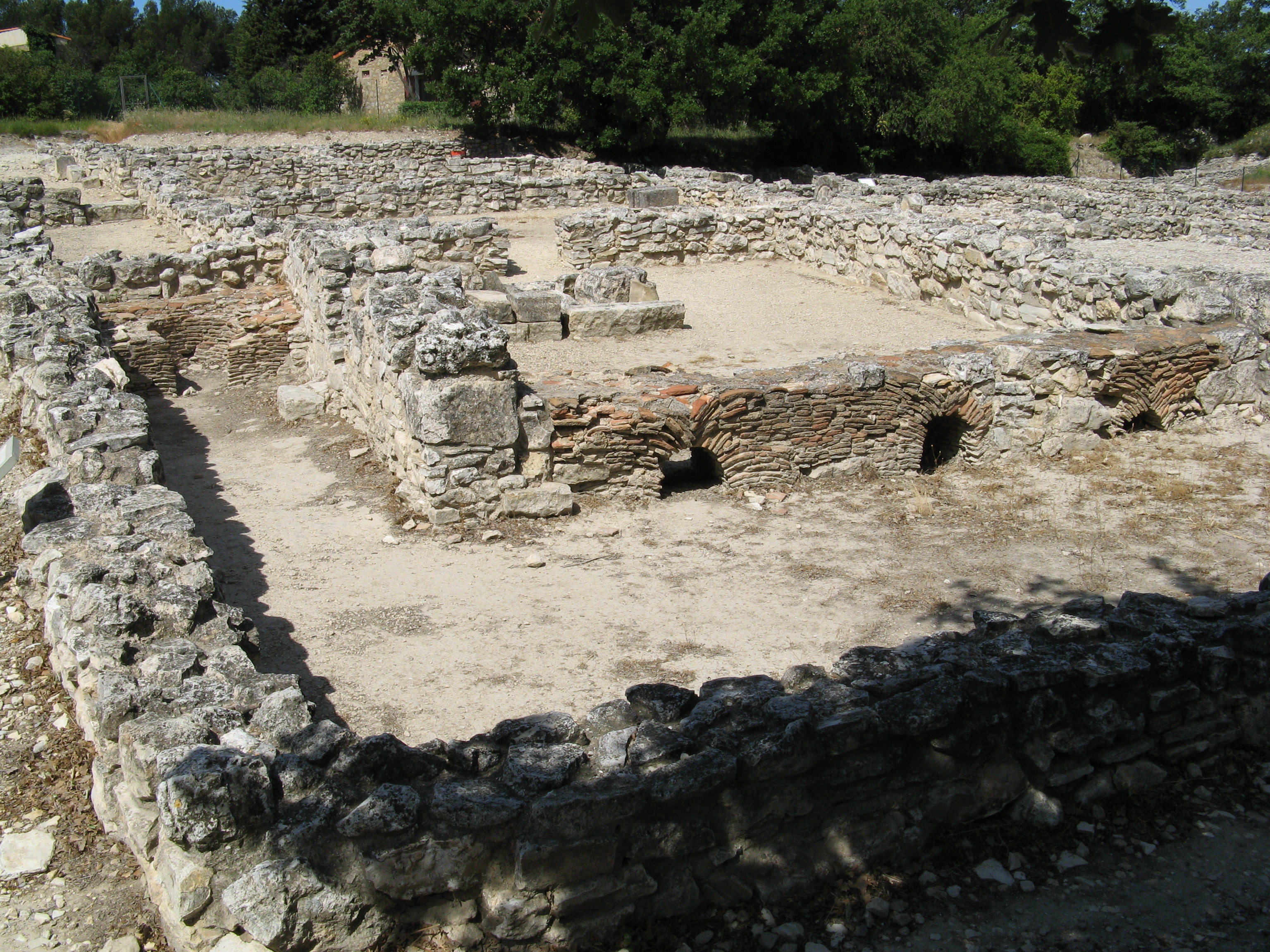
The Entremont oppidum, located near Aix-en-Provence, served as the capital of the Celtic-Ligurian Salyes confederation. Spanning 3.5 hectares, it was occupied between 180 and 170 BCE and represents a significant settlement of the Late Iron Age. The site is notable for its defensive ramparts and contains two principal habitation areas, Ville Haute and Ville Basse, now known as Habitat 1 and Habitat 2. Excavations have revealed a remarkable collection of pre-Roman sculptures, including heroized warriors and other figures, which provide insight into the artistic practices of the time. The oppidum was abandoned following its capture by the Romans in 123 BCE and the establishment of the new Roman city of Aquae Sextiae. By 90 BCE, Entremont was completely uninhabited, marking the end of its historical significance.
Gallery
Explore photographs of ancient structures, artifacts, and archaeological excavations
Historical Timeline
Journey through time and discover key events in this site's history
Roman Conquest and Abandonment
123 BCE
Complete Abandonment
90 BCE
Settlement of Entremont
180-170 BCE
Archaeological Features
Unique architectural and cultural elements found at this historical site
Defensive Structures
Artistic and Decorative Features
Domestic and Habitation Structures
Frequently Asked Questions
Plan Your Visit
Tours, travel arrangements, and practical information
More Sites in France

Oppidum de Nages
Iron Age hilltop oppidum with public buildings.
Bibracte
Gallic oppidum in Burgundy, France
Terra Amata (archaeological site)
Lower Paleolithic open-air site in Nice, France
Locmariaquer megaliths
Neolithic megalith complex in Brittany, France
Talietumu
Tongan fortified settlement and marae, 15th century
Araghju
Archaeological site in Corsica (San-Gavino-di-Carbini)