Explore the Map
Breitenbach (archaeological site)
51.0078° N, 12.0850° E
About
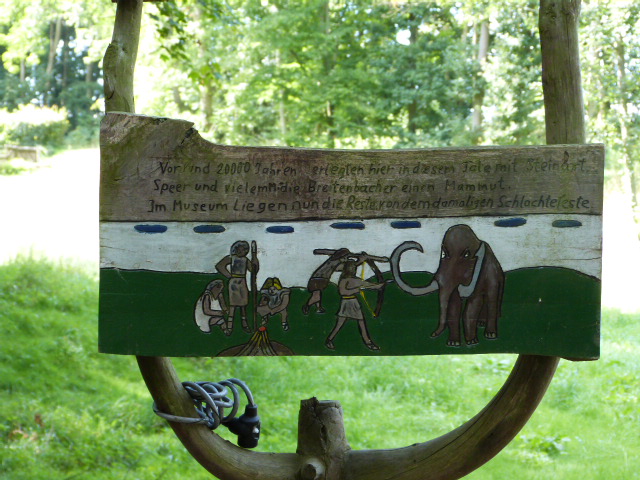
The Breitenbach archaeological site in Saxony-Anhalt, Germany, represents a significant open-air settlement from the early Upper Paleolithic period, specifically associated with the Aurignacian cultural complex. The site spans an estimated 8,000 to 10,000 square meters, making it the largest known Aurignacian open-air settlement in western Eurasia. Notable features include differentiated activity zones, lithic workshops, and well-preserved faunal remains, including mammoth, horse, and reindeer. Overlying this Paleolithic layer, a Neolithic settlement associated with the Linear Pottery Culture has also been identified, featuring pottery shards and lithic axes. This dual-layer site offers critical insights into the transition between the Aurignacian and Gravettian periods and the evolution of human settlement and subsistence patterns in Central Europe.
Gallery
Explore photographs of ancient structures, artifacts, and archaeological excavations
Historical Timeline
Journey through time and discover key events in this site's history
Upper Paleolithic Aurignacian occupation
28,380 BCE
Neolithic Linear Pottery Culture settlement
5,500 BCE
Archaeological Features
Unique architectural and cultural elements found at this historical site
Industrial and Craft Structures
Domestic and Habitation Structures
Environmental and Natural Features
Food Production and Processing Features
Frequently Asked Questions
Plan Your Visit
Tours, travel arrangements, and practical information
More Sites in Germany
Langweiler (archaeological site)
Neolithic farming settlement with ritual enclosures
Kyffhausen Castle
Medieval castle ruin with Neolithic origins
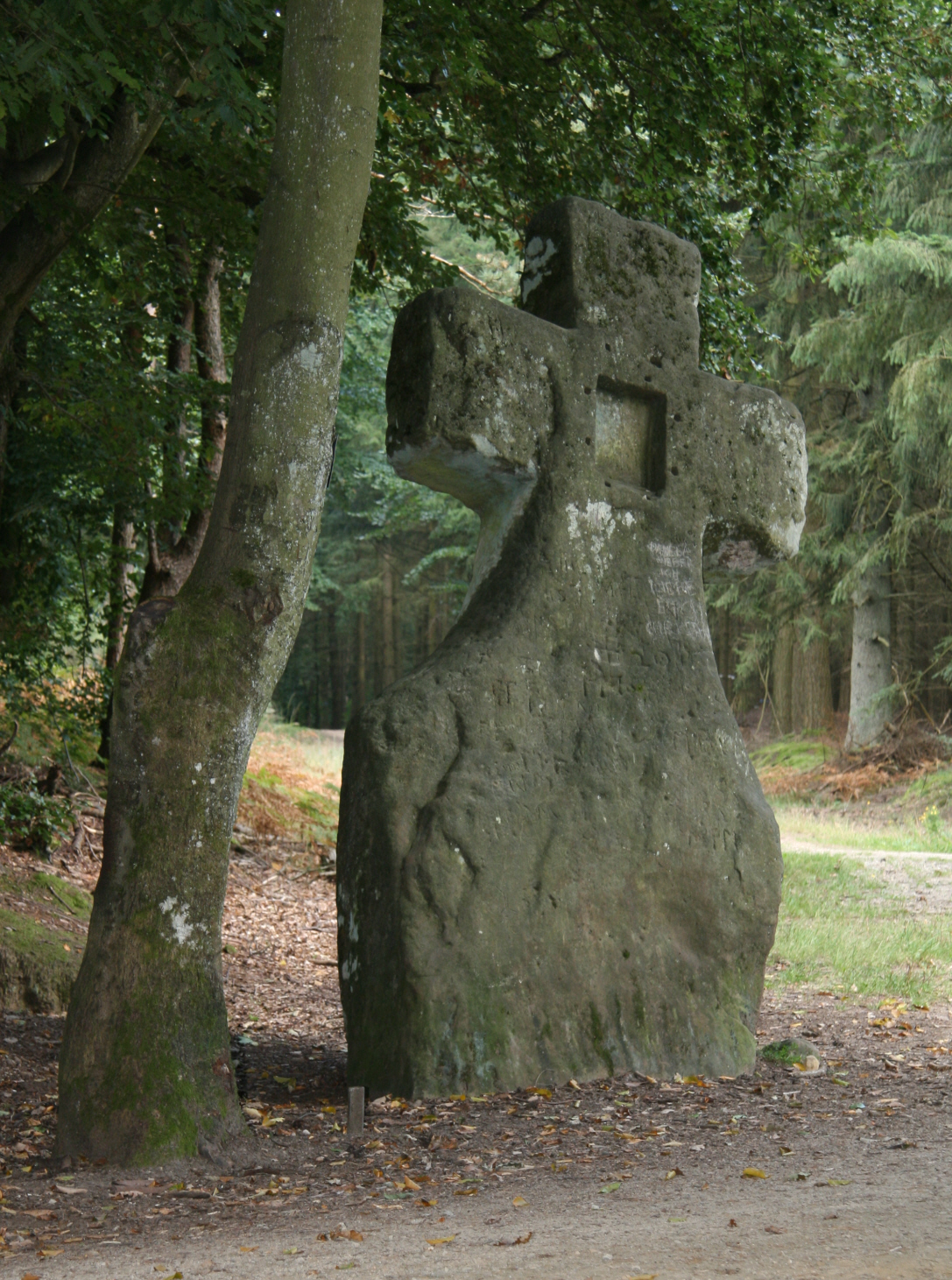
Fraubillen cross
Resculpted menhir into a Christian cross
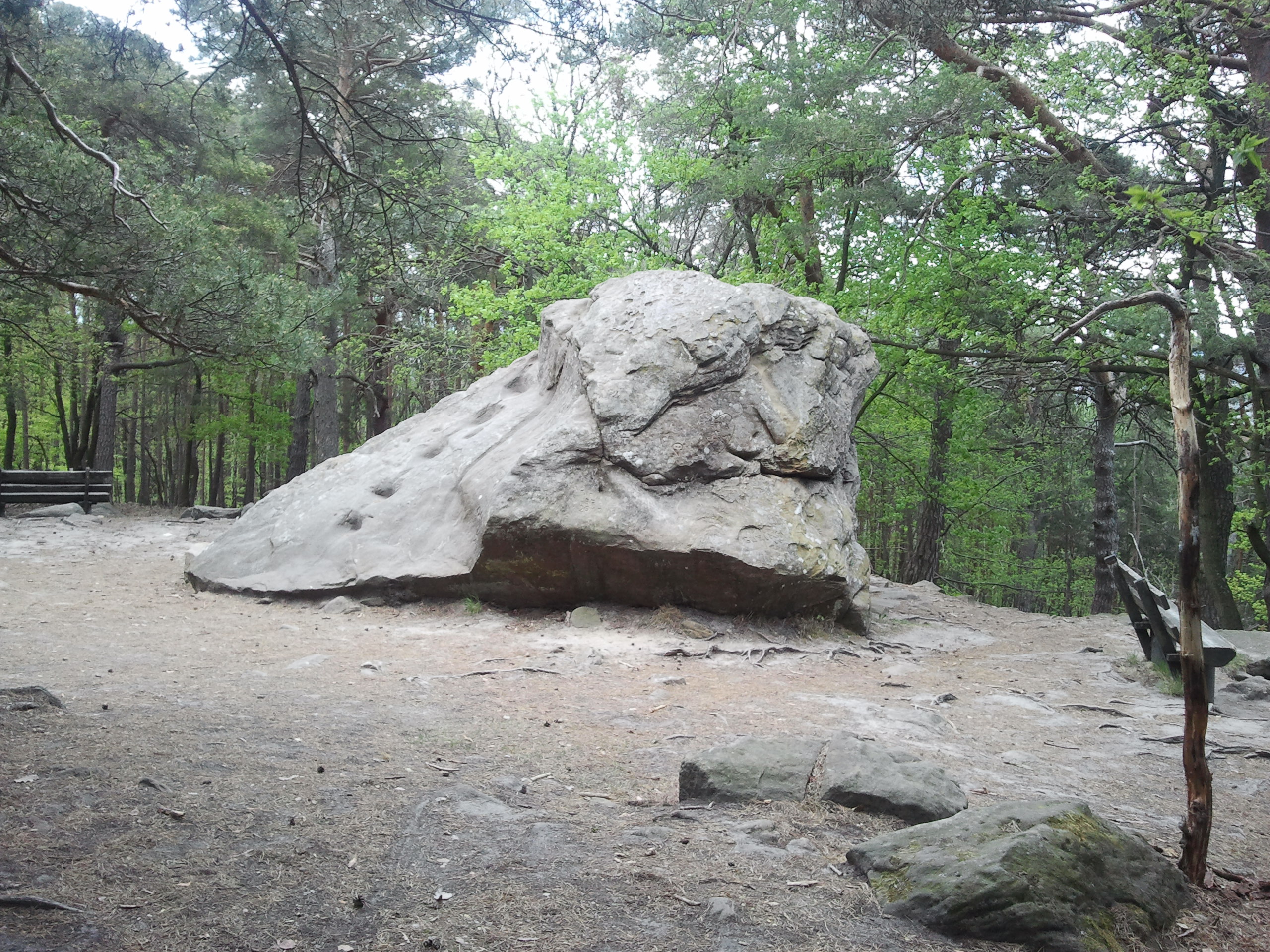
Teufelsstein (Haardt)
Monolith with Celtic and Roman carvings
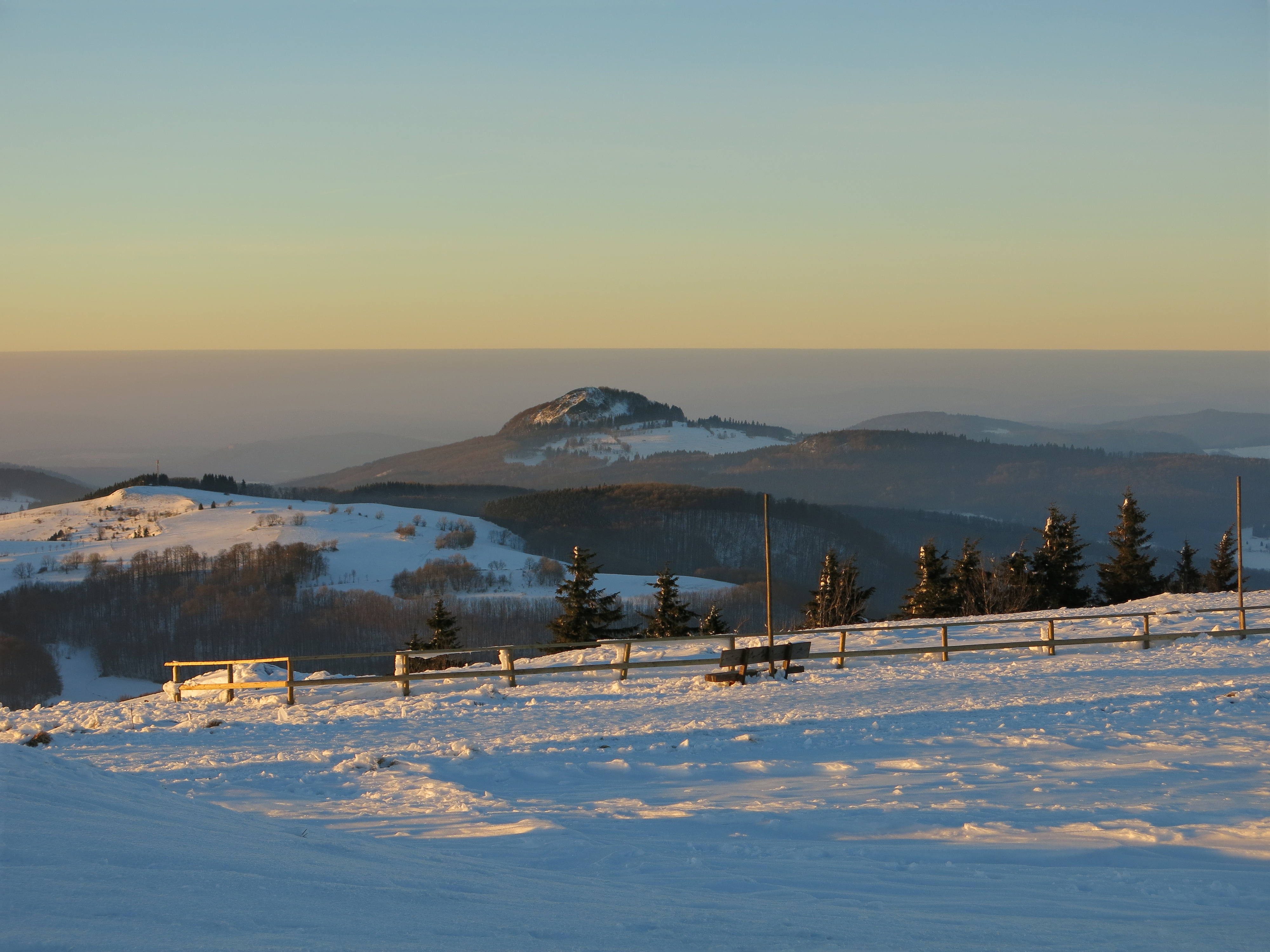
Milseburg
Extinct volcano with Celtic oppidum remains
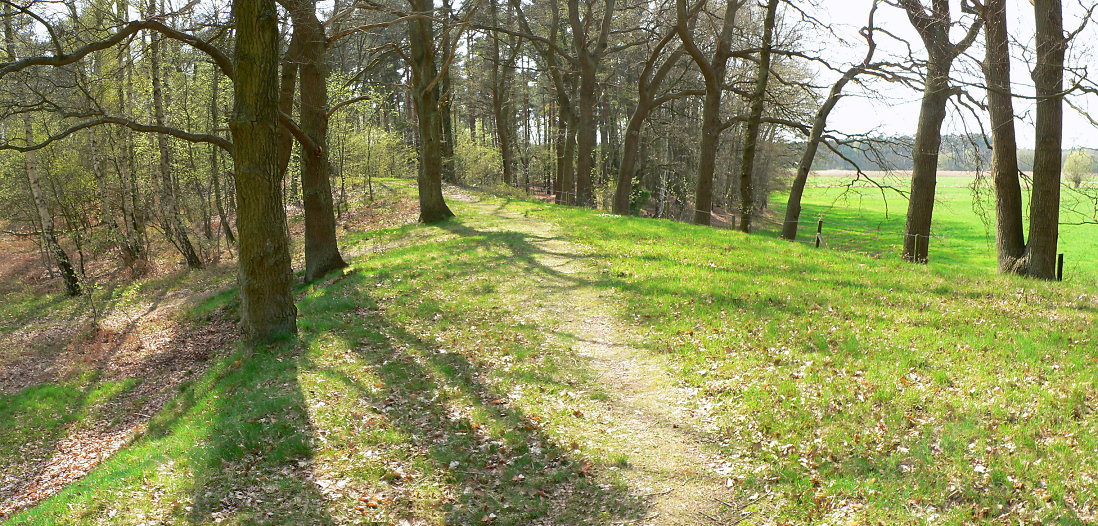
Circular rampart of Burg
10th-century circular earthwork defensive structure