
Explore the Map
Caves and Ice Age Art in the Swabian Jura
48.3878° N, 9.7656° E
About
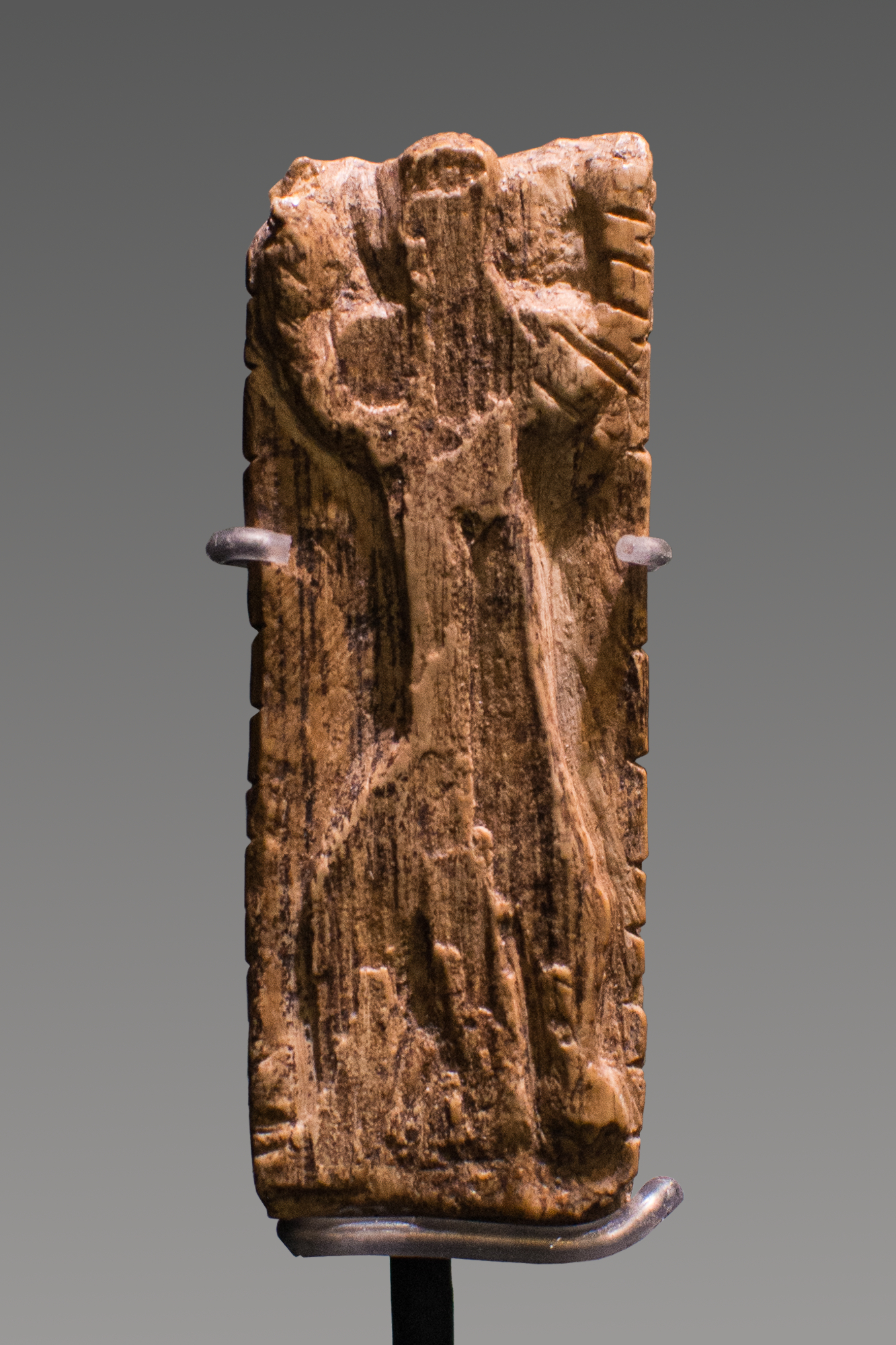
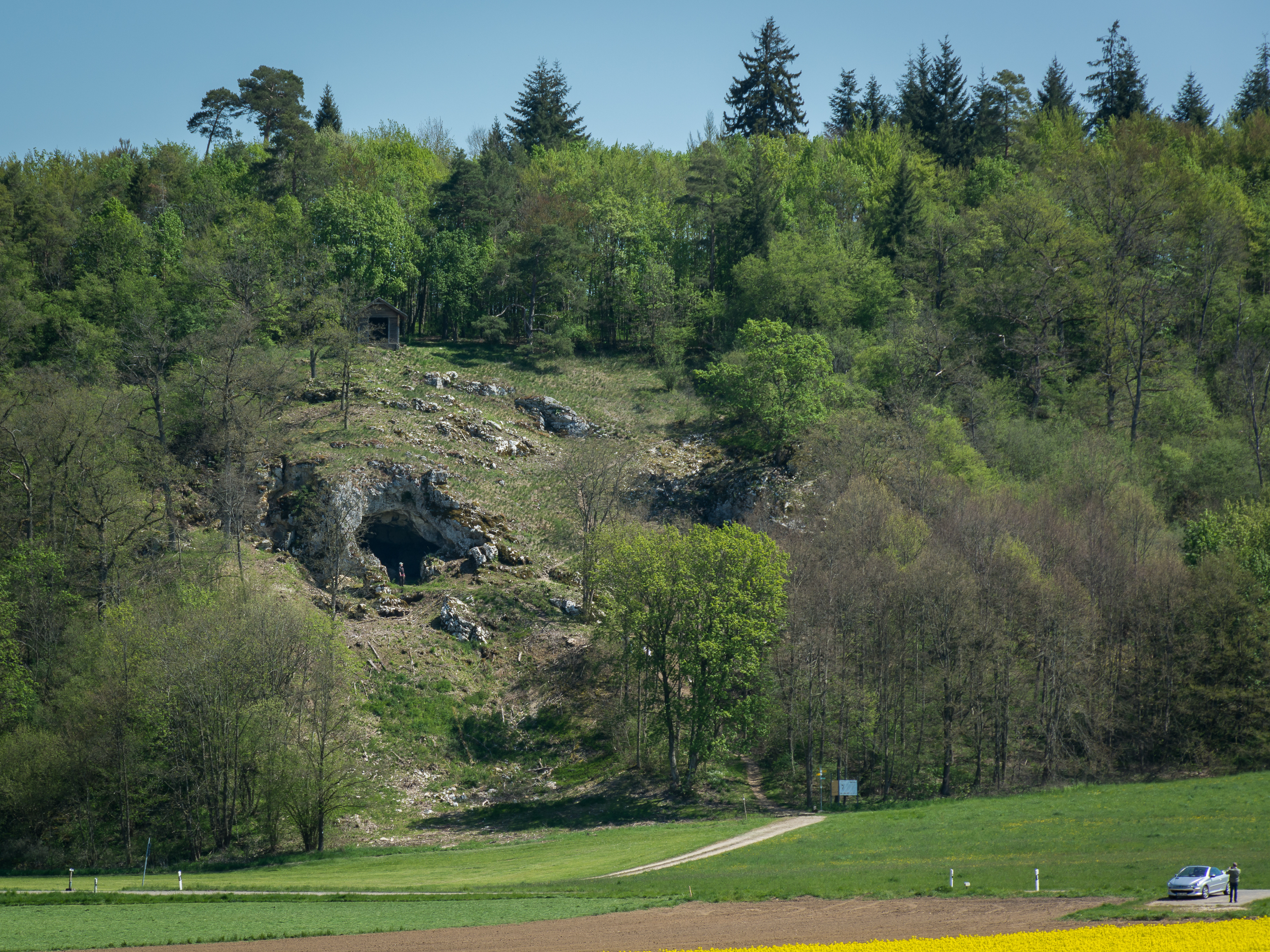
The Caves and Ice Age Art in the Swabian Jura are a collection of six caves located in southern Germany, which served as significant sites for Ice Age human habitation and artistic expression during the Upper Paleolithic period. These caves, situated in the Lone and Ach valleys, are renowned for yielding the oldest known non-stationary artworks and musical instruments, such as carved animal and humanoid figurines, including the famous Lion Man and Venus of Hohle Fels. The site reflects the early development of symbolic communication and cultural practices among early modern humans who migrated into Europe. Inscribed on the UNESCO World Heritage List in 2017, this site provides invaluable insights into the origins of human art and culture over 40,000 years ago.
Gallery
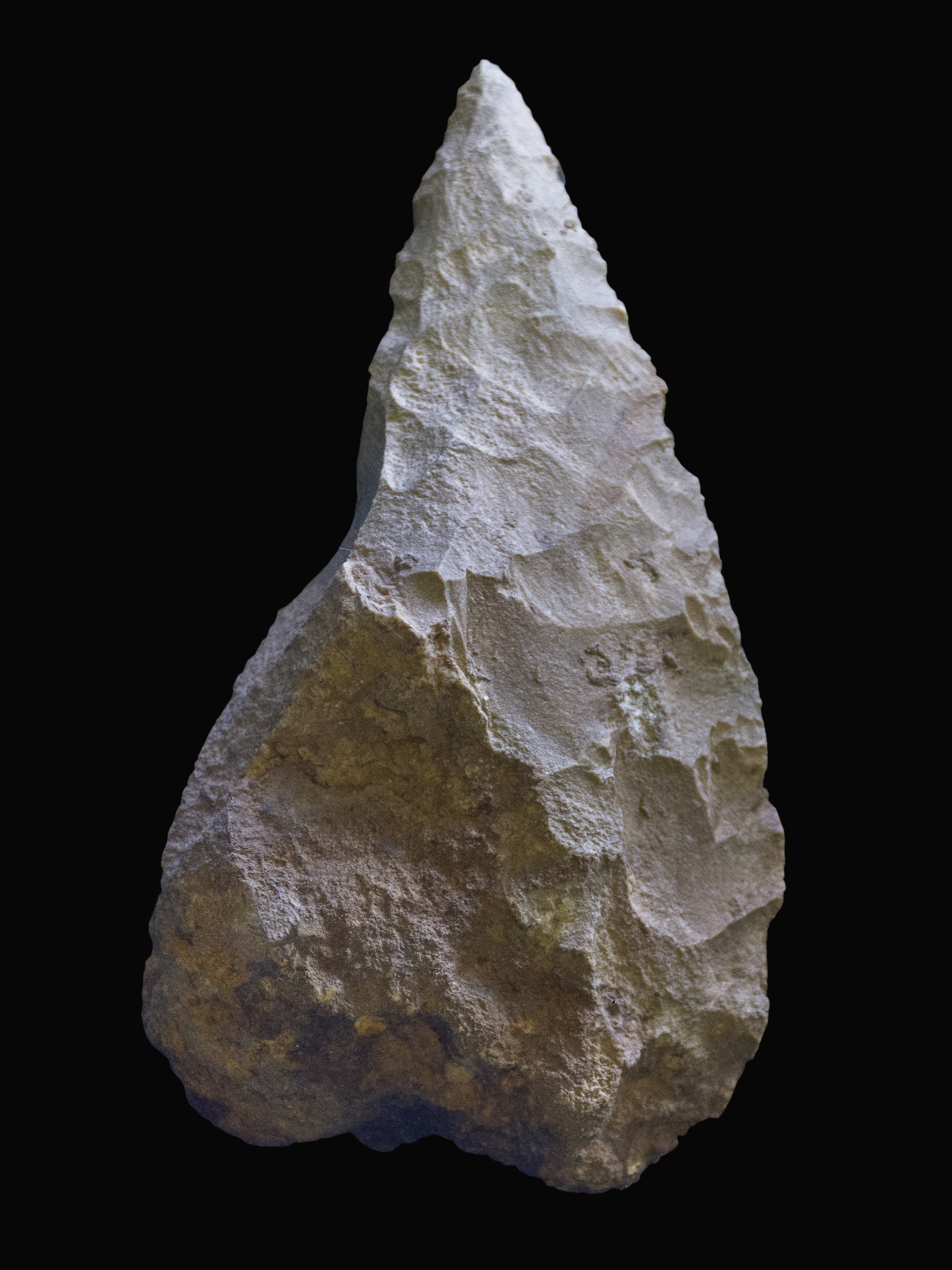
Explore photographs of ancient structures, artifacts, and archaeological excavations
Historical Timeline
Journey through time and discover key events in this site's history
Creation of Lion Man Sculpture
41,000–39,000 years ago
Creation of Venus of Hohle Fels
42,000–41,000 years ago
Creation of Musical Instruments
43,150–39,370 years ago
Early Modern Human Migration
43,000 years ago
Archaeological Features
Unique architectural and cultural elements found at this historical site
Artistic and Decorative Features
Domestic and Habitation Structures
Frequently Asked Questions
Plan Your Visit
Tours, travel arrangements, and practical information
More Sites in Germany
Utin (castle)
9th-century Wendish castle on island
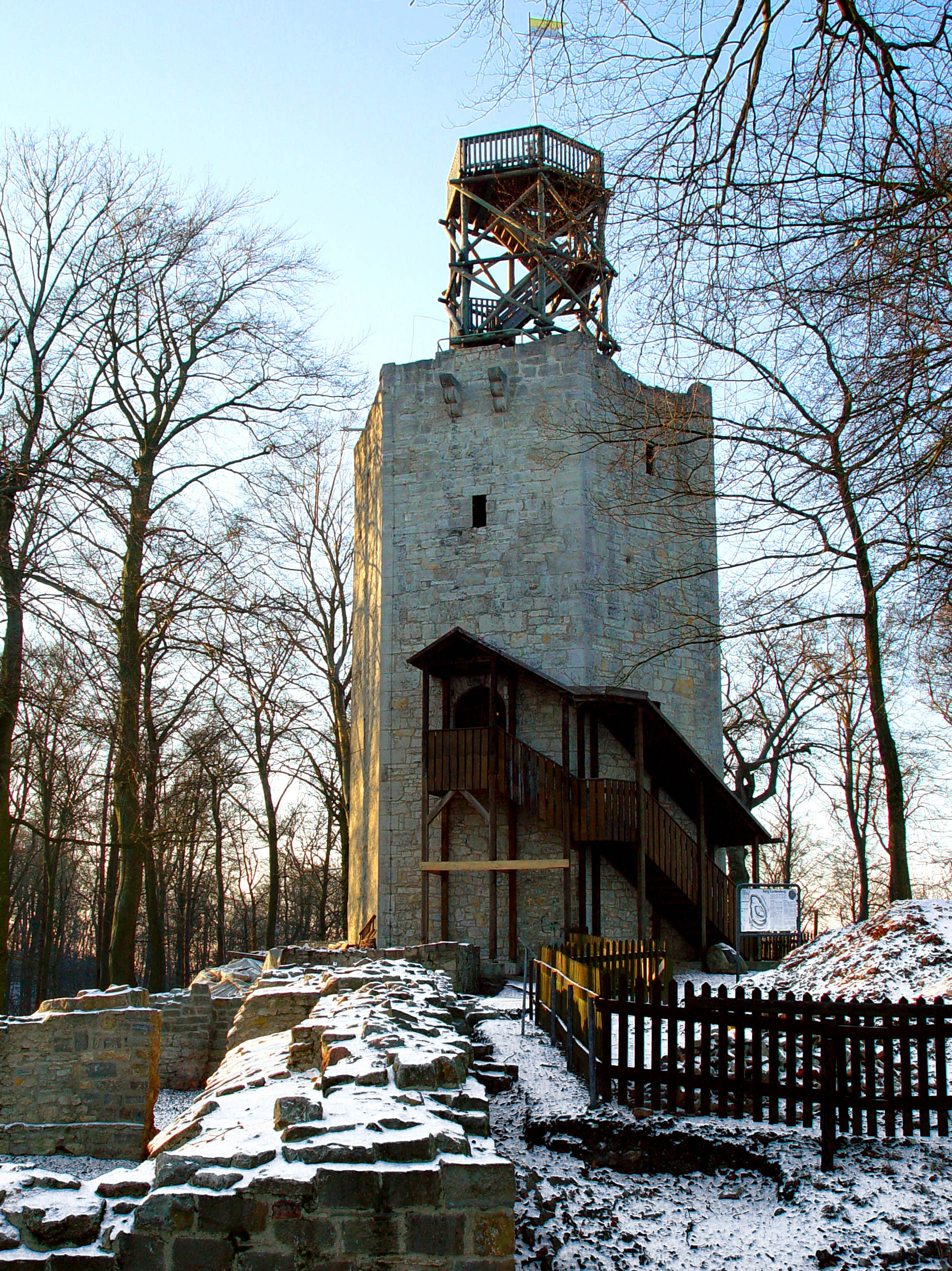
Lichtenberg Castle (Salzgitter)
12th-century hill castle ruins in Germany
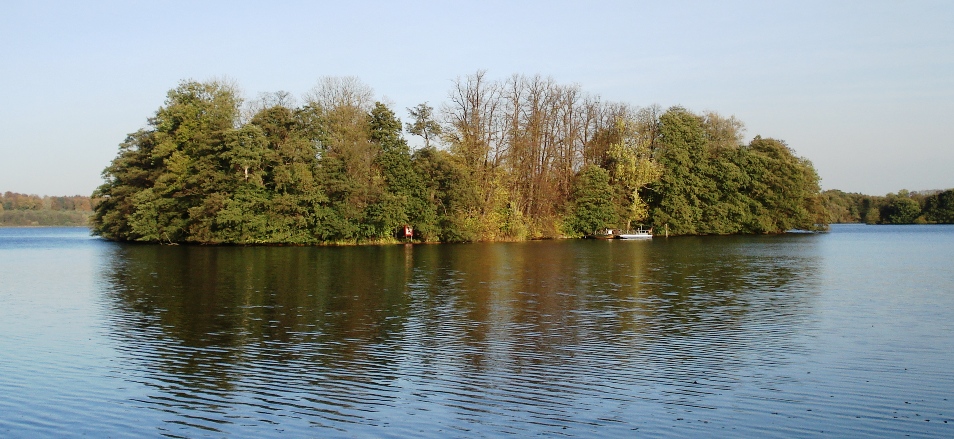
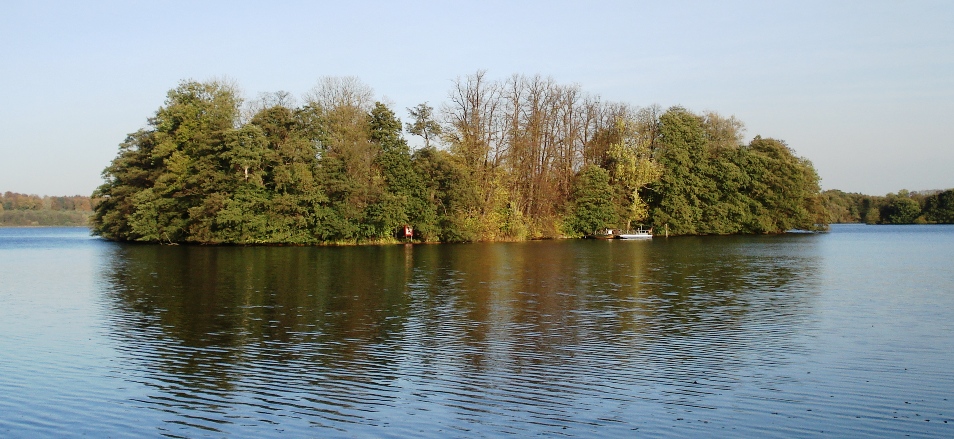
Pheasant Island (Eutin)
Small island with medieval castle ruins.
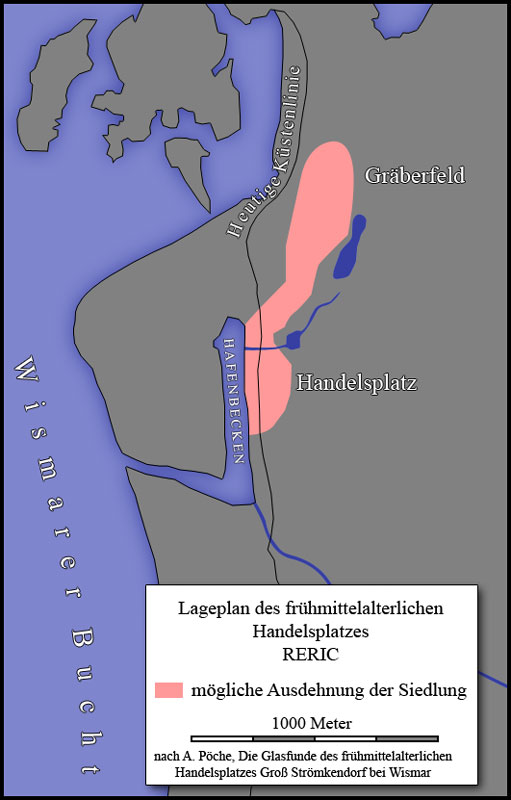
Reric
Slavic-Scandinavian Viking Age emporium remains
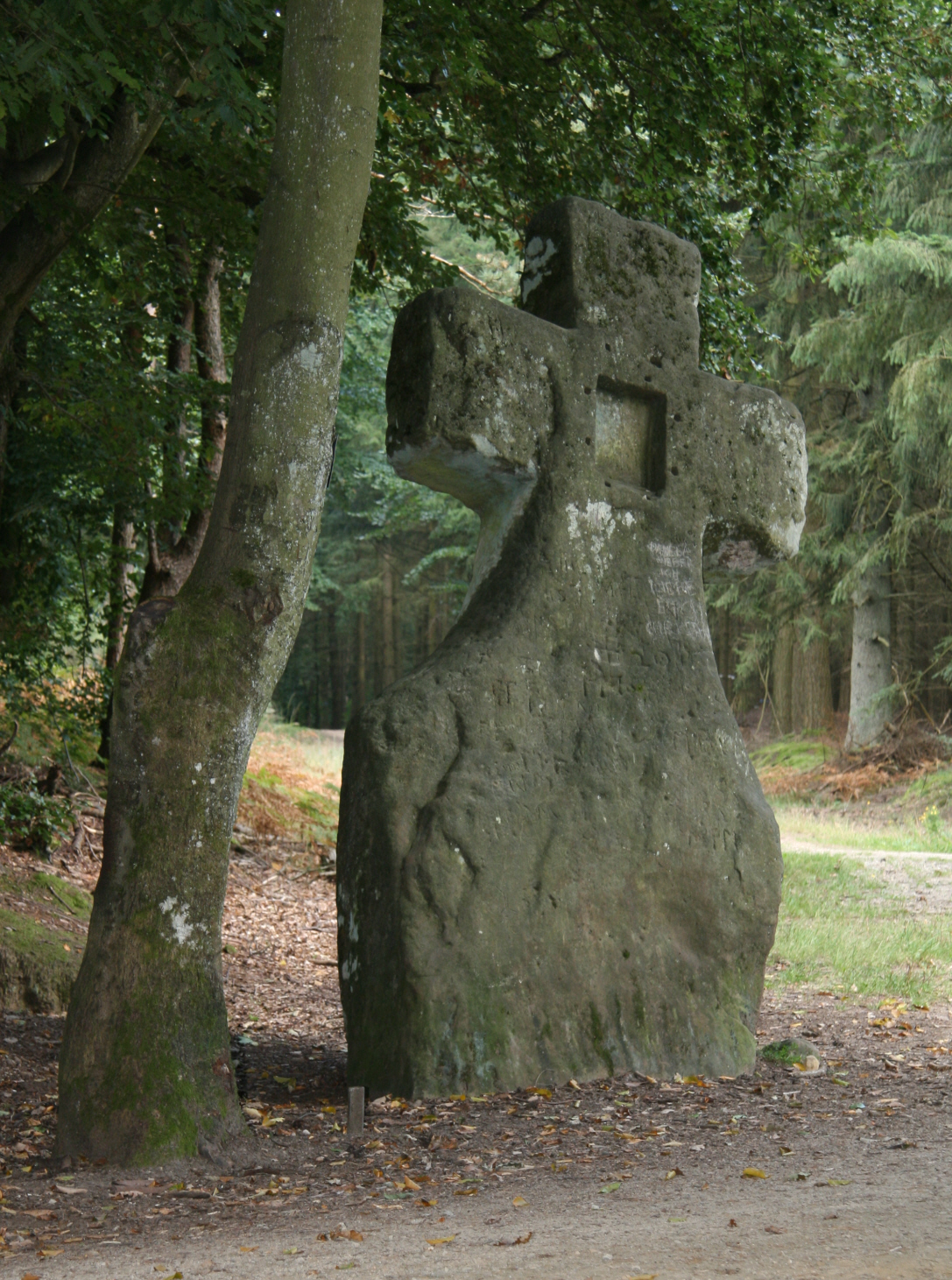
Fraubillen cross
Resculpted menhir into a Christian cross
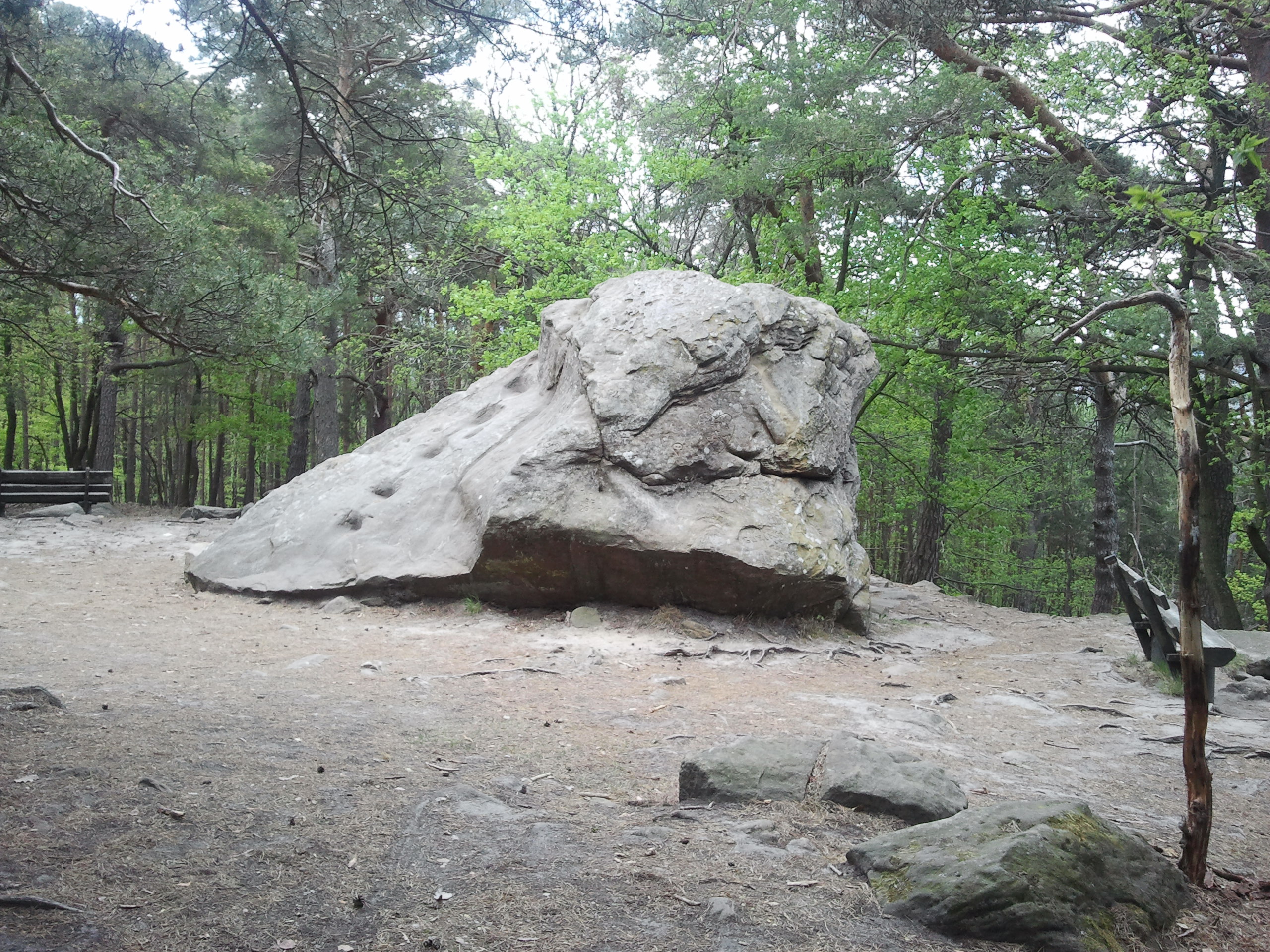
Teufelsstein (Haardt)
Monolith with Celtic and Roman carvings