
Explore the Map
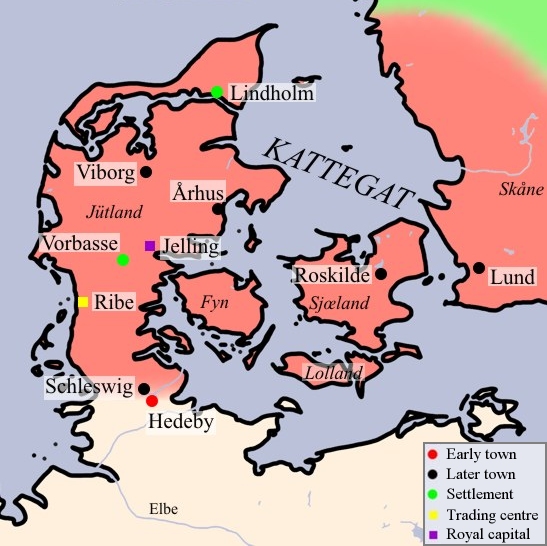
Hedeby
54.4911° N, 9.5653° E
About
Hedeby was a prominent Viking Age trading settlement strategically located at the southern end of the Jutland Peninsula. Established in the early 9th century, it became a major hub for trade between the Frankish Empire, Scandinavia, and beyond. Its advantageous position along the Schlei inlet and proximity to the Baltic and North Seas facilitated the movement of goods and people, contributing to its rapid growth. The settlement featured defensive earthworks and a semi-circular wall protecting it against invasions. Despite periods of prosperity, Hedeby was sacked twice in the 11th century, leading to its eventual abandonment. Archaeological excavations have uncovered significant artifacts and structures, offering insights into the Viking trading lifestyle and its connections with the wider world.
Gallery
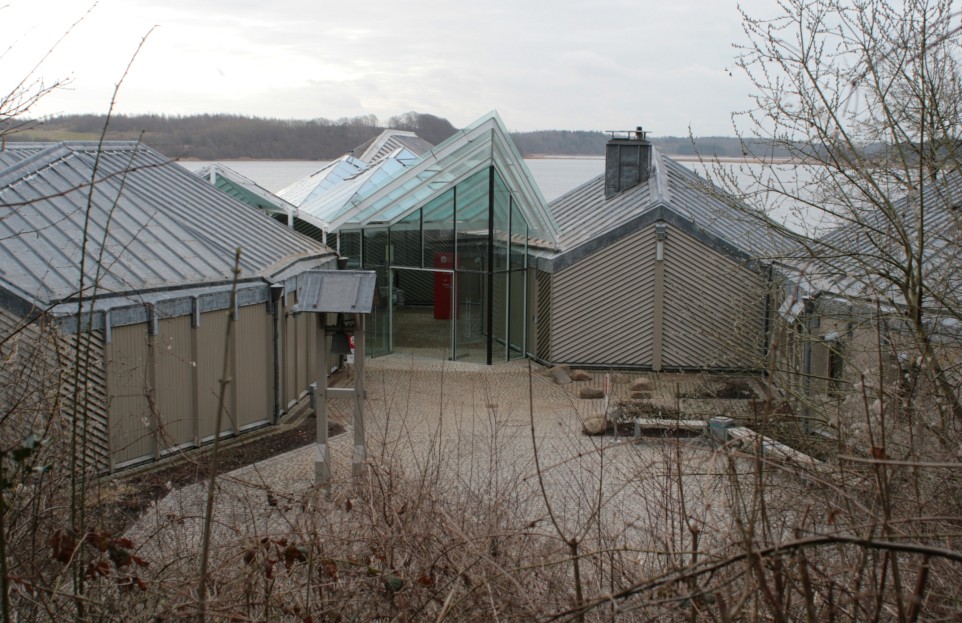
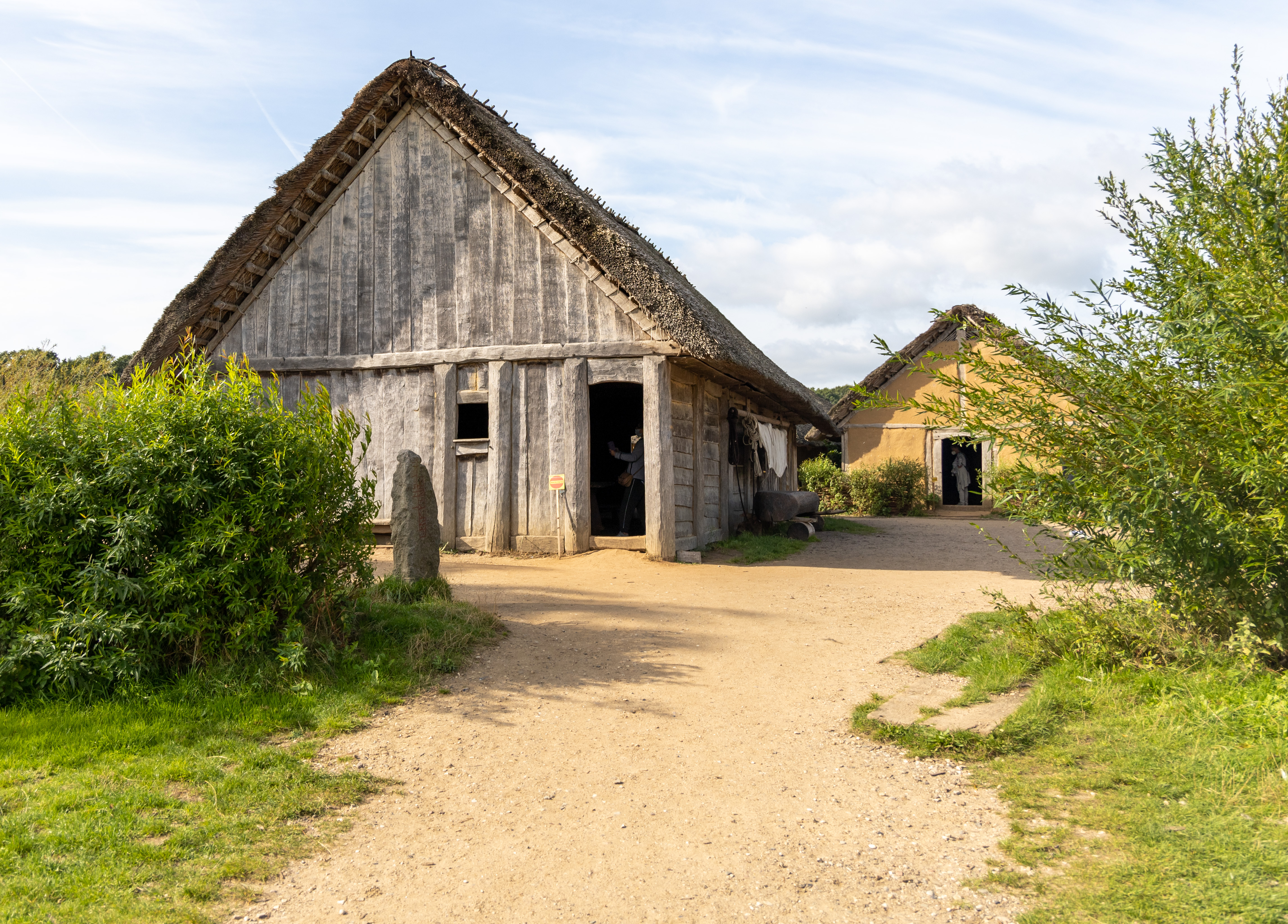
Explore photographs of ancient structures, artifacts, and archaeological excavations
Historical Timeline
Journey through time and discover key events in this site's history
Hedeby as principal marketplace
800-1000 CE
Hedeby mentioned in Frankish chronicles
804 CE
Resettlement of merchants from Reric
808 CE
Destruction by King Harald Hardrada
1050 CE
Final destruction and abandonment
1066 CE
Archaeological Features
Unique architectural and cultural elements found at this historical site
Defensive Structures
Water Management Features
Public and Civic Structures
Domestic and Habitation Structures
Transportation and Communication Structures
Frequently Asked Questions
Plan Your Visit
Tours, travel arrangements, and practical information
More Sites in Germany
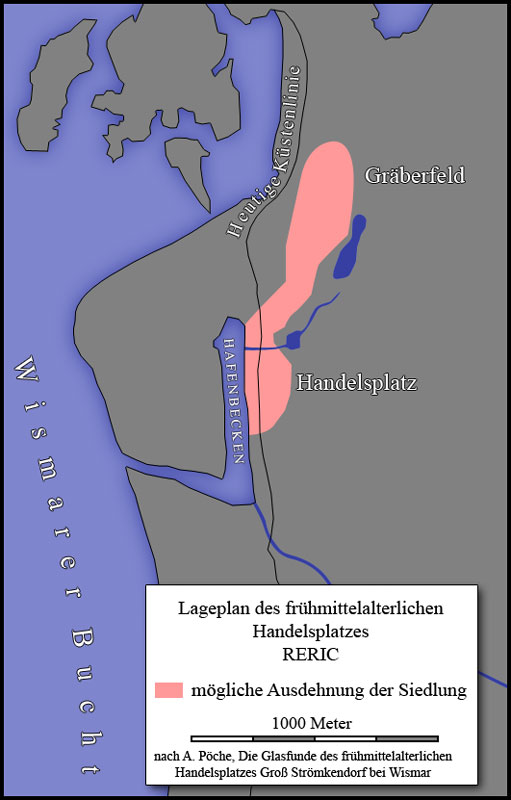
Reric
Slavic-Scandinavian Viking Age emporium remains
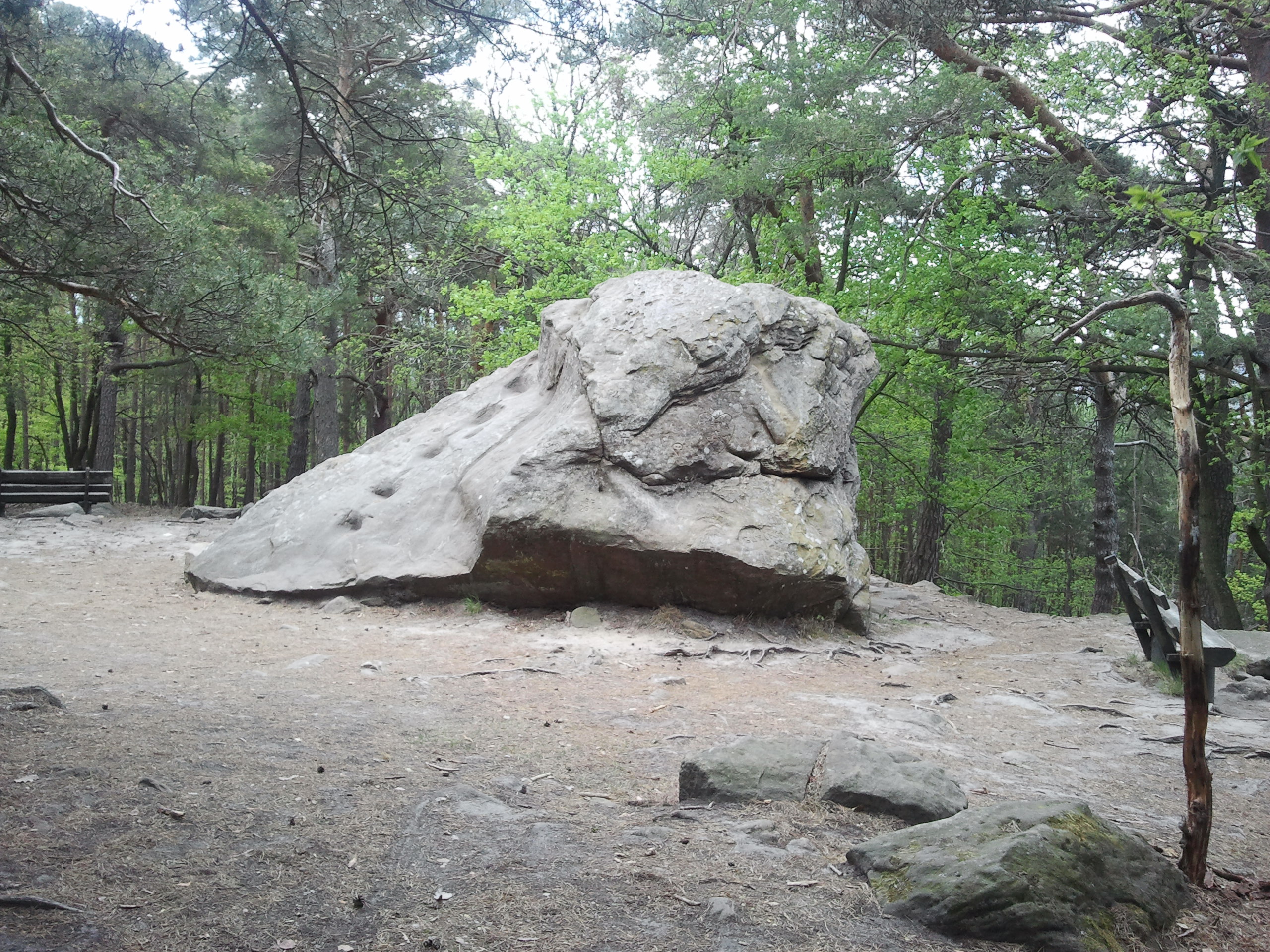
Teufelsstein (Haardt)
Monolith with Celtic and Roman carvings
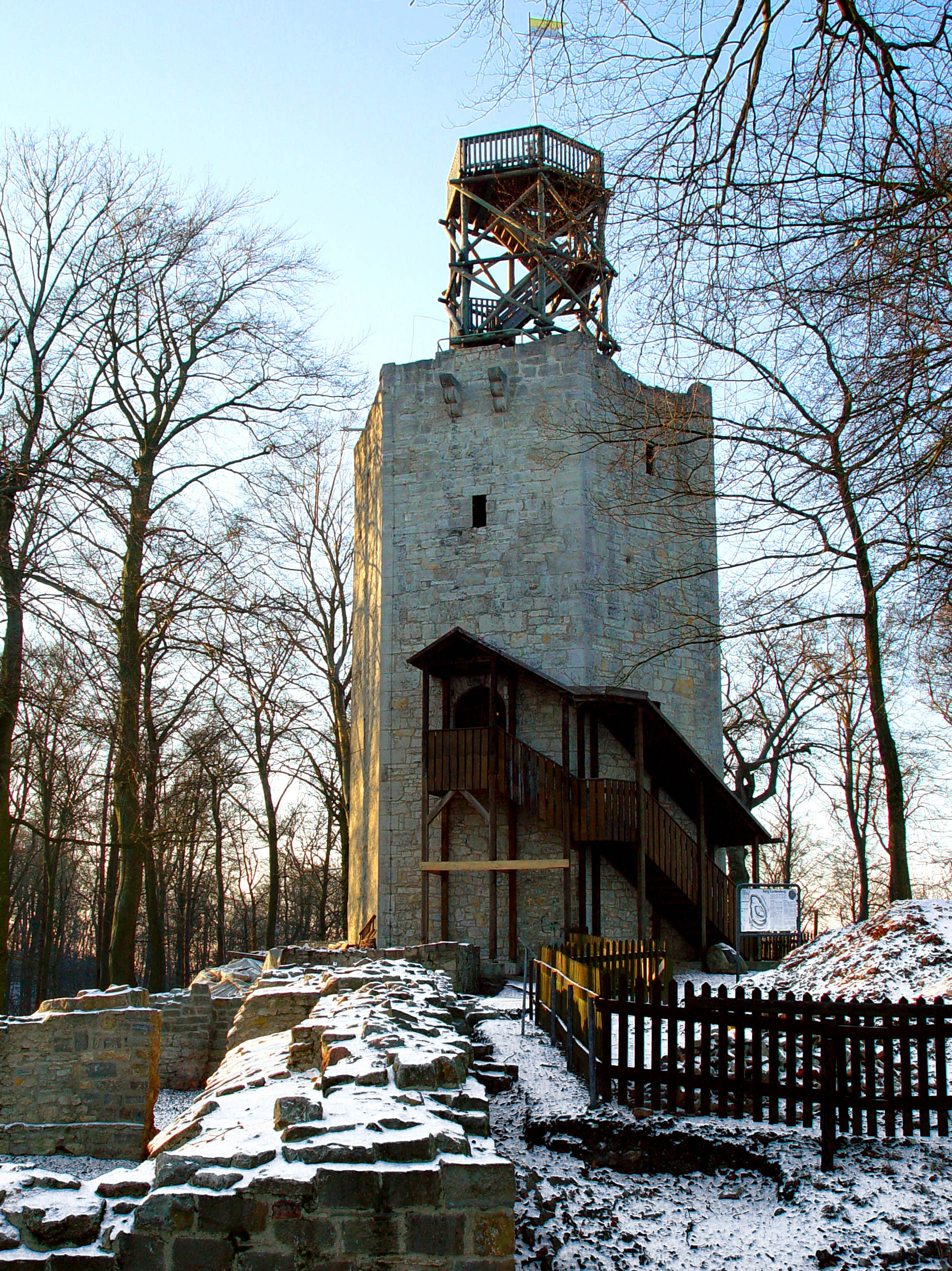
Lichtenberg Castle (Salzgitter)
12th-century hill castle ruins in Germany
Blankenhagen Castle
Ruins of 13th-century motte-and-bailey castle
Burgstall Schlosshügel
Early medieval motte (burgstall), Upper Franconia, Germany
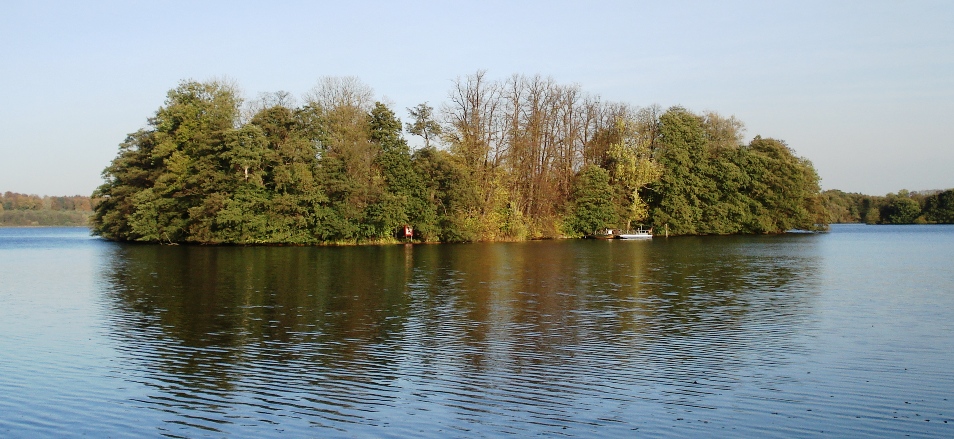
Pheasant Island (Eutin)
Small island with medieval castle ruins.