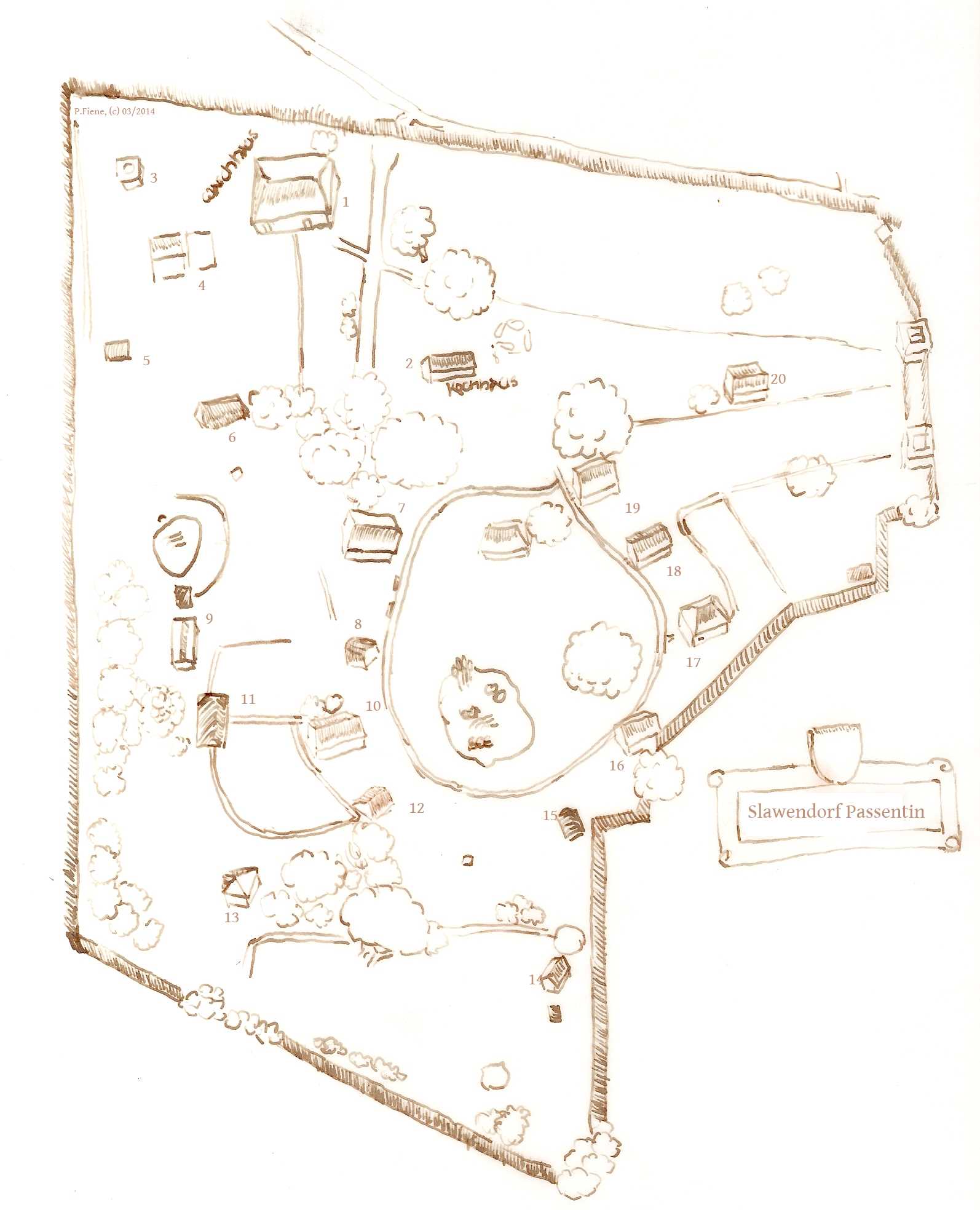
Explore the Map
Slavic Village Passentin
53.5433° N, 13.1205° E
About
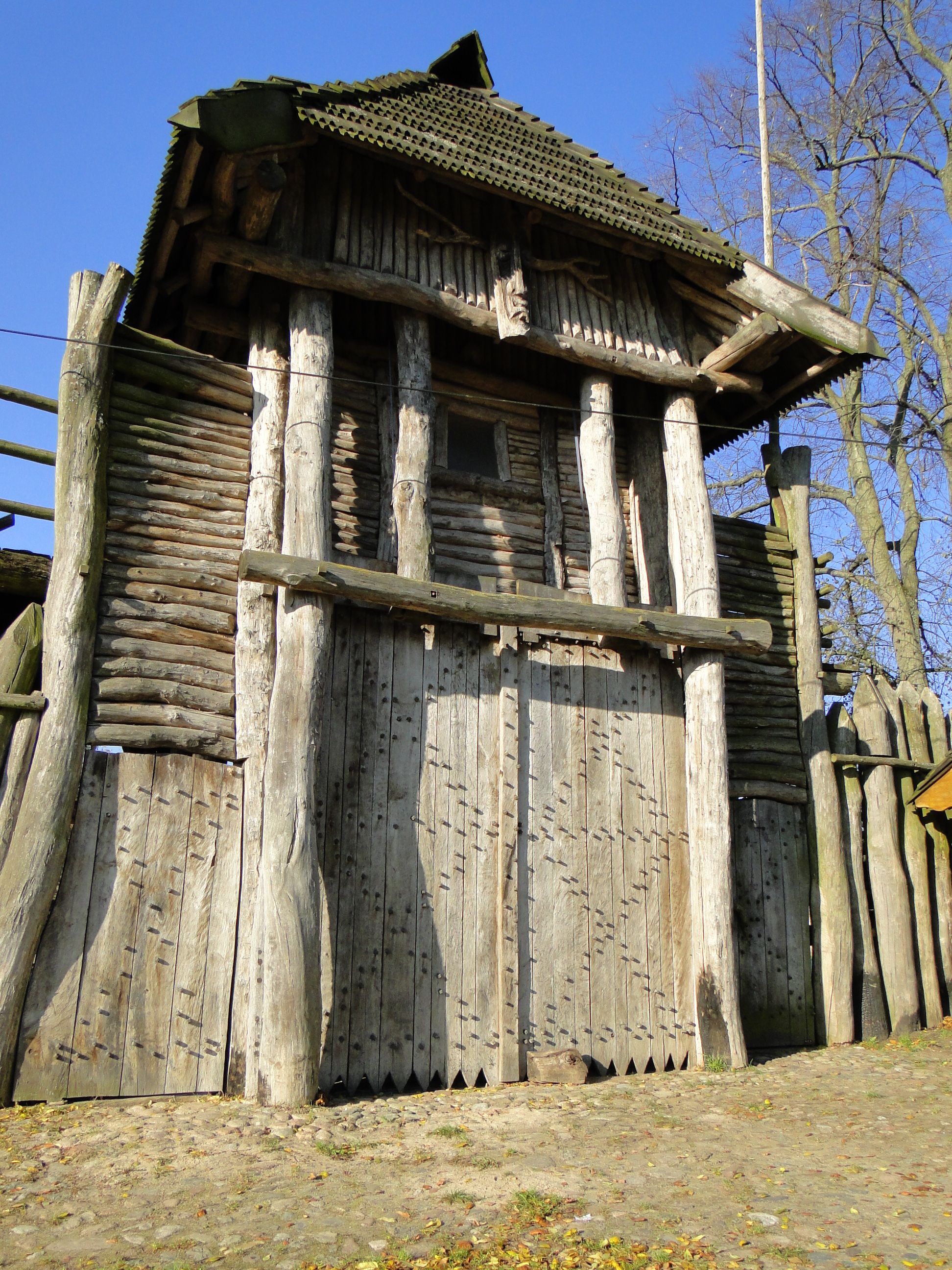
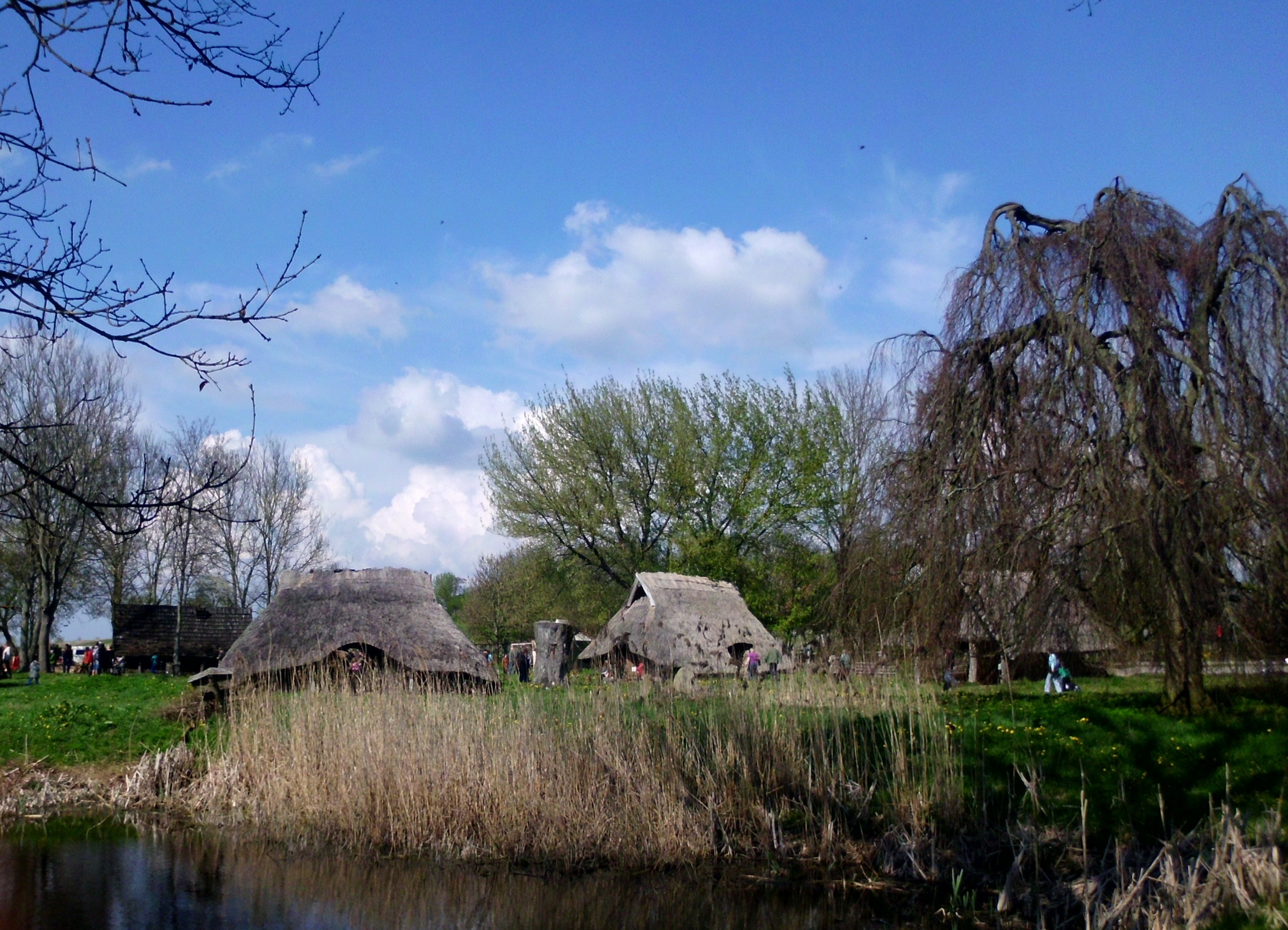
The Slavic Village Passentin is a reconstructed archaeological open-air museum located in Mecklenburg-Vorpommern, Germany. It replicates a Slavic settlement from the Early Middle Ages, particularly between the 9th and 10th centuries CE. The site features various domestic structures such as windowless post-in-ground huts and a long house, all arranged around a central pond. These structures are built using traditional methods, like wattle and daub with thatched roofs, based on archaeological findings. The village also includes defensive features such as remnants of a Slavic Lowland castle, and craft workshops where ancient techniques like weaving, spinning, and forging are demonstrated. This site serves as both a cultural and educational platform, allowing visitors to engage with their historical roots and experience the lifestyle of ancient Slavic communities.
Gallery
Explore photographs of ancient structures, artifacts, and archaeological excavations
Historical Timeline
Journey through time and discover key events in this site's history
Slavic Village Era
800 CE - 999 CE
Archaeological Features
Unique architectural and cultural elements found at this historical site
Defensive Structures
Industrial and Craft Structures
Domestic and Habitation Structures
Frequently Asked Questions
Plan Your Visit
Tours, travel arrangements, and practical information
More Sites in Germany
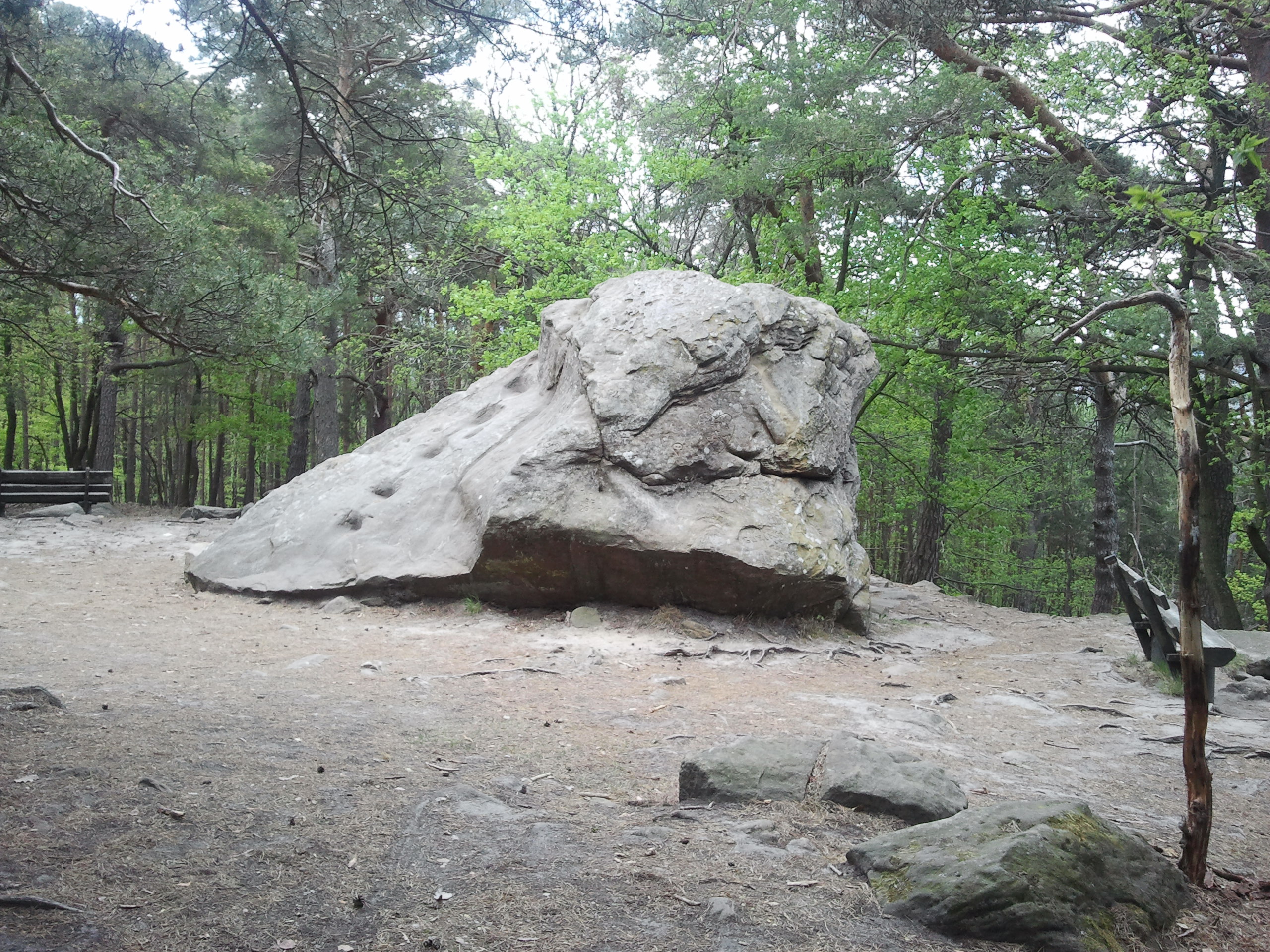
Teufelsstein (Haardt)
Monolith with Celtic and Roman carvings
Blankenhagen Castle
Ruins of 13th-century motte-and-bailey castle
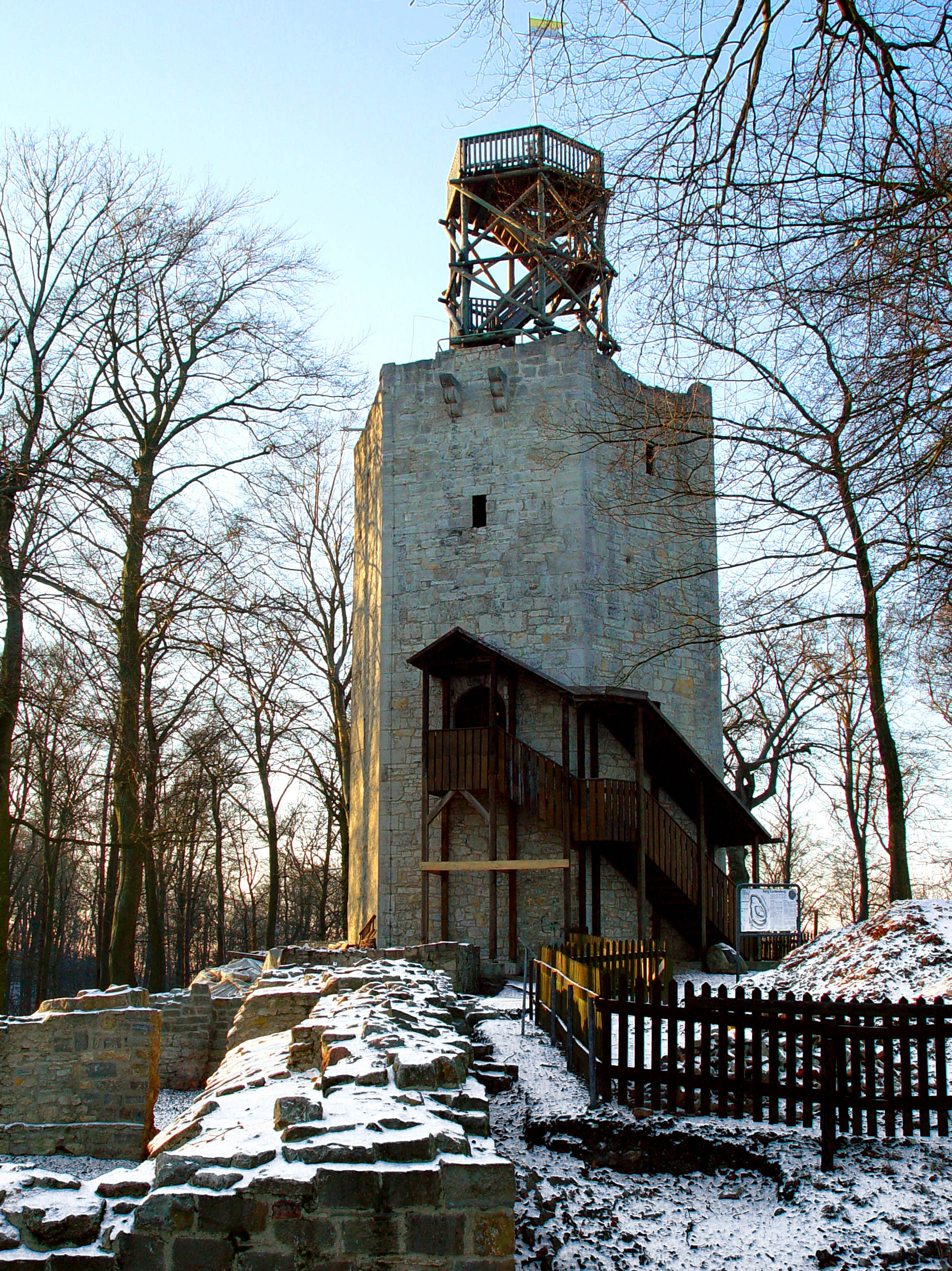
Lichtenberg Castle (Salzgitter)
12th-century hill castle ruins in Germany
Burgstall Schlosshügel
Early medieval motte (burgstall), Upper Franconia, Germany
Kyffhausen Castle
Medieval castle ruin with Neolithic origins

Liubice
Medieval Slavic settlement with fortifications.