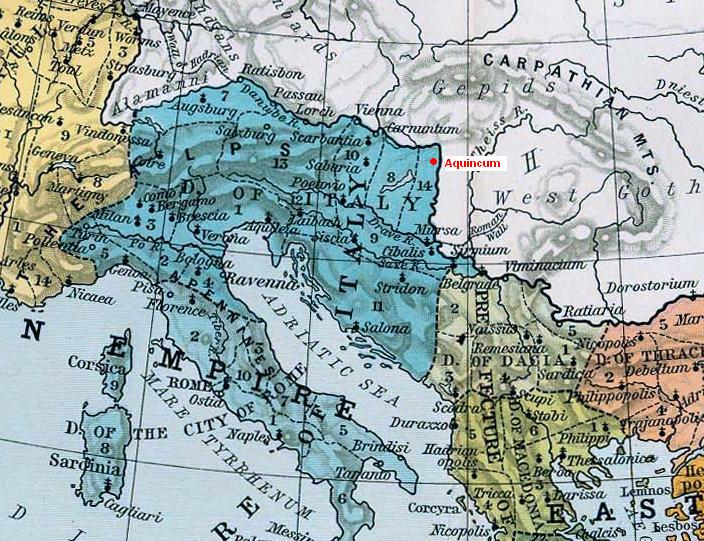
Explore the Map
Aquincum
47.5642° N, 19.0494° E
About
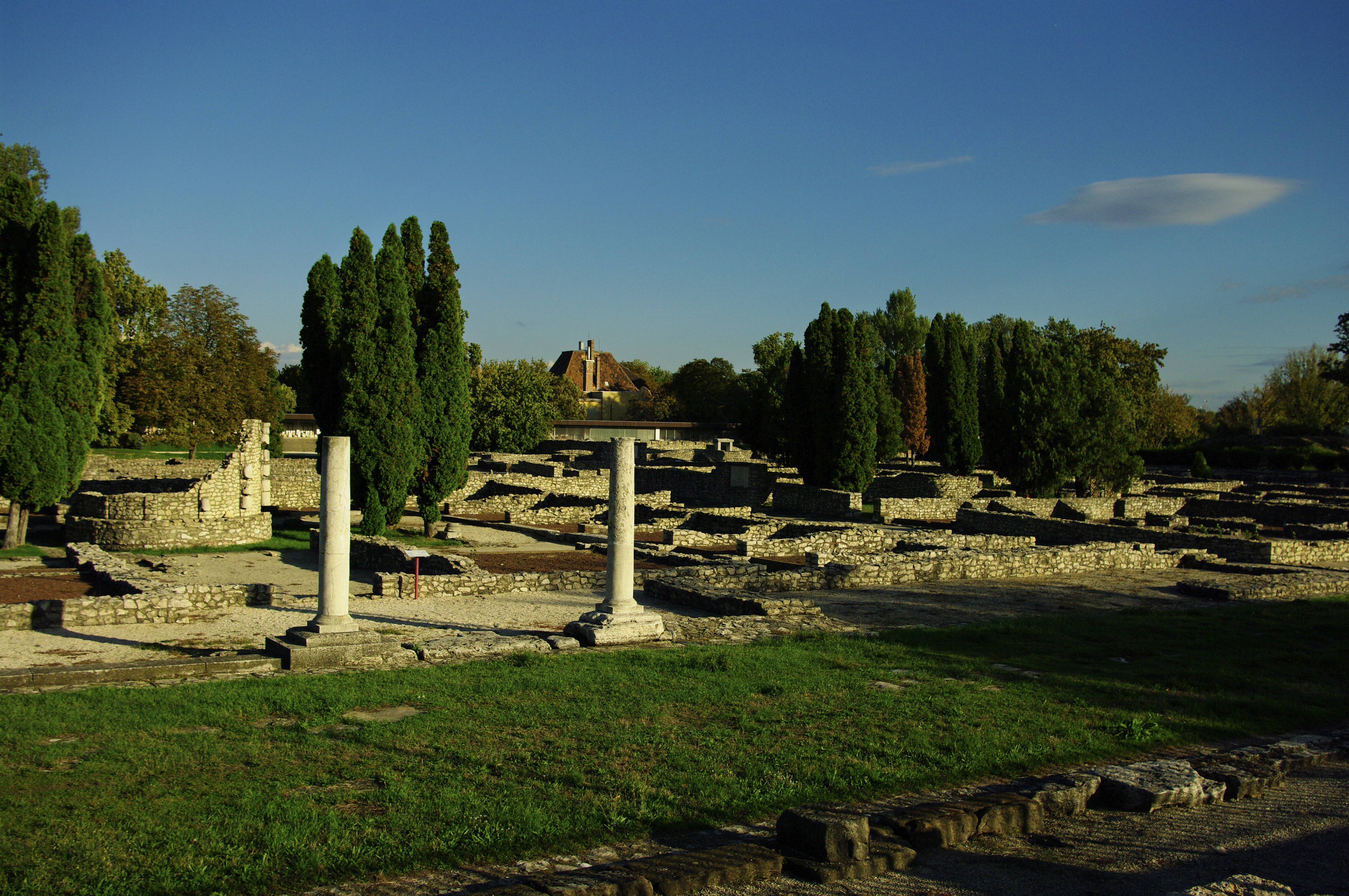
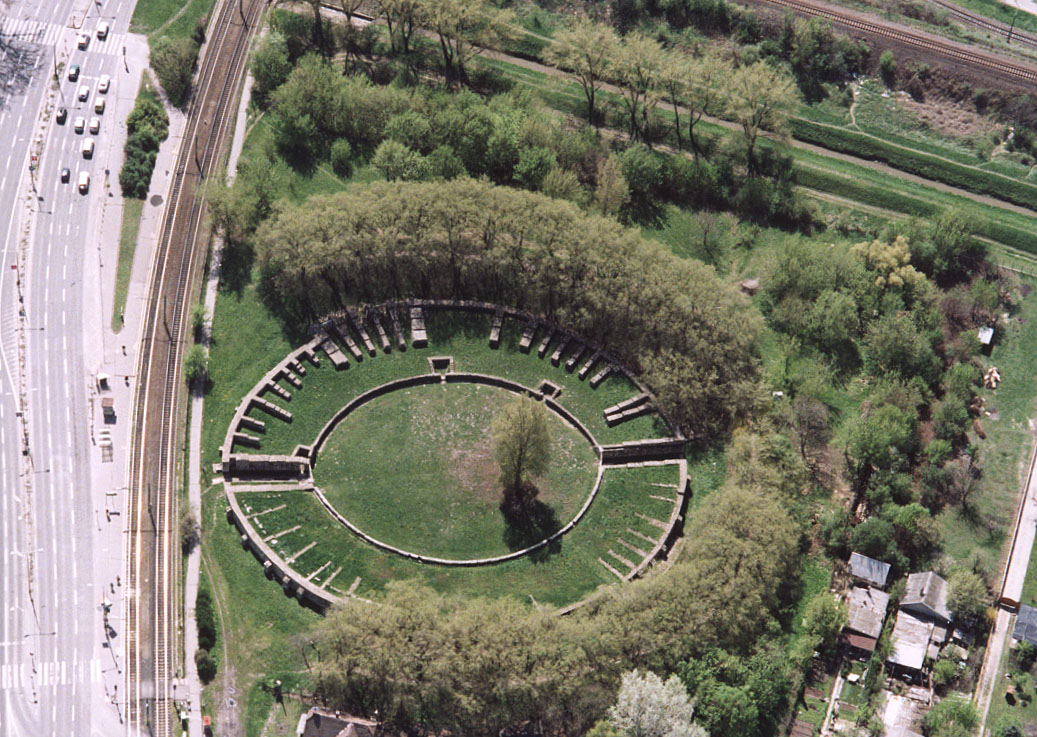
Aquincum was an important Roman city located in present-day Budapest, Hungary. Initially settled by the Celtic Eravisci tribe, it later became a pivotal military base within the Roman Empire's border protection system. By the 1st century CE, a cavalry unit and a Roman legion were stationed there, fostering the city's growth. Aquincum rose to prominence as the capital of Pannonia Inferior in 103 CE. Over the centuries, the city developed into a vibrant urban center with advanced infrastructure, including aqueducts, public baths, and amphitheaters. It was an administrative and commercial hub, reflecting the sophisticated urban planning of the Roman period. Despite its prosperity, the city faced decline due to Sarmatian attacks and was largely destroyed by 350 CE. This site offers valuable insights into Roman urban life and frontier defense strategies.
Gallery
Explore photographs of ancient structures, artifacts, and archaeological excavations
Historical Timeline
Journey through time and discover key events in this site's history
Colonia status granted
Under Septimius Severus, no exact date
Municipal status obtained
Under Hadrian, no exact date
Roman cavalry arrival
41-54 CE
Legion stationed
89 CE
Aquincum became capital
103 CE
Spread of Christianity
Beginning of the 3rd century
Sarmatian attacks
Middle of the 4th century
Destruction of city
350 CE
German and Hun invasion
409 CE
Archaeological Features
Unique architectural and cultural elements found at this historical site
Defensive Structures
Water Management Features
Public and Civic Structures
Religious and Ritual Structures
Domestic and Habitation Structures
Frequently Asked Questions
Plan Your Visit
Tours, travel arrangements, and practical information
More Sites in Hungary
Bathory Cave
Geothermally formed limestone cave with passages.
Tabán ruins
Roman burgus and medieval cellars, Tabán (Budapest)
Százhalombatta-Földvár
Bronze Age Vatya tell on the Danube, Hungary
Early Christian Necropolis of Pécs (Sopianae)
<p>In the 4th century, a remarkable series of decorated tombs were constructed in the cemetery of the Roman provincial town of Sopianae (modern Pécs). These…
Baradla cave
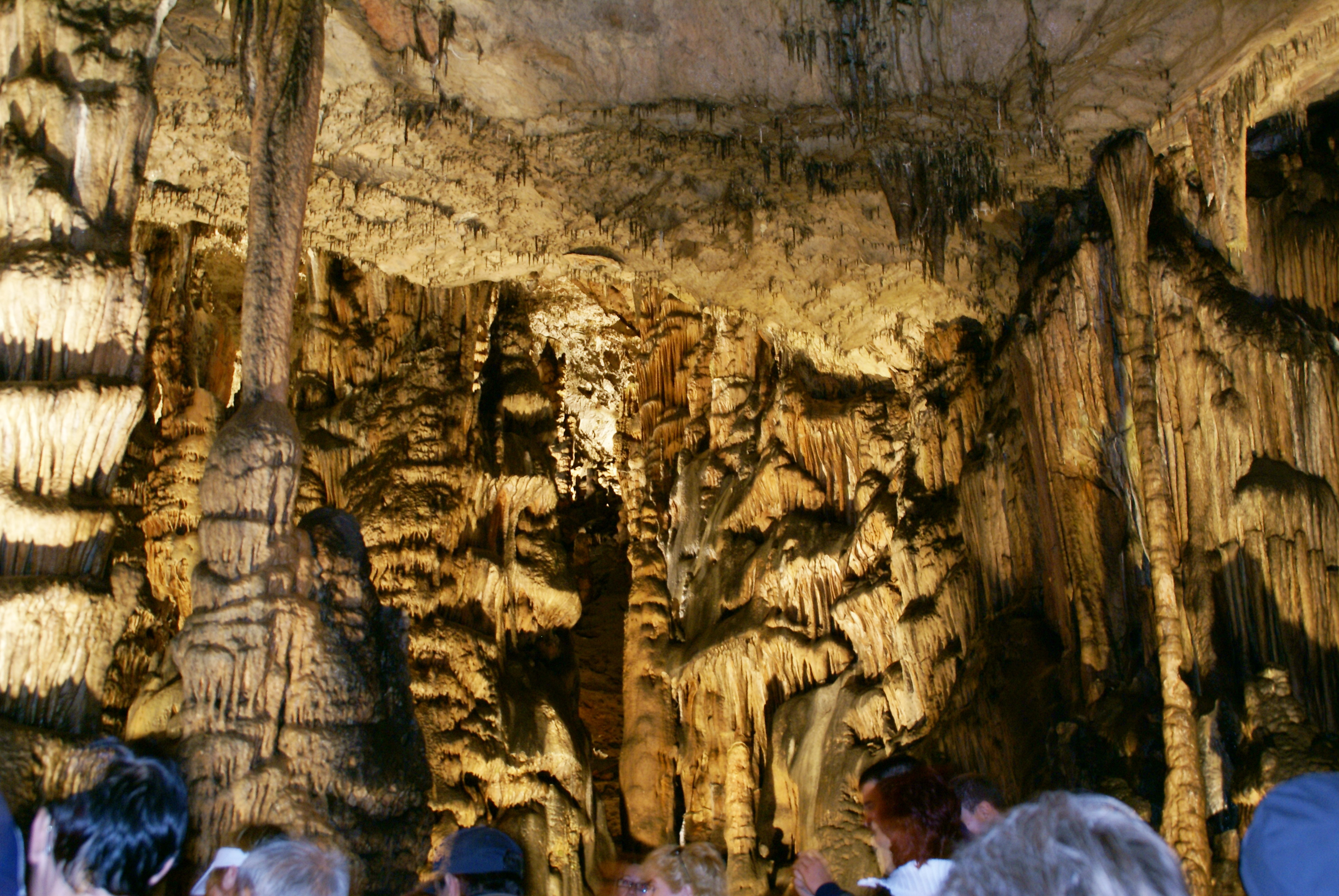
Extensive cave system with Neolithic traces.
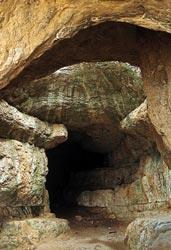
Szelim cave
Large karstic cave in northwestern Hungary