
Explore the Map
Szelim cave
47.5903° N, 18.4069° E
About
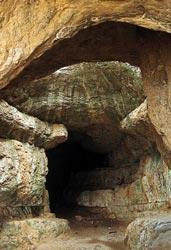
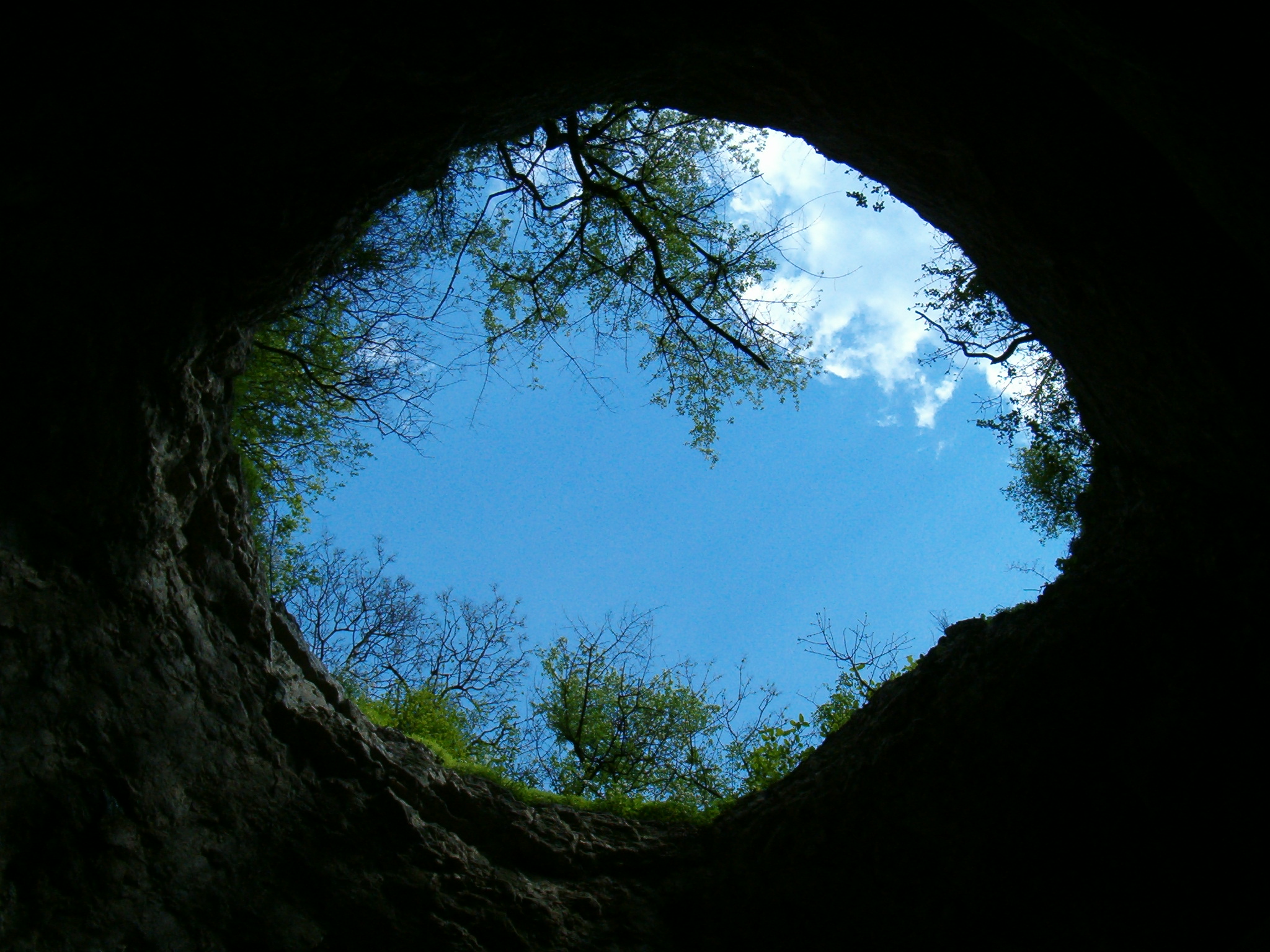
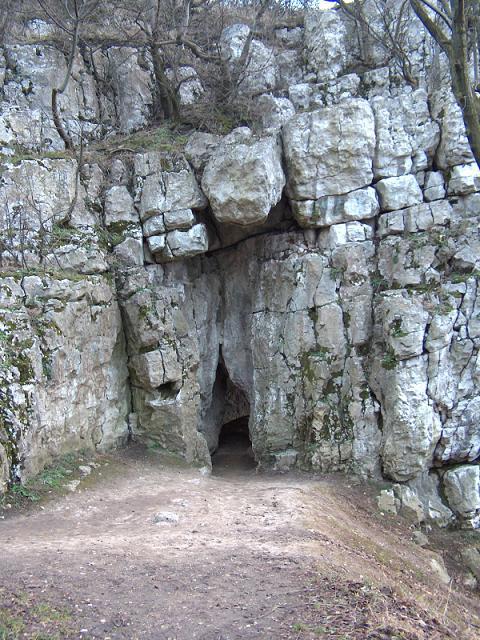
The Szelim Cave, situated in the Gerecse Mountains near Tatabánya, Hungary, is a significant archaeological site known for its large karstic structure. This natural shelter has served as a refuge for local villagers throughout history and has a notable entrance marked by a Turul memorial. The cave's archaeological importance is underscored by the discovery of Mousterian artefacts and stone tools dating back to the Upper Paleolithic period, indicating human occupation as early as 200,000 years BP. Additionally, remains from the era of Turkish invasions in the Early Modern Period have also been found. The site is protected as a natural national asset, reflecting its cultural and historical significance.
Gallery
Explore photographs of ancient structures, artifacts, and archaeological excavations
Historical Timeline
Journey through time and discover key events in this site's history
Mousterian Occupation
200,000 years BP
Turkish Invasions
1500 CE – 1800 CE
Archaeological Features
Unique architectural and cultural elements found at this historical site
Domestic and Habitation Structures
Environmental and Natural Features
Food Production and Processing Features
Frequently Asked Questions
Plan Your Visit
Tours, travel arrangements, and practical information


More Sites in Hungary
Tabán ruins
Roman burgus and medieval cellars, Tabán (Budapest)
Bathory Cave
Geothermally formed limestone cave with passages.
Old Village of Hollókő and its Surroundings
<p>Hollokö is an outstanding example of a deliberately preserved traditional settlement. This village, which developed mainly during the 17th and 18th…
Százhalombatta-Földvár
Bronze Age Vatya tell on the Danube, Hungary
Early Christian Necropolis of Pécs (Sopianae)
<p>In the 4th century, a remarkable series of decorated tombs were constructed in the cemetery of the Roman provincial town of Sopianae (modern Pécs). These…
Aquincum
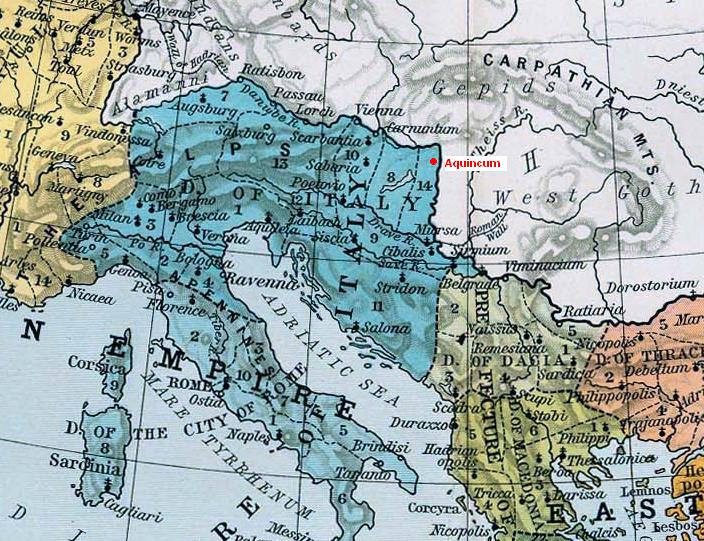
Ancient Roman city with extensive ruins