
Explore the Map
Baradla cave
48.4667° N, 20.5000° E
About
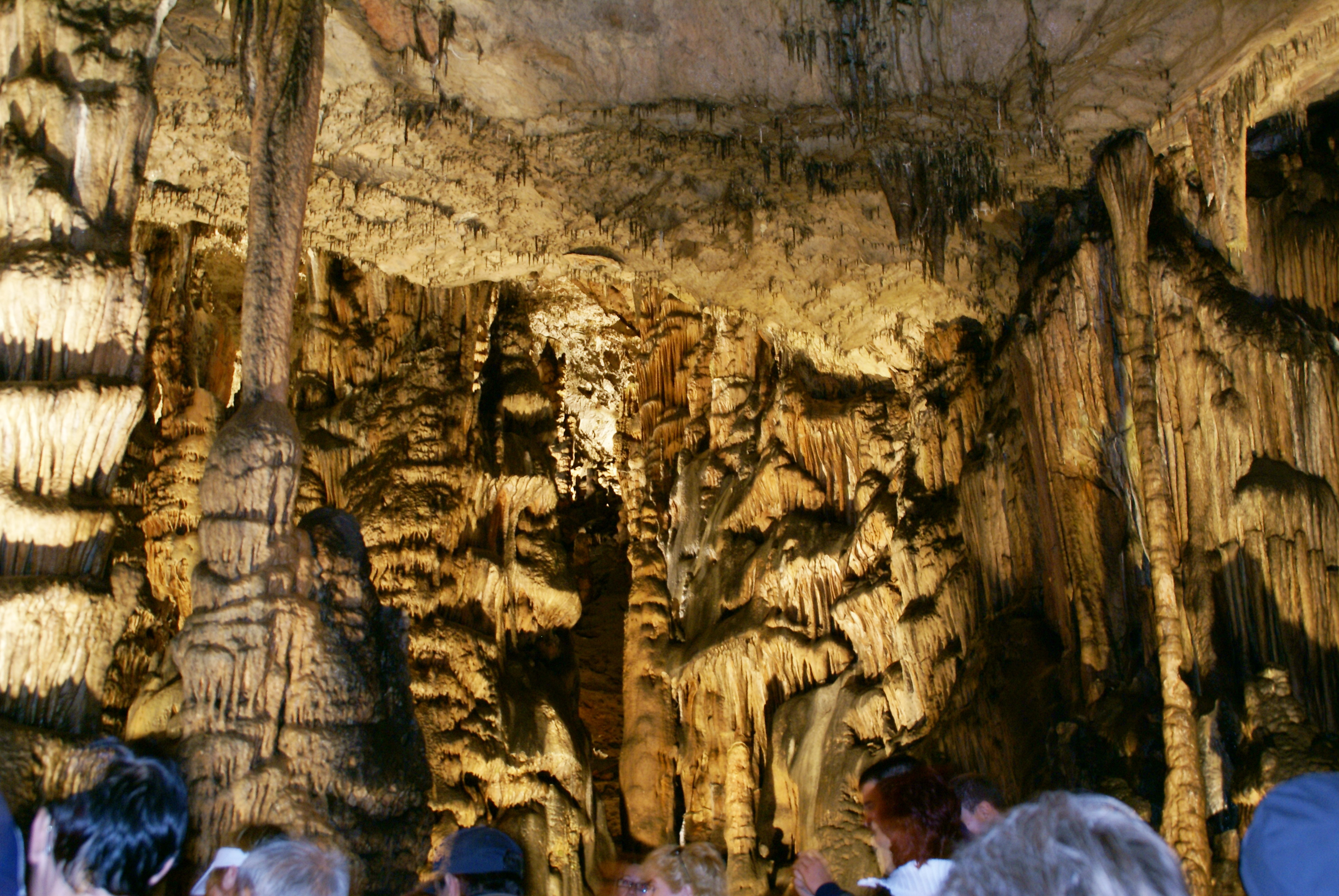
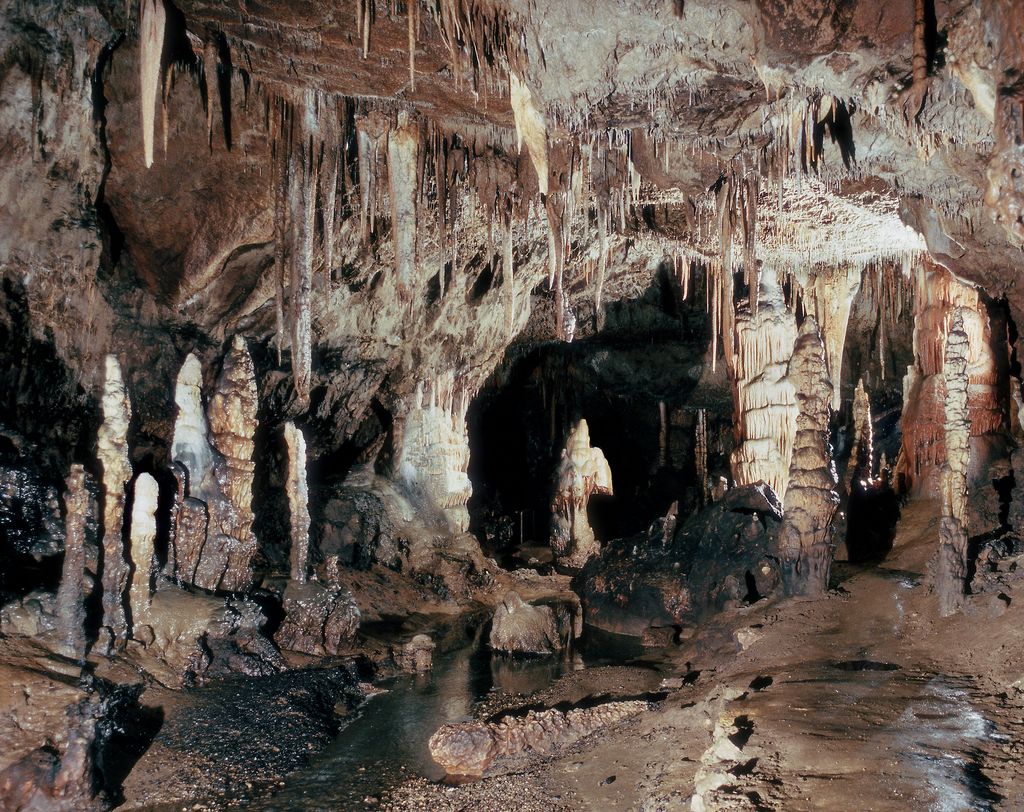
The Baradla-Domica cave system, located in northern Hungary, is an extensive network of caves stretching over 25.5 km. Known for its ornate speleothems, the caves have been a site of human interest for centuries. Archaeological evidence indicates traces of Neolithic occupation, showcasing the long history of human interaction with this natural wonder. The cave system's natural entrance is situated at Aggtelek, featuring a main channel approximately 7 km long with impressive stalactites and stalagmites, including the world's largest known stalagmite at 37.2 meters. The site is also home to diverse troglodyte species, contributing to its ecological significance. Recognized for its geological and archaeological importance, the Baradla-Domica caves are a UNESCO World Heritage Site, attracting numerous visitors annually.
Gallery
Explore photographs of ancient structures, artifacts, and archaeological excavations
Historical Timeline
Journey through time and discover key events in this site's history
Neolithic occupation
8,000 BCE – 3,000 BCE
Archaeological Features
Unique architectural and cultural elements found at this historical site
Environmental and Natural Features
Frequently Asked Questions
Plan Your Visit
Tours, travel arrangements, and practical information
More Sites in Hungary
Bathory Cave
Geothermally formed limestone cave with passages.
Tabán ruins
Roman burgus and medieval cellars, Tabán (Budapest)
Százhalombatta-Földvár
Bronze Age Vatya tell on the Danube, Hungary
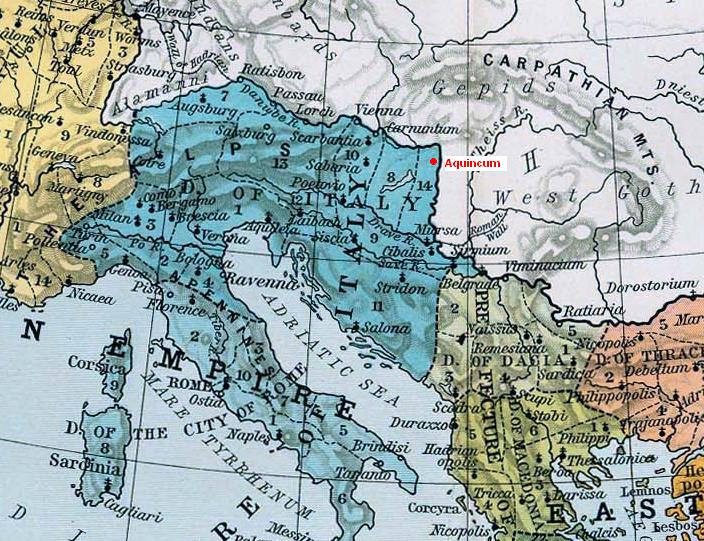
Aquincum
Ancient Roman city with extensive ruins
Budapest, including the Banks of the Danube, the Buda Castle Quarter and Andrássy Avenue
<p>This site has the remains of monuments such as the Roman city of Aquincum and the Gothic castle of Buda, which have had a considerable influence on the…
Early Christian Necropolis of Pécs (Sopianae)
<p>In the 4th century, a remarkable series of decorated tombs were constructed in the cemetery of the Roman provincial town of Sopianae (modern Pécs). These…