
Explore the Map
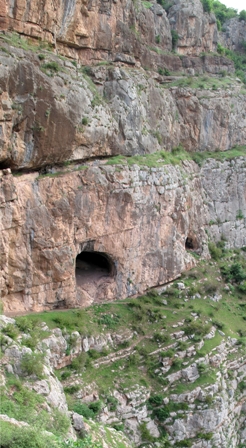
Darband Cave
36.8356° N, 49.6589° E
About
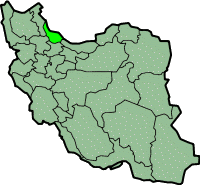
Darband Cave, located in Gilan Province, Iran, is an important archaeological site from the Lower Paleolithic period, offering insights into early human and animal interactions. The site, positioned on the northern side of a canyon tributary to the Siahrud River, served primarily as a bear den during the Middle Pleistocene. Archaeological excavations have uncovered sparse stone artifacts alongside numerous bear remains, indicating the cave's primary use by bears rather than humans. The lack of clear cut marks on the bones suggests that the accumulation of bear remains happened through natural processes rather than human activity. This site contributes to our understanding of prehistoric human presence in Iran and their interaction with the environment, highlighting the transitional nature of early human habitation in natural shelters like caves.
Gallery
Explore photographs of ancient structures, artifacts, and archaeological excavations
Historical Timeline
Journey through time and discover key events in this site's history
Bear Den Occupation
300,000 BCE - 50,000 years ago
Archaeological Features
Unique architectural and cultural elements found at this historical site
Domestic and Habitation Structures
Environmental and Natural Features
Frequently Asked Questions
Plan Your Visit
Tours, travel arrangements, and practical information
More Sites in Iran
Qaleh Kurd
Prehistoric cave site with human activity evidence
Wezmeh
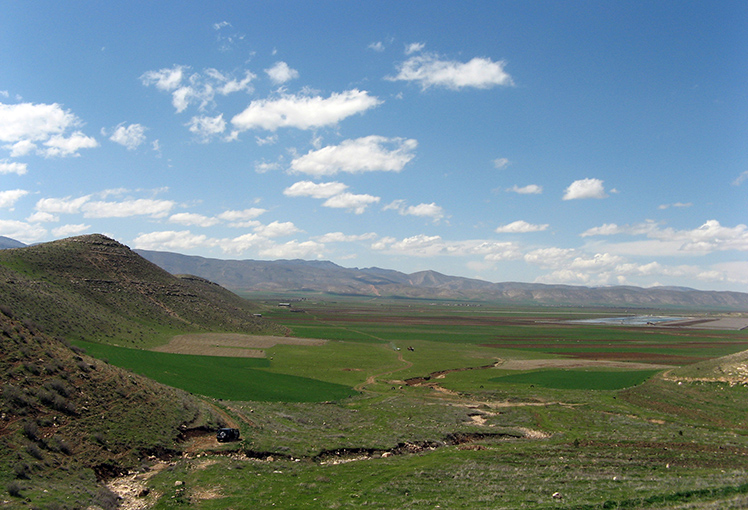
Pleistocene cave site in western Iran
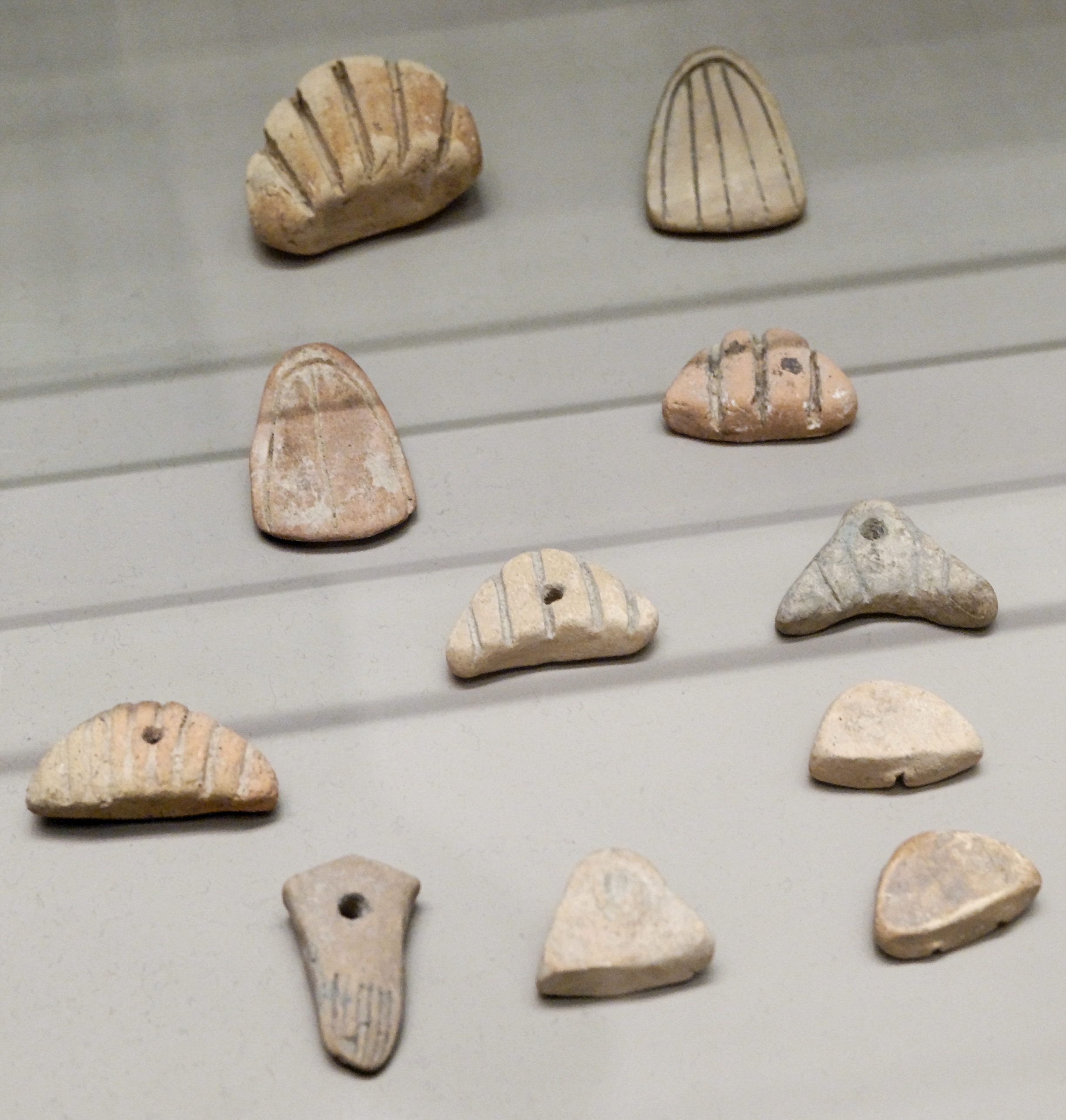
Tepe Sofalin
Ancient mound with Proto-Elamite artifacts
Teppe Zagheh
Early urban settlement with painted buildings.
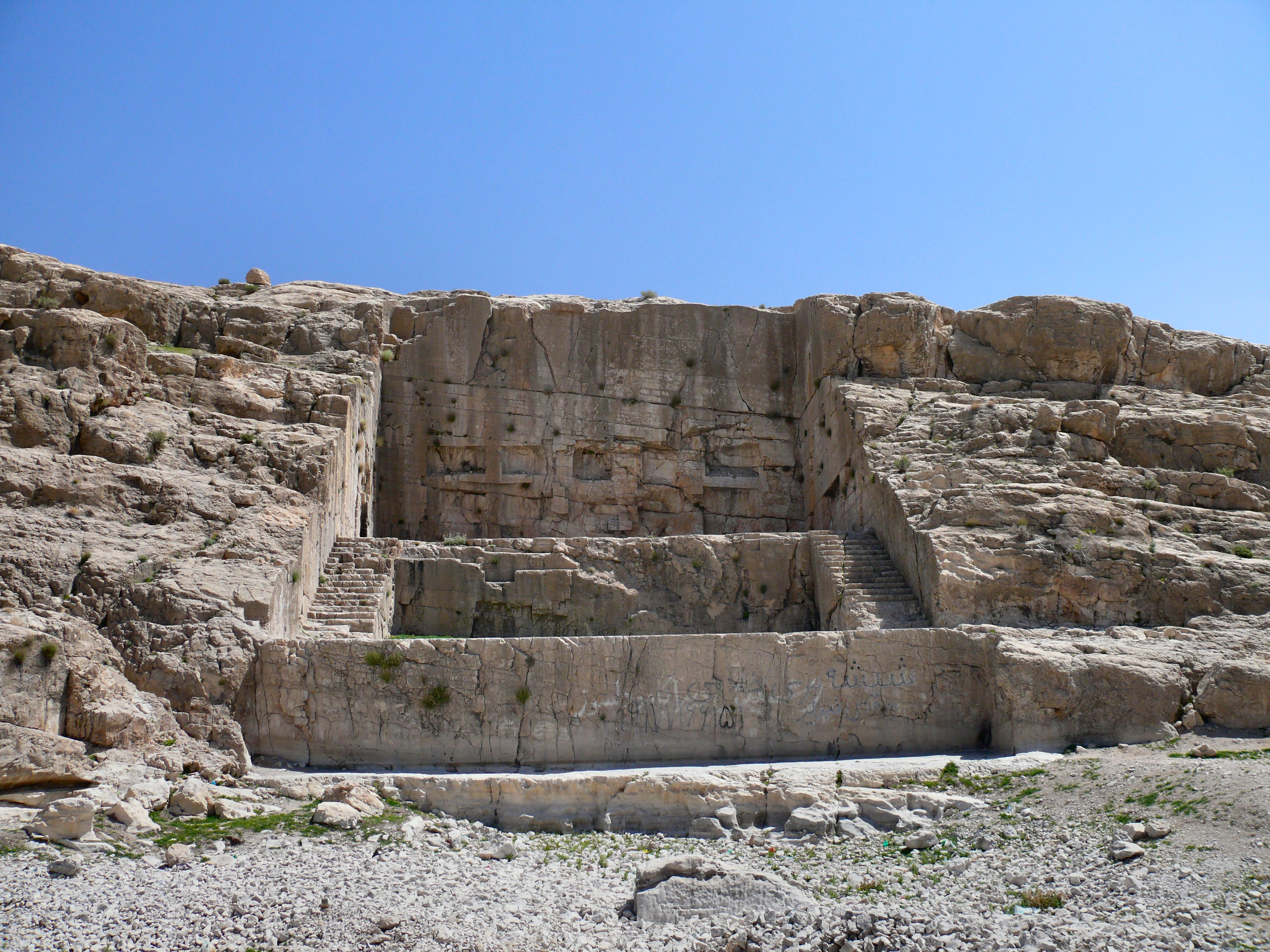
Qadamgah (ancient site)
Achaemenid rock-cut monument with terraces
Chogha Golan
Aceramic Neolithic site with cultural deposits