
Explore the Map
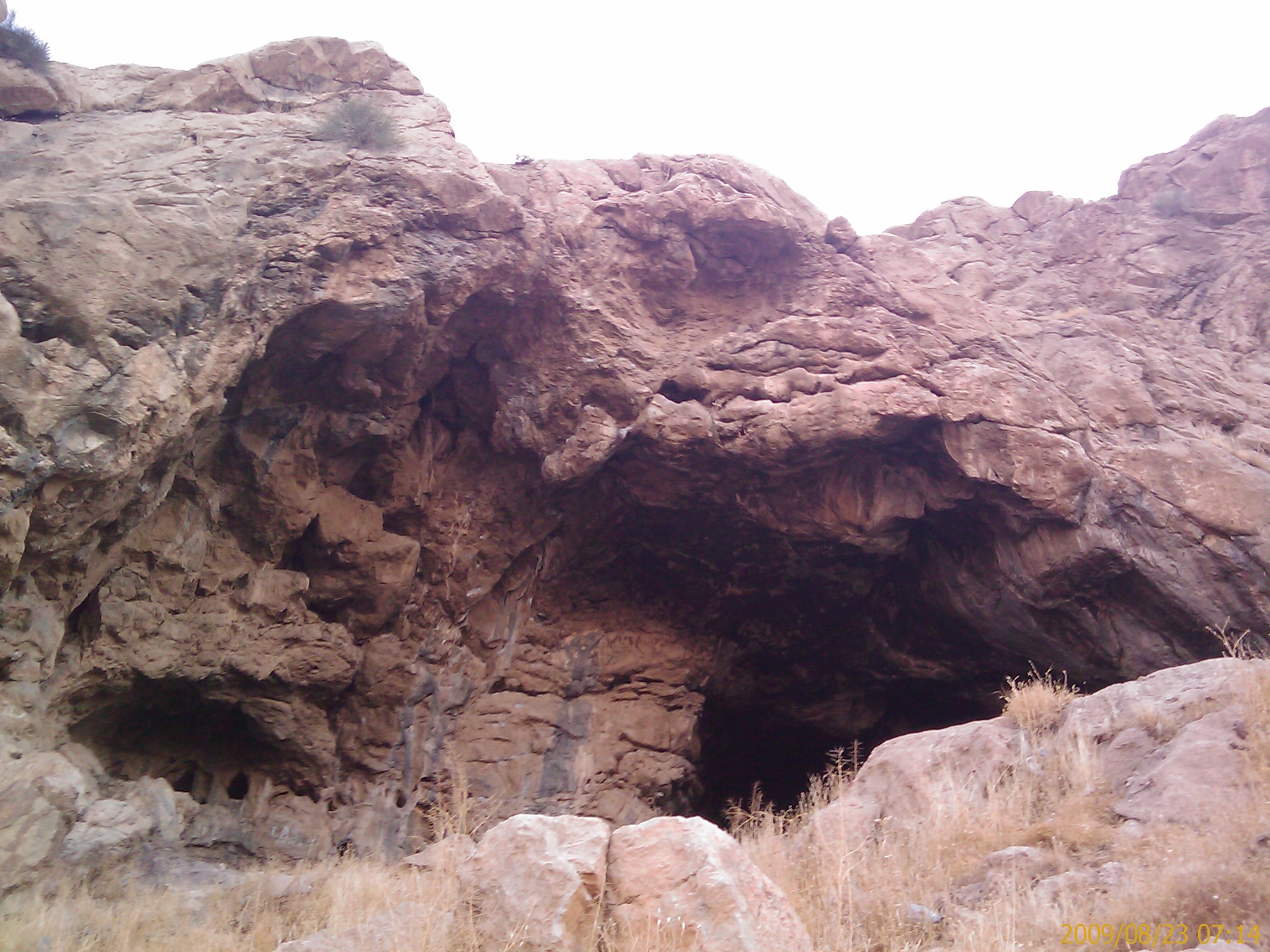
Do-Ashkaft Cave
34.4009° N, 47.1306° E
About
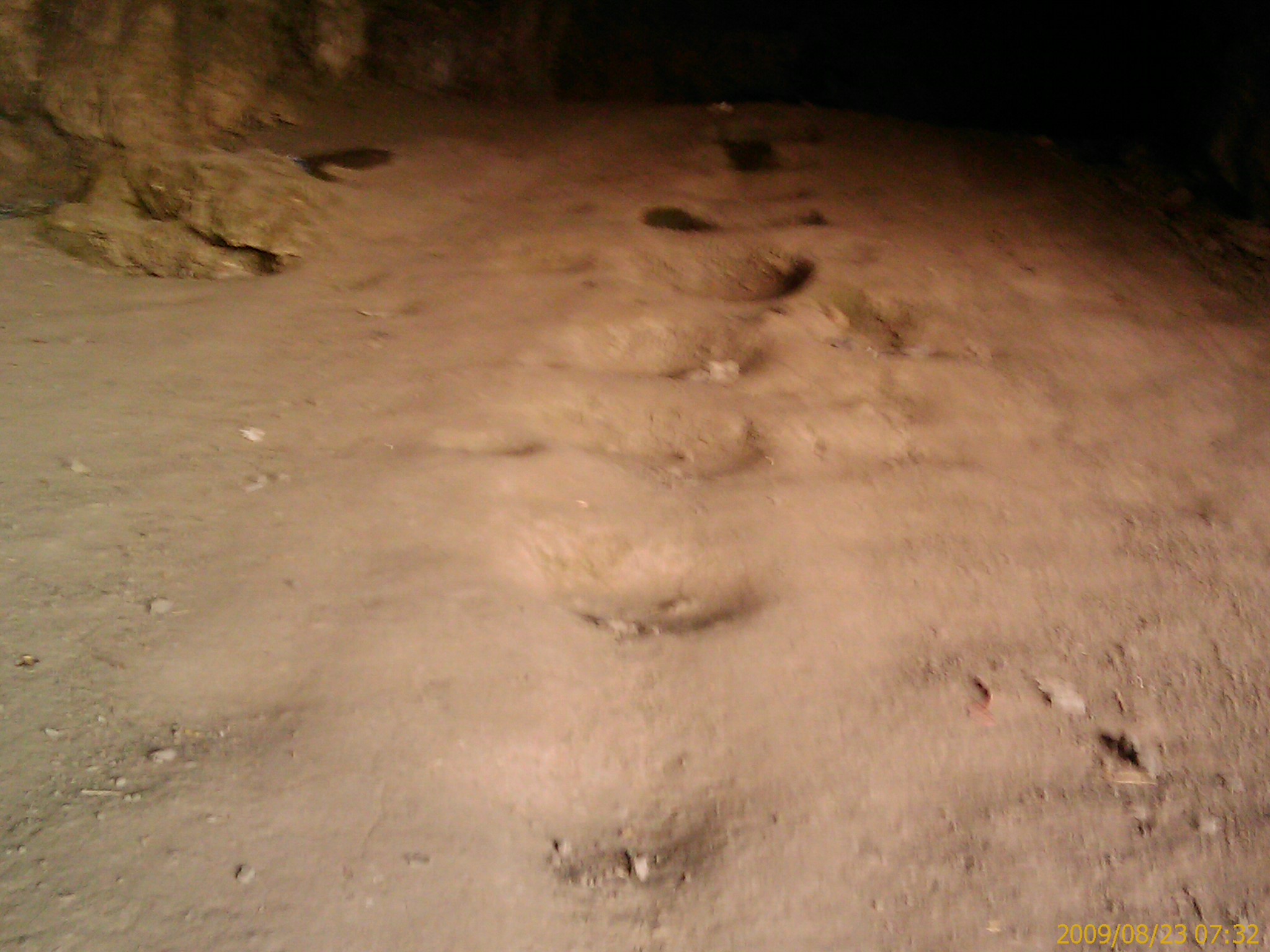
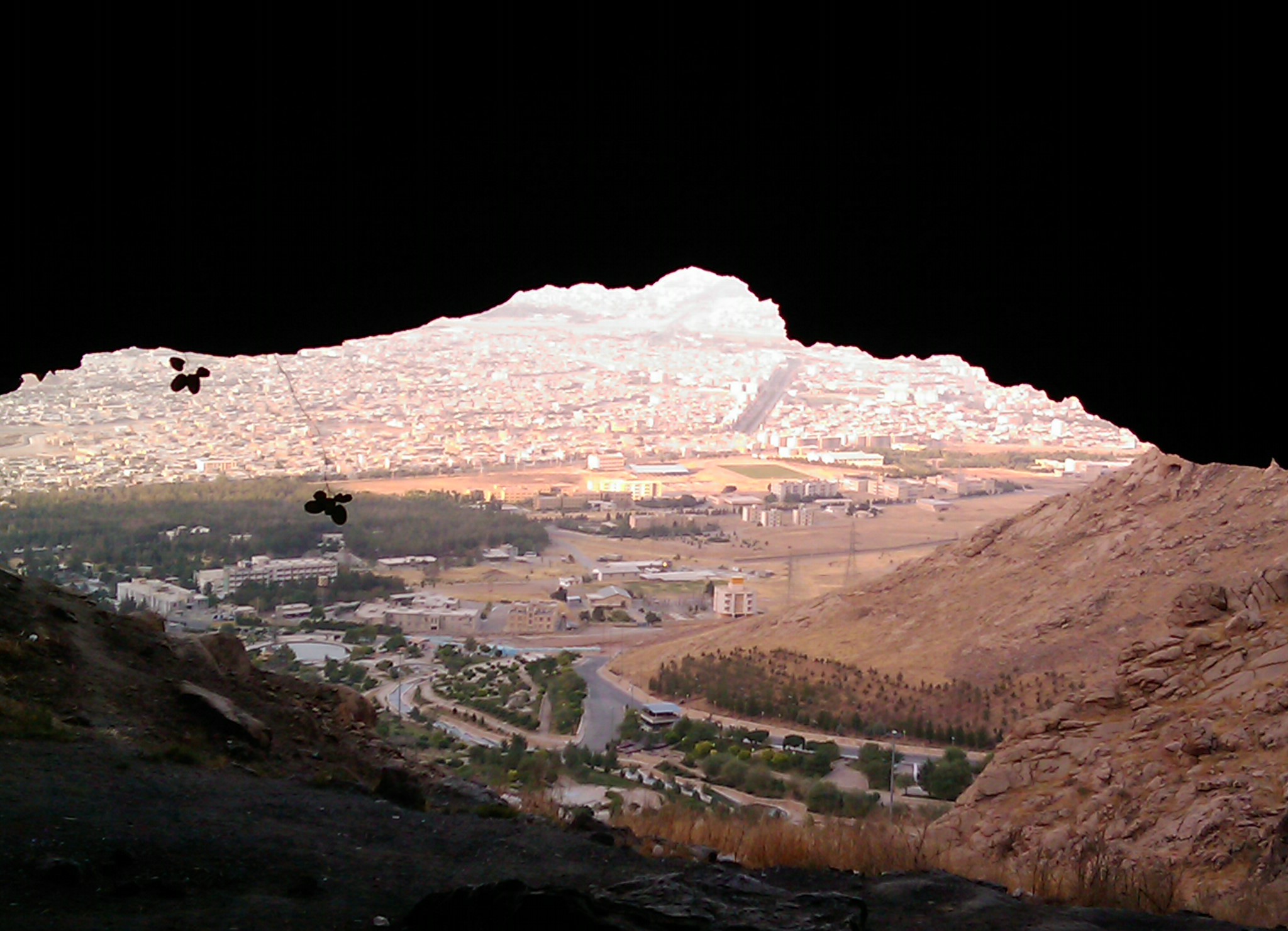
The Do-Ashkaft Cave, situated near Kermanshah, Iran, is an archaeologically significant Middle Paleolithic site. Its main chamber measures 23 meters deep and 15 meters wide, with evidence of water percolation affecting sediment deposition. The cave's entrance has yielded numerous Middle Paleolithic artifacts, including side-scrapers and a Mousterian point, alongside animal bones indicative of human activity. The bones suggest the presence of Neanderthal occupants who utilized local raw materials for tool-making. A later survey expanded the understanding of the area's prehistory, identifying Upper Paleolithic and subsequent lithic assemblages. The site's archaeological significance is enhanced by its contribution to understanding the paleo-environmental sequence from the late Middle Pleistocene to the Holocene, providing valuable insights into prehistoric human behavior and adaptation in the region.
Gallery
Explore photographs of ancient structures, artifacts, and archaeological excavations
Historical Timeline
Journey through time and discover key events in this site's history
Mousterian Occupation
300,000 years ago - 50,000 years ago
Archaeological Features
Unique architectural and cultural elements found at this historical site
Domestic and Habitation Structures
Environmental and Natural Features
Frequently Asked Questions
Plan Your Visit
Tours, travel arrangements, and practical information
More Sites in Iran
Qaleh Kurd
Prehistoric cave site with human activity evidence
Wezmeh
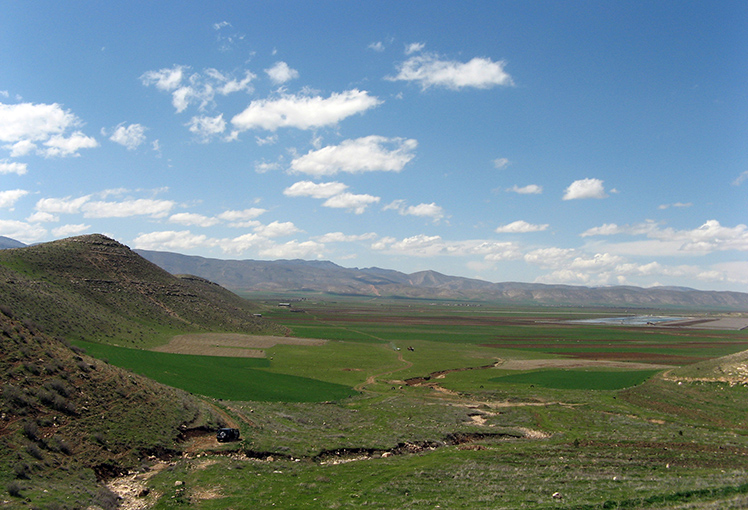
Pleistocene cave site in western Iran
Chogha Bonut
Oldest lowland village in southwestern Iran.
Tepe Sofalin
Ancient mound with Proto-Elamite artifacts
Tepe Hissar
Prehistoric site with rich cultural artifacts
Teppe Zagheh
Early urban settlement with painted buildings.