
Explore the Map
Warwasi
34.4594° N, 47.1050° E
About
Warwasi is a significant Paleolithic rockshelter site located north of Kermanshah in western Iran. Excavations by Bruce Howe under the direction of Robert Braidwood in the 1960s revealed a rich sequence of archaeological deposits ranging from the Middle Paleolithic to the late Epipaleolithic period. The site provides valuable insights into human occupation and activity over a vast time span, showcasing the transition in tool technology and subsistence strategies. As a natural rock shelter, Warwasi offers a unique perspective into the environmental adaptations and cultural developments of prehistoric communities in the region. The findings from Warwasi contribute significantly to our understanding of early human history in the Middle East, highlighting the region's role in the broader narrative of human evolution and migration.
Historical Timeline
Journey through time and discover key events in this site's history
Late Epipaleolithic Occupation
10,000 BCE – 8,000 BCE
Middle Paleolithic Occupation
300,000 years ago – 50,000 years ago
Archaeological Features
Unique architectural and cultural elements found at this historical site
Environmental and Natural Features
Frequently Asked Questions
Plan Your Visit
Tours, travel arrangements, and practical information
More Sites in Iran
Qaleh Kurd
Prehistoric cave site with human activity evidence
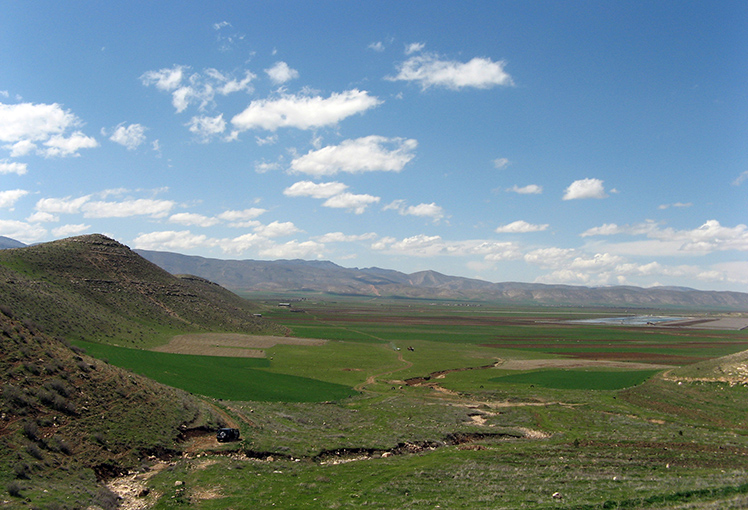
Wezmeh
Pleistocene cave site in western Iran
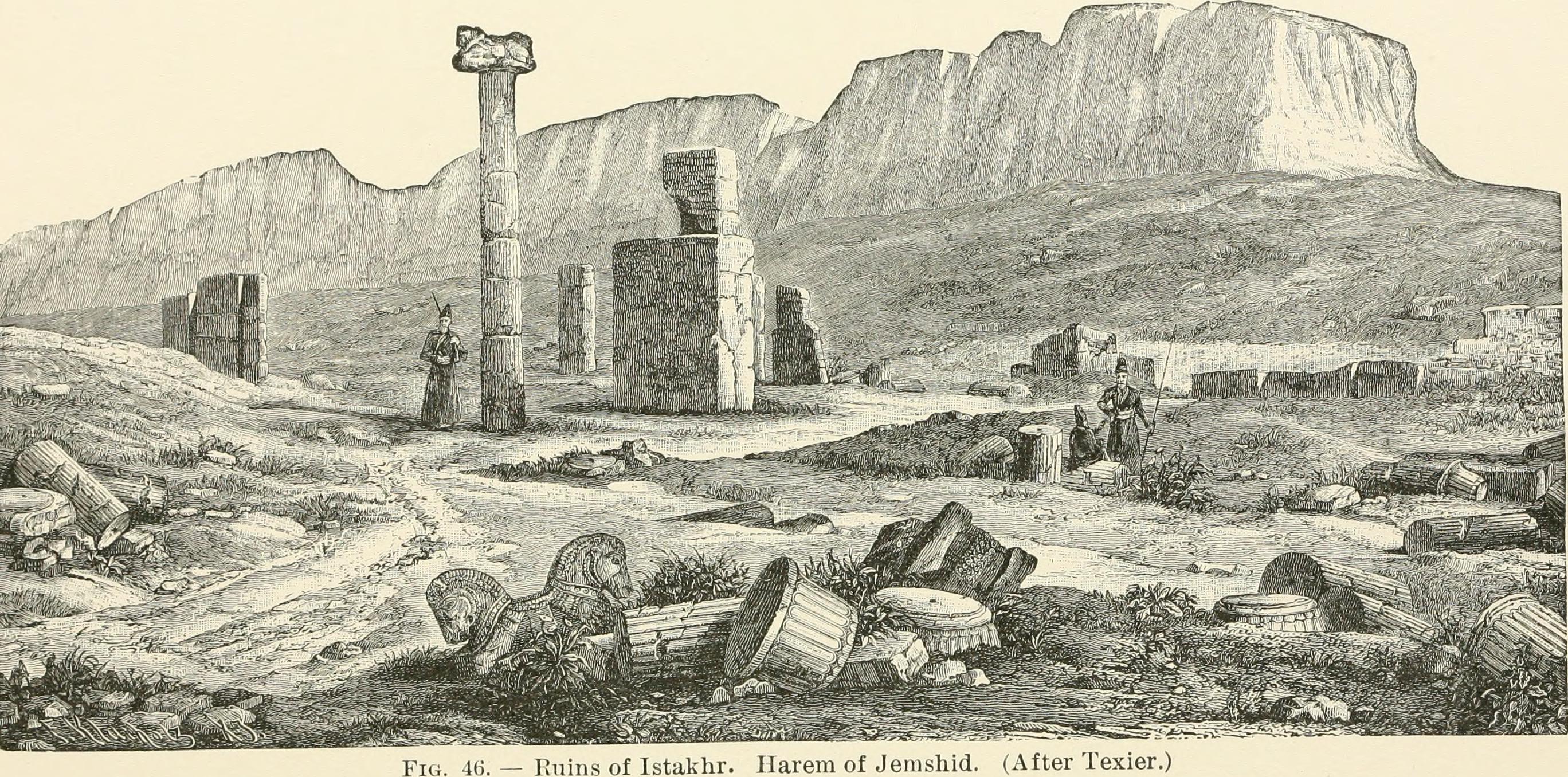
Istakhr
Ancient city with religious and defensive structures.
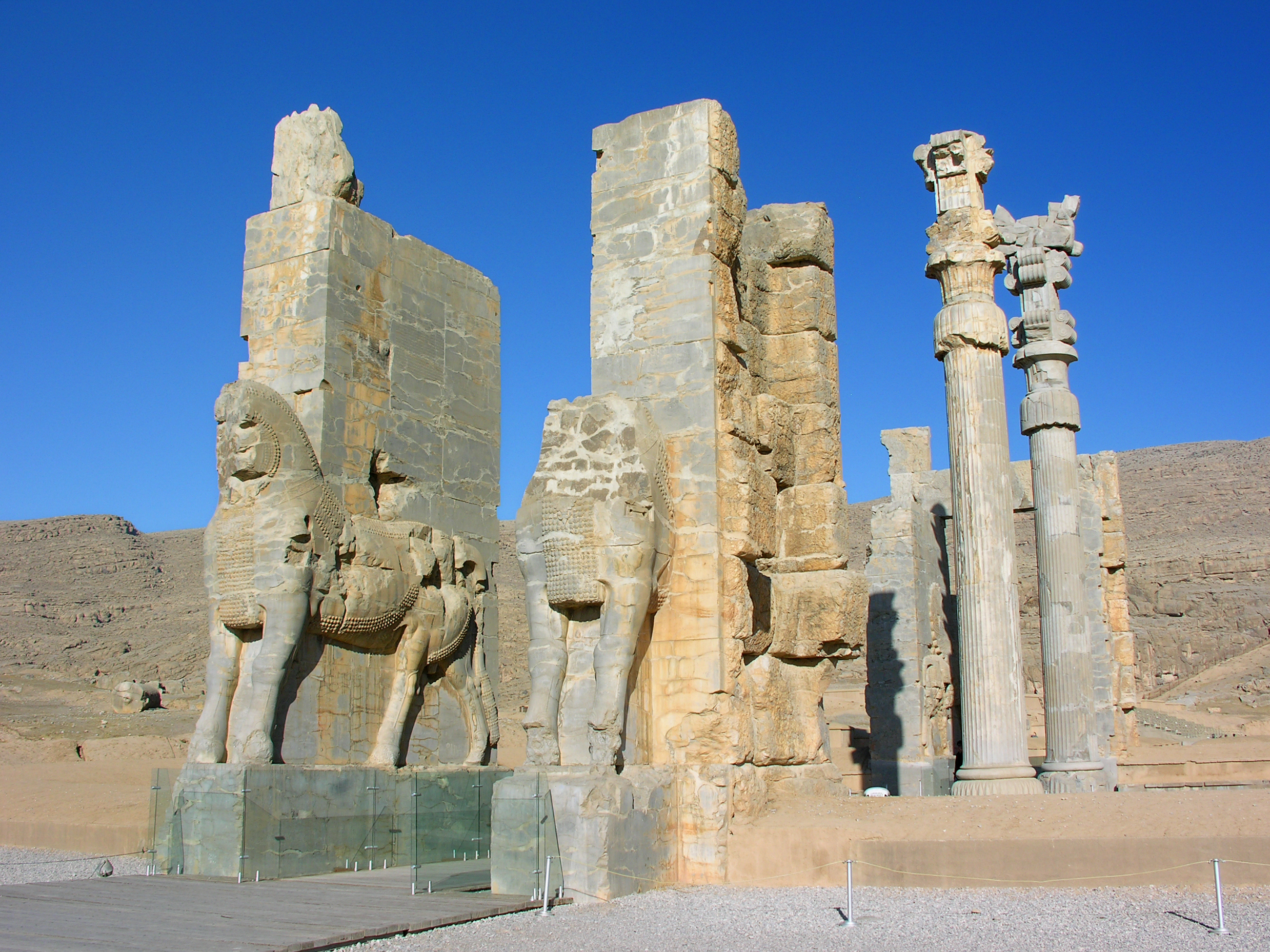
Rahmatabad Mound
Ancient Chalcolithic settlement with industrial features
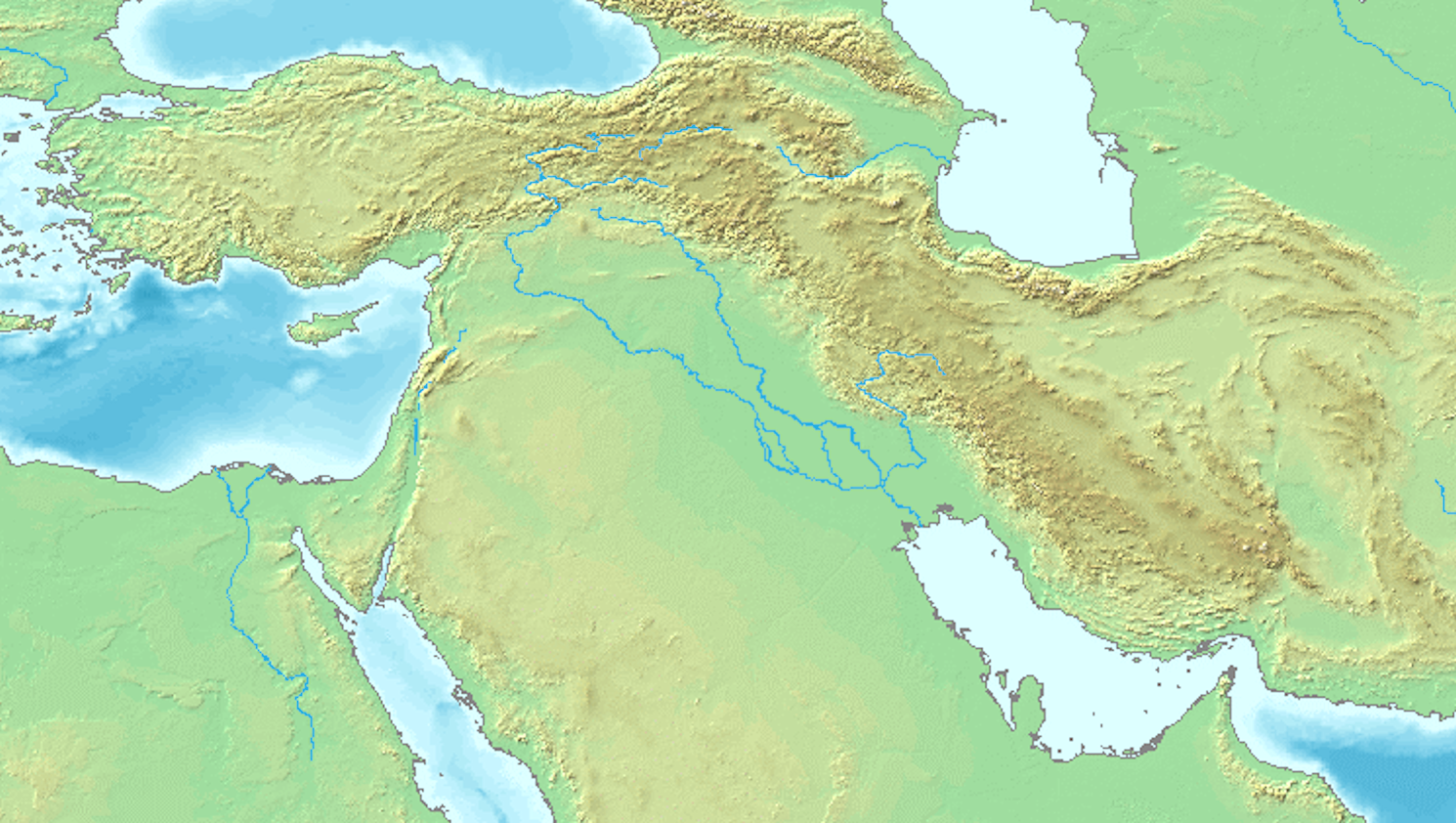
Teppe Zagheh
Early urban settlement with painted buildings.
Tappeh Berdankan
Sasanian site with diverse pottery artifacts.