
Explore the Map
Babylon
32.5425° N, 44.4211° E
About
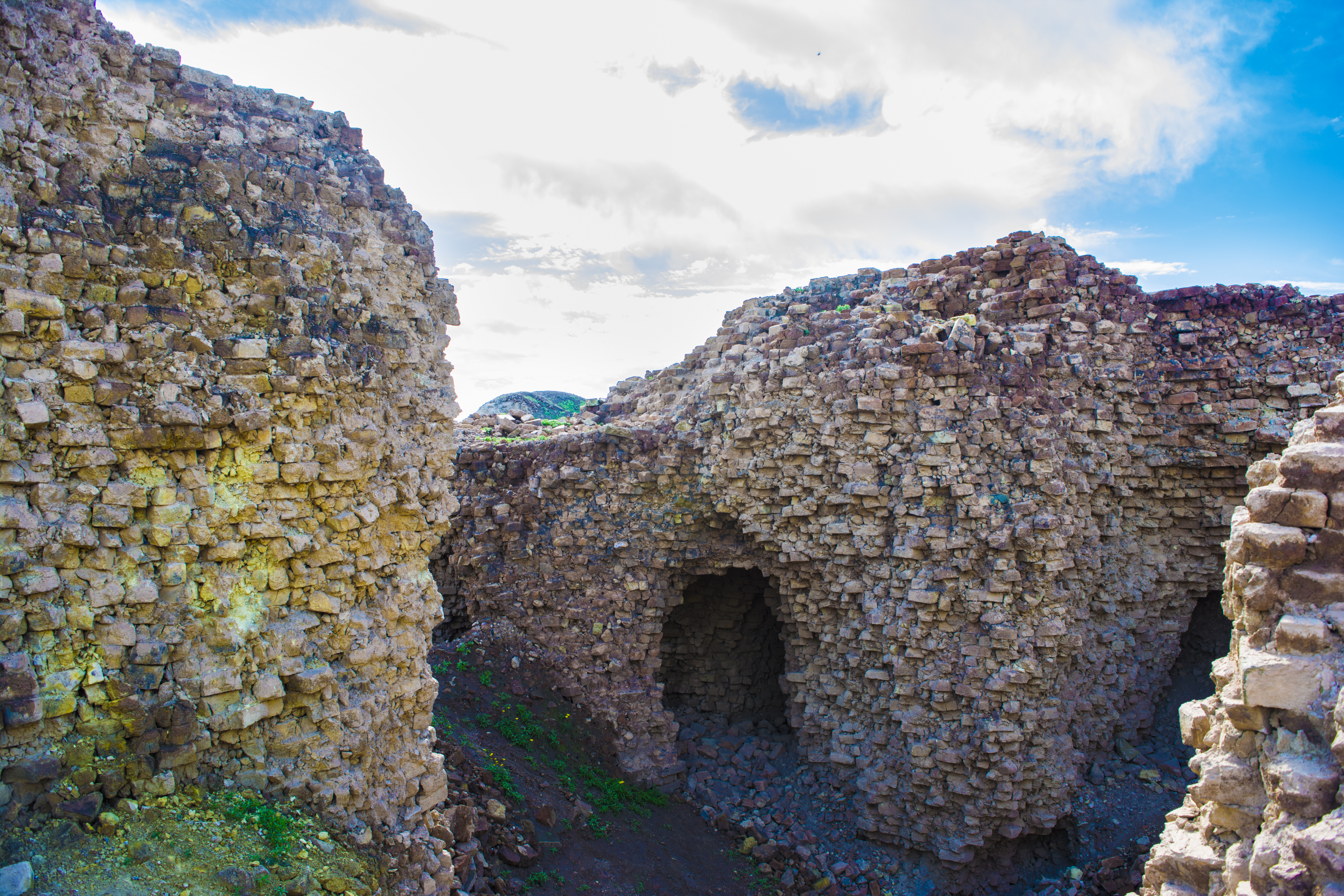
Babylon was a prominent ancient city located in southern Mesopotamia, near modern-day Hillah, Iraq. It served as the cultural and political center of the Akkadian-speaking region of Babylonia, and was the capital of several significant empires, including the Old Babylonian and Neo-Babylonian Empires. Known for its impressive defensive walls, temples, and the legendary Hanging Gardens, Babylon was a hub of architectural and cultural achievements. The city played a crucial role in the history of Mesopotamia, witnessing the reign of famous rulers such as Hammurabi and Nebuchadnezzar II. Despite its eventual decline during the Hellenistic period and subsequent changes in rule, Babylon's archaeological remains continue to provide insights into ancient urban planning, religious practices, and imperial power dynamics.
Gallery
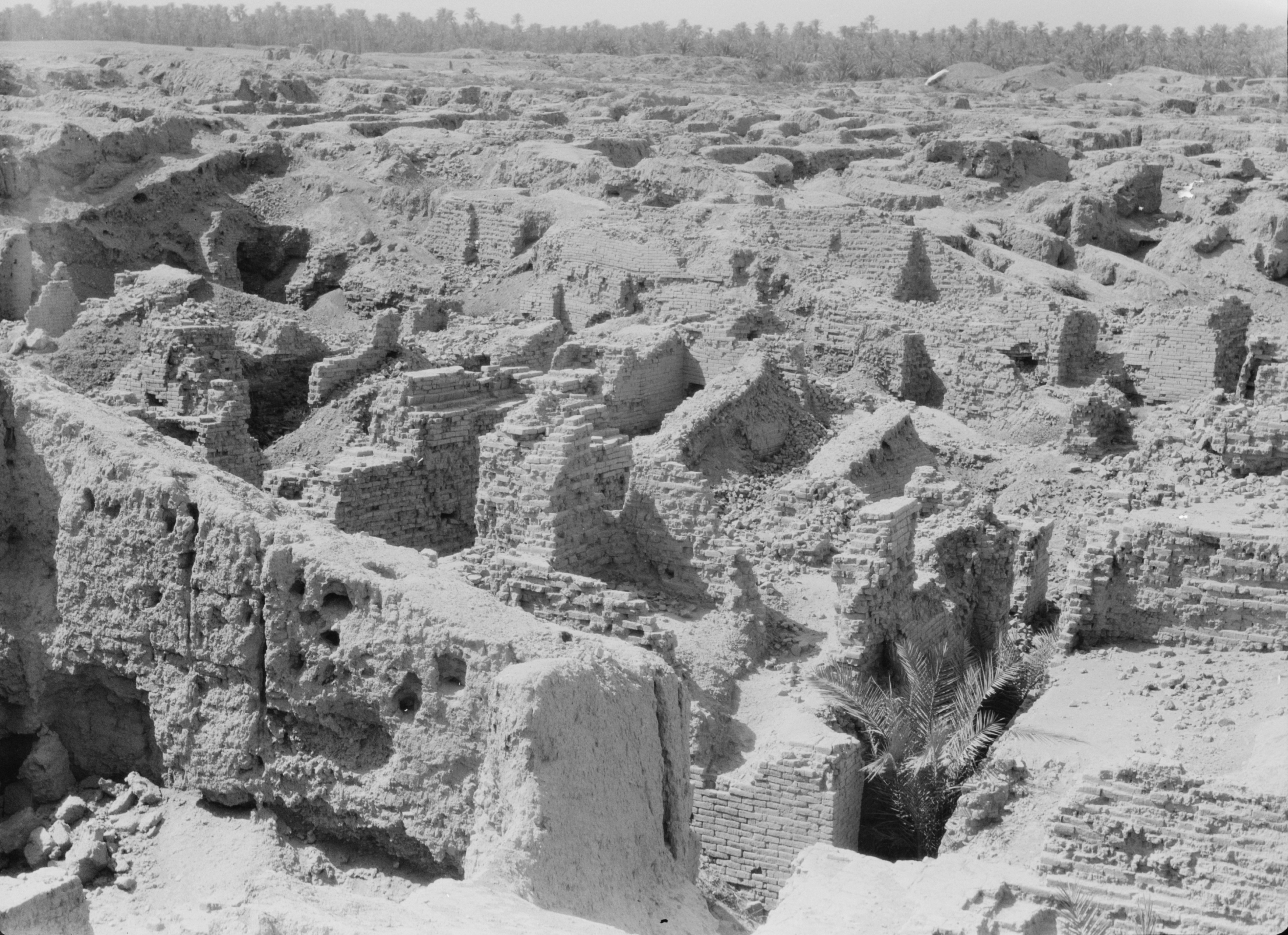
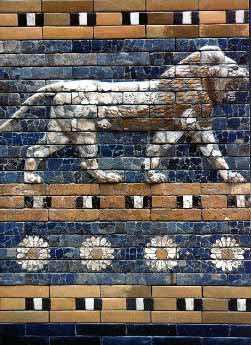
Explore photographs of ancient structures, artifacts, and archaeological excavations
Historical Timeline
Journey through time and discover key events in this site's history
Old Babylonian Empire
1792 BCE
Neo-Babylonian Empire
626 BCE
Fall to Achaemenid Empire
539 BCE
Alexander the Great's Rule
331 BCE
Hellenistic Decline
320 BCE
Last known habitation
11th century CE
Small town under Akkadian
2217–2193 BCE
Archaeological Features
Unique architectural and cultural elements found at this historical site
Defensive Structures
Religious and Ritual Structures
Artistic and Decorative Features
Domestic and Habitation Structures
Transportation and Communication Structures
Frequently Asked Questions
Plan Your Visit
Tours, travel arrangements, and practical information

More Sites in Iraq
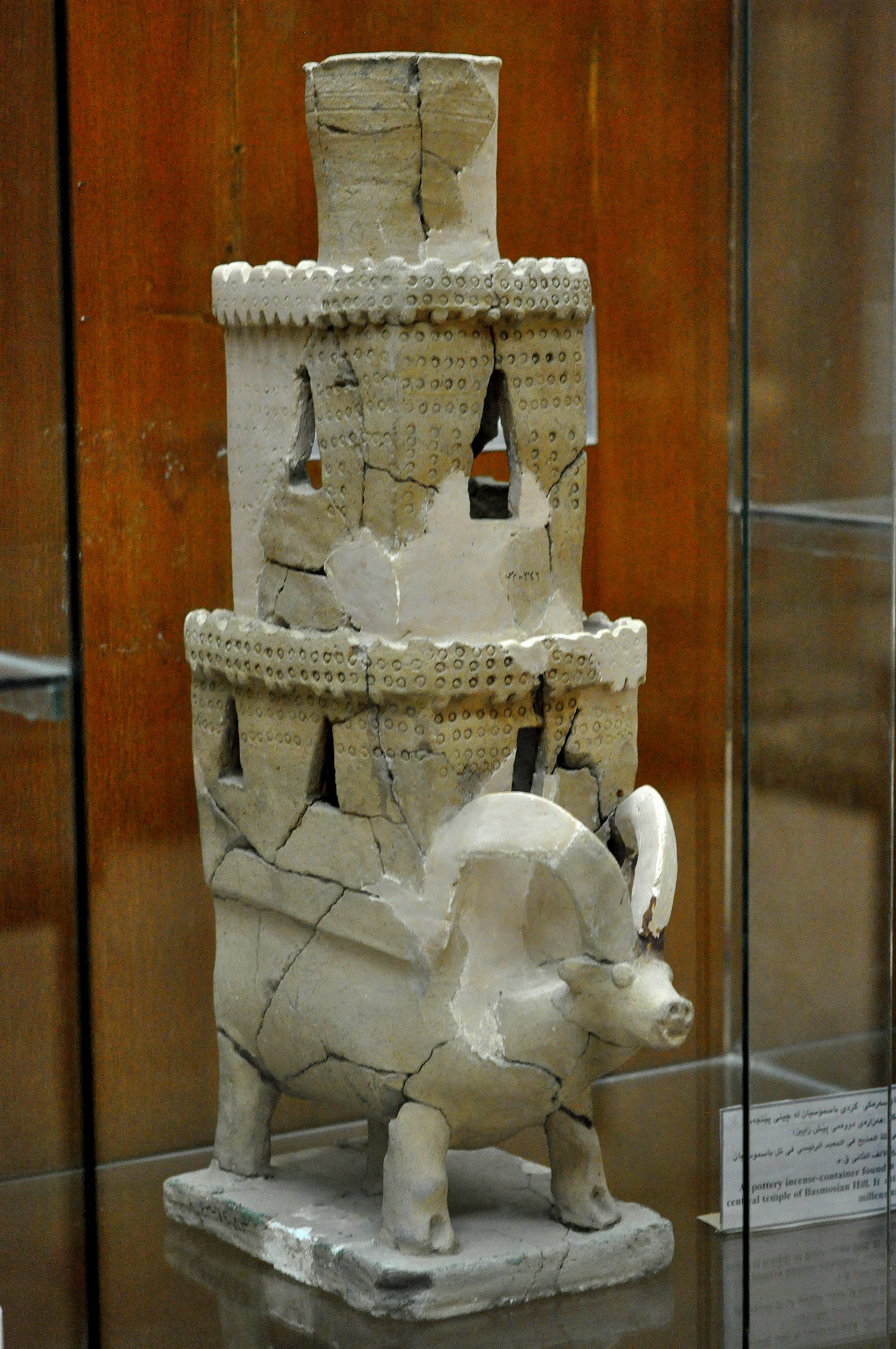
Tell Bazmusian
Large tell site with multi-period occupation.
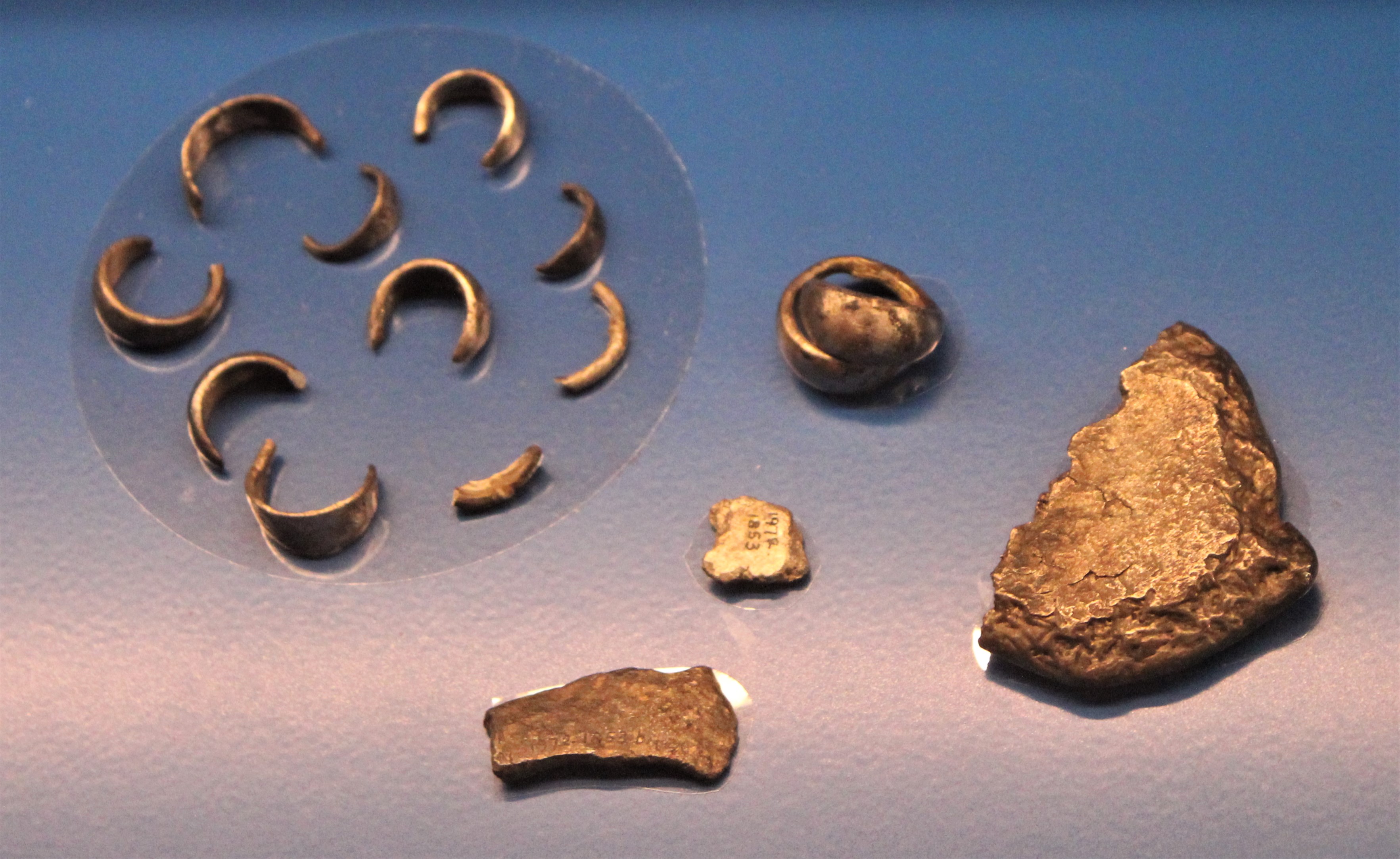
Tell Taya
Ancient hill city with fortifications and artifacts.
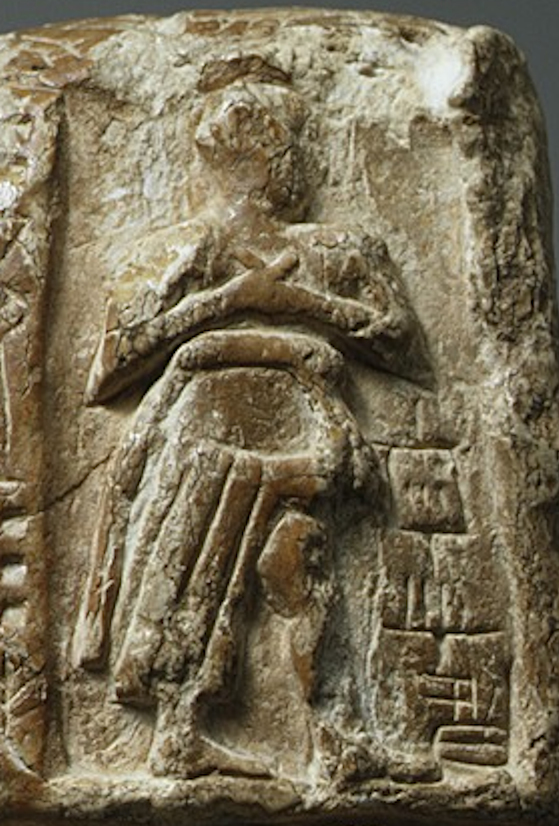
Larsa
Sumerian city-state and temple complex, Isin–Larsa period
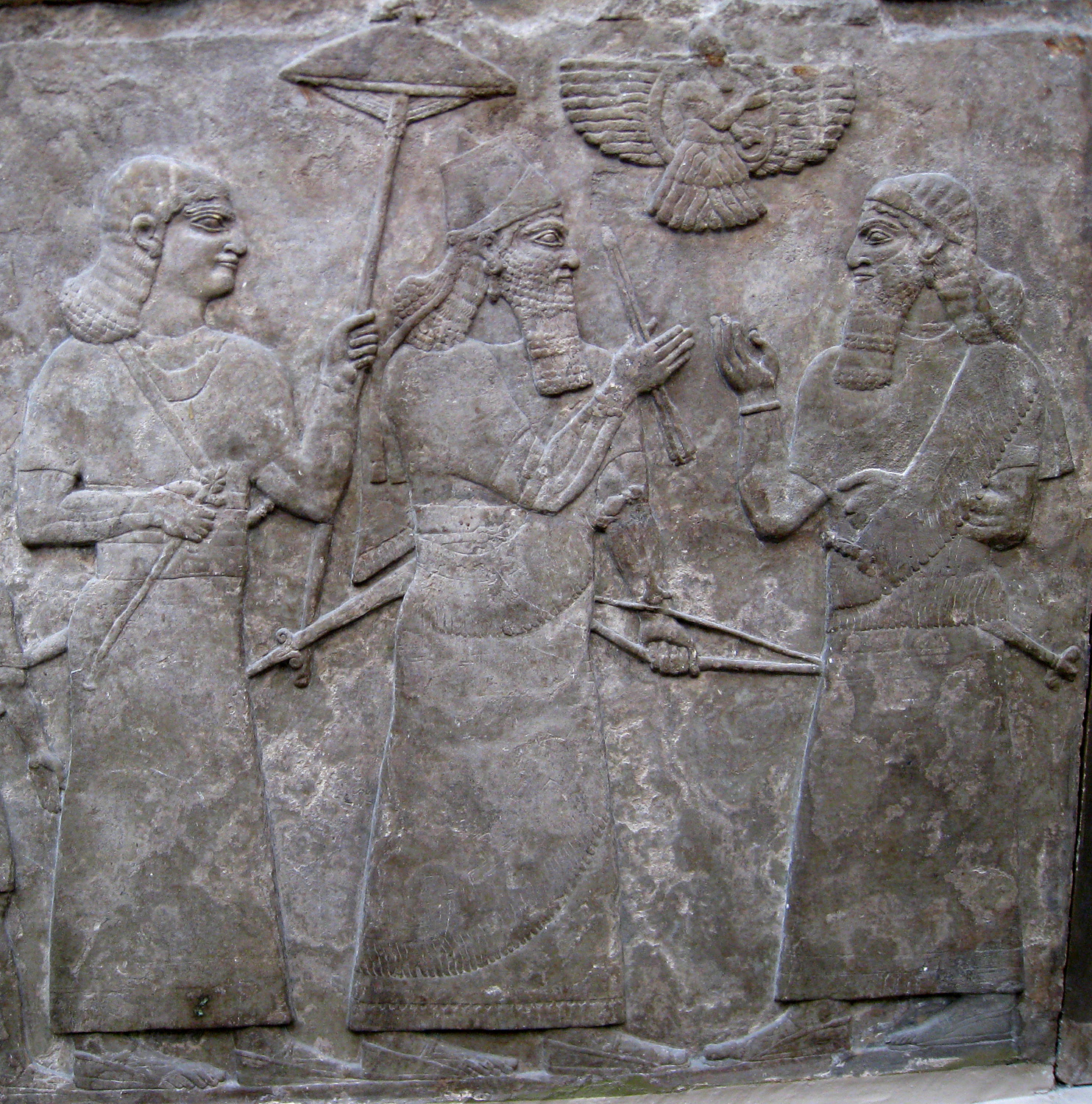
Assur
Ancient Assyrian city on the Tigris River
Tell al-Lahm
Oblong mound with city wall remnants
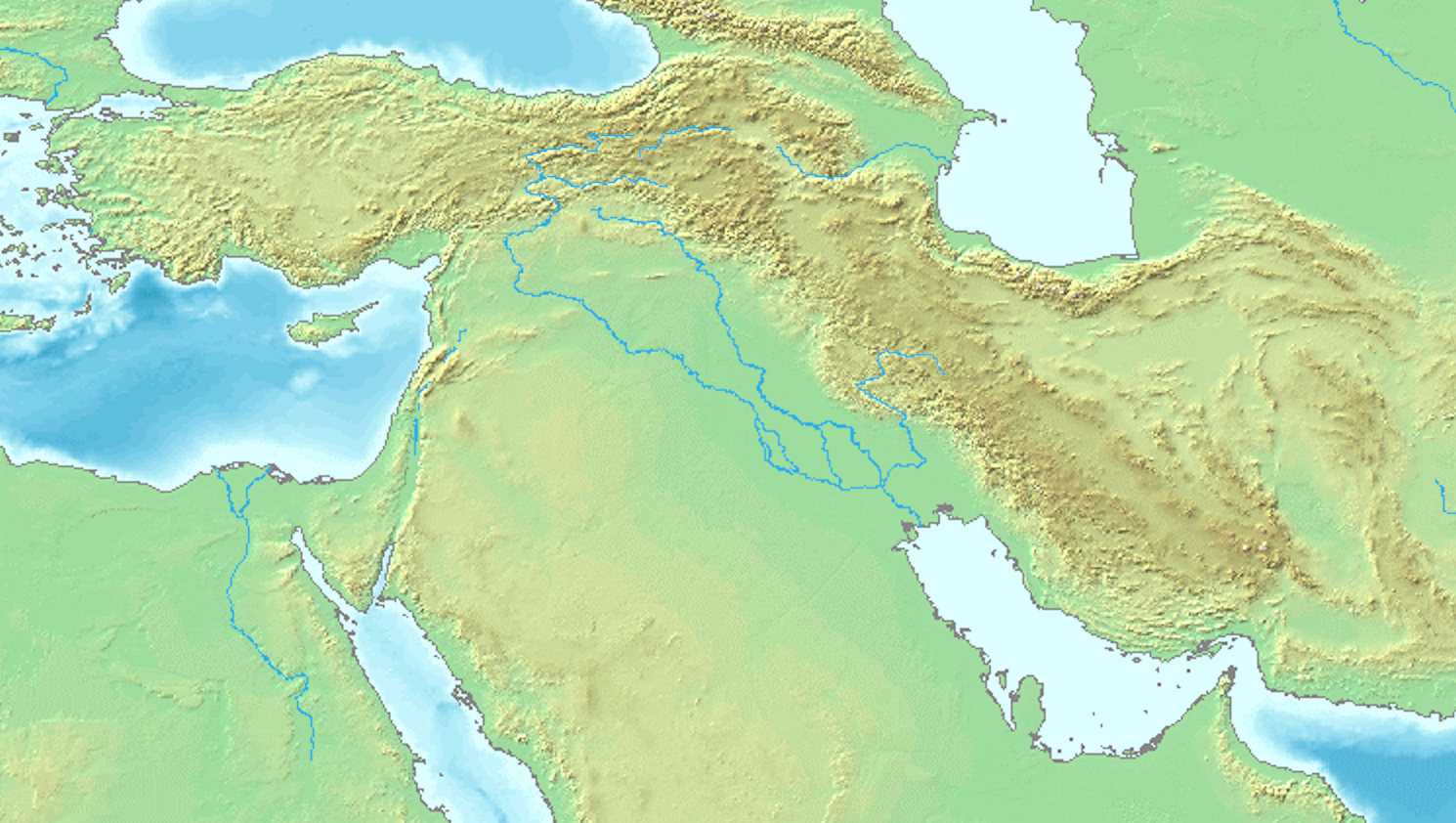
Tell al-Fakhar
Pottery mound with multi-period occupation.