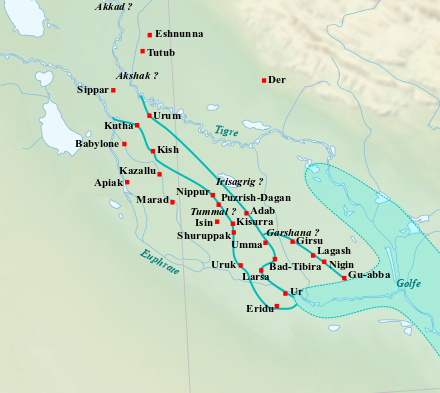
Explore the Map
Kutha
32.7600° N, 44.6129° E
About
Kutha, an ancient city located in present-day Iraq, was a significant settlement with a rich history spanning several millennia. Occupied from the Old Akkadian period to the Hellenistic period, it features prominently in various historical records. Notable for its temple dedicated to Meslamtaea, also known as Nergal, the city was a religious and cultural hub. The archaeological site comprises two mounds separated by an ancient canal bed, signifying its strategic placement along the Euphrates river. Kutha's significance is underscored by its mention in inscriptions by rulers such as Naram-Sin, Shulgi, Hammurabi, and Nebuchadnezzar II. The city was involved in pivotal historical events, including military conquests and administrative changes under different empires, reflecting its enduring importance in Mesopotamian civilization.
Gallery
Explore photographs of ancient structures, artifacts, and archaeological excavations
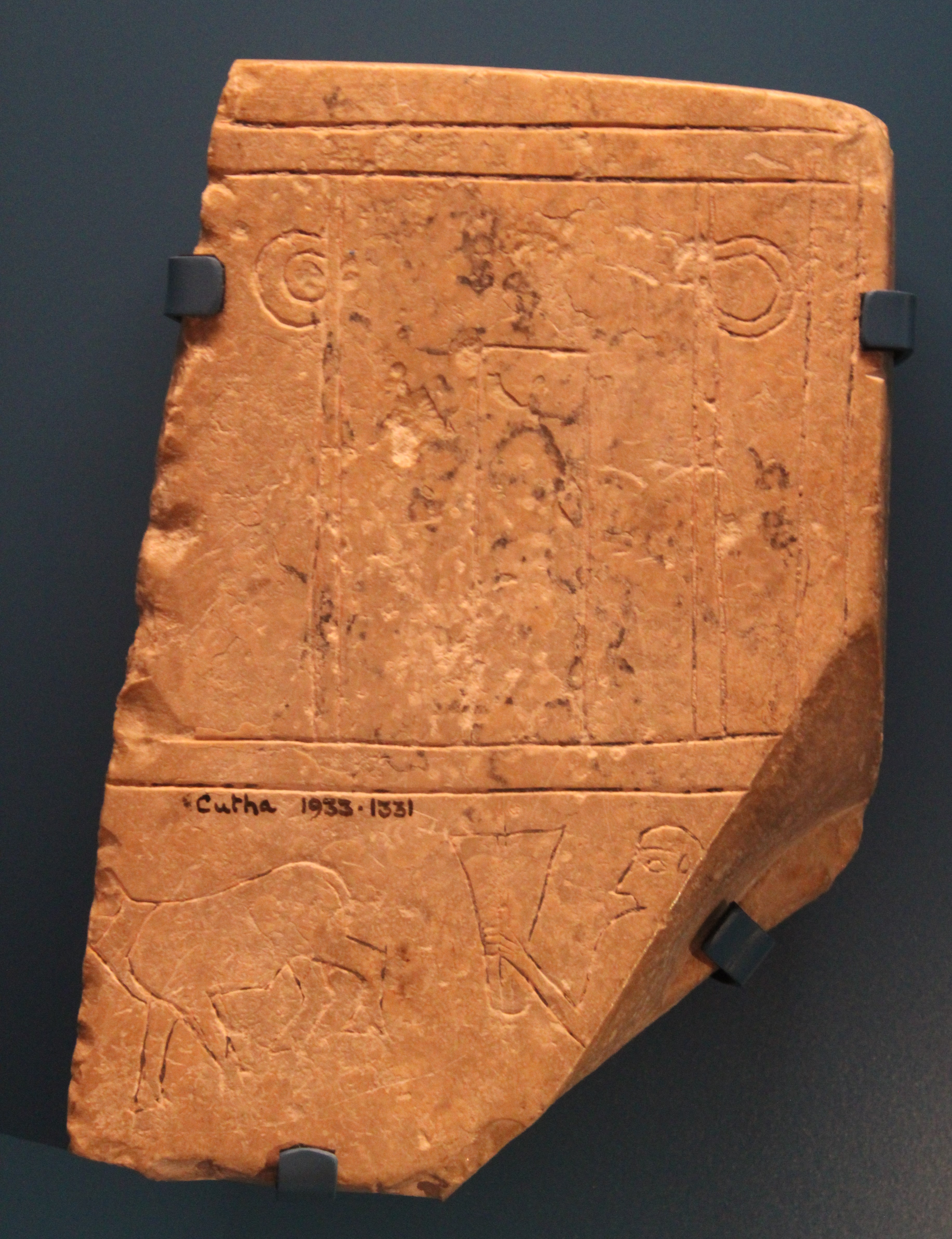
Historical Timeline
Journey through time and discover key events in this site's history
Naram-Sin mentions Kutha
c. 2200 BCE
Shulgi builds E-Meslam
21st century BCE
Hammurabi defeats Kutha
1792 BCE
Adad-shuma-usur rebuilds city
c. 1200 BCE
Kutha mentioned in Black Obelisk
9th century BCE
Šamaš-šuma-ukin captures Kutha
651 BCE
Nebuchadnezzar II inscription
6th century BCE
Antigonus vs Seleucus
311/310 BCE
Under Achaemenid rule
539–530 BCE
Archaeological Features
Unique architectural and cultural elements found at this historical site
Water Management Features
Burial and Funerary Structures
Religious and Ritual Structures
Domestic and Habitation Structures
Frequently Asked Questions
Plan Your Visit
Tours, travel arrangements, and practical information
More Sites in Iraq
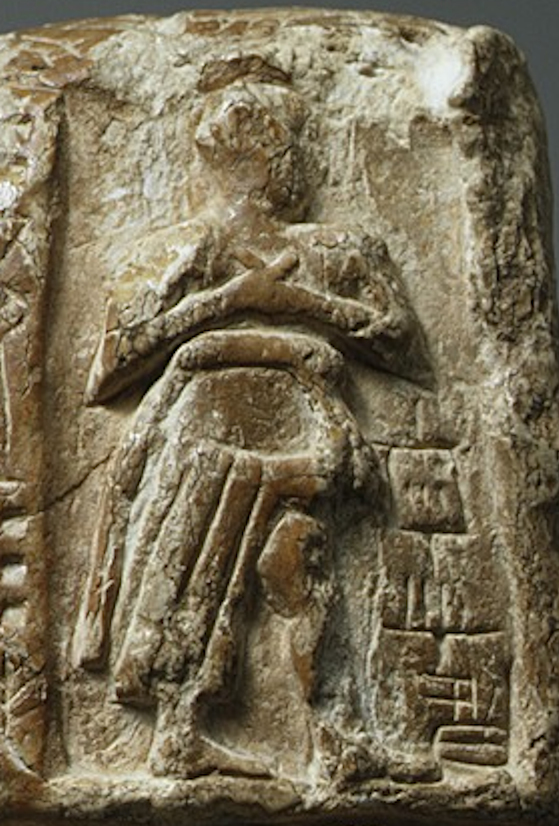
Larsa
Sumerian city-state and temple complex, Isin–Larsa period
Tell al-Lahm
Oblong mound with city wall remnants
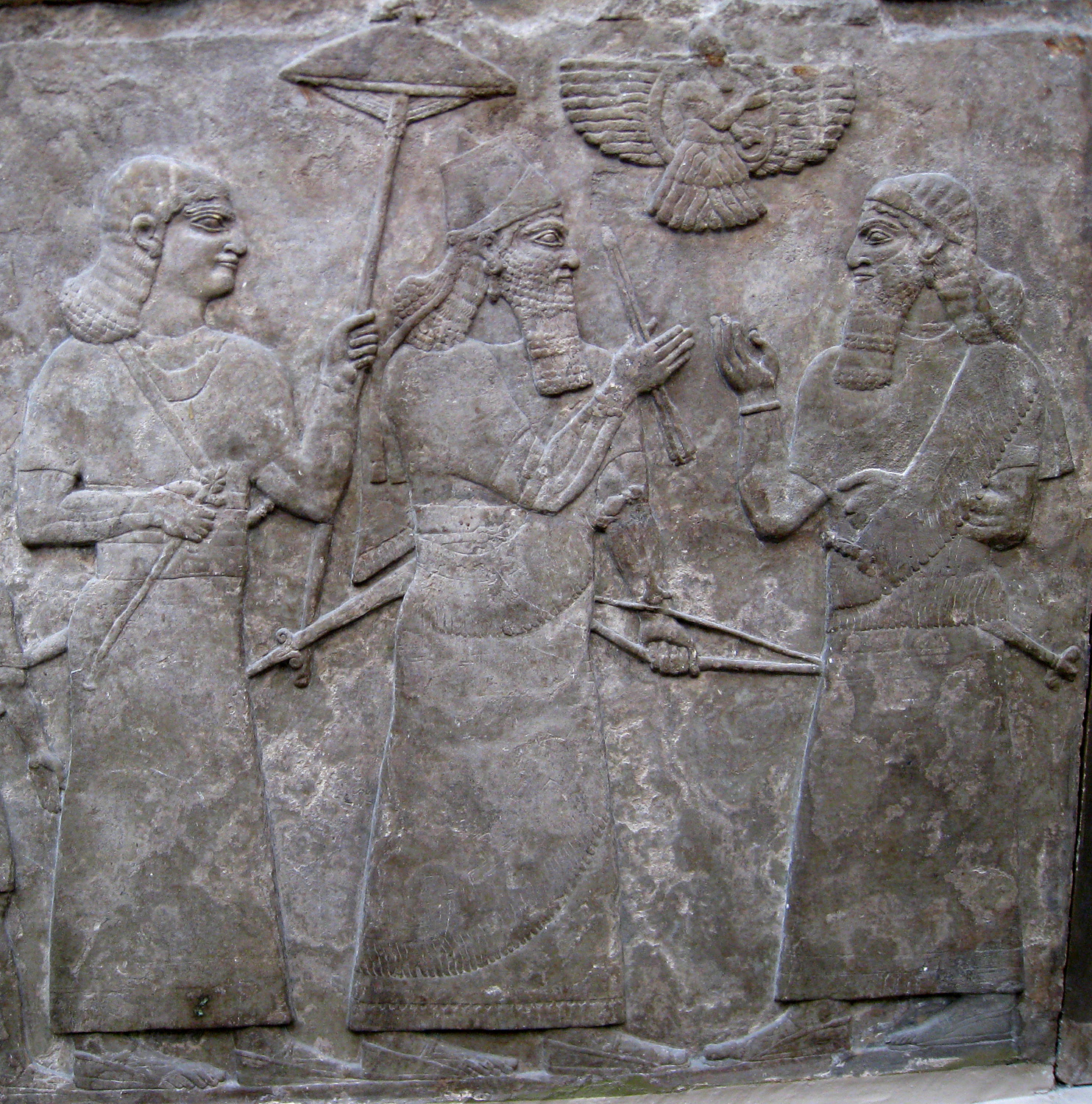
Assur
Ancient Assyrian city on the Tigris River
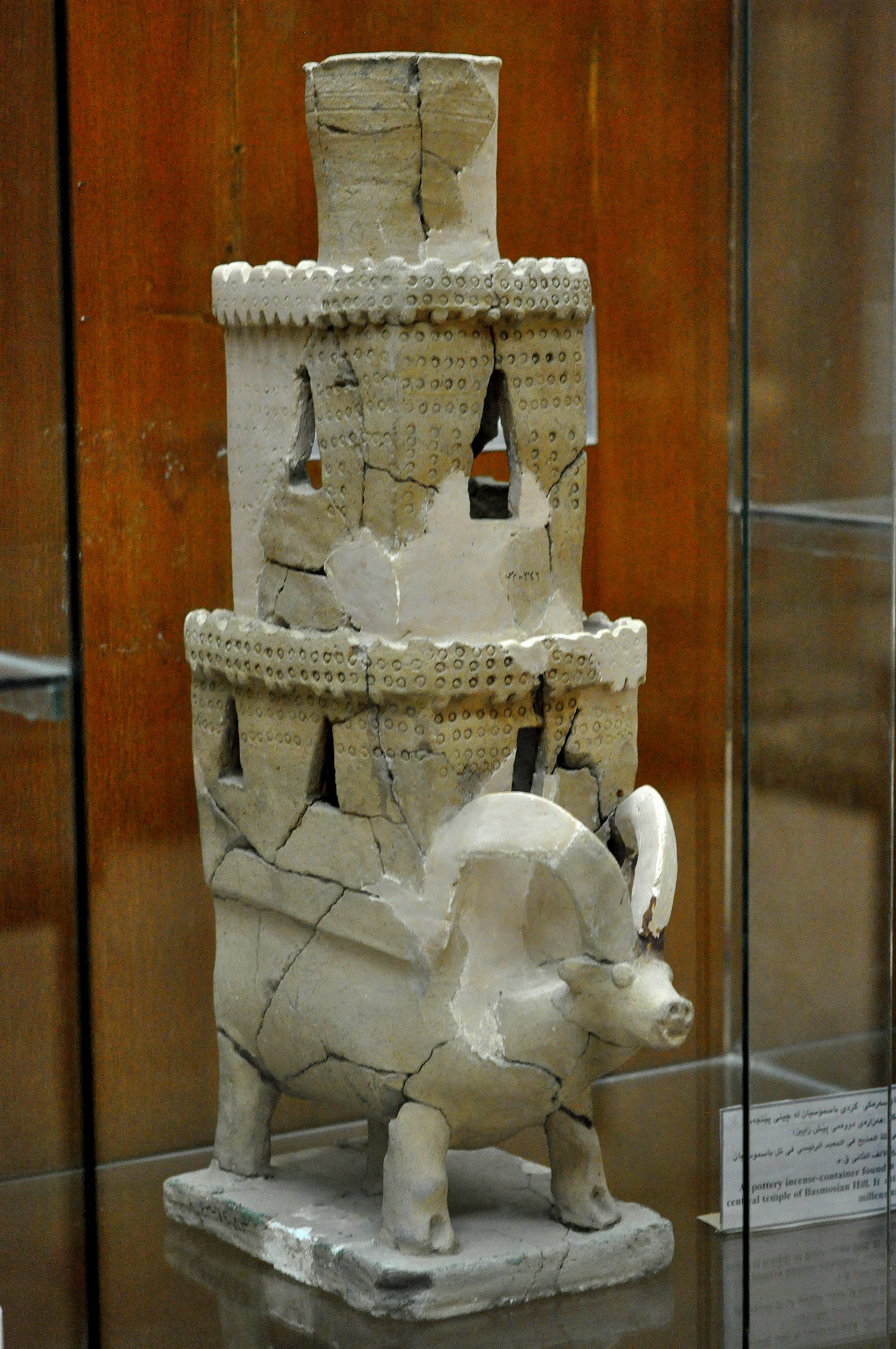
Tell Bazmusian
Large tell site with multi-period occupation.
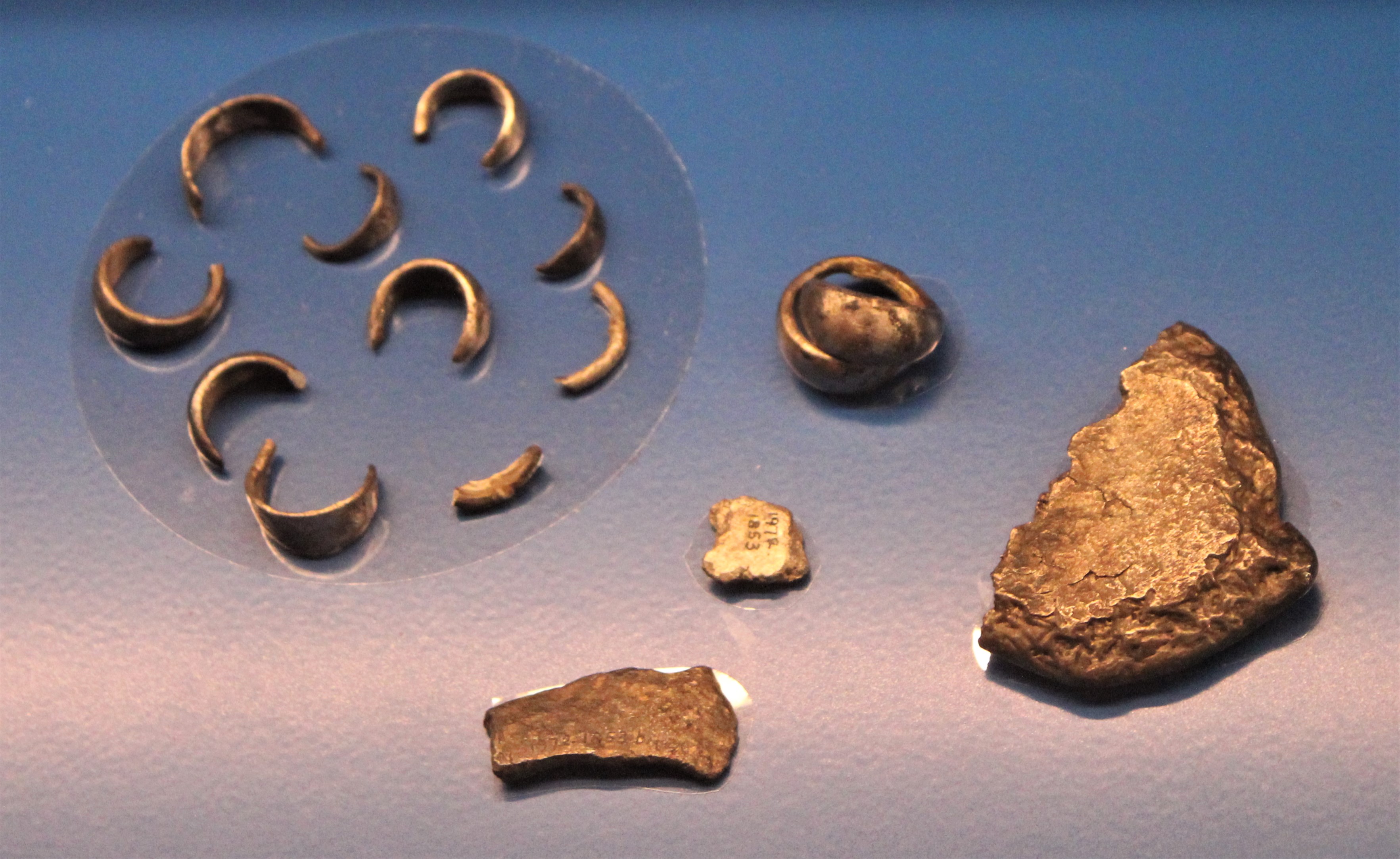
Tell Taya
Ancient hill city with fortifications and artifacts.
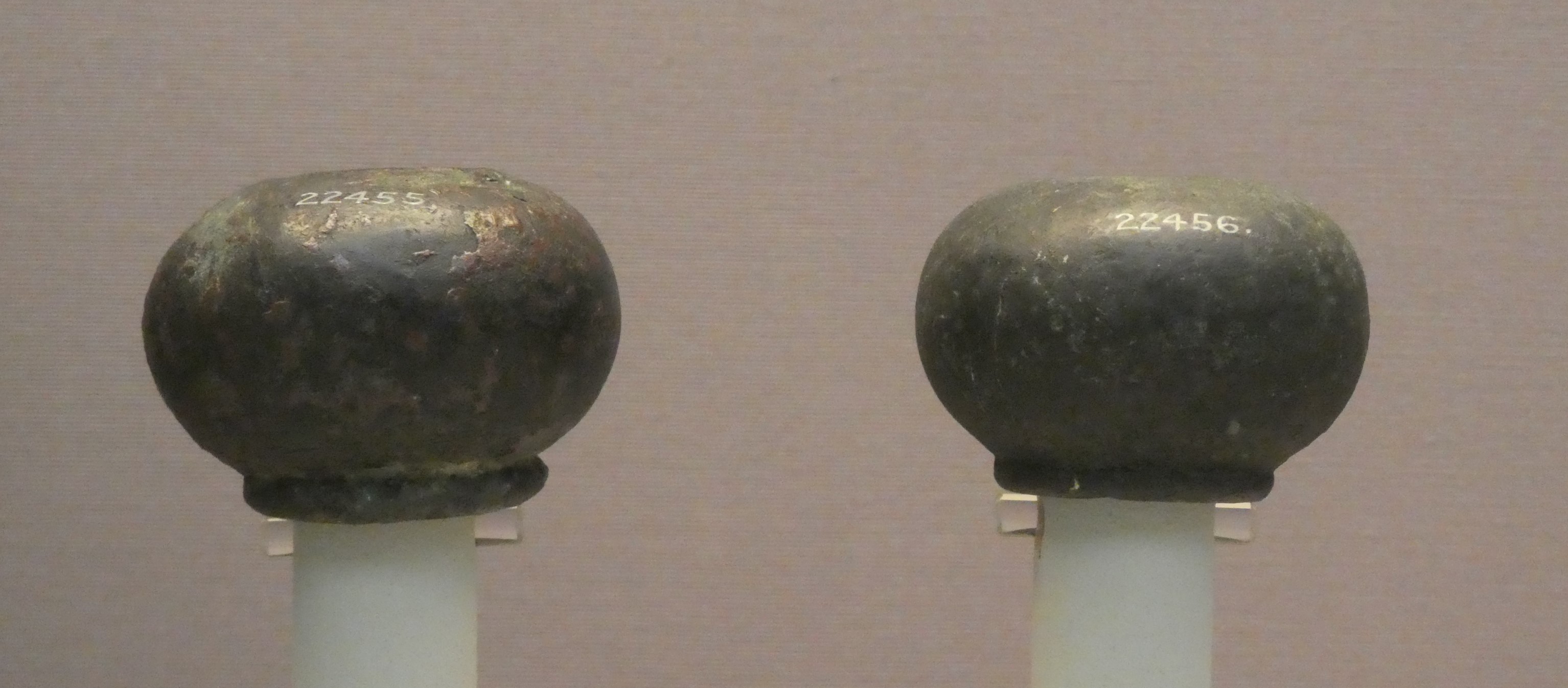
Tell Muhammad
Ancient site with fortifications and tablets