Explore the Map
Lagash
31.4114° N, 46.4072° E
About
Lagash, an ancient city-state in modern-day Iraq, was a significant urban center in the Early Bronze Age, known for its religious, administrative, and industrial structures. The site is characterized by a well-defined city layout with extensive temples, such as the E-ninnu dedicated to Ningirsu, and intricate water management systems including irrigation canals and reservoirs. Lagash's strategic location near the Tigris and Euphrates rivers facilitated its development into a major trade and power center. It underwent several phases of occupation and political control, including the First Dynasty of Lagash, subjugation under the Akkadian Empire, and a revival during the Second Dynasty before falling under the Ur III Empire. The archaeological record at Lagash provides invaluable insights into Sumerian urban planning, religious practices, and socio-political dynamics.
Gallery
Explore photographs of ancient structures, artifacts, and archaeological excavations
Historical Timeline
Journey through time and discover key events in this site's history
Early Dynastic I occupation
2900 BCE
First Dynasty of Lagash
2520 BCE
Early Dynastic III peak
2500 BCE
Akkadian Empire control
2300 BCE
Second Dynasty of Lagash
2260 BCE
Ur III Empire control
2023 BCE
Archaeological Features
Unique architectural and cultural elements found at this historical site
Water Management Features
Public and Civic Structures
Industrial and Craft Structures
Religious and Ritual Structures
Domestic and Habitation Structures
Food Production and Processing Features
Frequently Asked Questions
Plan Your Visit
Tours, travel arrangements, and practical information
More Sites in Iraq
Tell al-Lahm
Oblong mound with city wall remnants
Tarbisu
Ancient Assyrian city with palaces and temples
Tell Dehaila
Ancient tell site with mudbrick structures
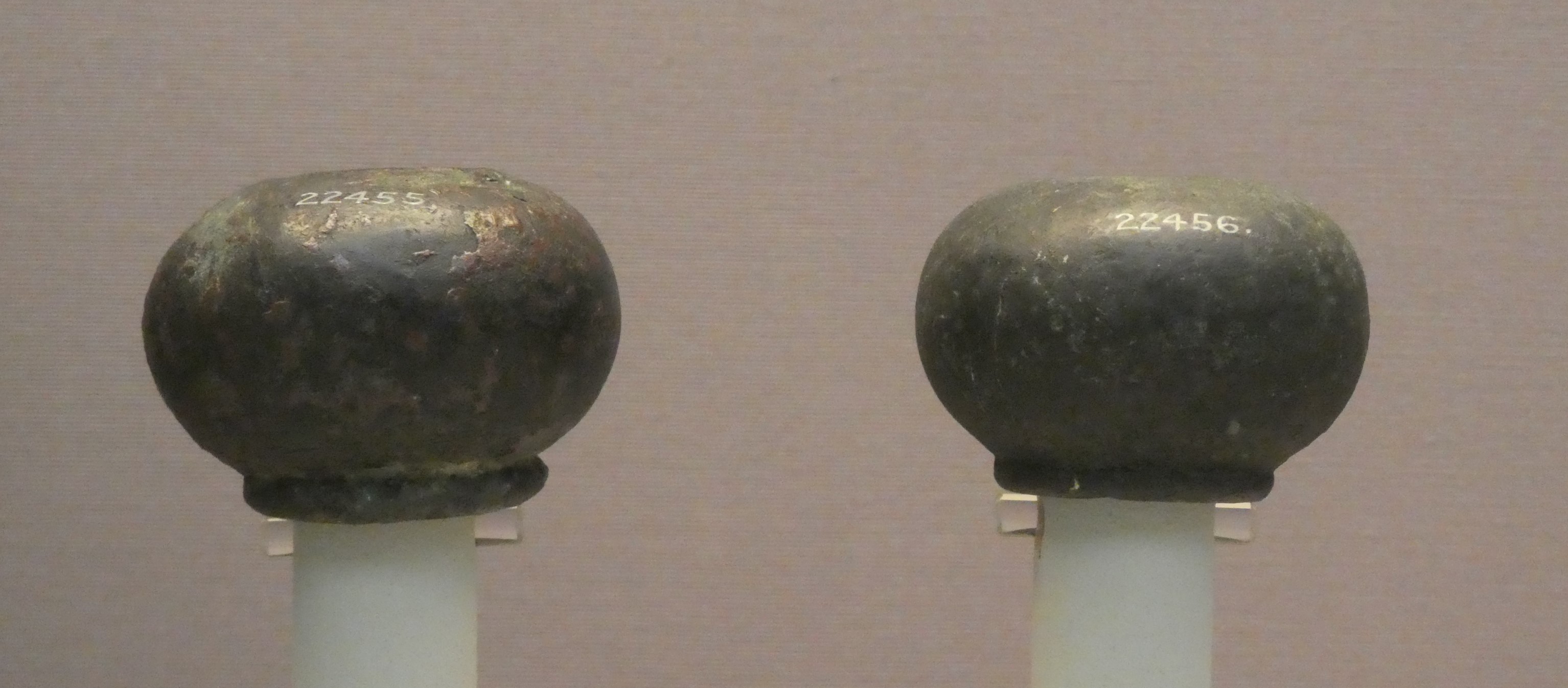
Tell Muhammad
Ancient site with fortifications and tablets
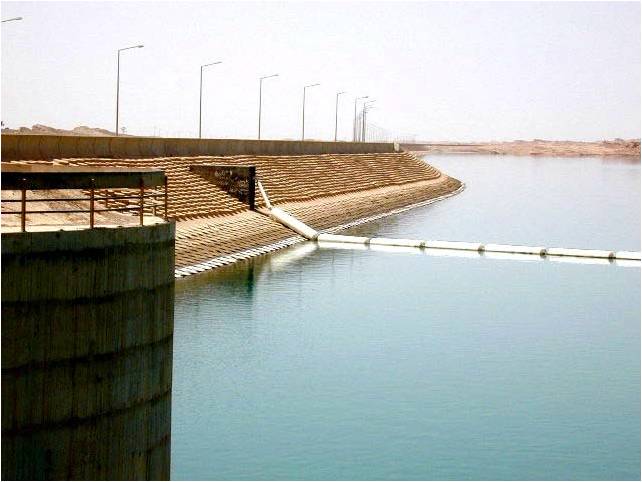
Tell Yelkhi
Oval mound with Kassite and earlier remains.
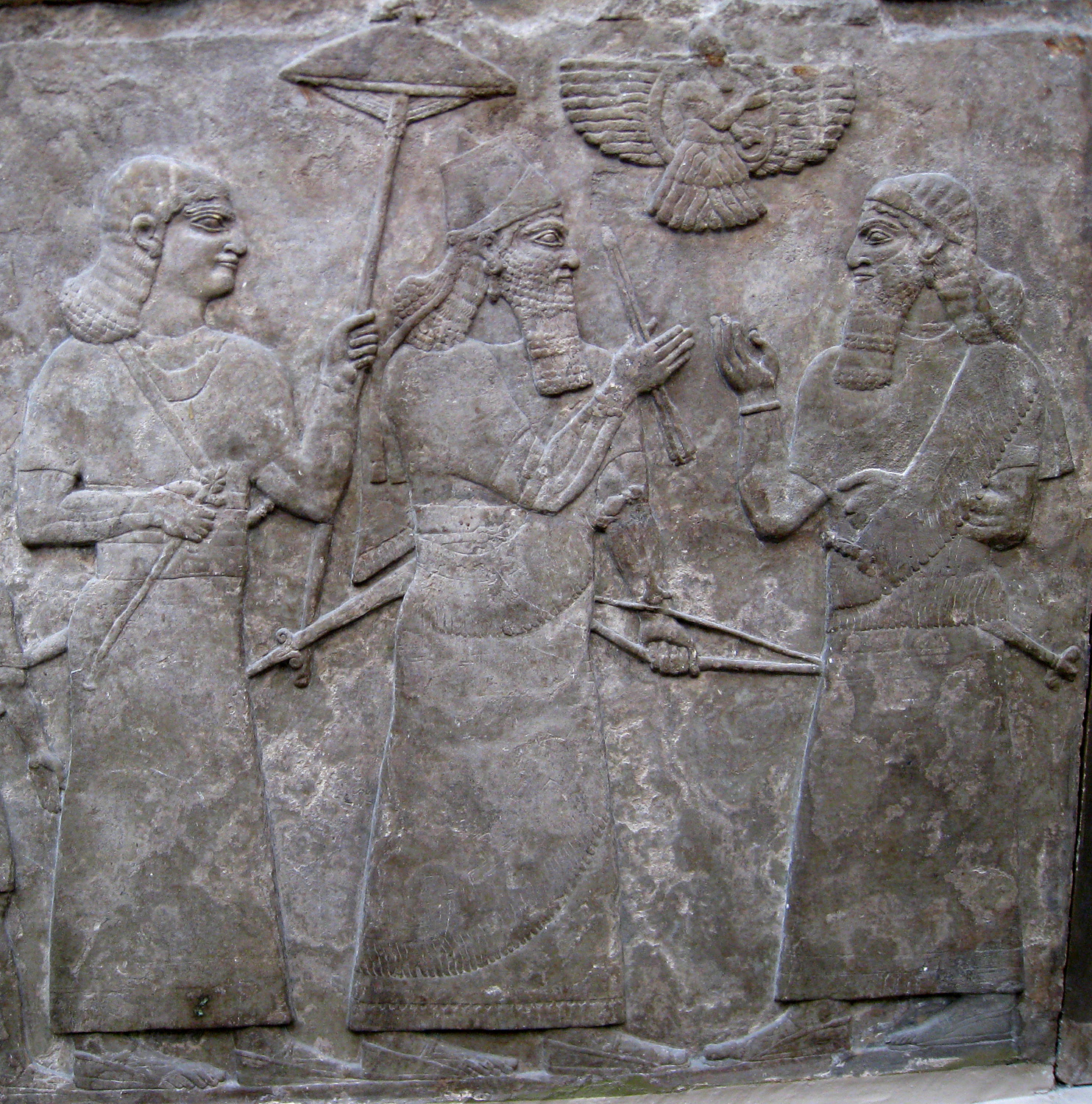
Assur
Ancient Assyrian city on the Tigris River