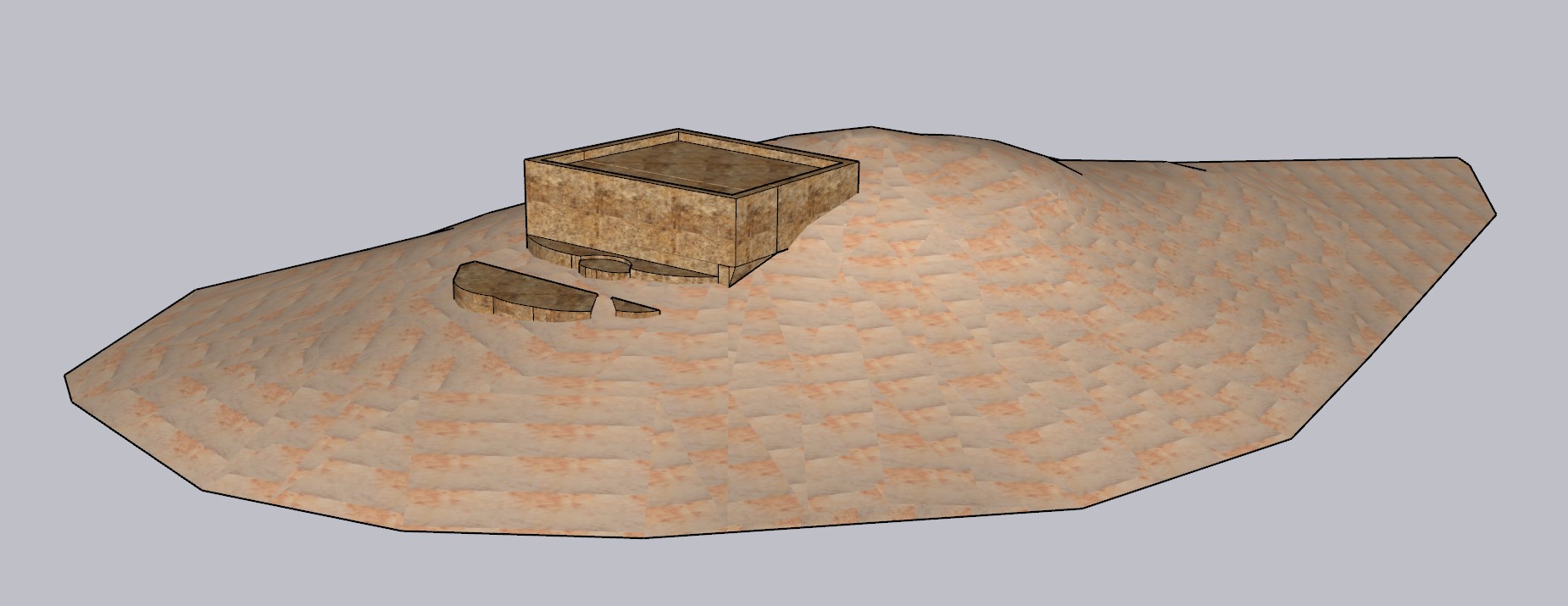
Explore the Map
Tell Zurghul
31.3768° N, 46.4957° E
About
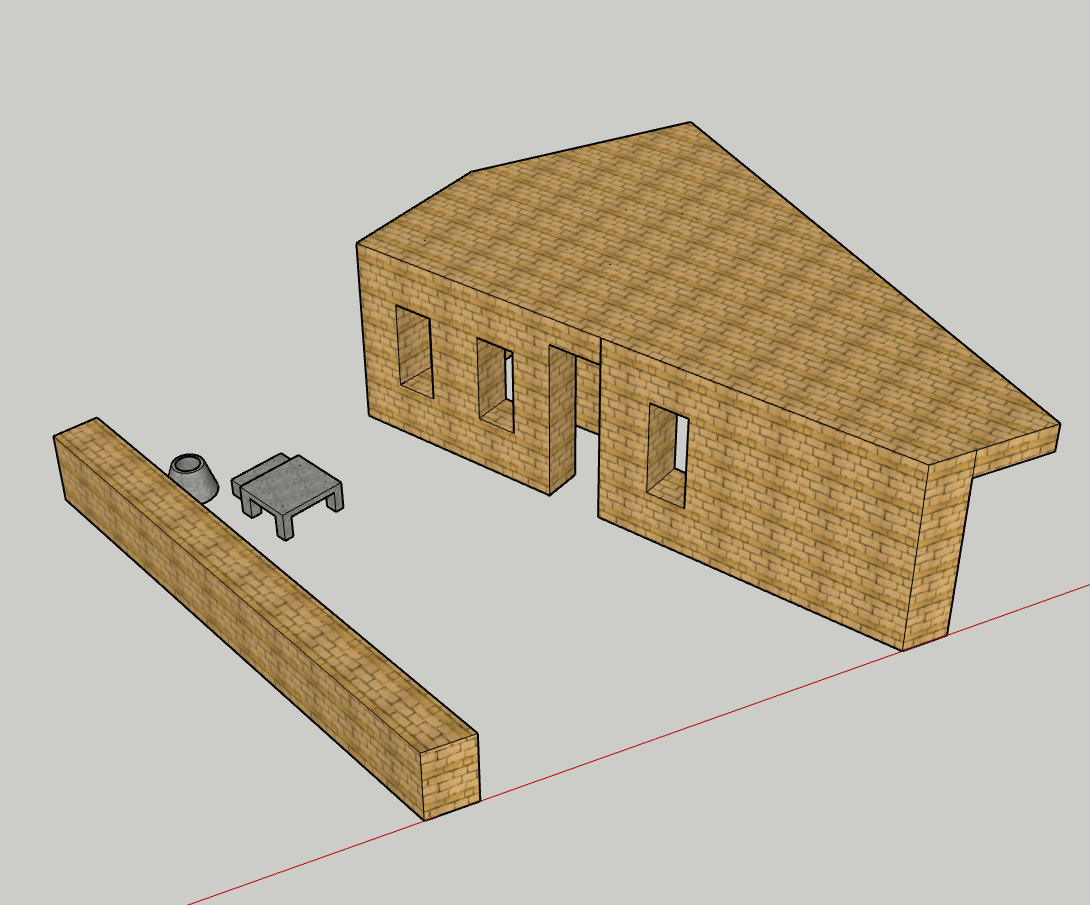
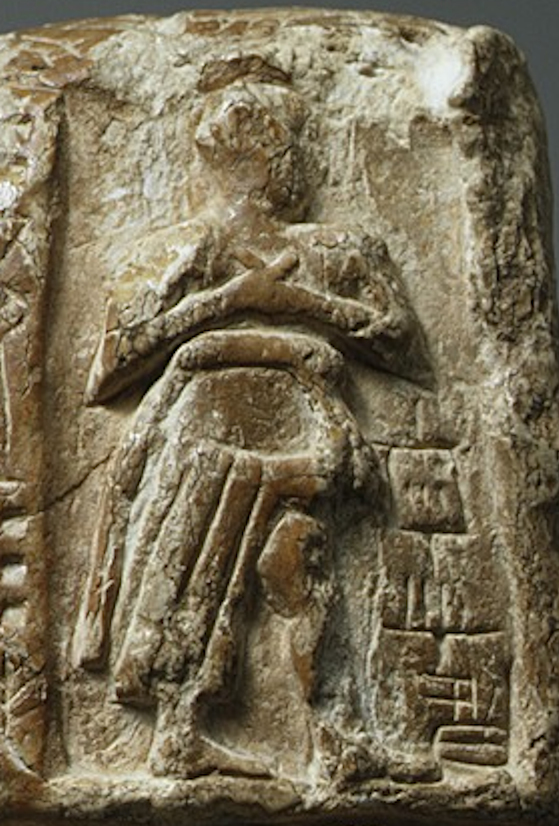
Tell Zurghul, historically known as Niĝin, is a significant archaeological site located in the Dhi Qar Governorate of Iraq. The site covers approximately 70 hectares and is characterized by two primary mounds identified as Mound A and Mound B, with an additional Lower Town area. Mound A is associated with ancient city structures, including religious and domestic architecture, such as the temple dedicated to the goddess Nanshe. Excavations reveal a rich history of occupation and construction from the Ubaid period through the Ur III period, with evidence of religious and domestic activities, including workshops and food production areas. The site holds evidence of destruction attributed to the Elamites, marking a significant historical phase. The discovery of inscriptions and artifacts, including those attributed to Gudea, highlights the site's importance in understanding the early city-state of Lagash.
Gallery
Explore photographs of ancient structures, artifacts, and archaeological excavations
Historical Timeline
Journey through time and discover key events in this site's history
Early Dynastic I occupation
2900 BCE
Early Dynastic III temple construction
2350 BCE
Akkad/Ur III temple reconstruction
2100 BCE
Destruction by Elamites
2000 BCE
Archaeological Features
Unique architectural and cultural elements found at this historical site
Burial and Funerary Structures
Industrial and Craft Structures
Religious and Ritual Structures
Domestic and Habitation Structures
Environmental and Natural Features
Food Production and Processing Features
Frequently Asked Questions
Plan Your Visit
Tours, travel arrangements, and practical information
More Sites in Iraq
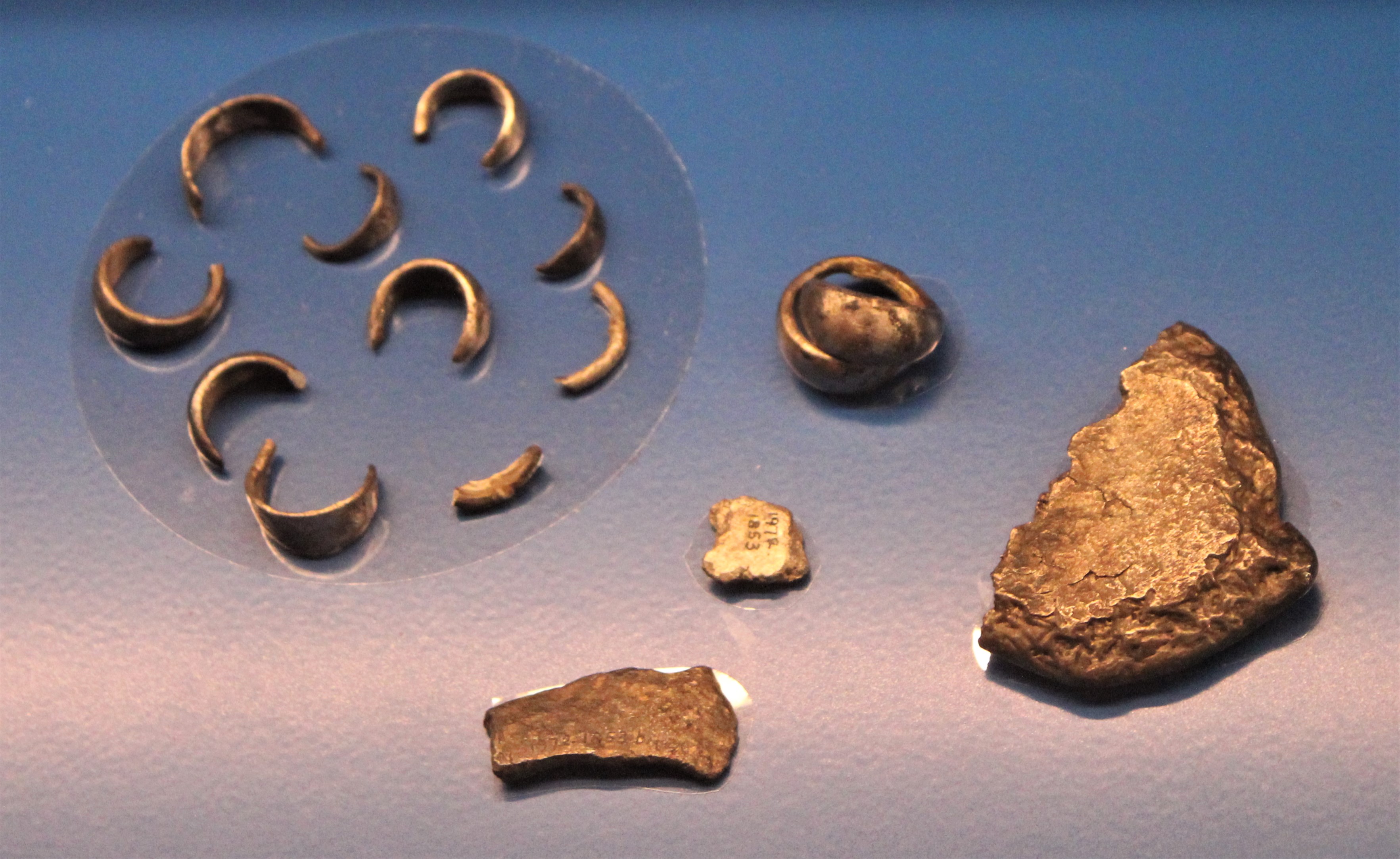
Tell Taya
Ancient hill city with fortifications and artifacts.
Tell al-Lahm
Oblong mound with city wall remnants
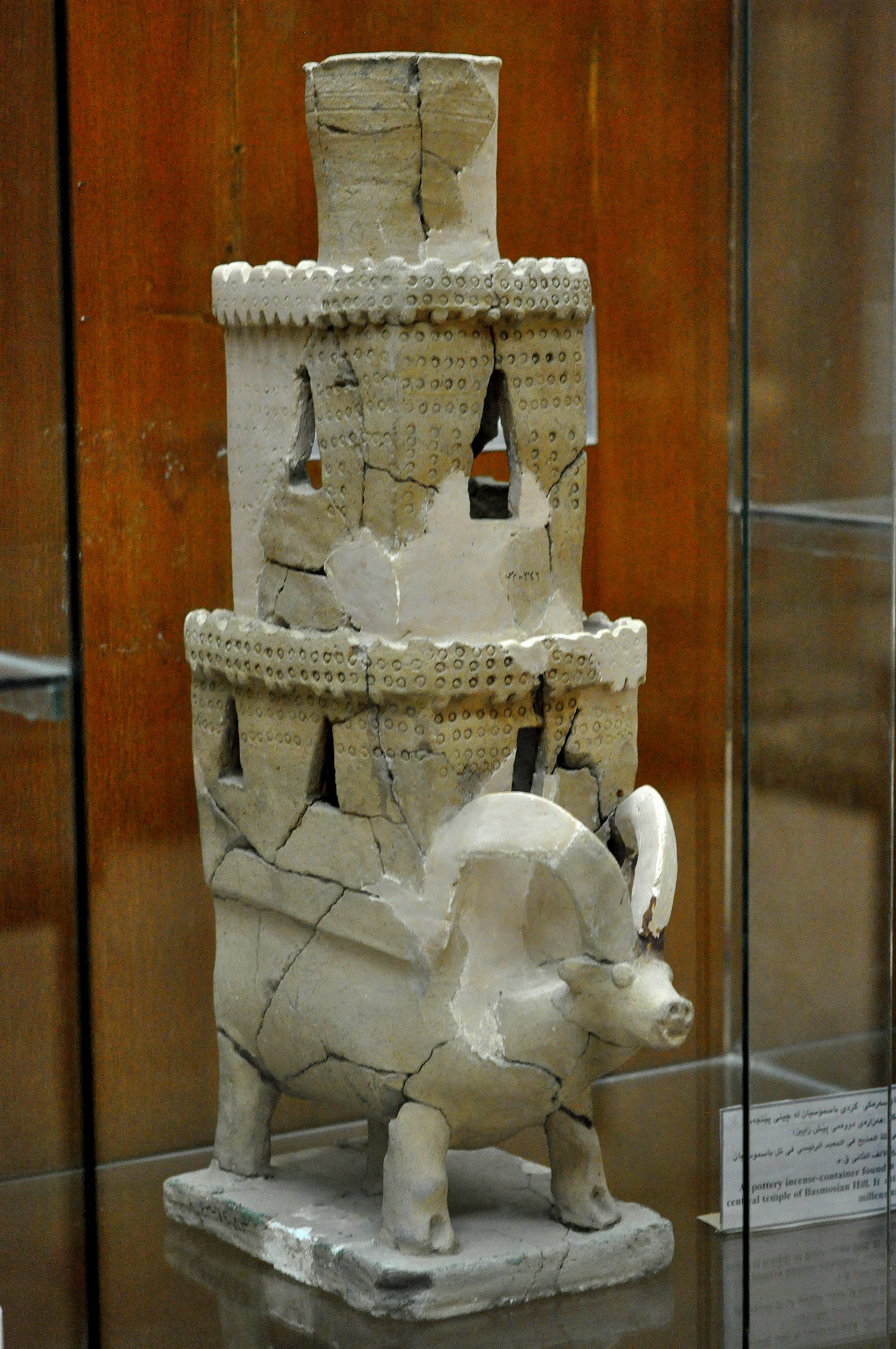
Tell Bazmusian
Large tell site with multi-period occupation.
Larsa
Sumerian city-state and temple complex, Isin–Larsa period
Tell Rashid
Ubaid period settlement mound in Iraq
Tell al-Fakhar
Pottery mound with multi-period occupation.