Explore the Map
Tell Uqair
32.7817° N, 44.6647° E
About
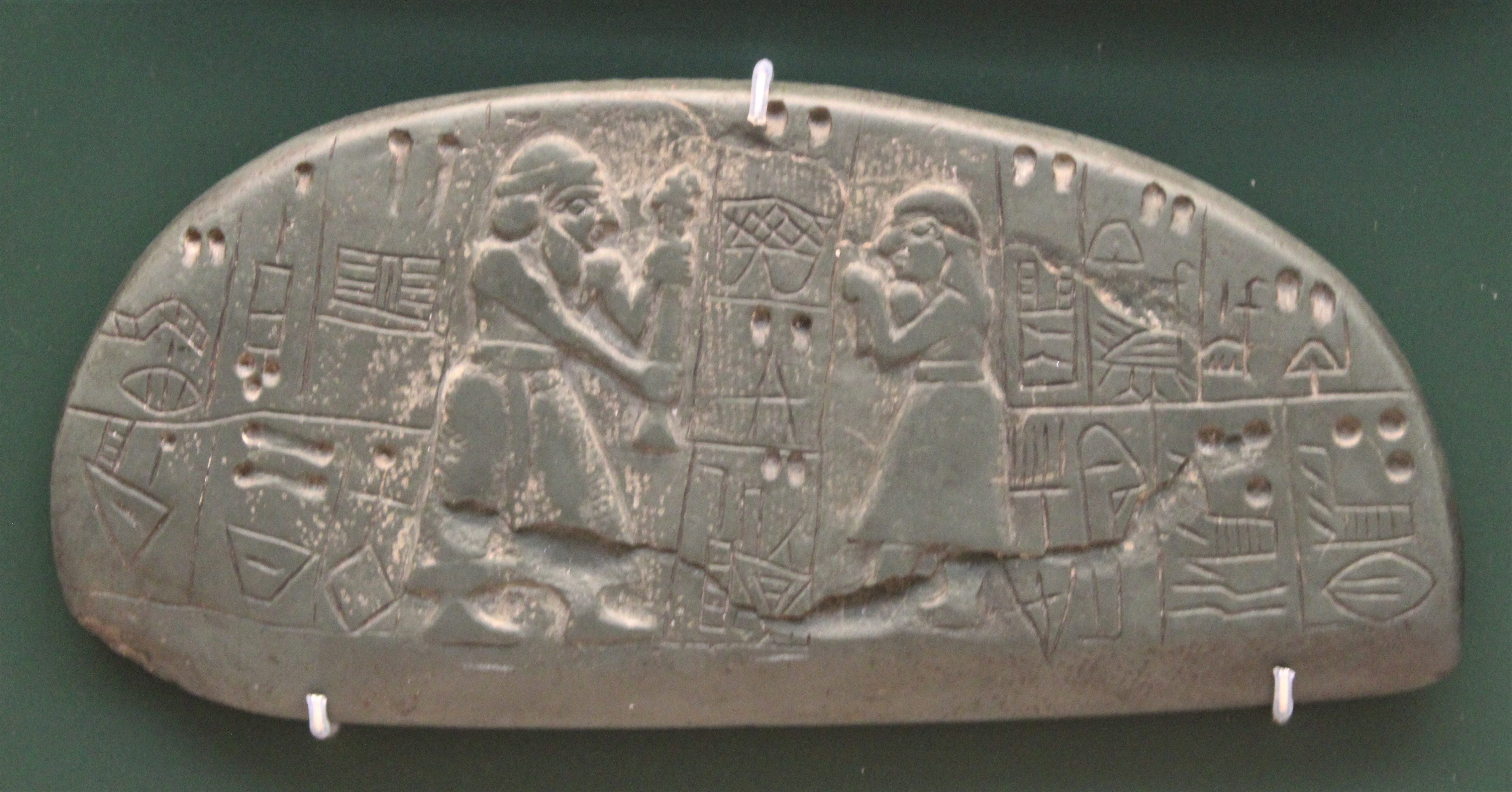
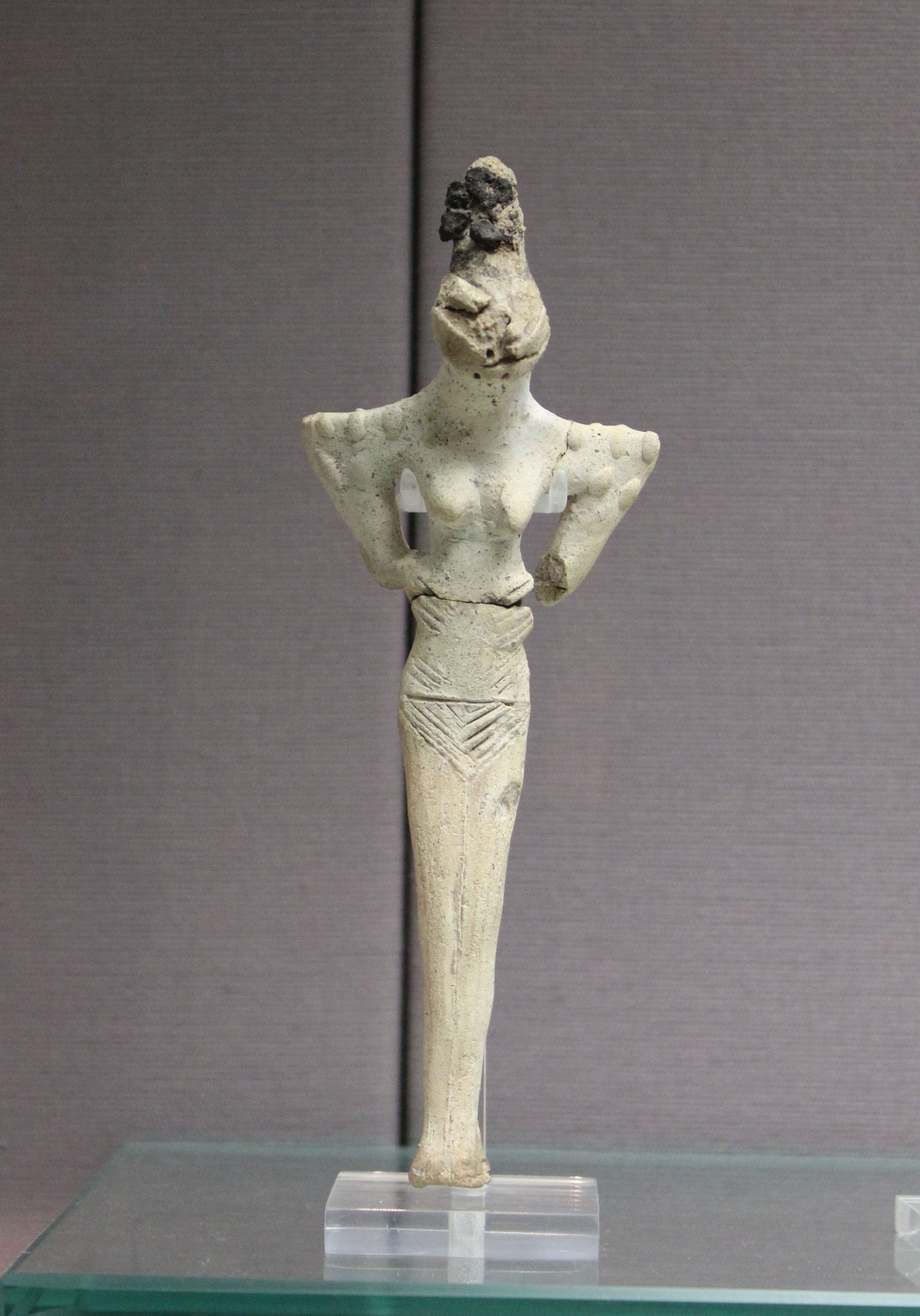
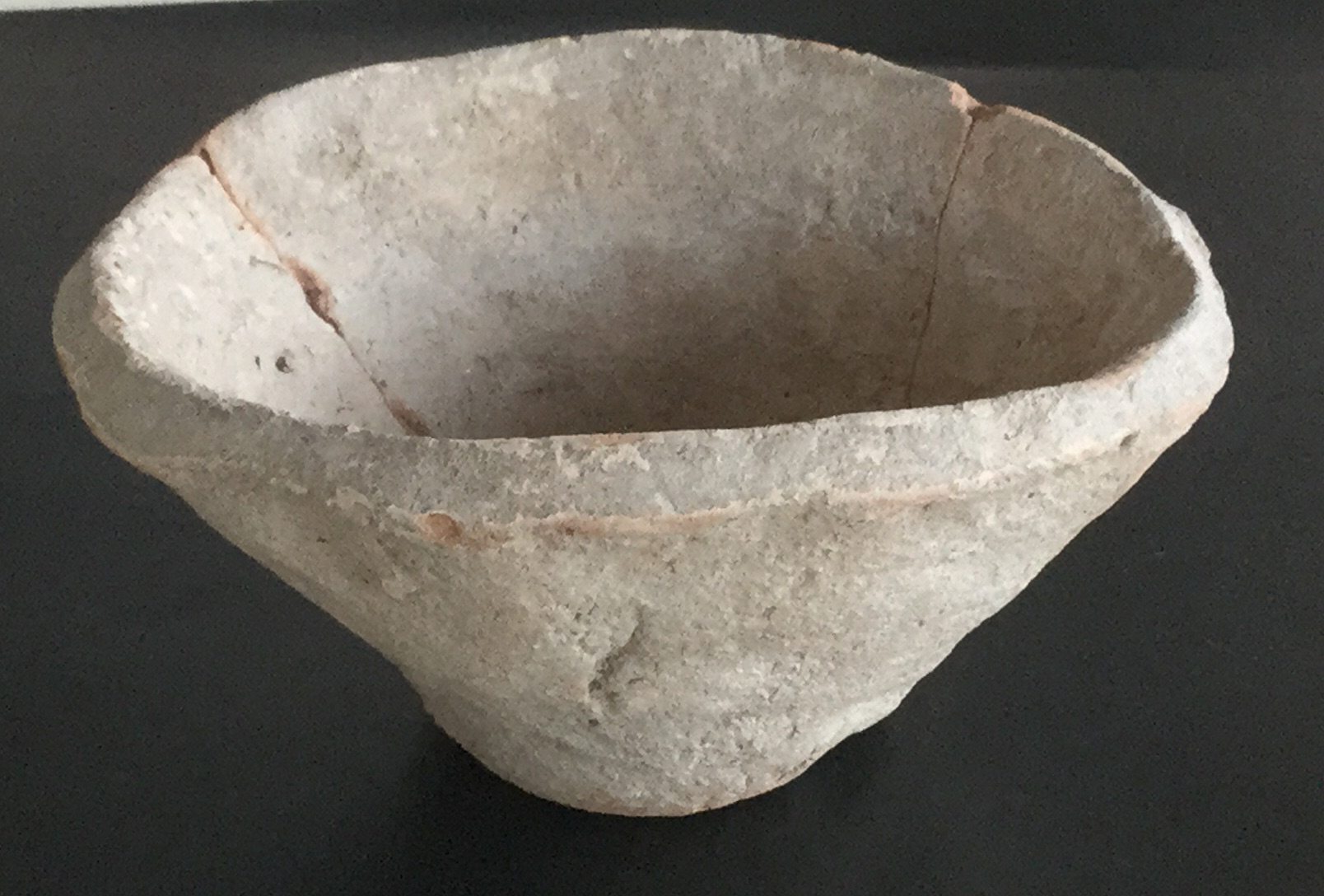
Tell Uqair is an archaeological site located northeast of ancient Babylon and is a significant settlement mound in modern-day Iraq. The site was primarily occupied during the Ubaid, Uruk, and Jemdet Nasr periods, with key features including a Protoliterate temple, ceremonial platforms, and an Early Dynastic cemetery. The site comprises two mounds, with the southern mound housing a temple complex and the northern mound hosting a cemetery. Excavations revealed several occupation layers, with notable findings such as Proto-Cuneiform tablets and beveled rim bowls. Tell Uqair is proposed to be the ancient city of Urum, a cult site for the god Nanna, and played a role in the religious and cultural landscape of ancient Mesopotamia.
Gallery
Explore photographs of ancient structures, artifacts, and archaeological excavations
Historical Timeline
Journey through time and discover key events in this site's history
Ubaid period occupation
5500 BCE
Uruk period development
4000 BCE
Jemdet Nasr period peak
3100 BCE
Early Dynastic cemetery use
2700 BCE
Limited Akkadian and Babylonian use
2000 BCE
Archaeological Features
Unique architectural and cultural elements found at this historical site
Miscellaneous Features
Burial and Funerary Structures
Religious and Ritual Structures
Domestic and Habitation Structures
Frequently Asked Questions
Plan Your Visit
Tours, travel arrangements, and practical information
More Sites in Iraq
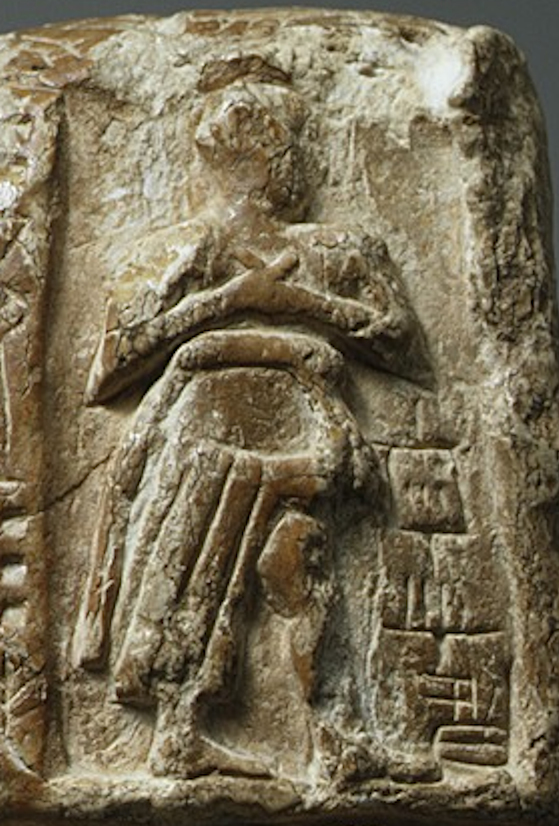
Larsa
Sumerian city-state and temple complex, Isin–Larsa period
Tell al-Lahm
Oblong mound with city wall remnants
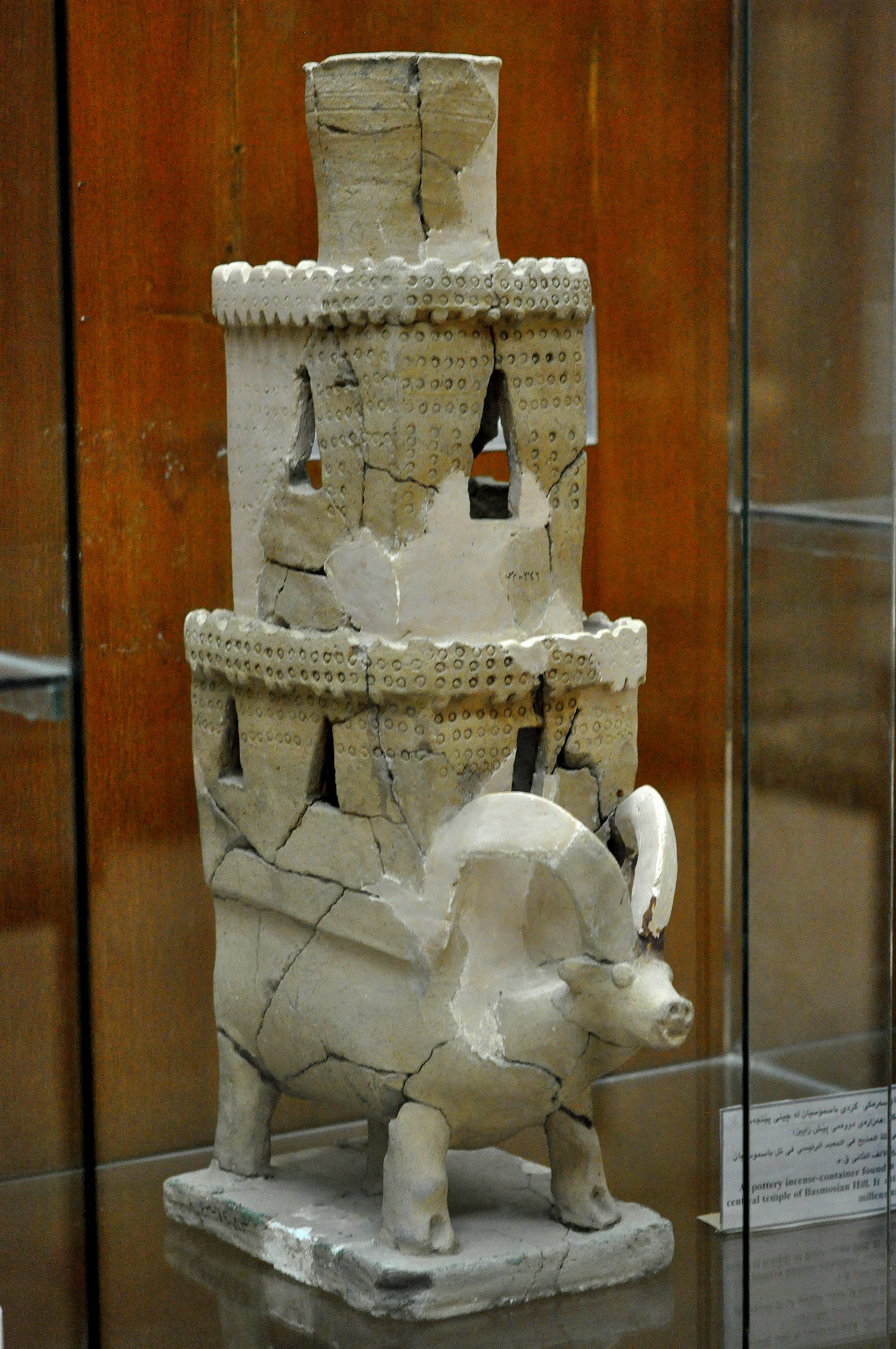
Tell Bazmusian
Large tell site with multi-period occupation.
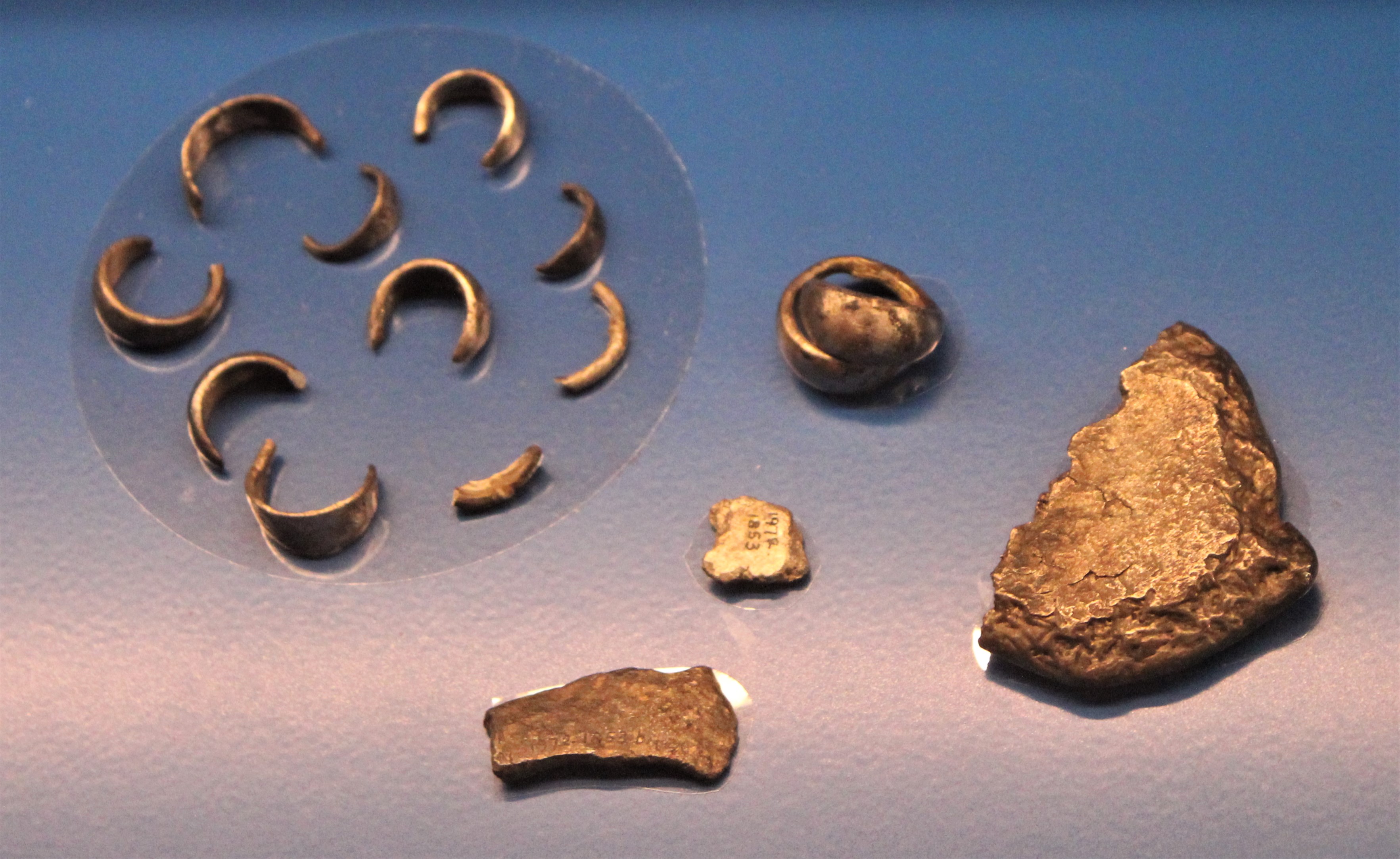
Tell Taya
Ancient hill city with fortifications and artifacts.
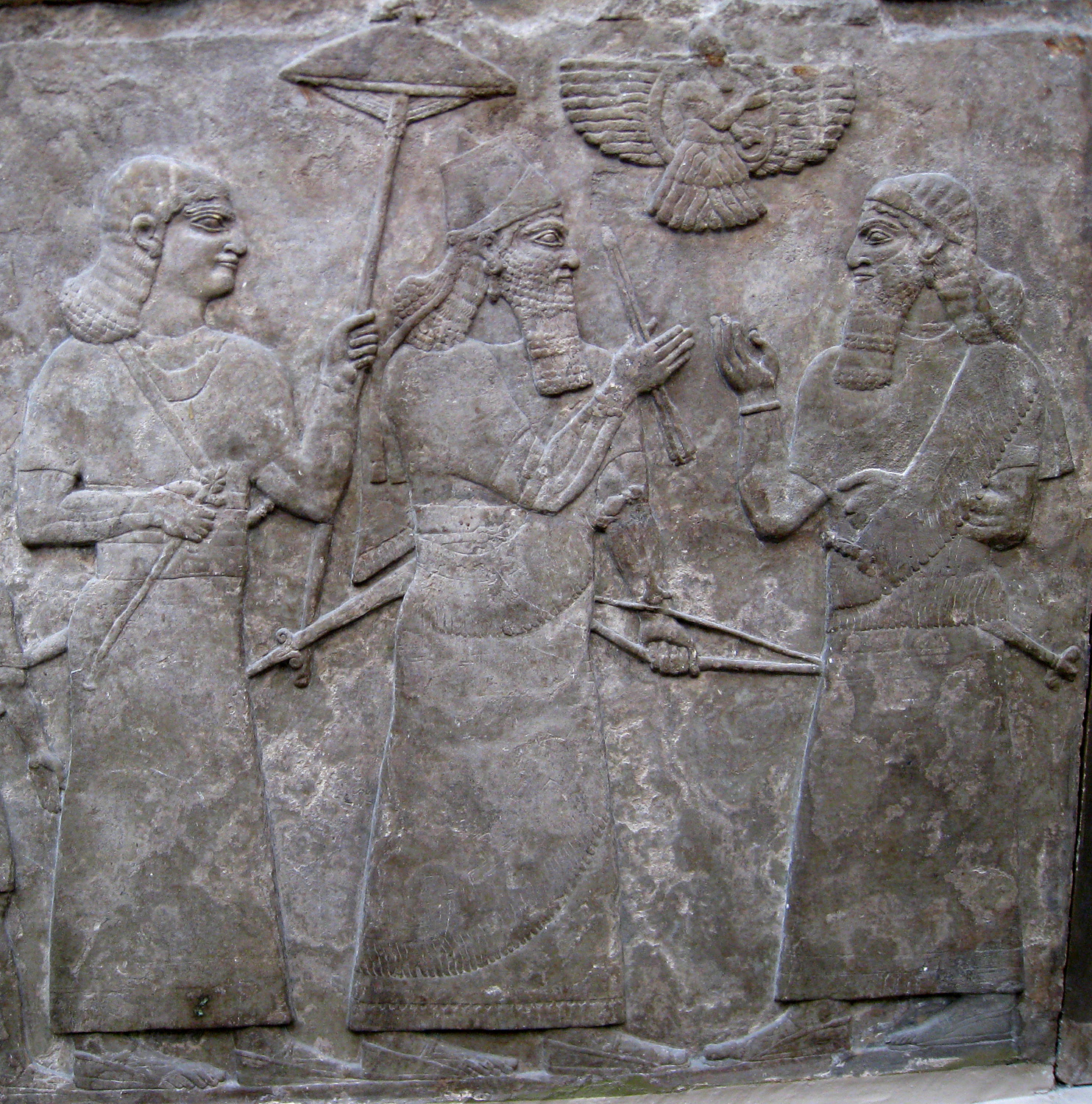
Assur
Ancient Assyrian city on the Tigris River
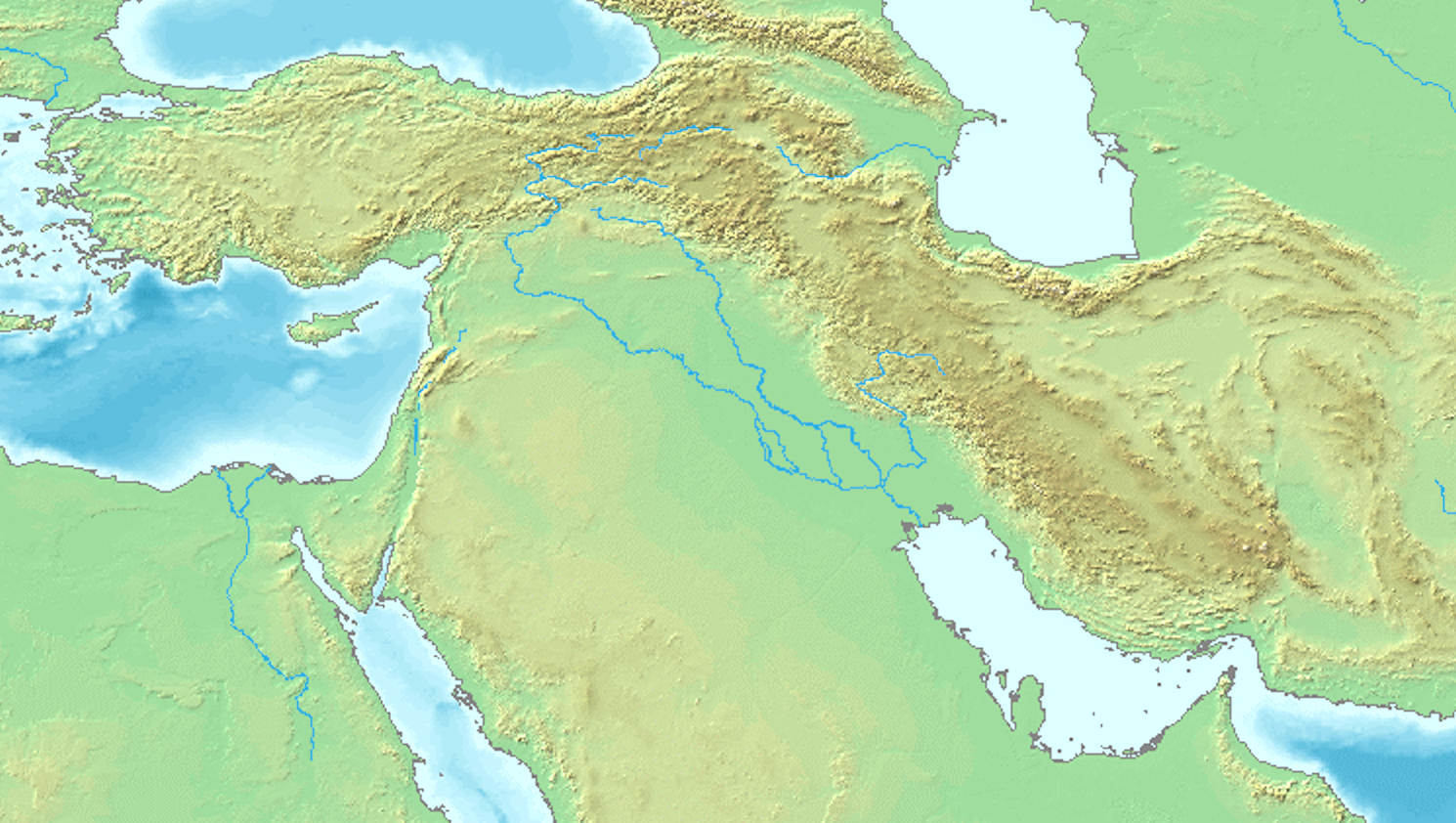
Tell al-Wilayah
Destroyed site with Early Dynastic remnants