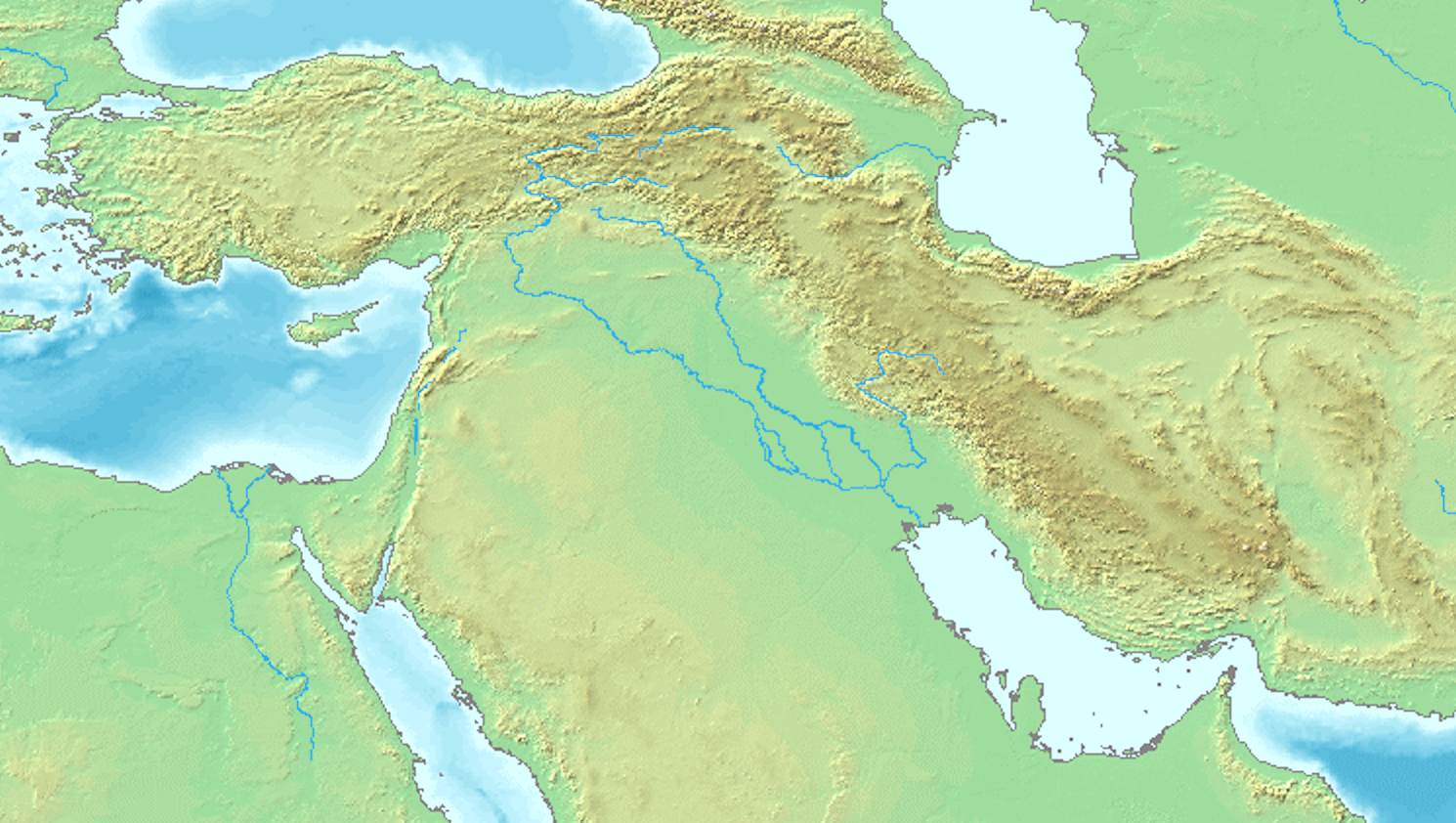
Explore the Map
Telul eth-Thalathat
36.5628° N, 42.5356° E
About
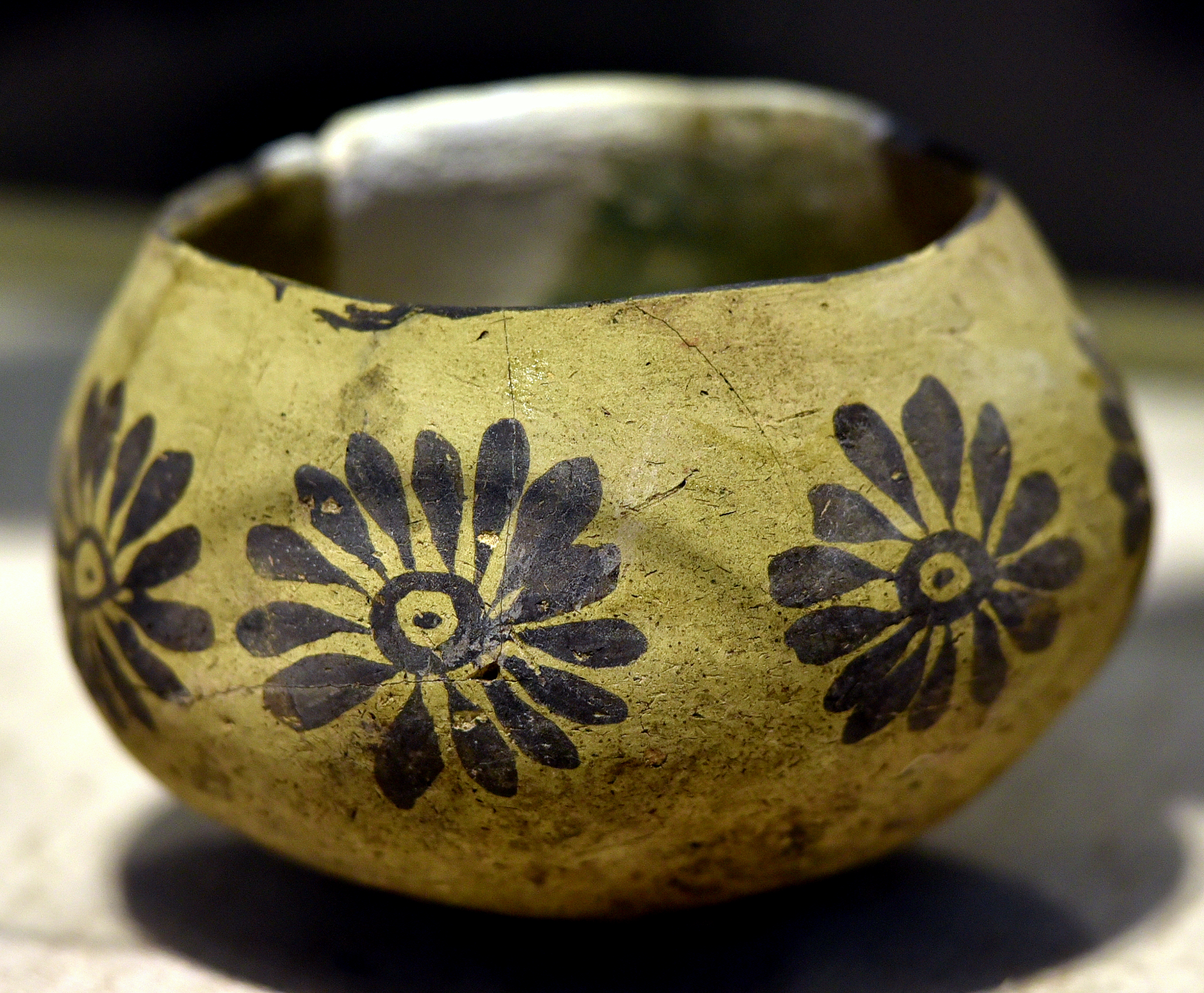
Telul eth-Thalathat is a significant archaeological site in Nineveh Province, Iraq, comprising at least five tells or settlement mounds. The site has been occupied across multiple historical periods, including the Ubaid, Nineveh 5, Uruk, and Middle Assyrian periods. Archaeological excavations have uncovered a variety of features, such as burials, residential structures, kilns, and a presumed temple. Notable finds include a granary, human figurines, and a small square stamp seal dated to the late 4th or early 5th millennium BCE. The presence of eleven Neolithic clay tokens and over twenty kilns highlights the site's importance in ancient craft and trade. The settlement mounds provide valuable insights into the cultural and technological developments of early civilizations in Mesopotamia.
Gallery
Explore photographs of ancient structures, artifacts, and archaeological excavations
Historical Timeline
Journey through time and discover key events in this site's history
Ubaid period habitation
4000 BCE
Uruk period habitation
3500 BCE
Nineveh 5 period habitation
3500 BCE
Middle Assyrian period habitation
1300 BCE
Archaeological Features
Unique architectural and cultural elements found at this historical site
Storage Structures
Burial and Funerary Structures
Industrial and Craft Structures
Religious and Ritual Structures
Artistic and Decorative Features
Domestic and Habitation Structures
Frequently Asked Questions
Plan Your Visit
Tours, travel arrangements, and practical information
More Sites in Iraq
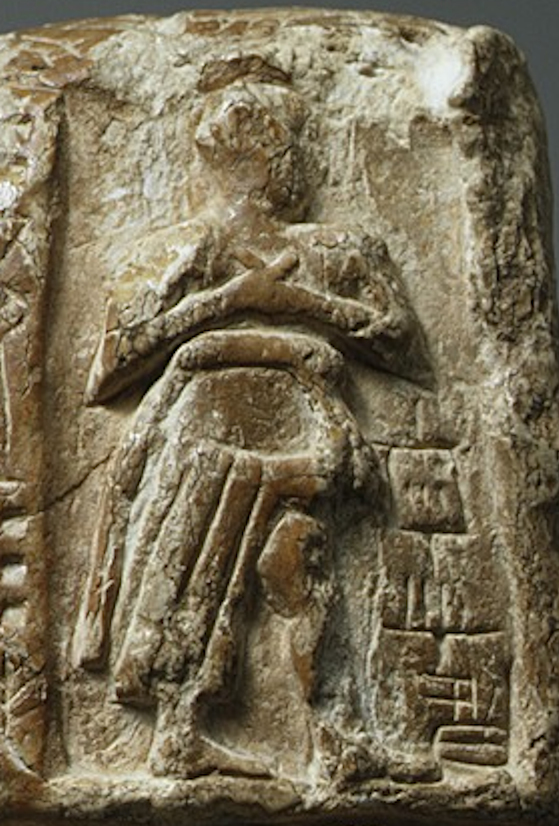
Larsa
Sumerian city-state and temple complex, Isin–Larsa period
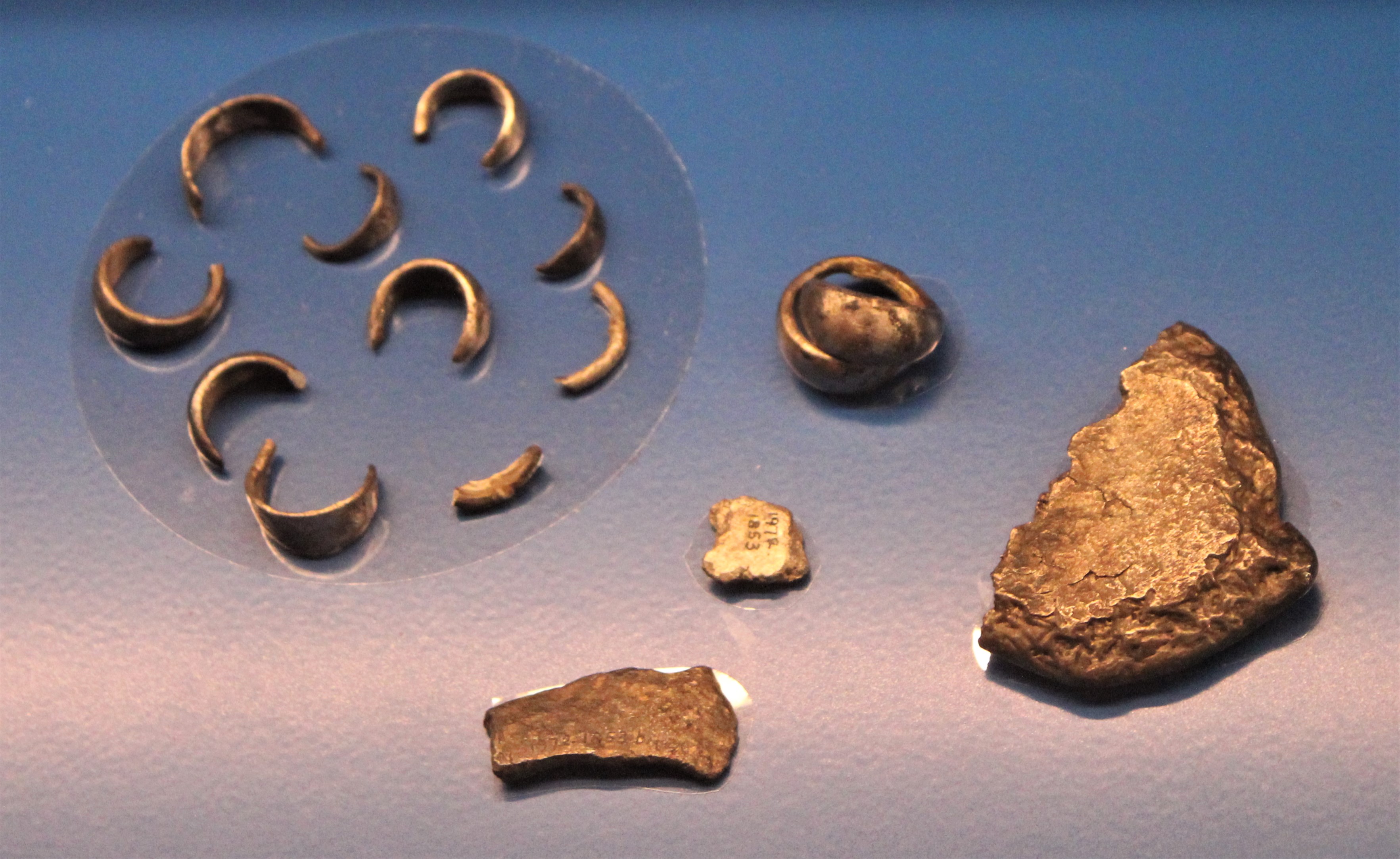
Tell Taya
Ancient hill city with fortifications and artifacts.
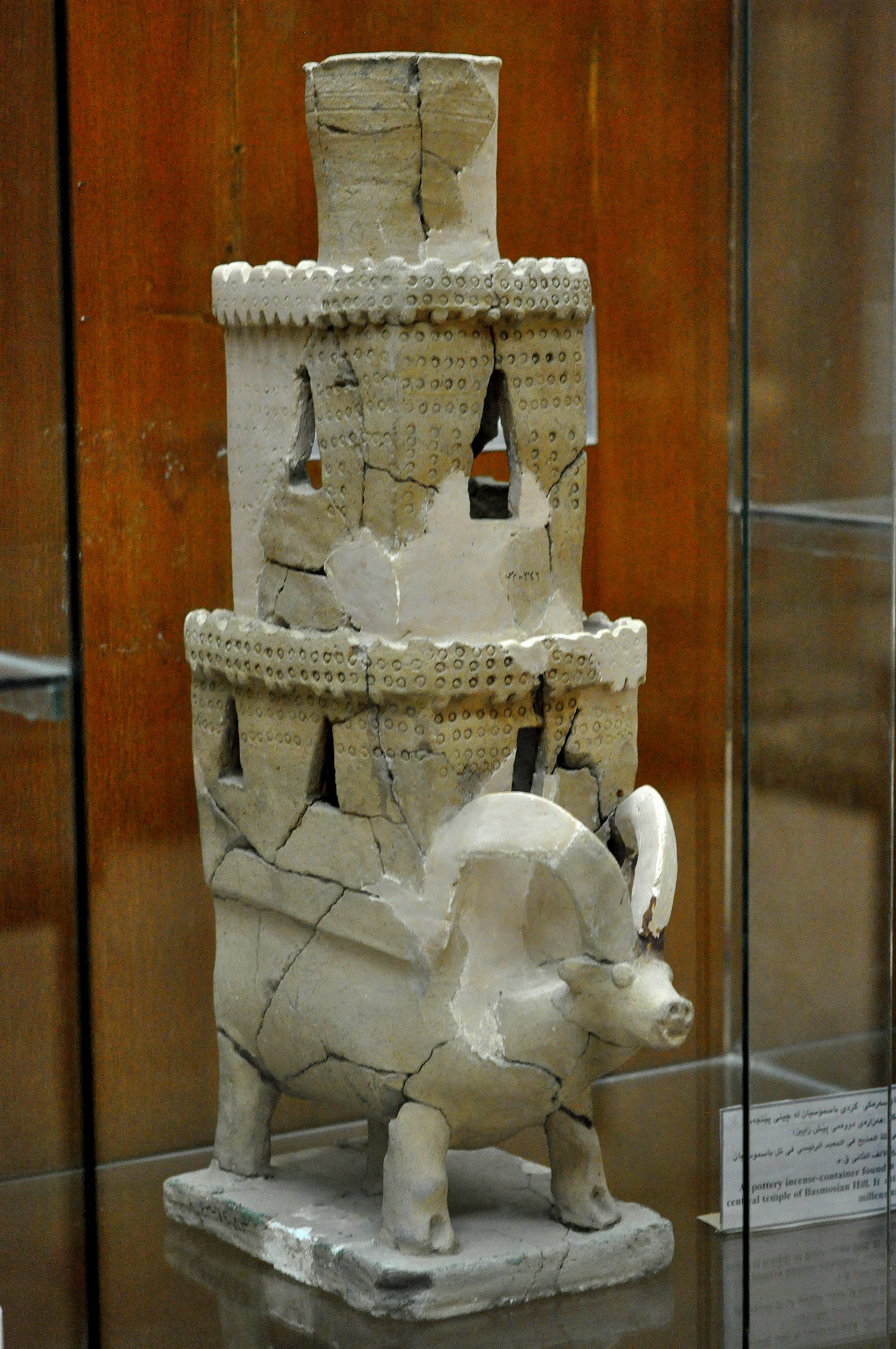
Tell Bazmusian
Large tell site with multi-period occupation.
Tell al-Lahm
Oblong mound with city wall remnants
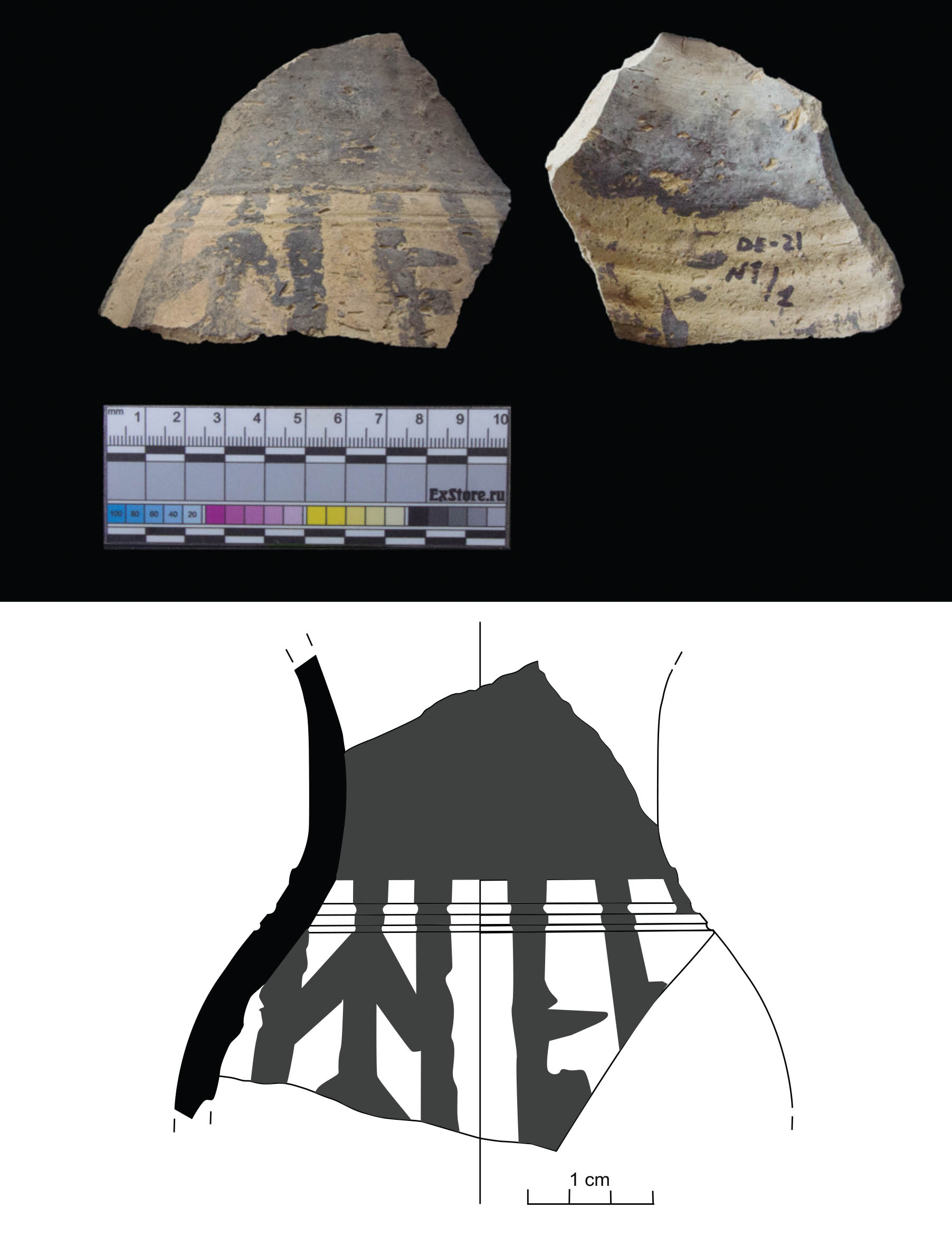
Tell Dehaila
Ancient tell site with mudbrick structures
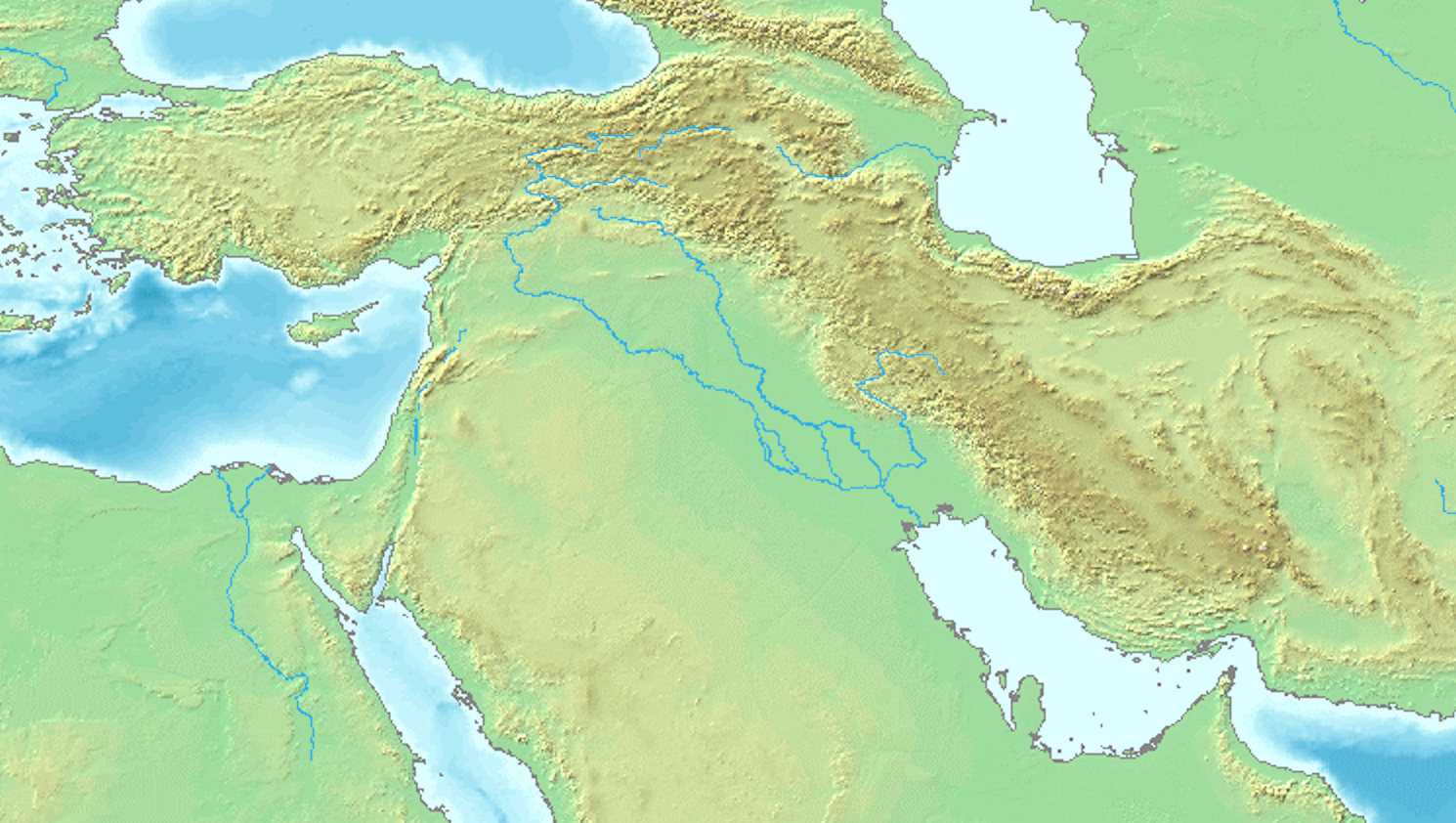
Tell al-Fakhar
Pottery mound with multi-period occupation.