Explore the Map
Tell Shemshara
36.2008° N, 44.9383° E
About
Tell Shemshara, also known as ancient Shusharra, is an archaeological site located along the Little Zab River in Iraqi Kurdistan. The site boasts a diverse occupation history from the Hassuna period in the early sixth millennium BCE to the 14th century CE. Significant finds include a Middle Bronze Age archive of cuneiform tablets, revealing the site's role as the capital of a small Turukkean polity ruled by Kuwari under a Hurrian state. The site features distinct layers of habitation, including a small palace, graves, and a town with evidence of domestic and industrial activities. Tell Shemshara's strategic location facilitated control over travel routes, contributing to its historical significance.
Historical Timeline
Journey through time and discover key events in this site's history
Hassuna period occupation
early 6th millennium BCE
Middle Bronze Age re-occupation
early 2nd millennium BCE
Kuwari's rule as governor
first quarter of 18th century BCE
Islamic period occupation
12th-14th century CE
Archaeological Features
Unique architectural and cultural elements found at this historical site
Storage Structures
Burial and Funerary Structures
Industrial and Craft Structures
Domestic and Habitation Structures
Frequently Asked Questions
Plan Your Visit
Tours, travel arrangements, and practical information
More Sites in Iraq
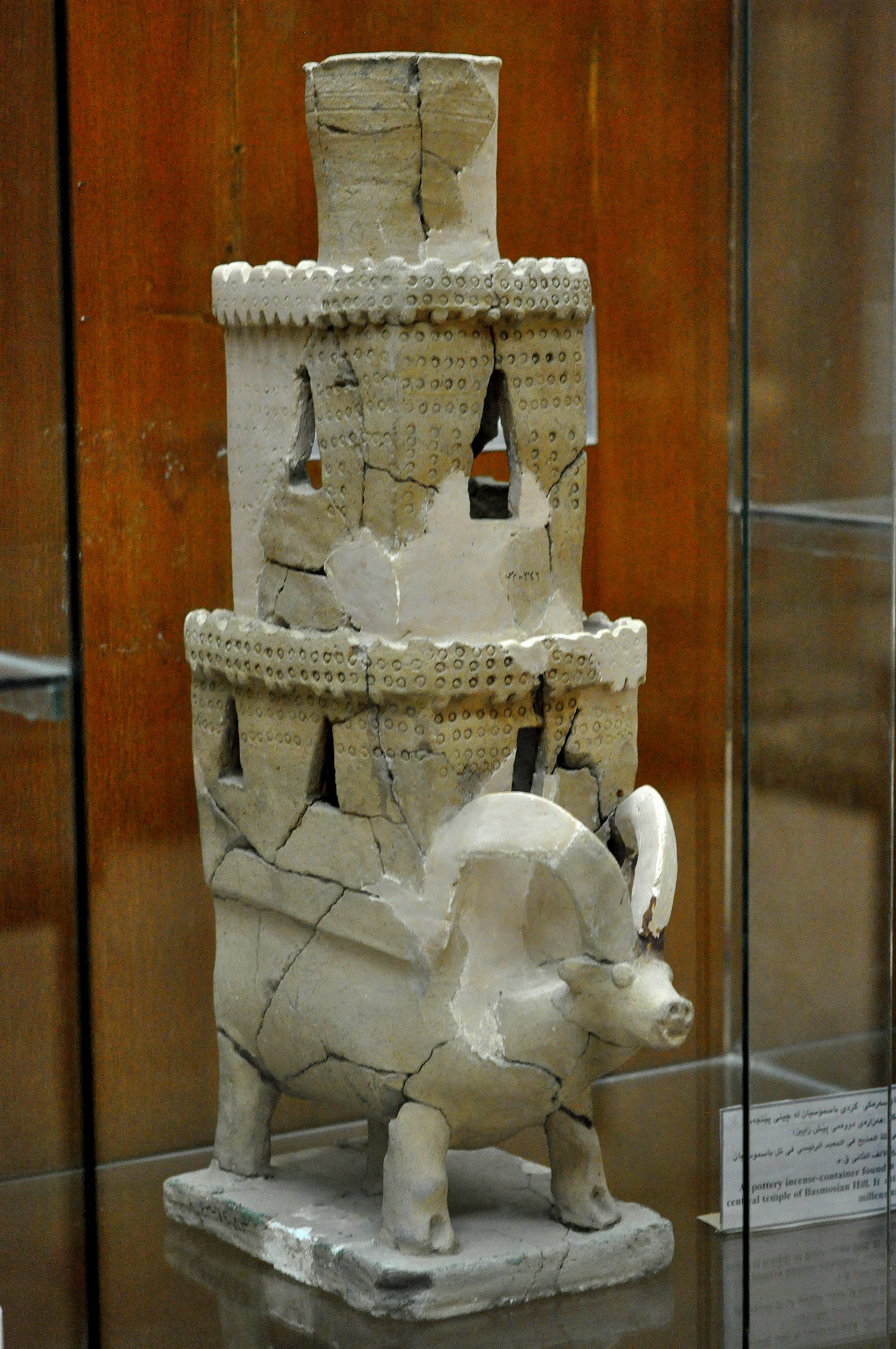
Tell Bazmusian
Large tell site with multi-period occupation.
Tell al-Lahm
Oblong mound with city wall remnants
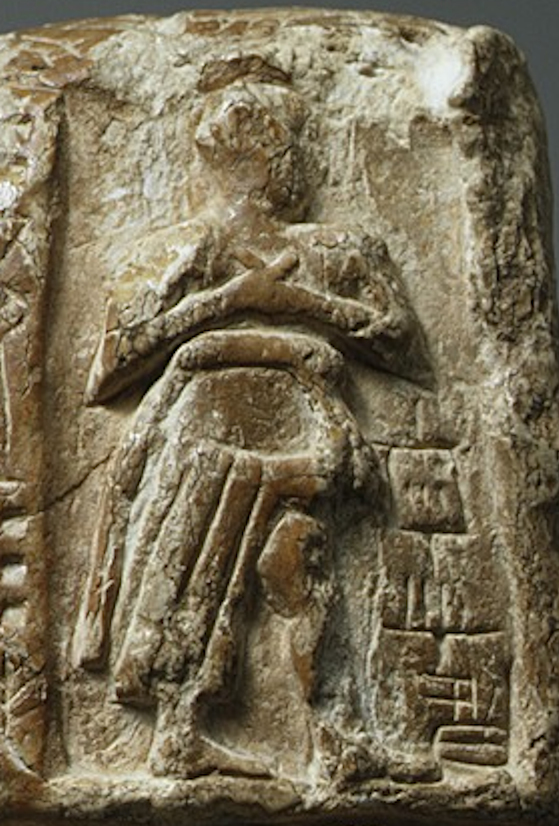
Larsa
Sumerian city-state and temple complex, Isin–Larsa period
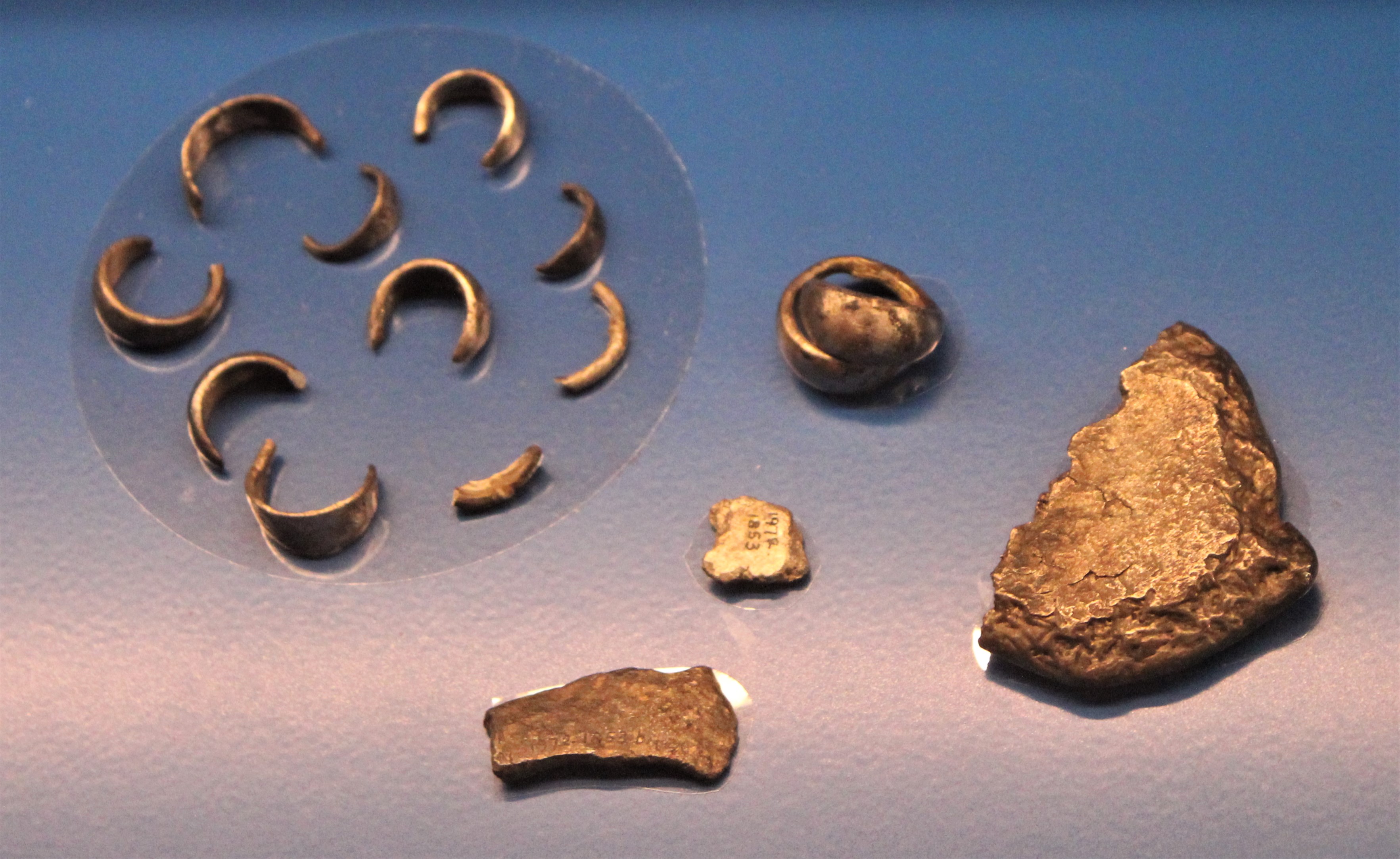
Tell Taya
Ancient hill city with fortifications and artifacts.
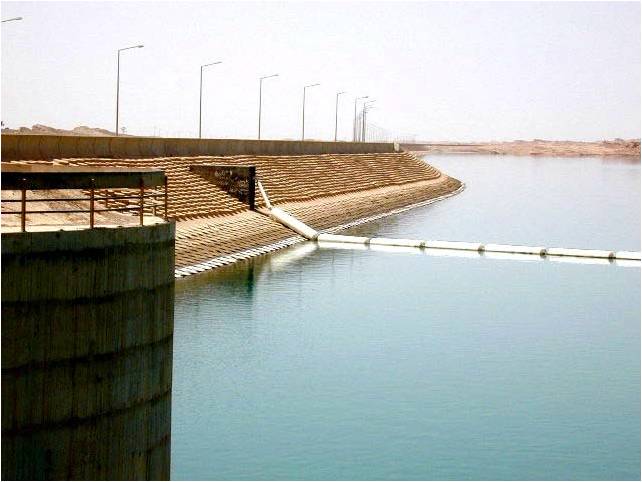
Tell Yelkhi
Oval mound with Kassite and earlier remains.
Tell al-Wilayah
Destroyed site with Early Dynastic remnants