Explore the Map
Bad-tibira
31.3797° N, 45.9997° E
About
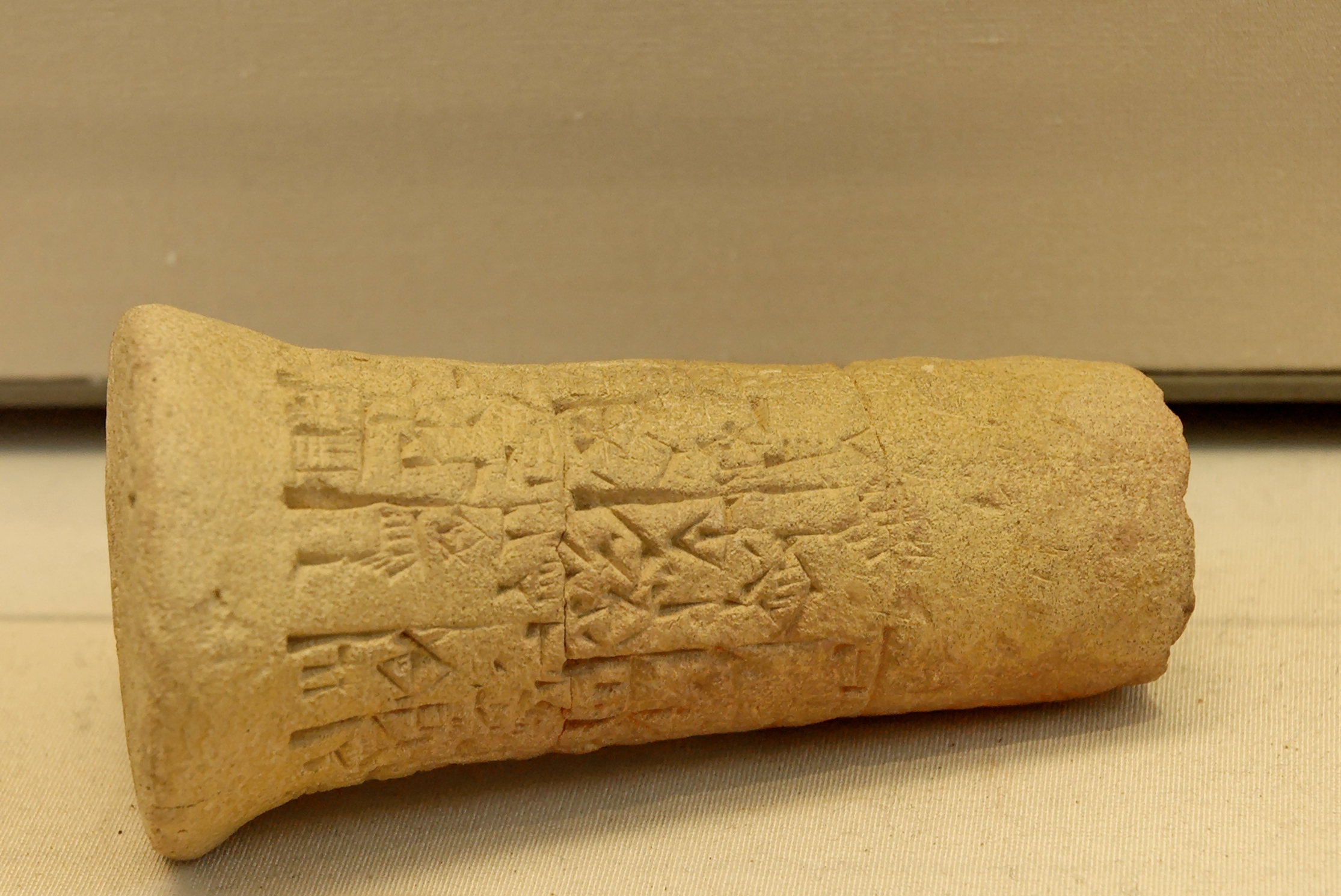
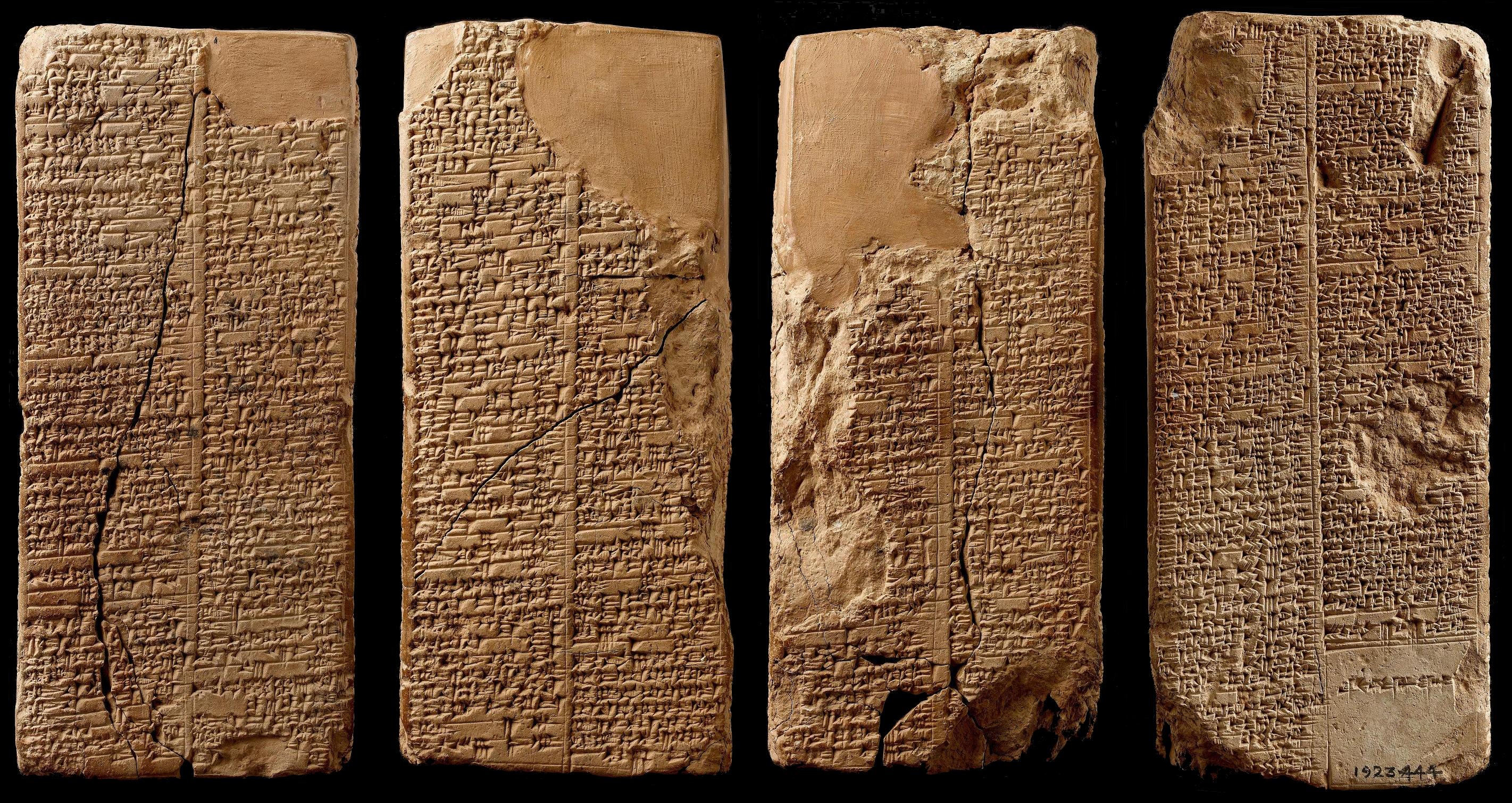
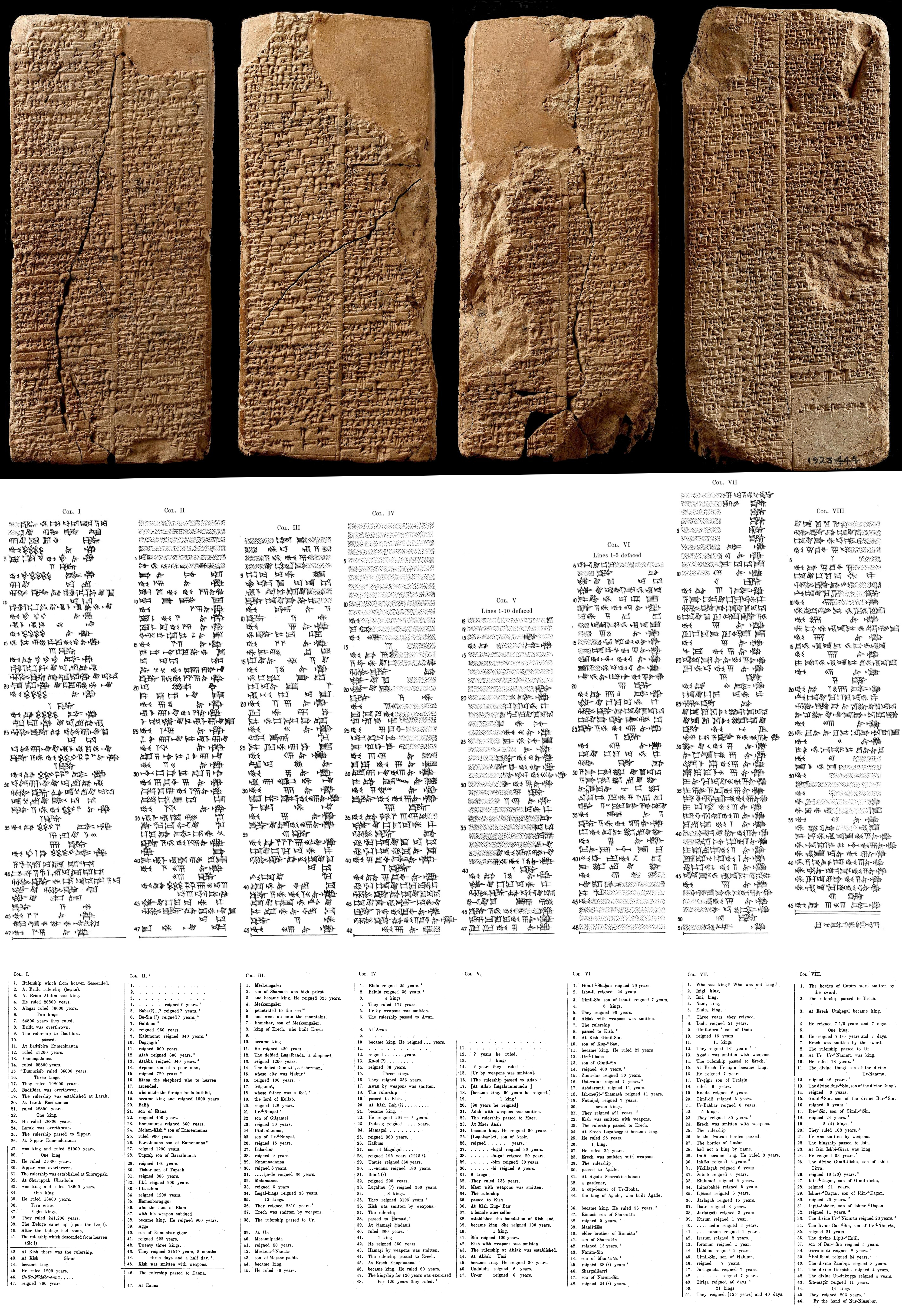
Bad-tibira, an ancient Sumerian city, holds a significant place in early Mesopotamian history. Located between Ash Shatrah and Tell as-Senkereh in southern Iraq, it was a notable center during the Early Bronze Age. Known for its association with metallurgy, its name translates to 'Wall of the Copper Worker' or 'Fortress of the Smiths.' The city is mentioned in the Sumerian King List as one of the antediluvian cities and is linked to figures such as Dumuzid the Shepherd. Archaeologically, Bad-tibira is important for its religious and water management structures, including the Iturungal canal built by Ur-Nammu and temples dedicated to deities like Inanna and Kittum. The site encapsulates the political and cultural dynamics of Sumer, switching control between city-states like Larsa and Isin in later periods.
Gallery
Explore photographs of ancient structures, artifacts, and archaeological excavations
Historical Timeline
Journey through time and discover key events in this site's history
Second city to exercise kingship
circa 3500 BCE
Entemena's temple construction
circa 2400 BCE
Temple restoration by En-metena
circa 2400 BCE
Iturungal canal construction
circa 2100 BCE
City under Larsa's control
circa 1785-1778 BCE
Archaeological Features
Unique architectural and cultural elements found at this historical site
Defensive Structures
Water Management Features
Religious and Ritual Structures
Domestic and Habitation Structures
Frequently Asked Questions
Plan Your Visit
Tours, travel arrangements, and practical information
More Sites in Iraq
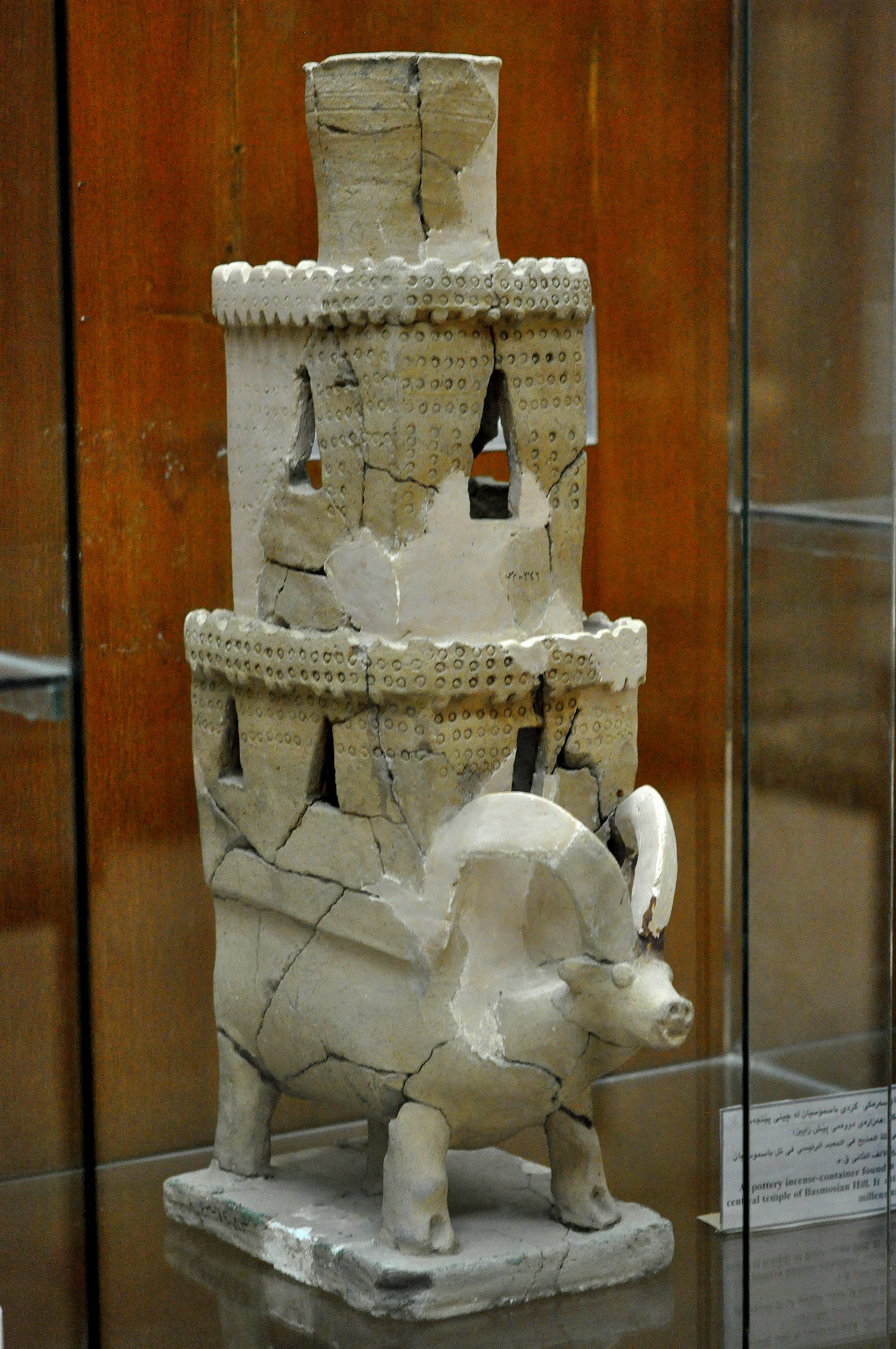
Tell Bazmusian
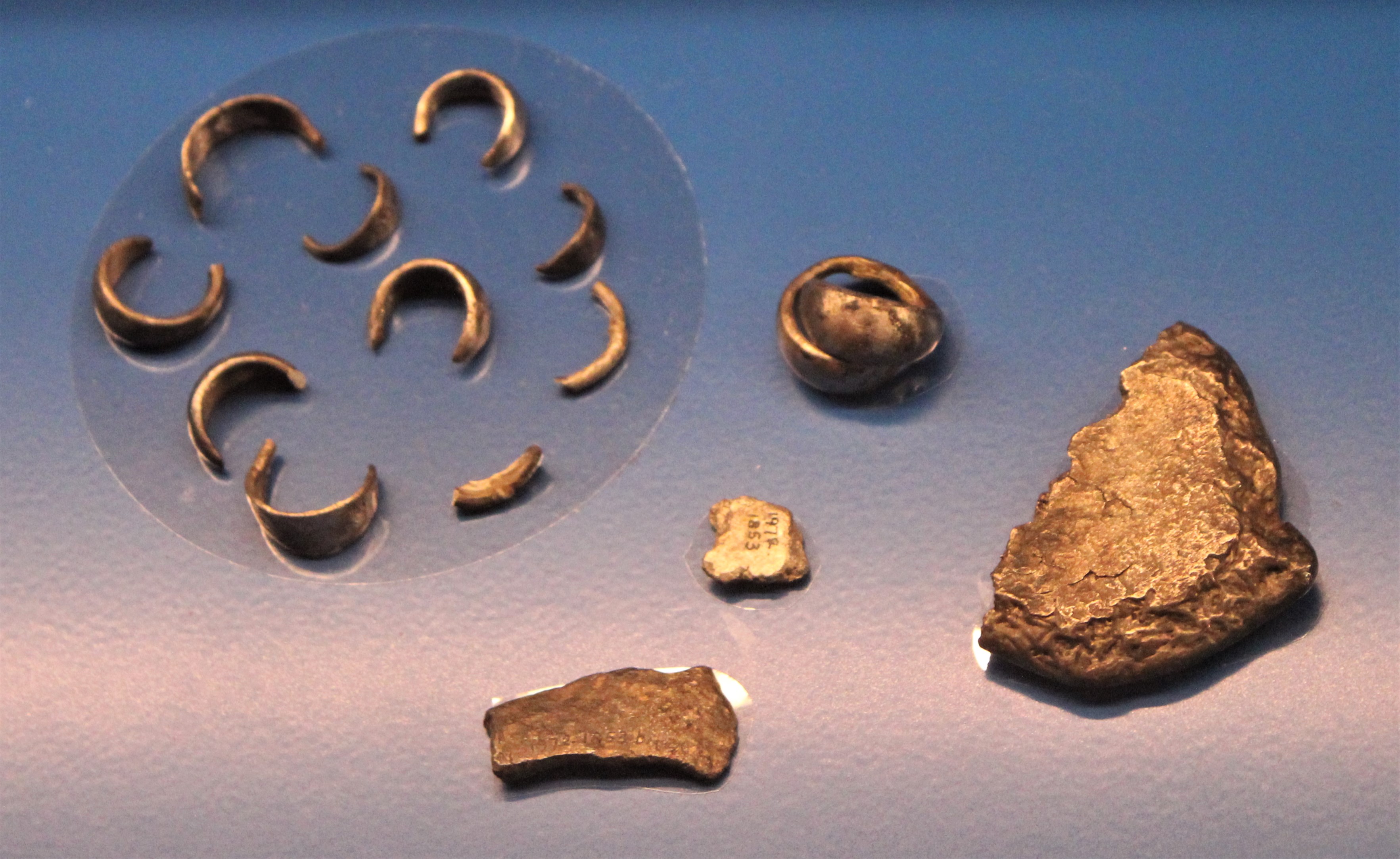
Large tell site with multi-period occupation.
Tell Taya
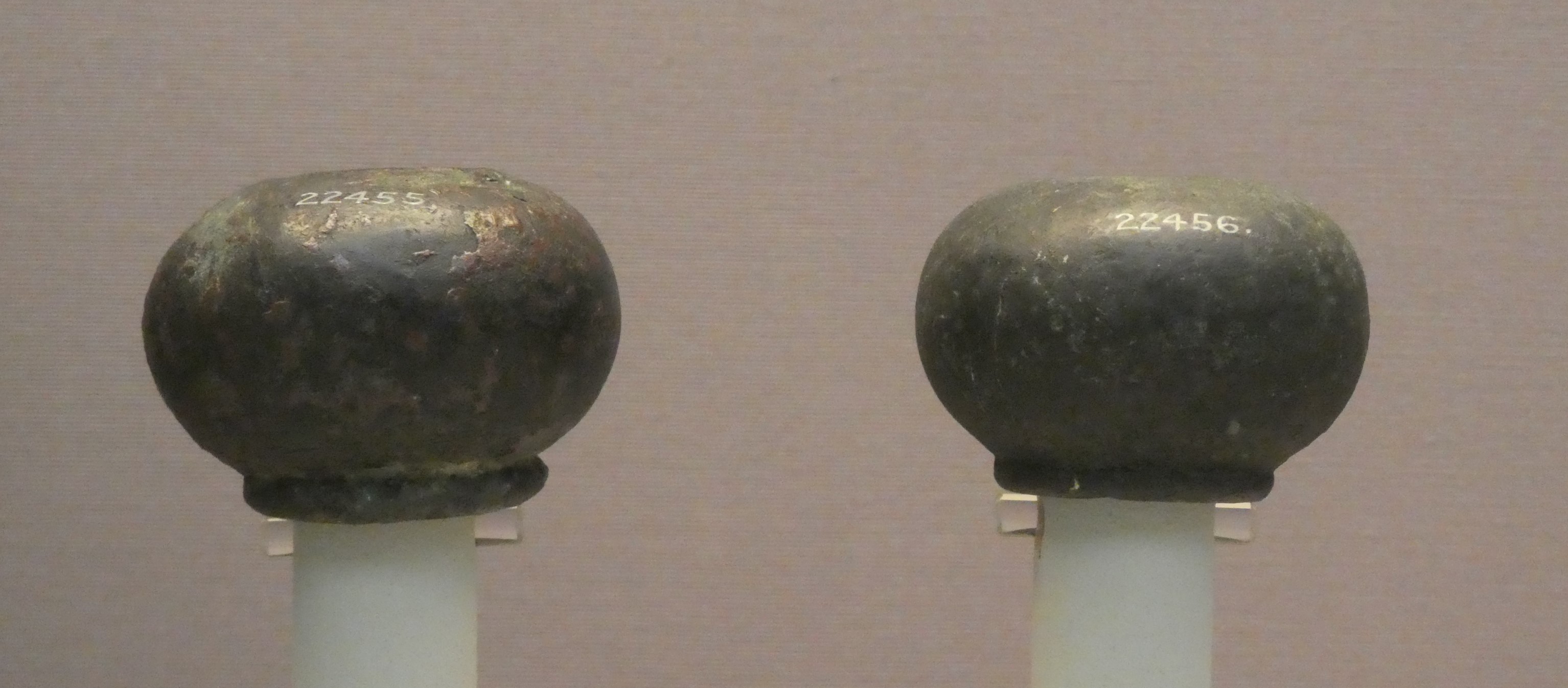
Ancient hill city with fortifications and artifacts.
Tell Muhammad
Ancient site with fortifications and tablets
Assur
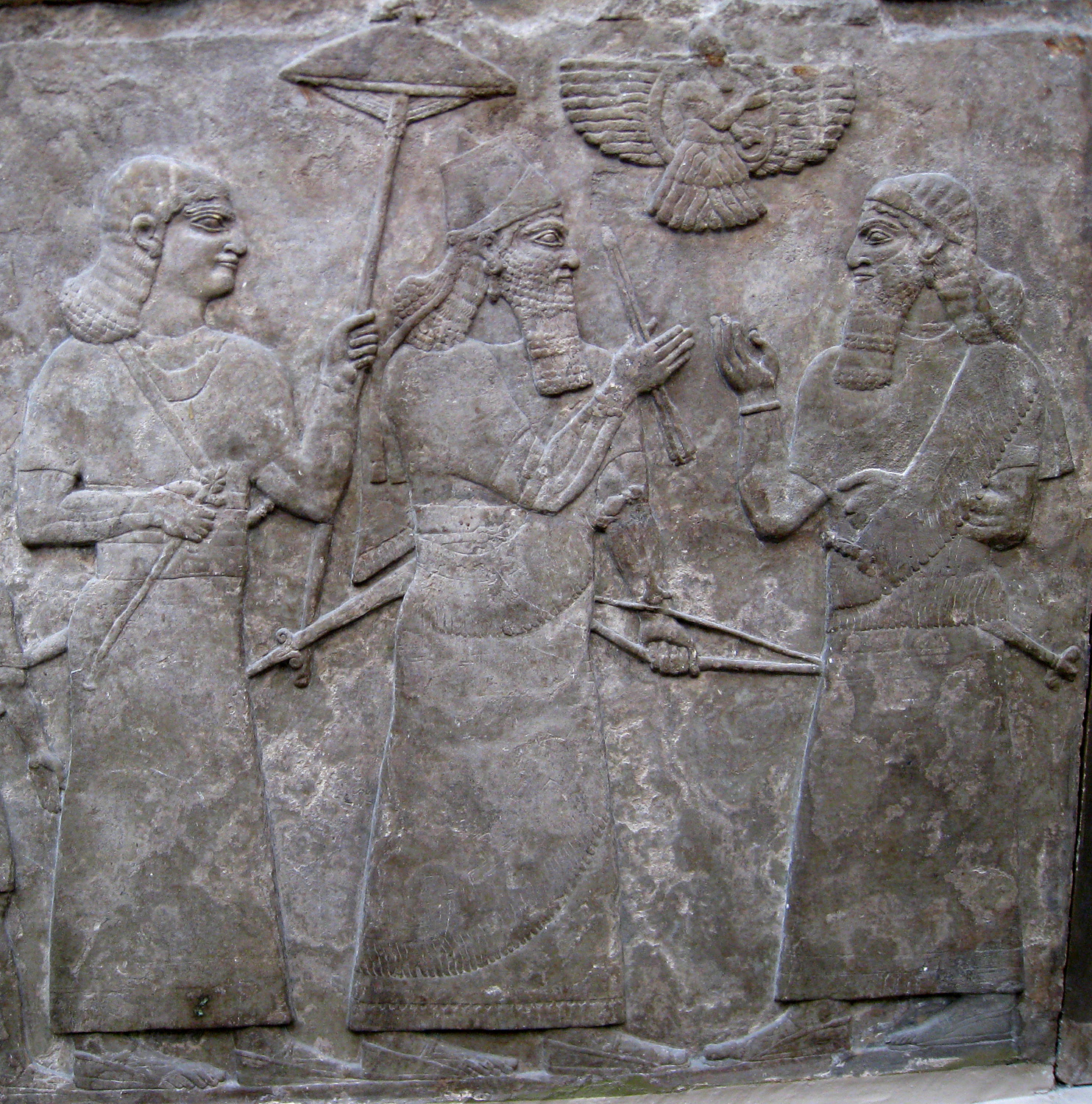
Ancient Assyrian city on the Tigris River
Larsa
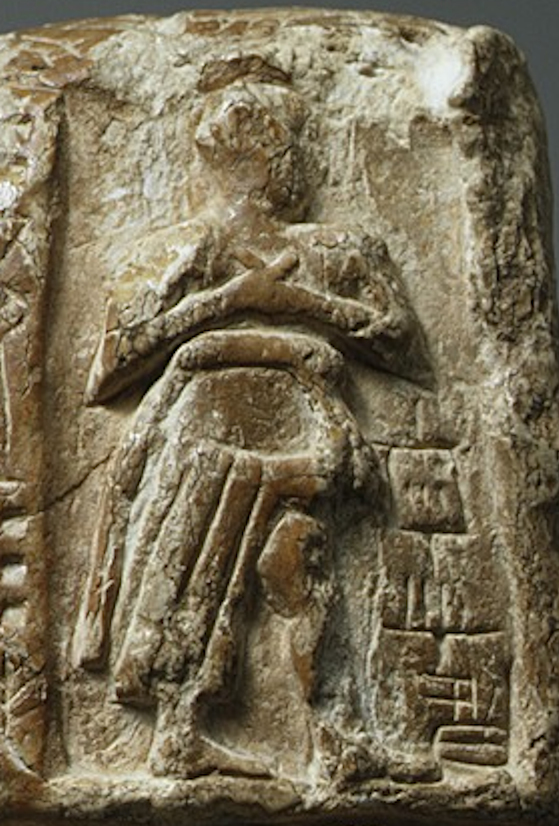
Sumerian city-state and temple complex, Isin–Larsa period
Tell al-Lahm
Oblong mound with city wall remnants