
Explore the Map
Nimrud
36.0981° N, 43.3289° E
About
Nimrud, originally known as Kalhu, was a significant ancient Assyrian city located in present-day Iraq. Established by Shalmaneser I in the 13th century BCE, it became a thriving urban center under Ashurnasirpal I, who renovated the city and constructed impressive structures, including palaces and temples. Known for its monumental architecture, the city featured the grand palace of Shalmaneser III and the iconic ziggurat. Nimrud served as a major Assyrian capital until the 8th century BCE when the capital was relocated to Dur Sharrukin. The city continued to be an important administrative center until its destruction by a coalition of Babylonians, Medes, and others in the late 7th century BCE. Despite its historical significance, the site suffered extensive damage in recent times due to conflict and deliberate destruction. Today, efforts are underway to preserve and restore what remains of this once-great city.
Gallery
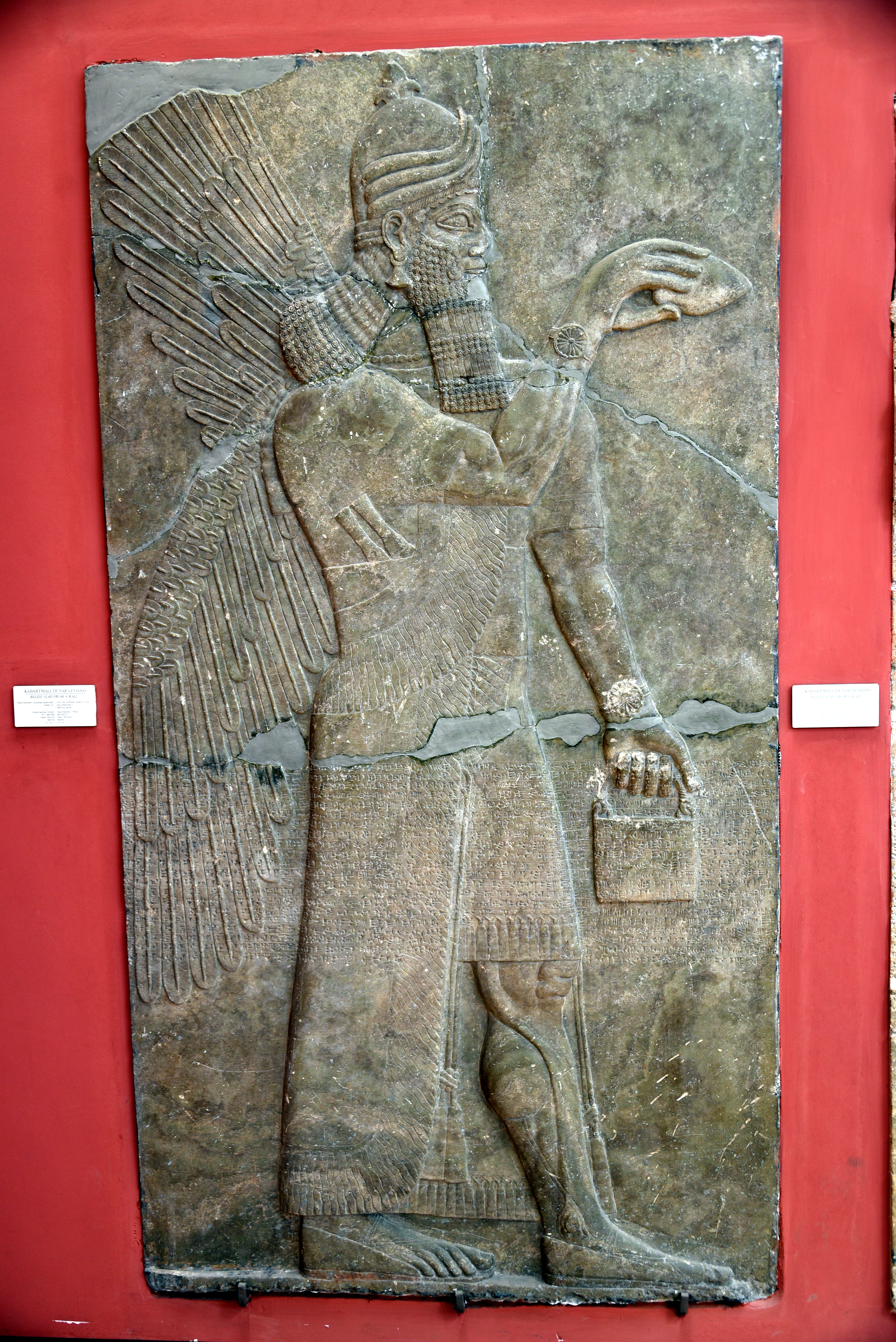
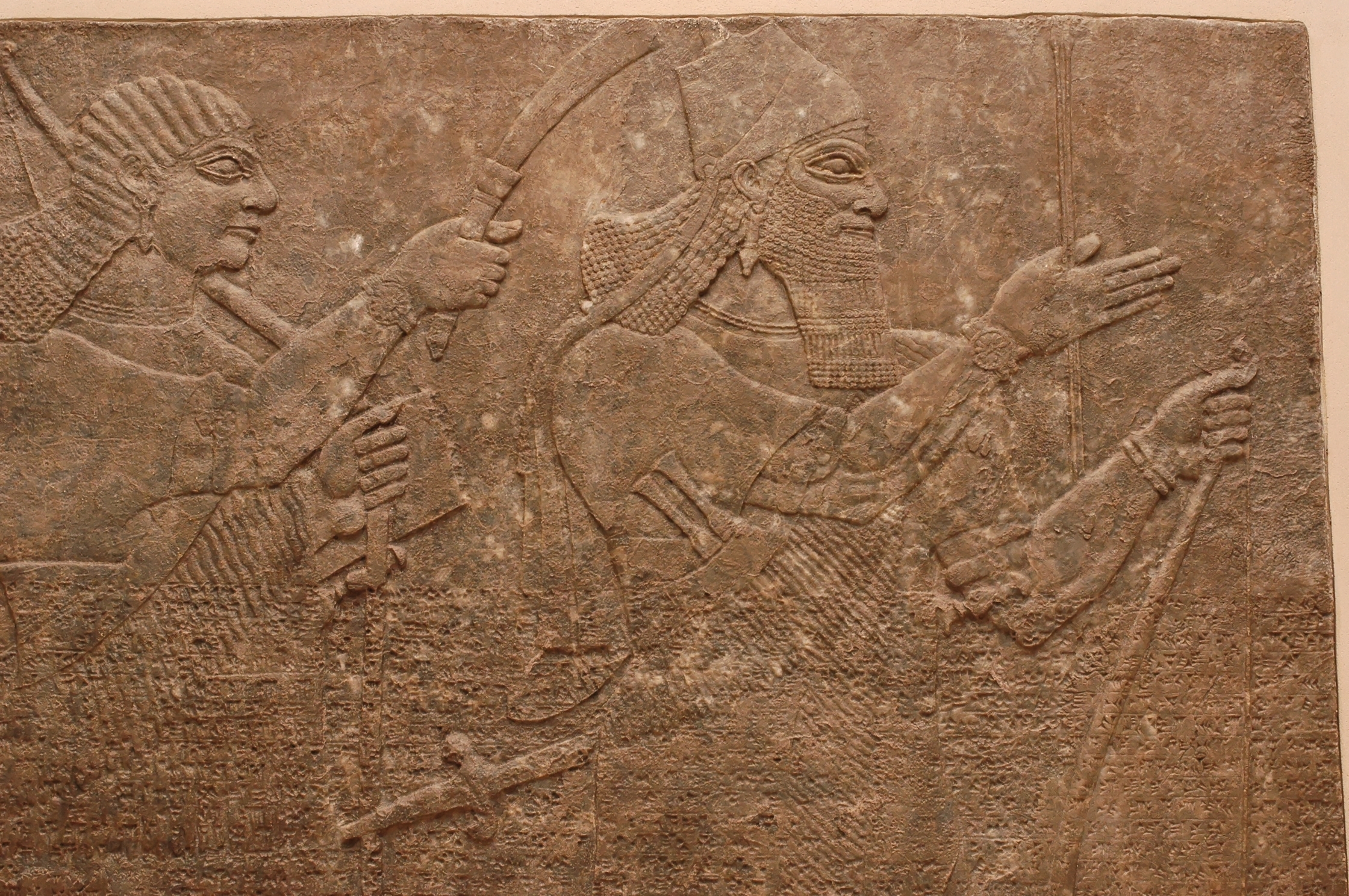
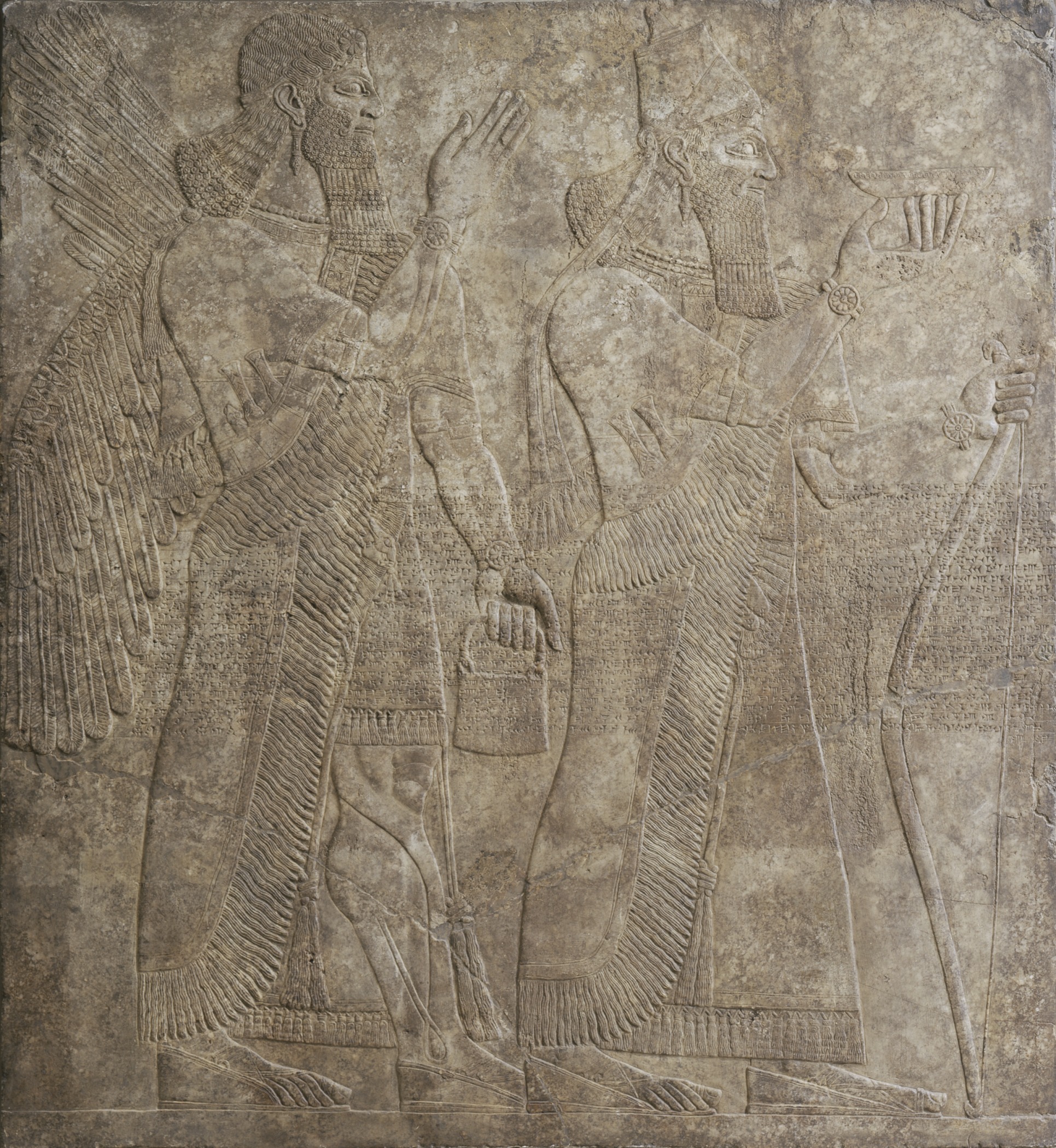
Explore photographs of ancient structures, artifacts, and archaeological excavations
Historical Timeline
Journey through time and discover key events in this site's history
Ashurnasirpal I's Construction
11th century BCE
Grand Opening Ceremony
864 BCE
Capital Moved to Dur Sharrukin
706 BCE
Destruction by Babylonians and Allies
616-599 BCE
Shalmaneser III's Palace
858-823 BCE
Foundation of Kalhu
1274-1245 BCE
Archaeological Features
Unique architectural and cultural elements found at this historical site
Burial and Funerary Structures
Religious and Ritual Structures
Artistic and Decorative Features
Domestic and Habitation Structures
Frequently Asked Questions
Plan Your Visit
Tours, travel arrangements, and practical information
More Sites in Iraq
Assur
Ancient Assyrian city on the Tigris River
Tarbisu
Ancient Assyrian city with palaces and temples
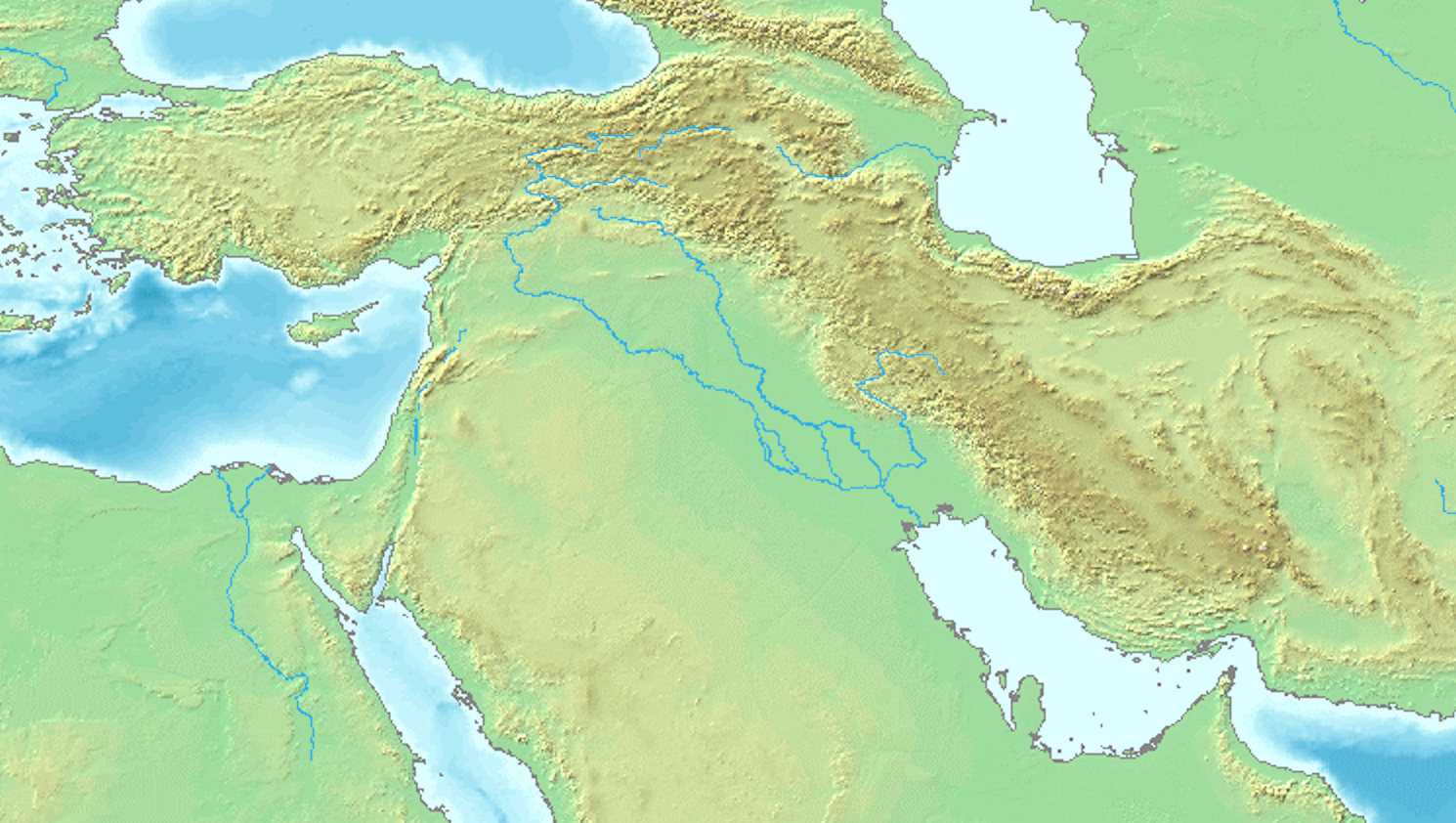
Tell al-Fakhar
Pottery mound with multi-period occupation.
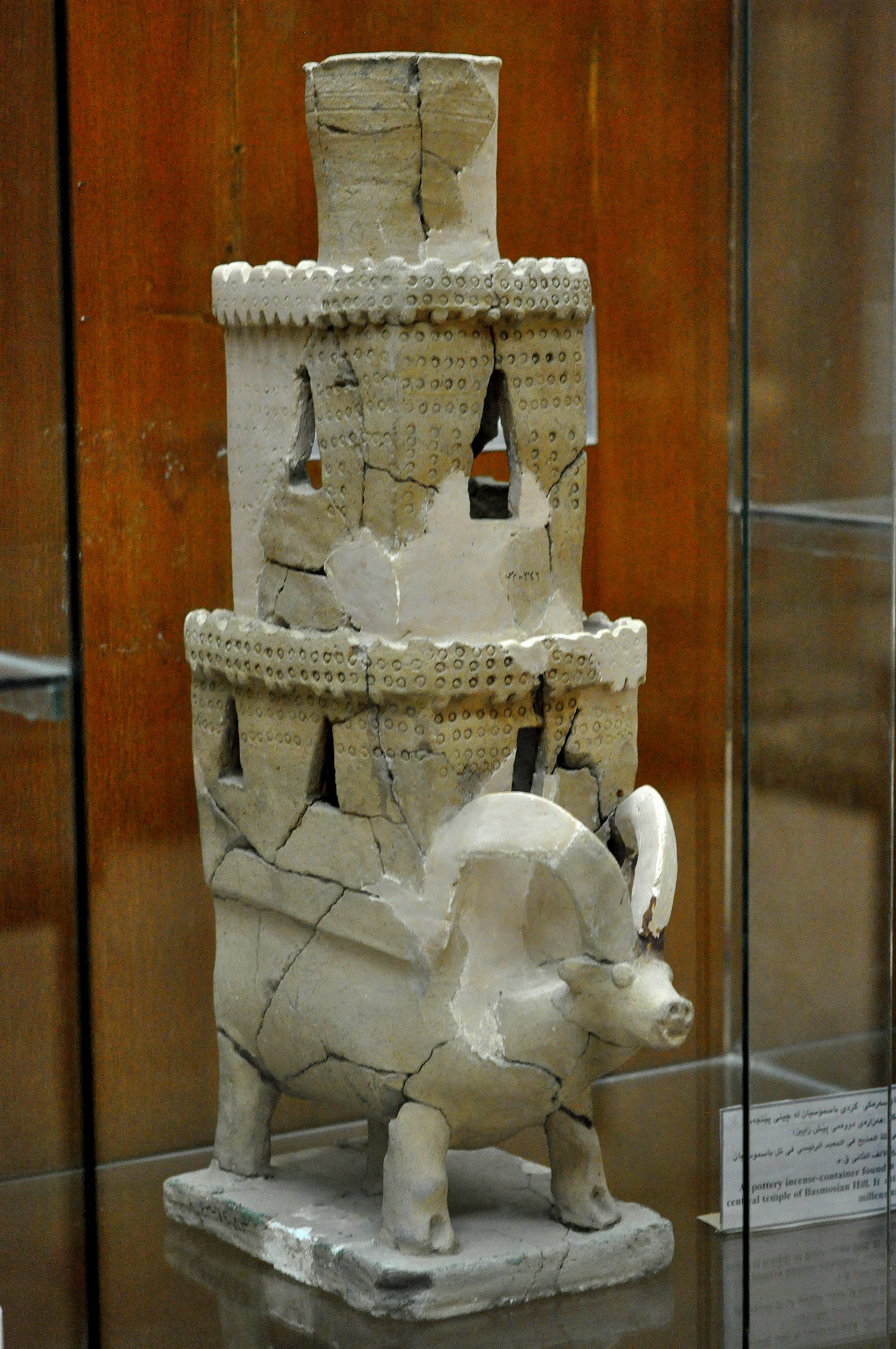
Tell Bazmusian
Large tell site with multi-period occupation.
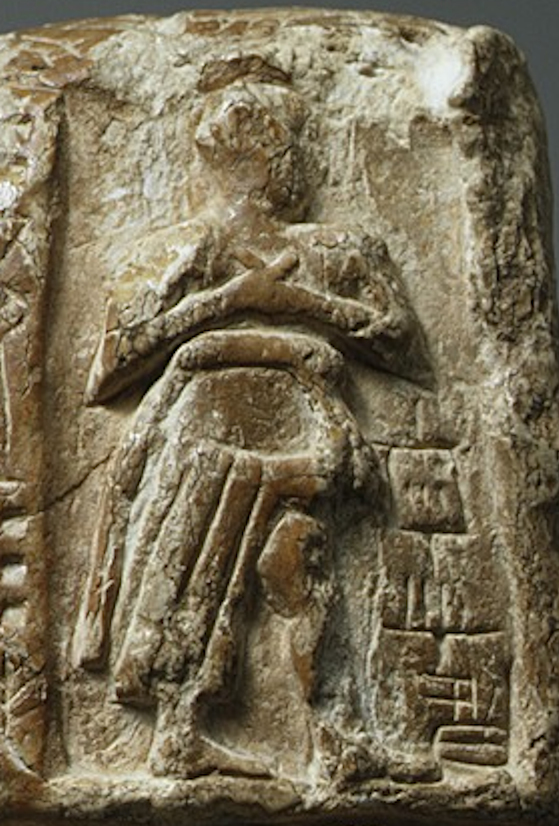
Larsa
Sumerian city-state and temple complex, Isin–Larsa period
Tell al-Lahm
Oblong mound with city wall remnants