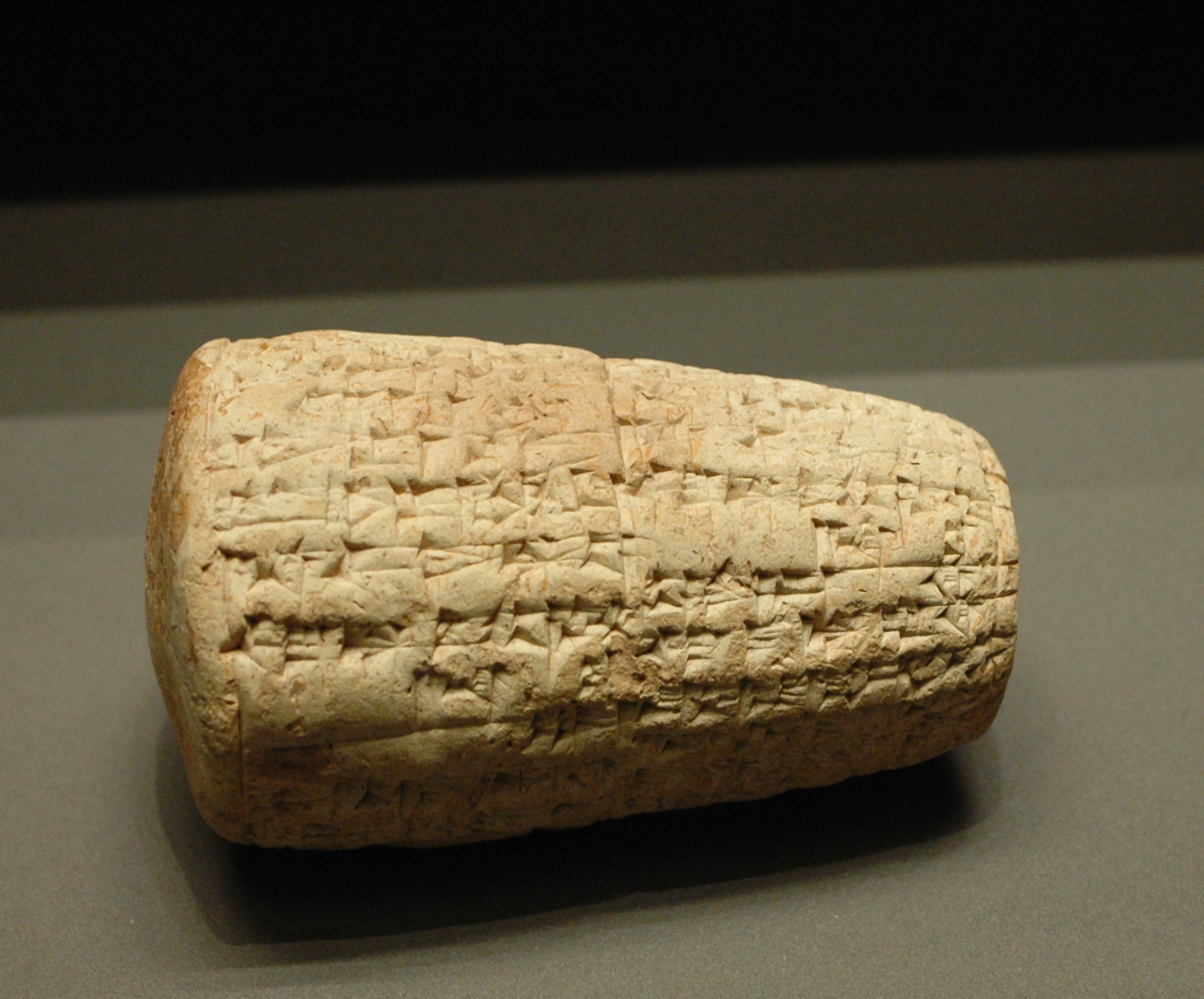
Explore the Map
Sippar
33.0588° N, 44.2522° E
About
Sippar, an ancient city located on the east bank of the Euphrates River, played a significant role in the history of Mesopotamia. Originally a Sumerian settlement, it became an important center during the Akkadian, Old Babylonian, and Kassite periods. Sippar was known for its religious significance, housing the temple of Shamash, the sun god, and the E-babbara temple. Its strategic position and rich religious and civic structures underscore its importance. The city was involved in notable historical events, such as revolts against the Akkadian Empire and captures by external powers like the Elamites. Its archaeological significance is highlighted by the discovery of thousands of cuneiform tablets, providing insights into the socio-economic and religious life of ancient Mesopotamia.
Gallery
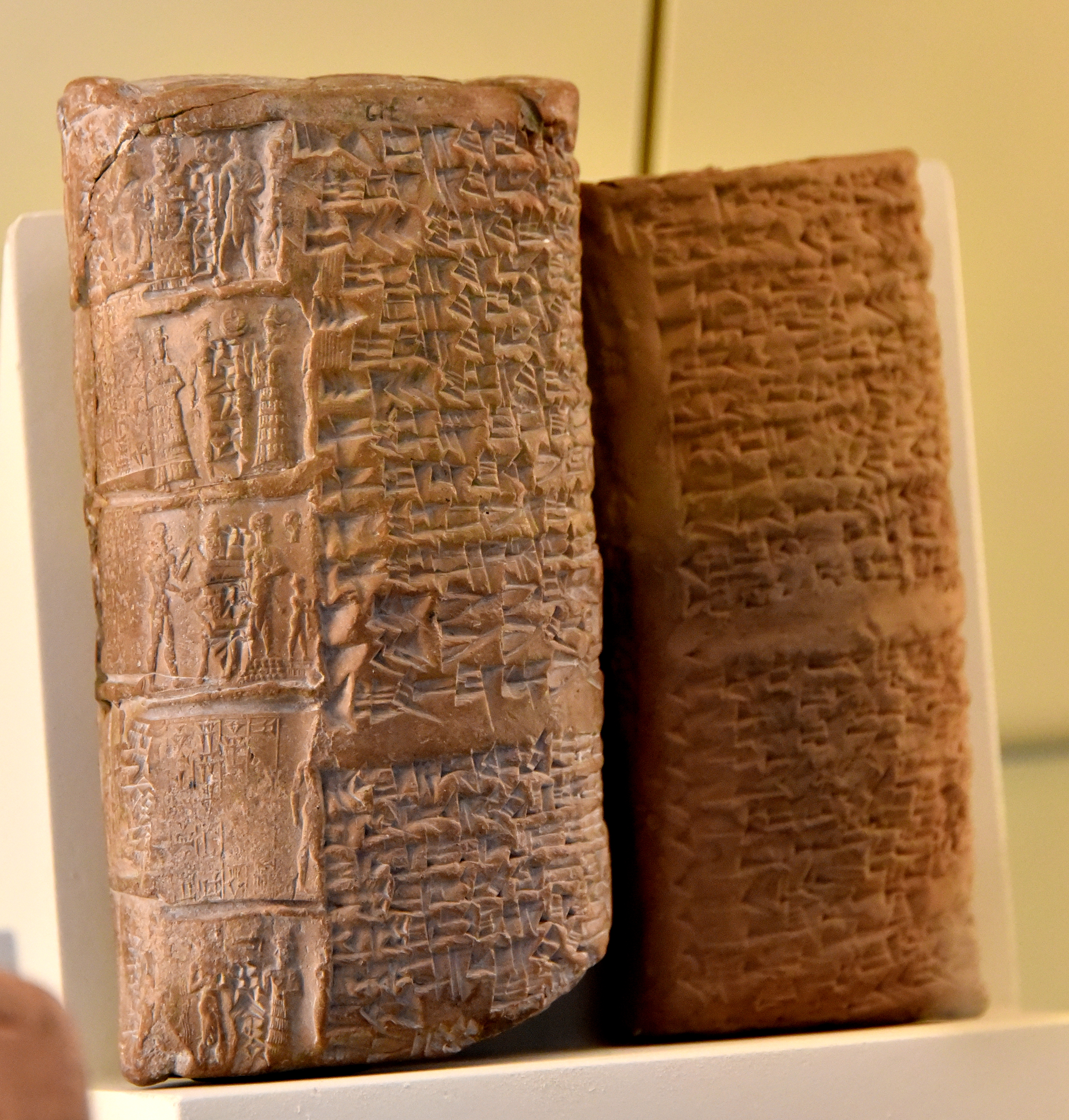
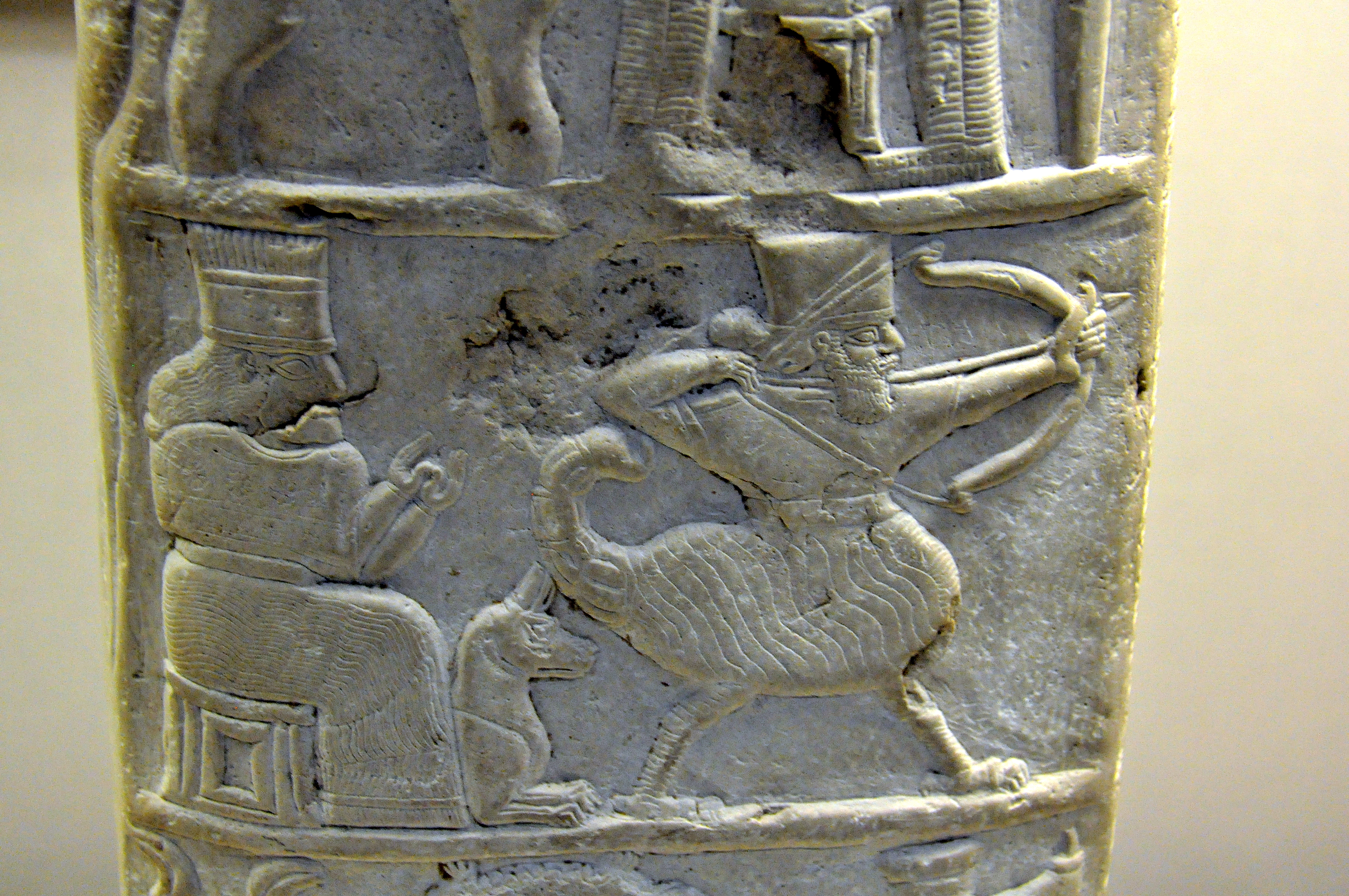
Explore photographs of ancient structures, artifacts, and archaeological excavations
Historical Timeline
Journey through time and discover key events in this site's history
Surrender to Achaemenid Empire
539 BCE
Neo-Babylonian Period
626-539 BCE
Capture by Shutruk-Nakhunte
1184-1155 BCE
Kassite Dynasty Control
1595-1155 BCE
Old Babylonian Period
2000-1595 BCE
Akkadian Empire Control
2334-2154 BCE
Early Dynastic Period
2900-2400 BCE
Uruk Period Occupation
3300-3000 BCE
Archaeological Features
Unique architectural and cultural elements found at this historical site
Storage Structures
Defensive Structures
Public and Civic Structures
Religious and Ritual Structures
Domestic and Habitation Structures
Frequently Asked Questions
Plan Your Visit
Tours, travel arrangements, and practical information
More Sites in Iraq
Tell al-Lahm
Oblong mound with city wall remnants
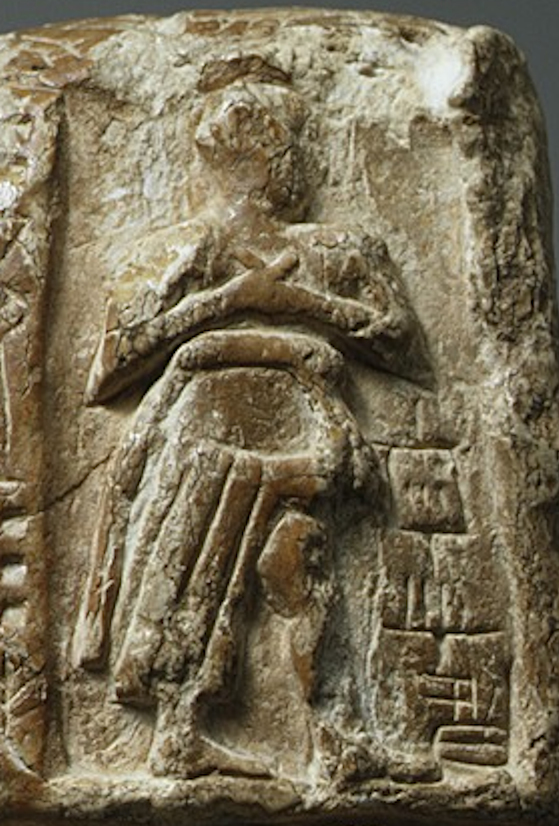
Larsa
Sumerian city-state and temple complex, Isin–Larsa period
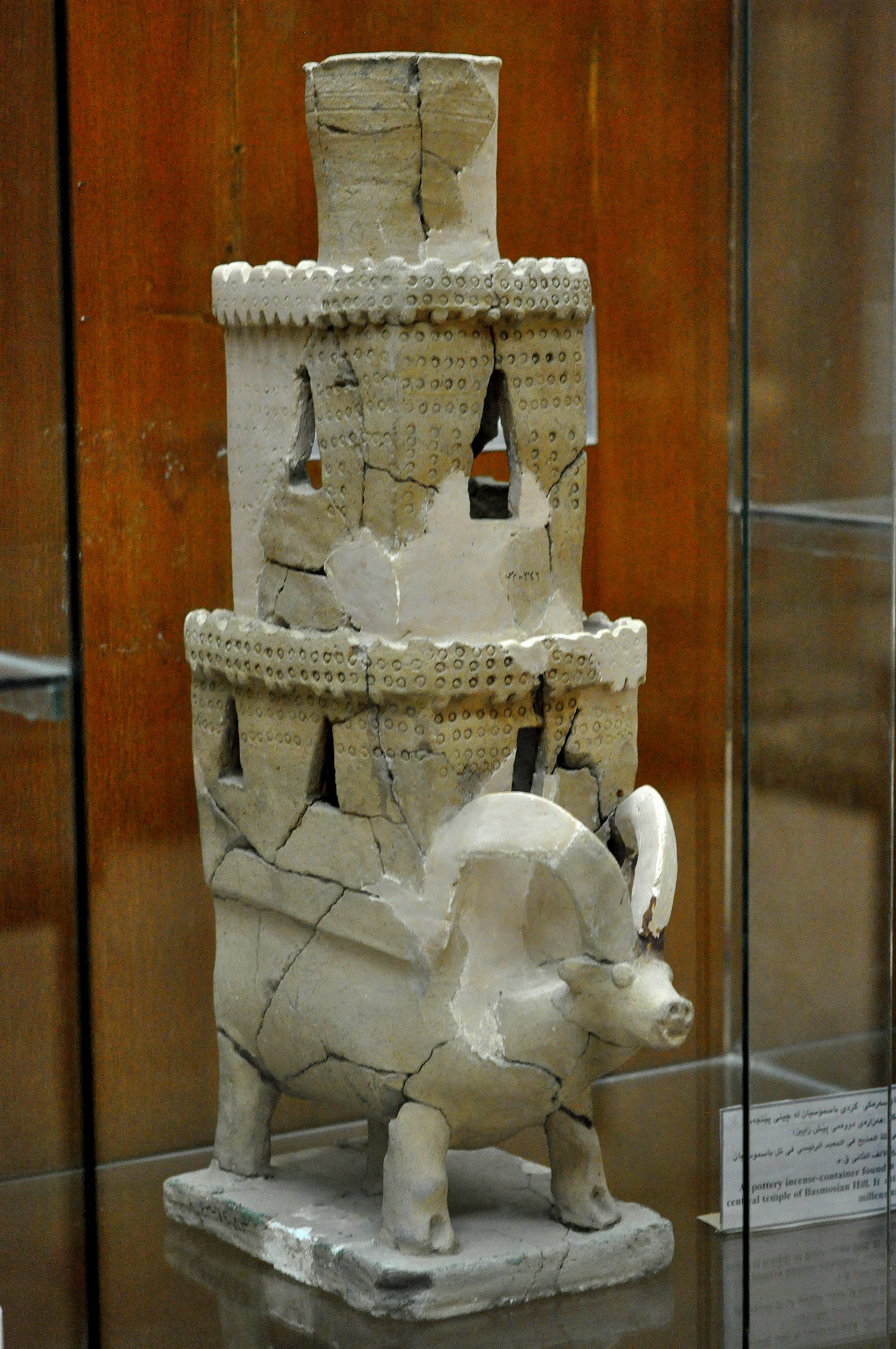
Tell Bazmusian
Large tell site with multi-period occupation.
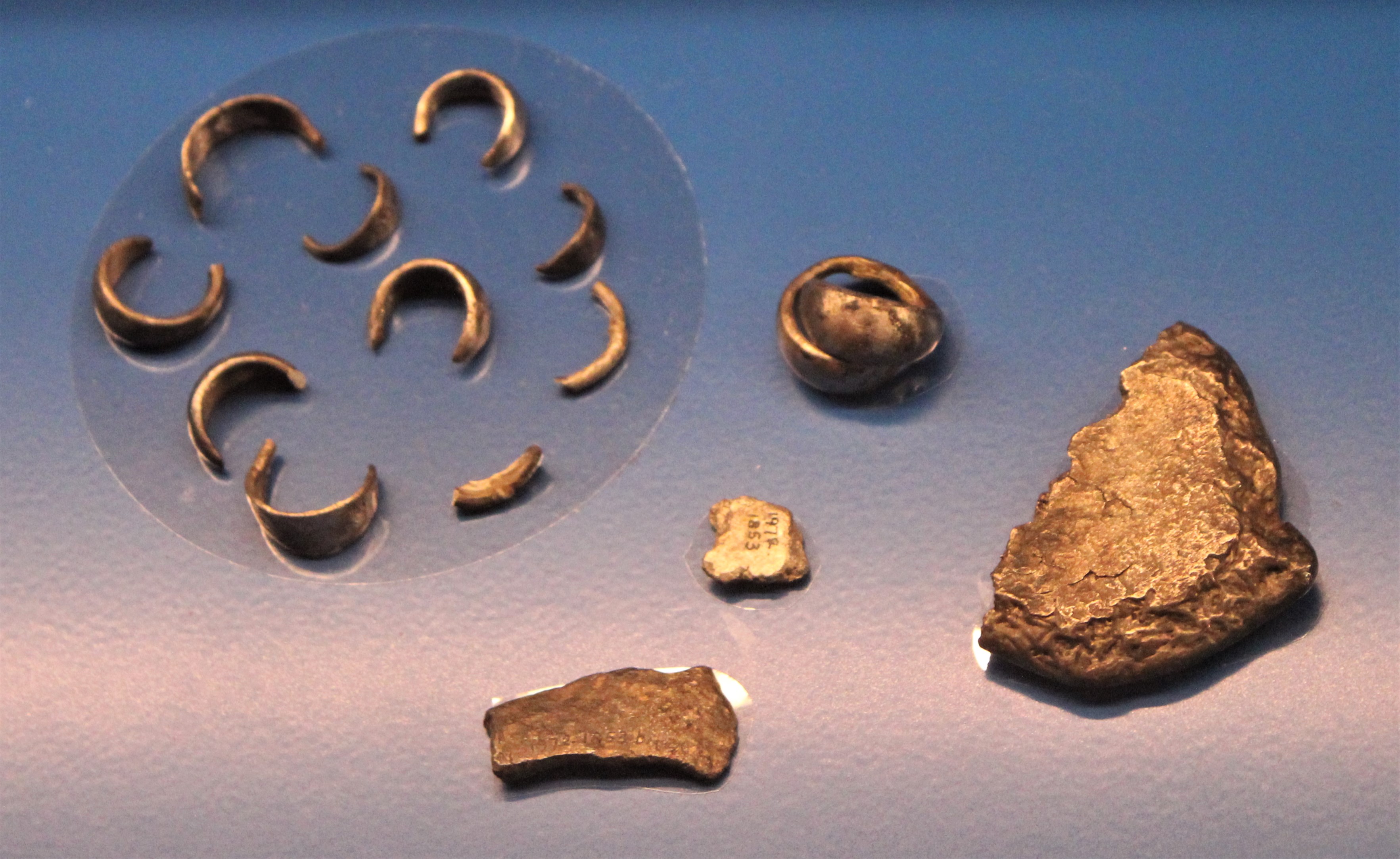
Tell Taya
Ancient hill city with fortifications and artifacts.
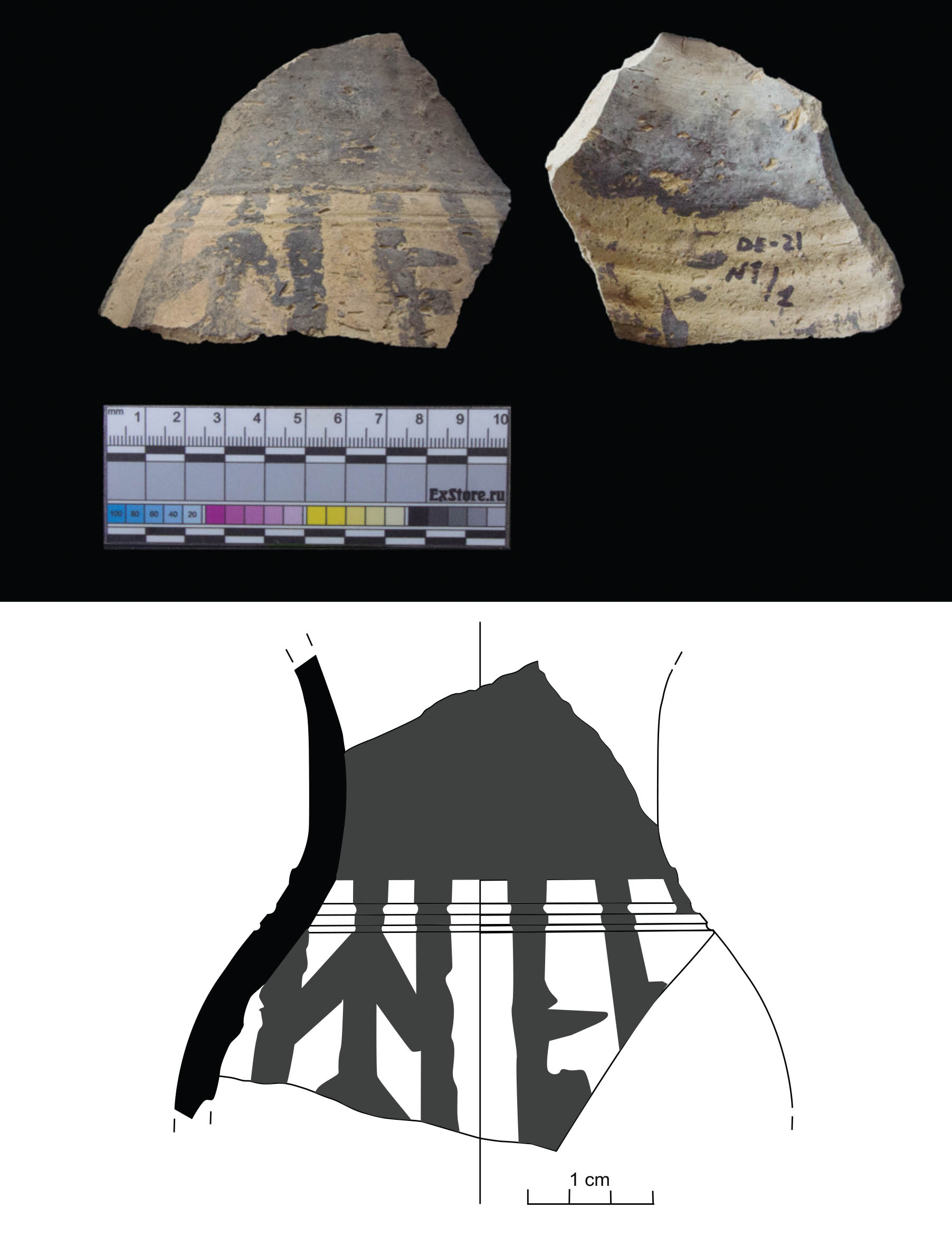
Tell Dehaila
Ancient tell site with mudbrick structures
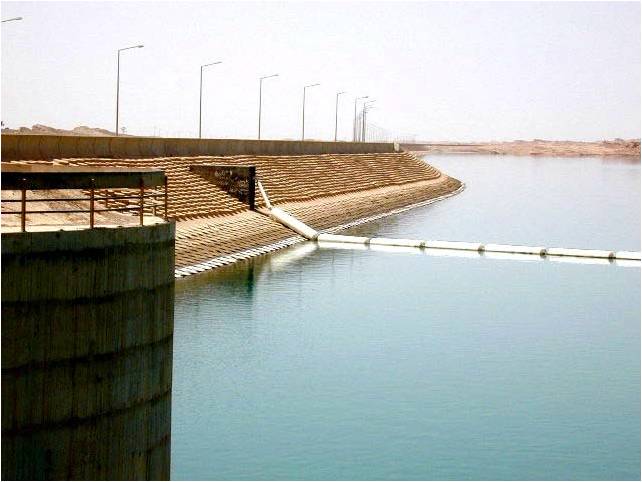
Tell Yelkhi
Oval mound with Kassite and earlier remains.