Explore the Map
Tell Hassuna
36.4640° N, 42.9635° E
About
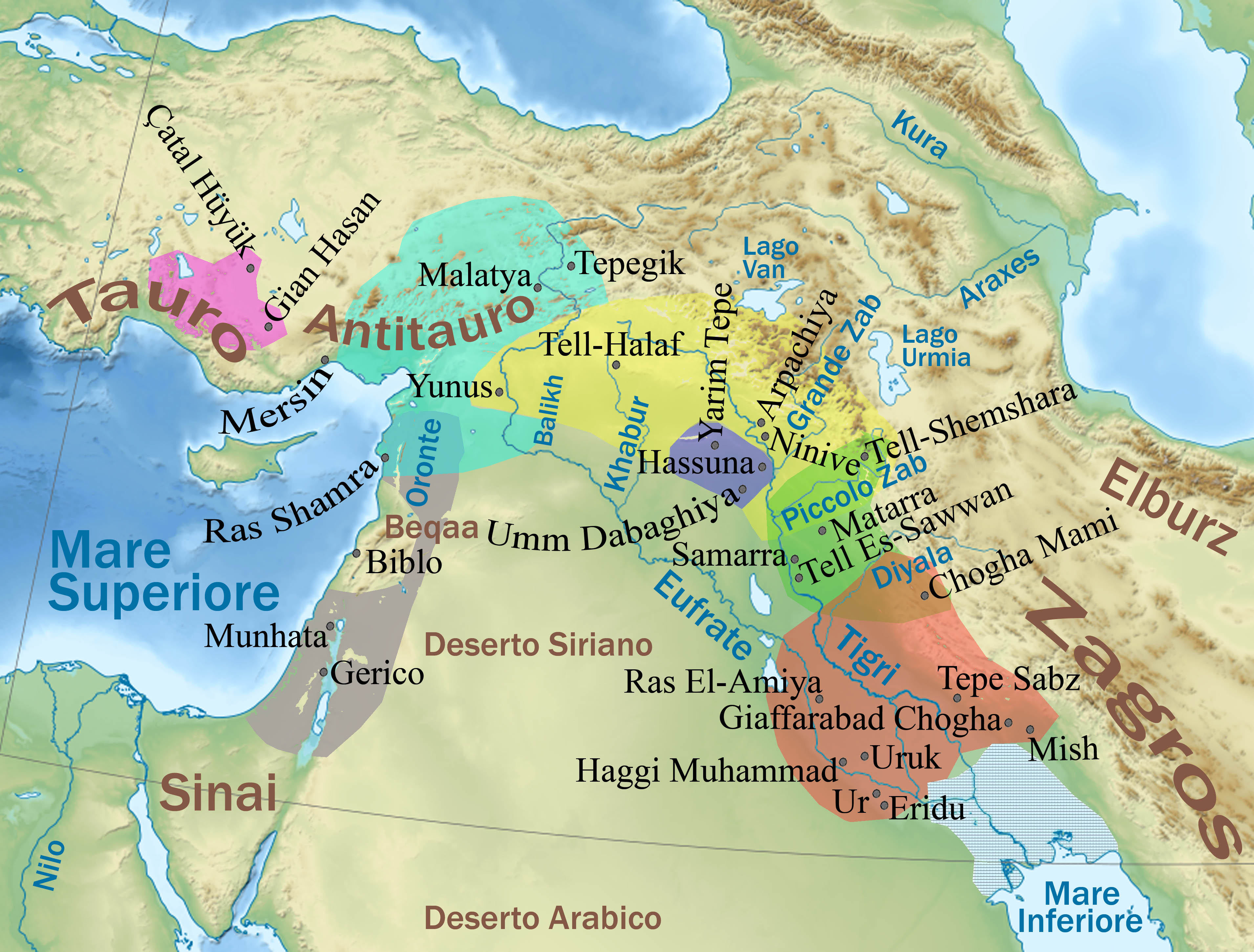
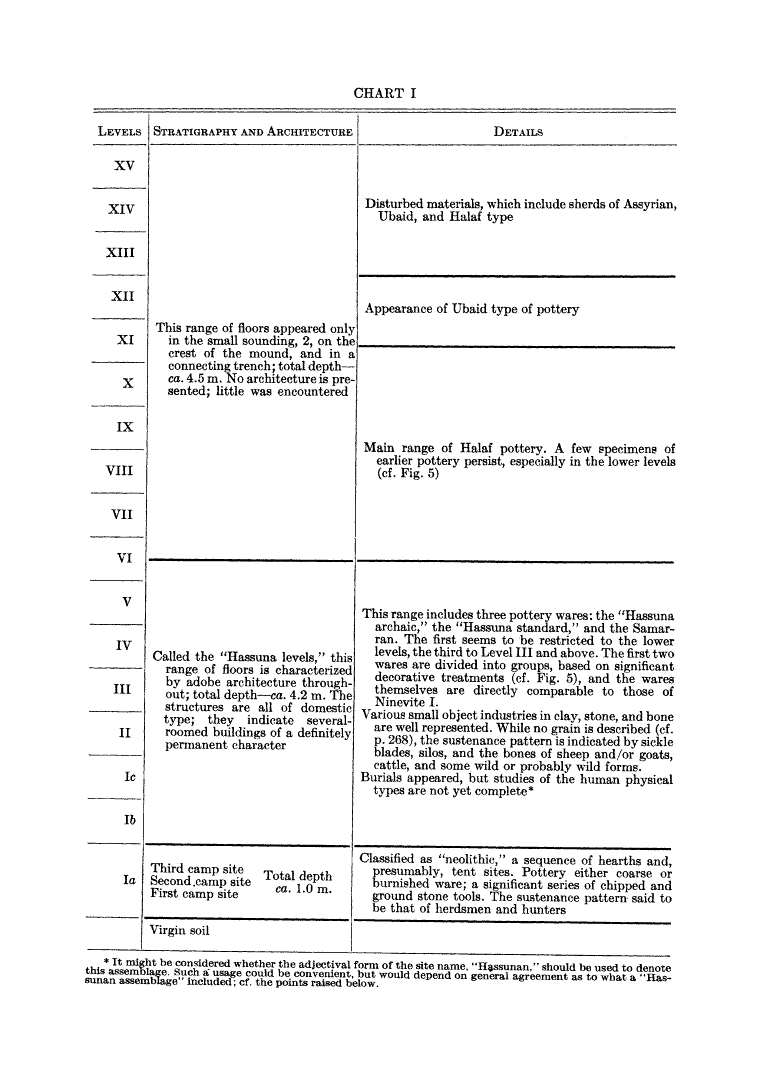
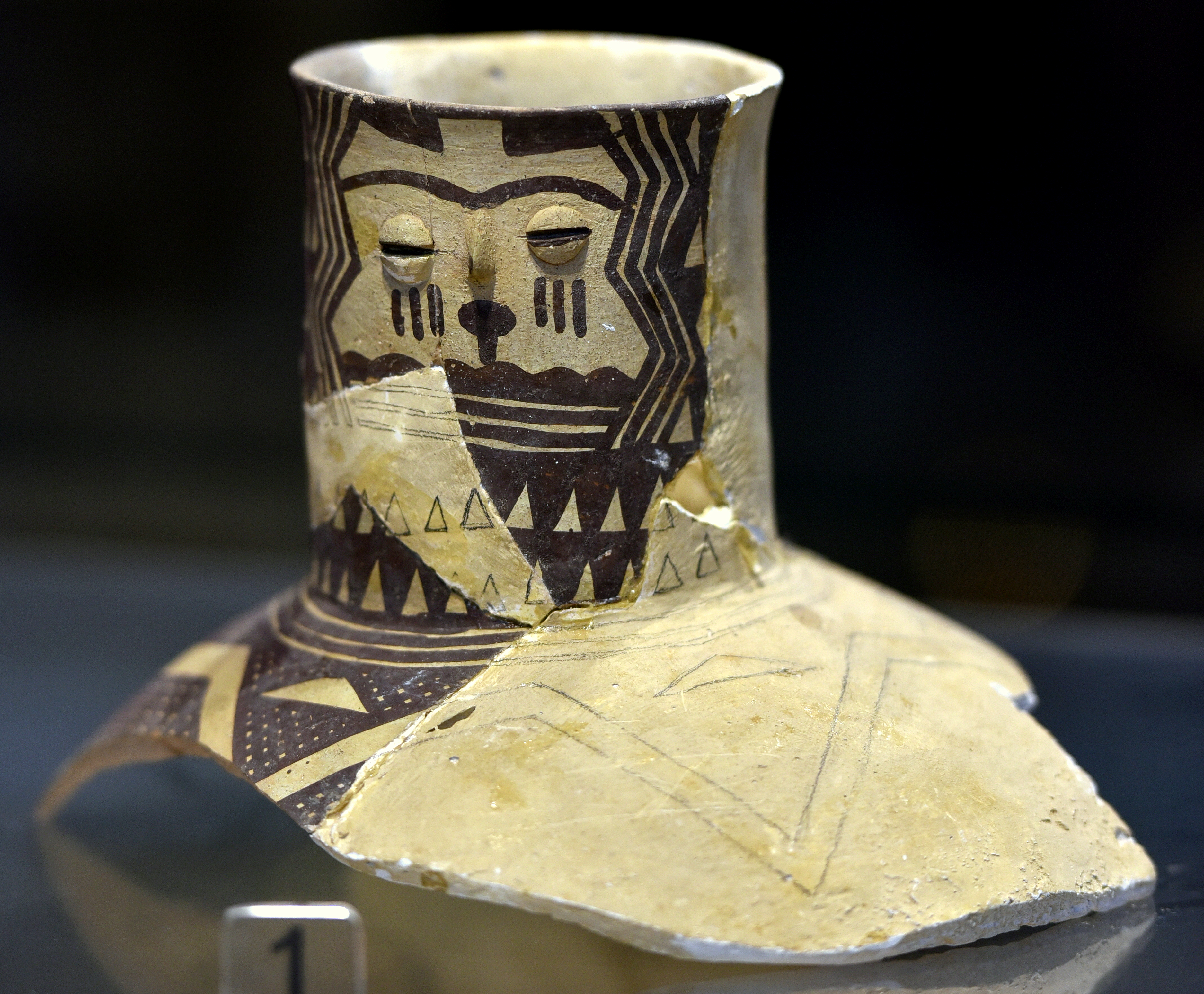
Tell Hassuna is an archaeological site in Northern Mesopotamia, distinguished as the type site for the Hassuna culture. Situated approximately 35 kilometers southwest of modern Mosul, the site reveals an early village culture thriving around the sixth millennium BCE. Excavations have uncovered six distinct layers of habitation, showcasing adobe dwellings and courtyards reflective of early domestic architecture. Tell Hassuna's significance lies in its evidence of early agricultural practices, including dry farming and livestock raising, alongside the development of fine pottery, indicating a sophisticated community with trade connections throughout the Middle East. The site also features religious artifacts such as female figurines and jar burials, suggesting a belief in the afterlife and ritual practices. Its discovery has deepened understanding of Northern Mesopotamian settlement patterns and cultural development during the Neolithic period.
Gallery
Explore photographs of ancient structures, artifacts, and archaeological excavations
Historical Timeline
Journey through time and discover key events in this site's history
Introduction of fine pottery
~6000 BCE
Early village settlement
~5600-5350 BCE
Archaeological Features
Unique architectural and cultural elements found at this historical site
Burial and Funerary Structures
Religious and Ritual Structures
Agricultural and Land Use Features
Domestic and Habitation Structures
Food Production and Processing Features
Frequently Asked Questions
Plan Your Visit
Tours, travel arrangements, and practical information
More Sites in Iraq
Tell al-Lahm
Oblong mound with city wall remnants
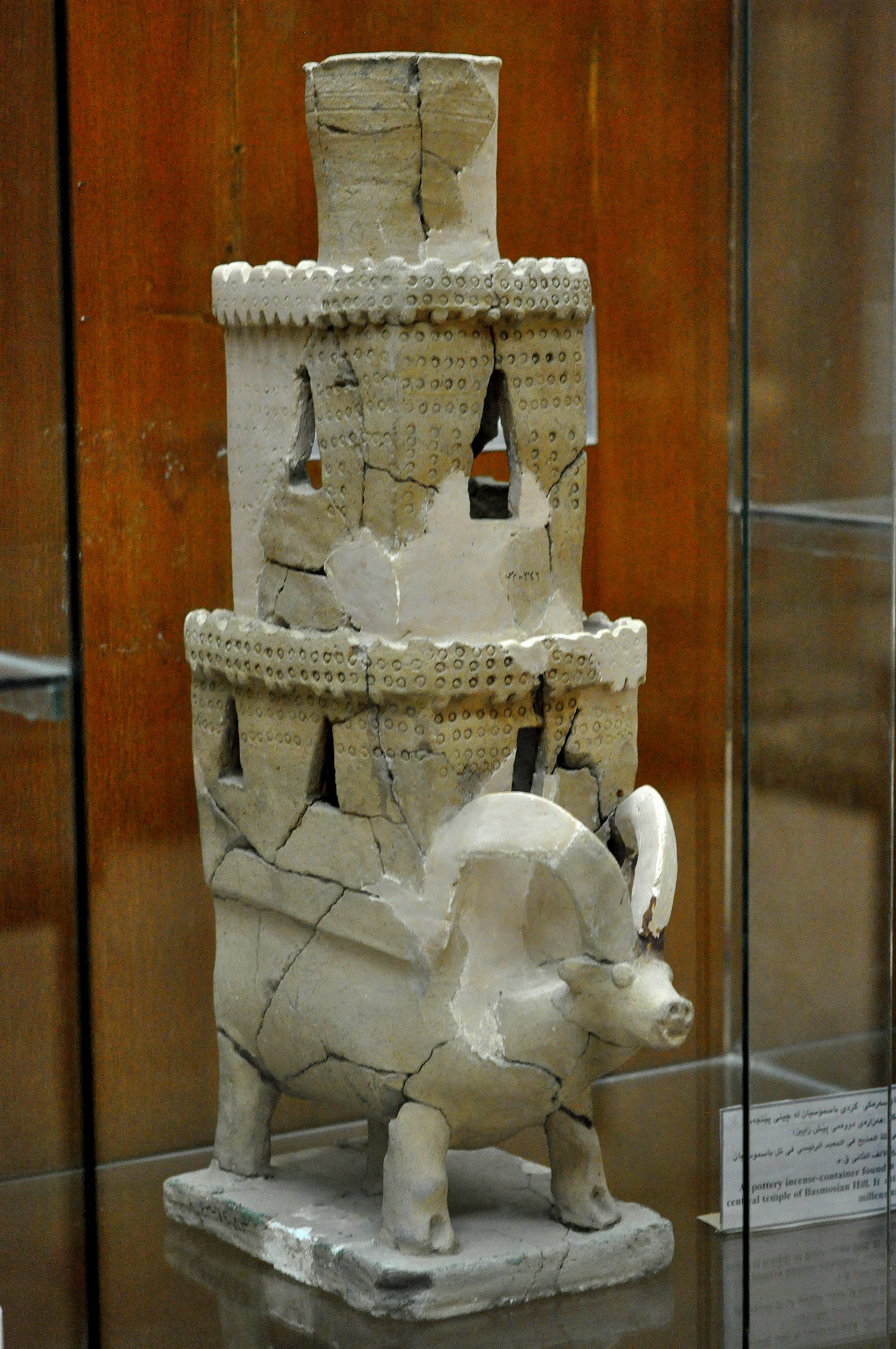
Tell Bazmusian
Large tell site with multi-period occupation.
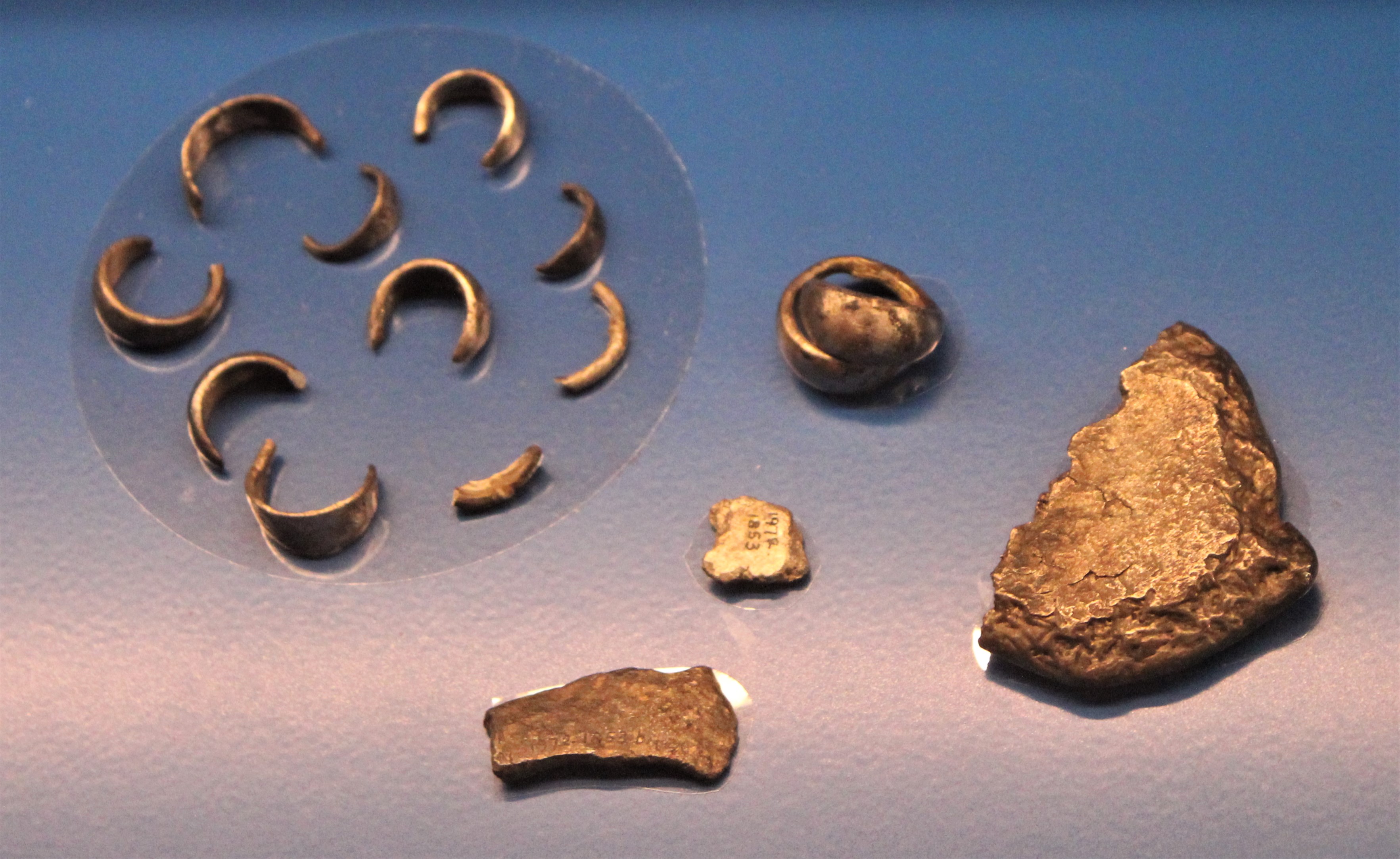
Tell Taya
Ancient hill city with fortifications and artifacts.
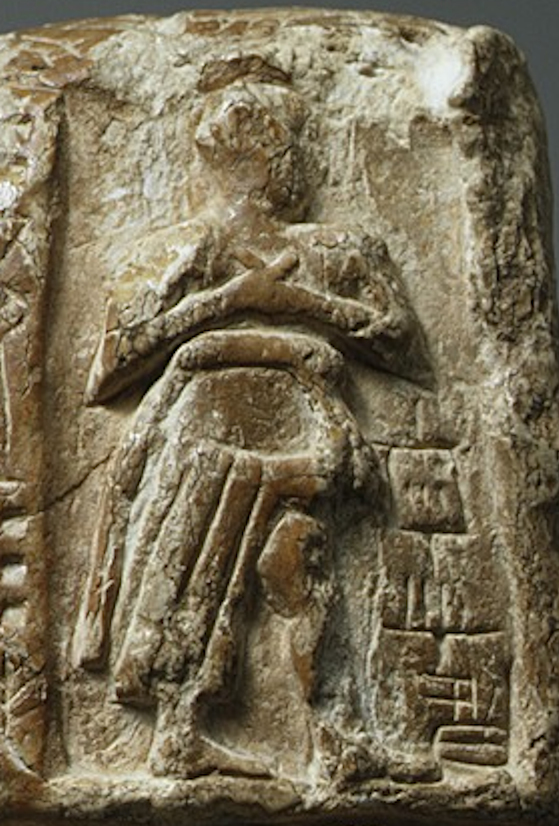
Larsa
Sumerian city-state and temple complex, Isin–Larsa period
Tell Rashid
Ubaid period settlement mound in Iraq
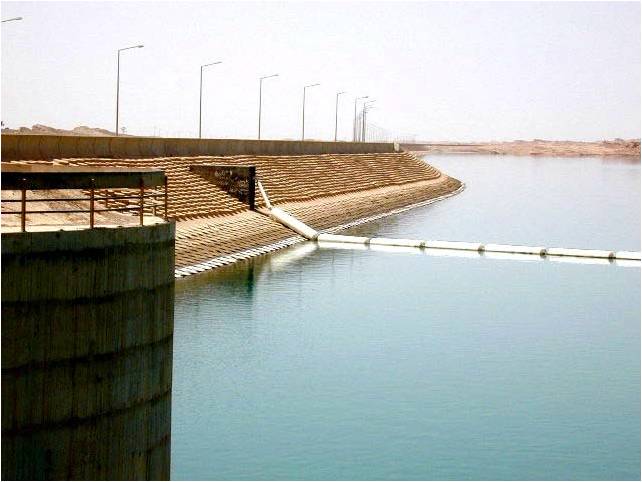
Tell Yelkhi
Oval mound with Kassite and earlier remains.