
Explore the Map
Tepe Gawra
36.4956° N, 43.2603° E
About
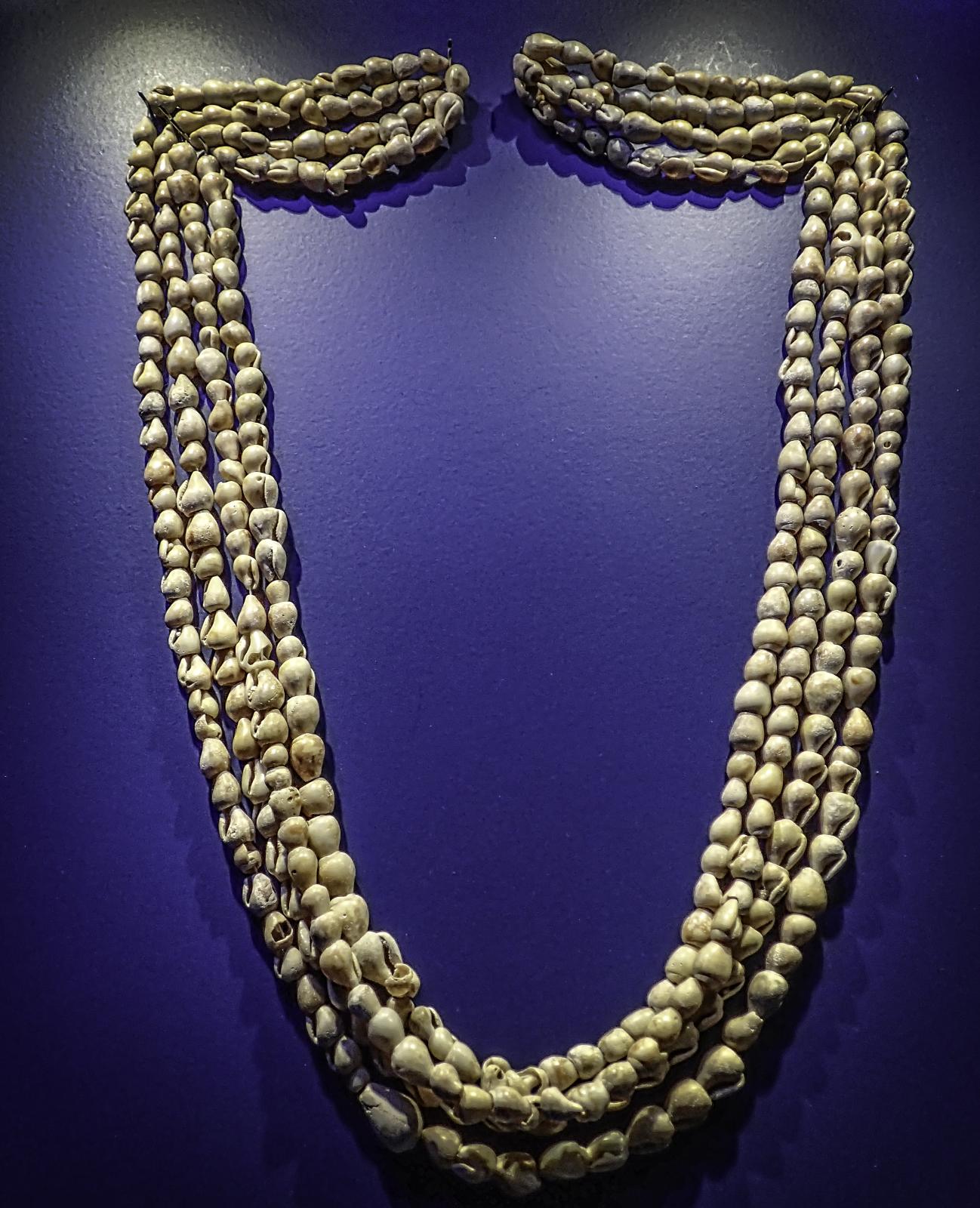
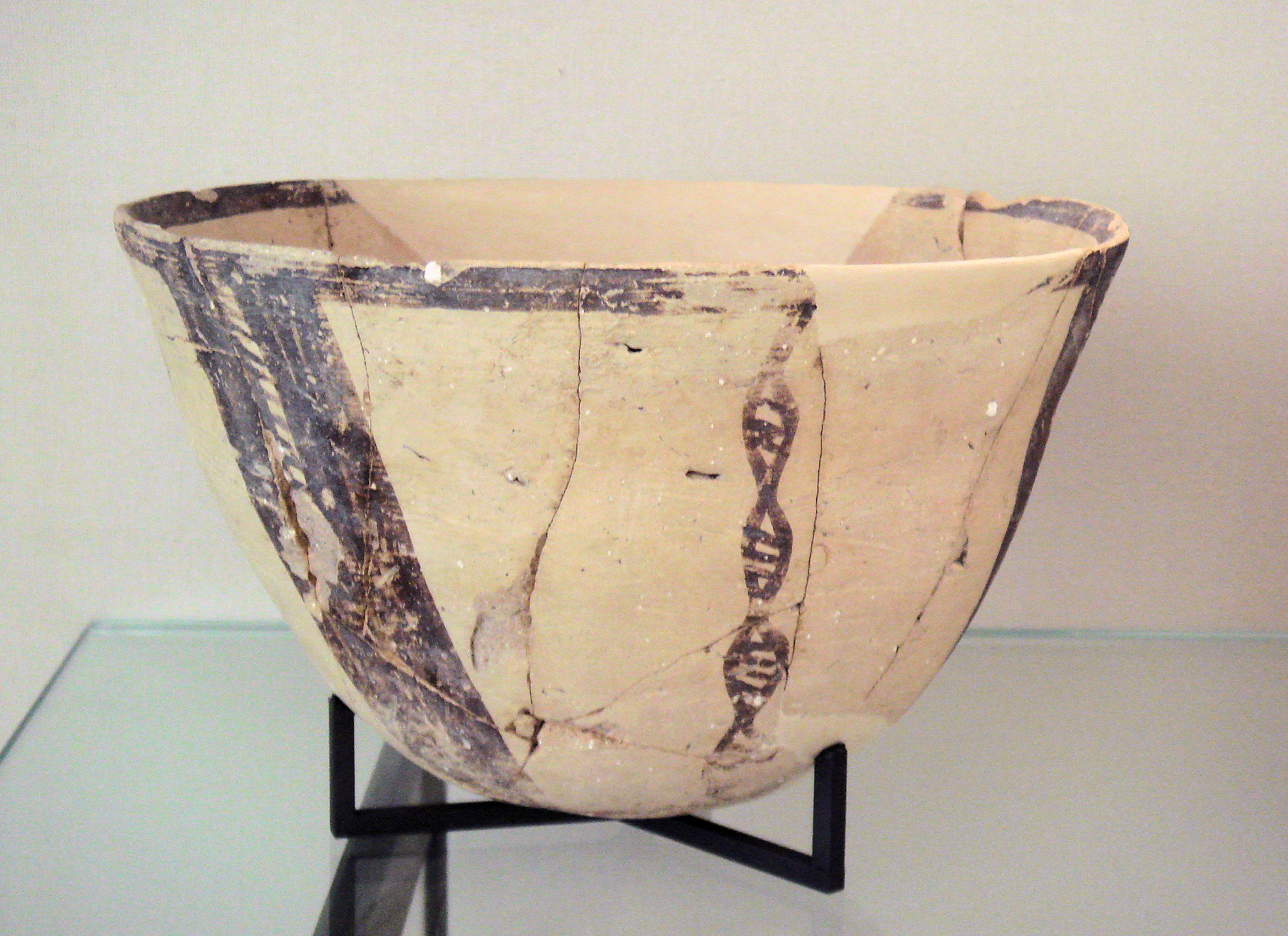
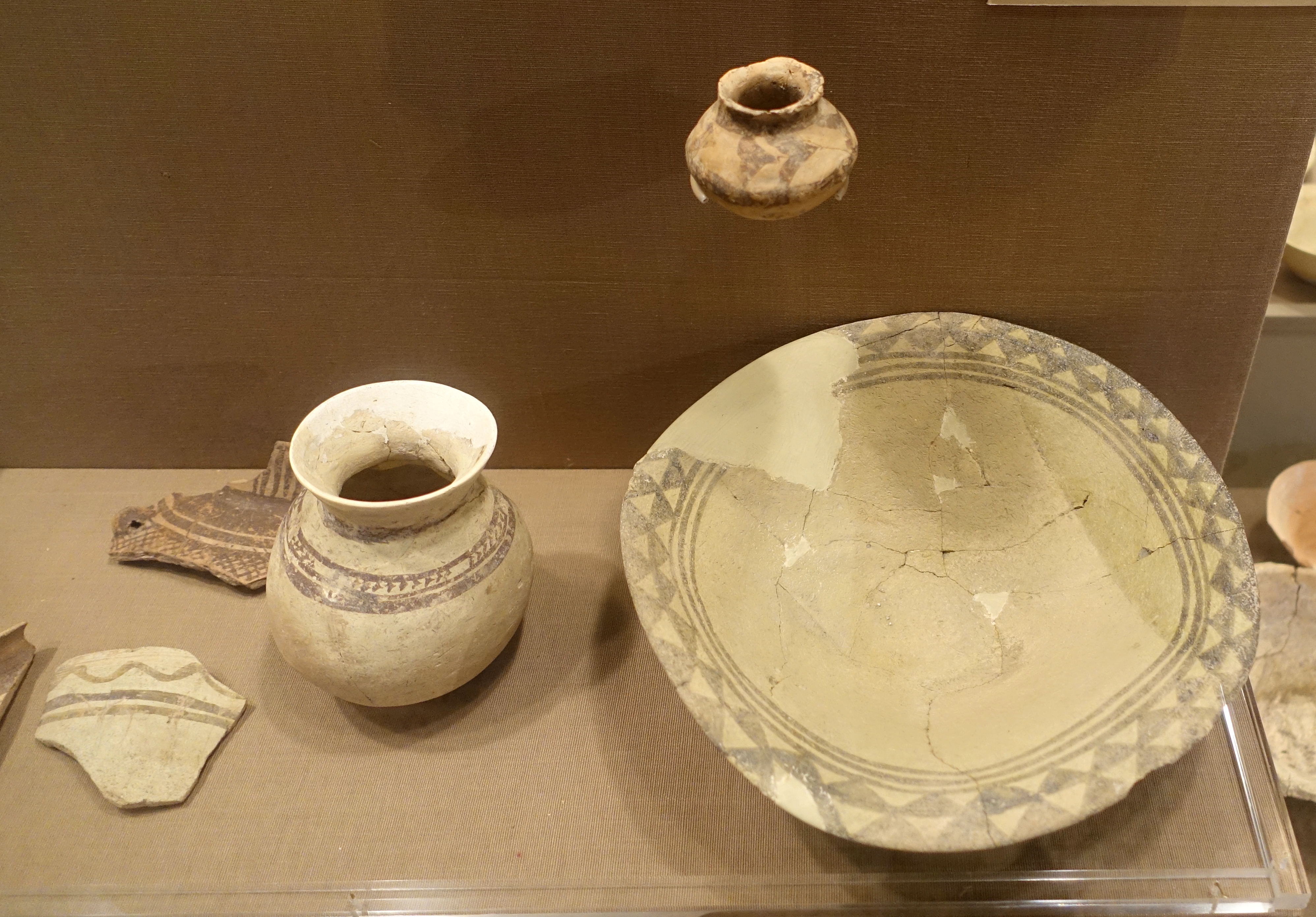
Tepe Gawra is a significant archaeological site in Mesopotamia, located near Nineveh and Khorsabad in modern-day Iraq. Occupied from approximately 5500 BCE to 1500 BCE, the site provides a detailed stratigraphy showcasing continuous habitation through various cultural phases, including the Halaf, Ubaid, and Uruk periods. It is renowned for its well-preserved stratigraphy that reveals early urban development, religious structures like temples decorated with pilasters, and the use of gold and electrum artifacts. The site also features diverse burial practices, including inhumations, urn burials, and pisé graves. Tepe Gawra's role in the Uruk Expansion highlights its importance in early Mesopotamian trade networks. Despite challenges from modern activities and historical conflicts, Tepe Gawra remains crucial for understanding early settlement patterns and technological advancements in the region.
Gallery
Explore photographs of ancient structures, artifacts, and archaeological excavations
Historical Timeline
Journey through time and discover key events in this site's history
Halaf-Ubaid Transitional period
5500 BCE
Earliest Temple Construction
4200 BCE
Gawra Period
3500 BCE
Uruk Expansion
3400 BCE
Use of Gold and Electrum
2900 BCE
Archaeological Features
Unique architectural and cultural elements found at this historical site
Miscellaneous Features
Burial and Funerary Structures
Religious and Ritual Structures
Domestic and Habitation Structures
Frequently Asked Questions
Plan Your Visit
Tours, travel arrangements, and practical information
More Sites in Iraq
Larsa
Sumerian city-state and temple complex, Isin–Larsa period
Tell al-Lahm
Oblong mound with city wall remnants
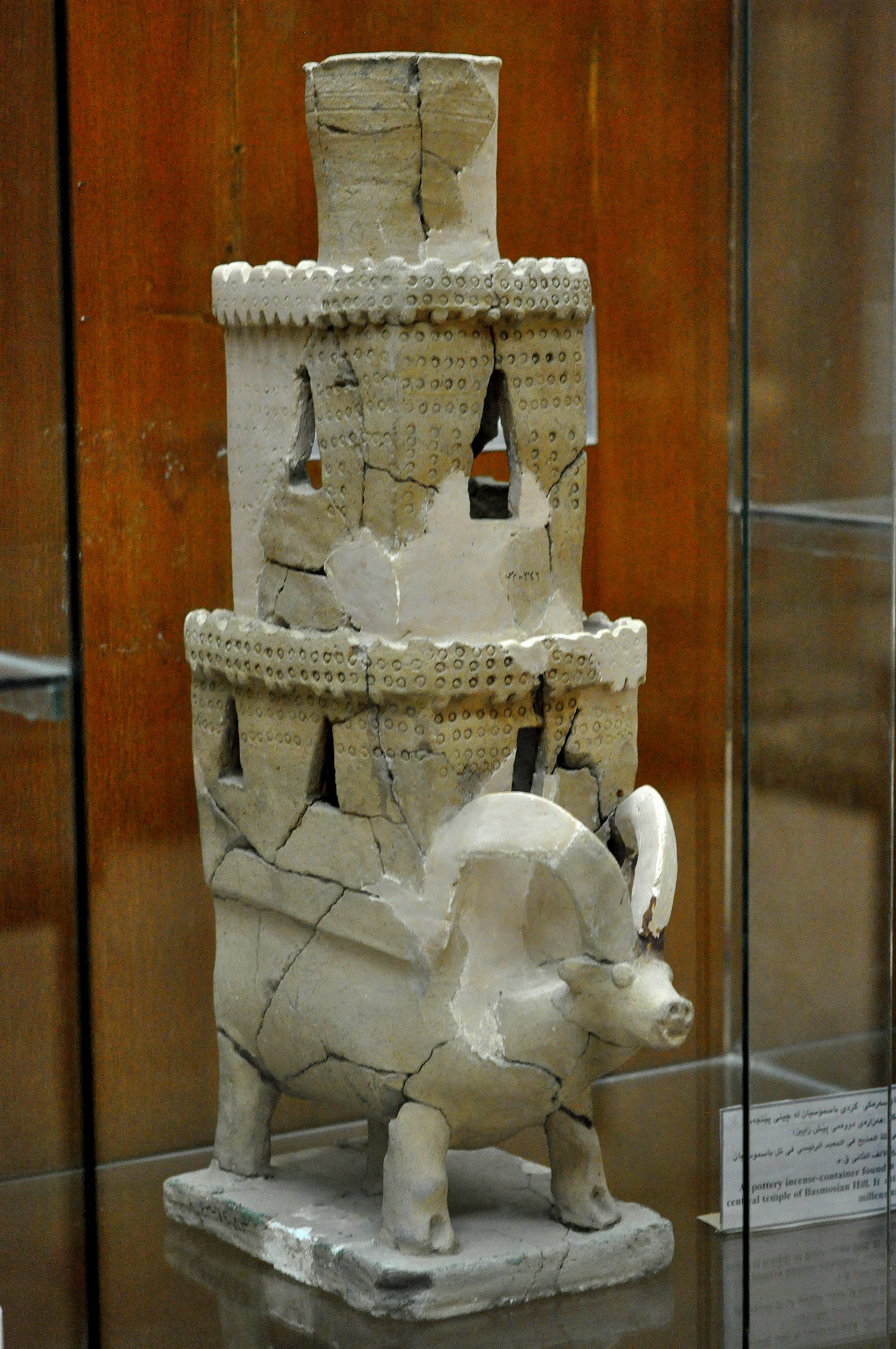
Tell Bazmusian
Large tell site with multi-period occupation.
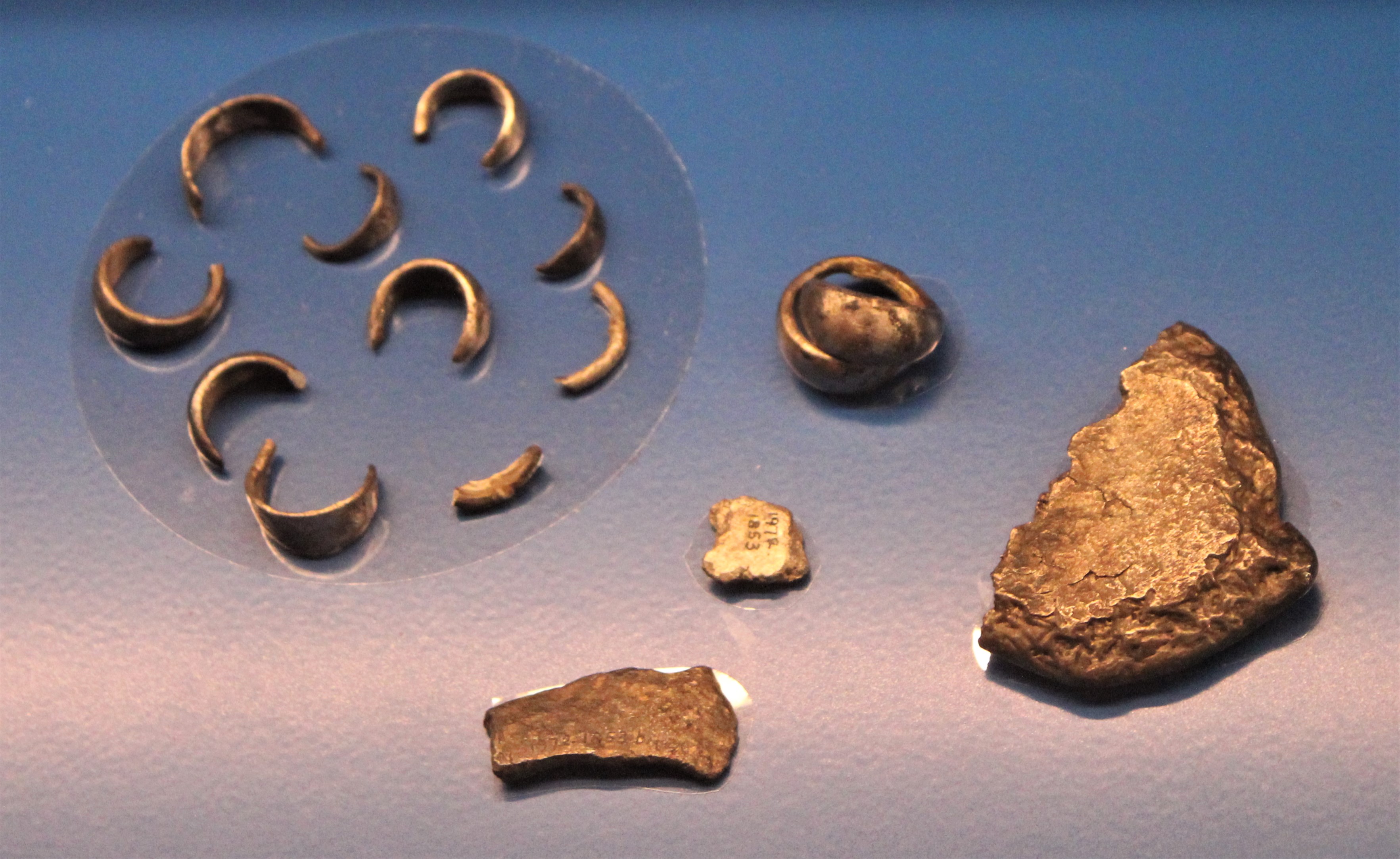
Tell Taya
Ancient hill city with fortifications and artifacts.
Tell Rashid
Ubaid period settlement mound in Iraq
Tell Khoshi
Oval walled city with two mounds.