Time Periods
Paleolithic
Mesolithic
Neolithic
Chalcolithic
Bronze Age
Iron Age
Classical Period
Post-Classical Period
Early Modern Period
Industrial Period
Contemporary Period
Time Periods
Paleolithic
Mesolithic
Neolithic
Chalcolithic
Bronze Age
Iron Age
Classical Period
Post-Classical Period
Early Modern Period
Industrial Period
Contemporary Period
Location
About
Ashdod, an ancient city located in present-day Israel, has a history spanning over 3,700 years. Initially established as a fortified Canaanite city in the 17th century BCE, it became one of the prominent Philistine city-states during the Iron Age. Ashdod's strategic location on the Mediterranean coast facilitated its development into a significant maritime trade center. The city's importance continued into the classical period, being known as Azotus under Hellenistic rule and later annexed to the Roman province of Syria. The Byzantine era saw it become a bishopric, although its prominence waned in the subsequent centuries. Archaeologically, Ashdod offers insights into various periods with its domestic structures, fortifications, religious sites, and remnants of ancient harbors.
Gallery
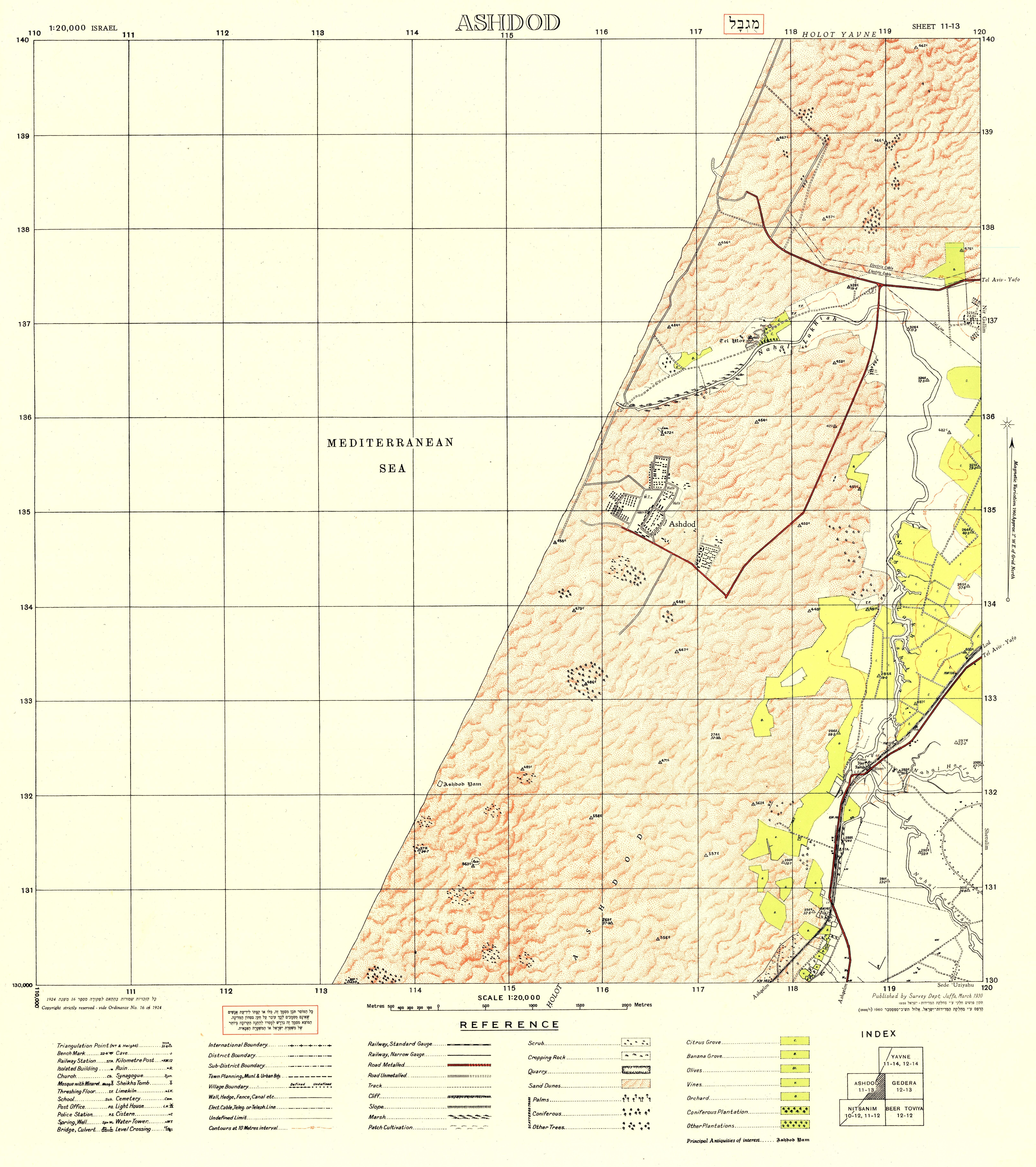
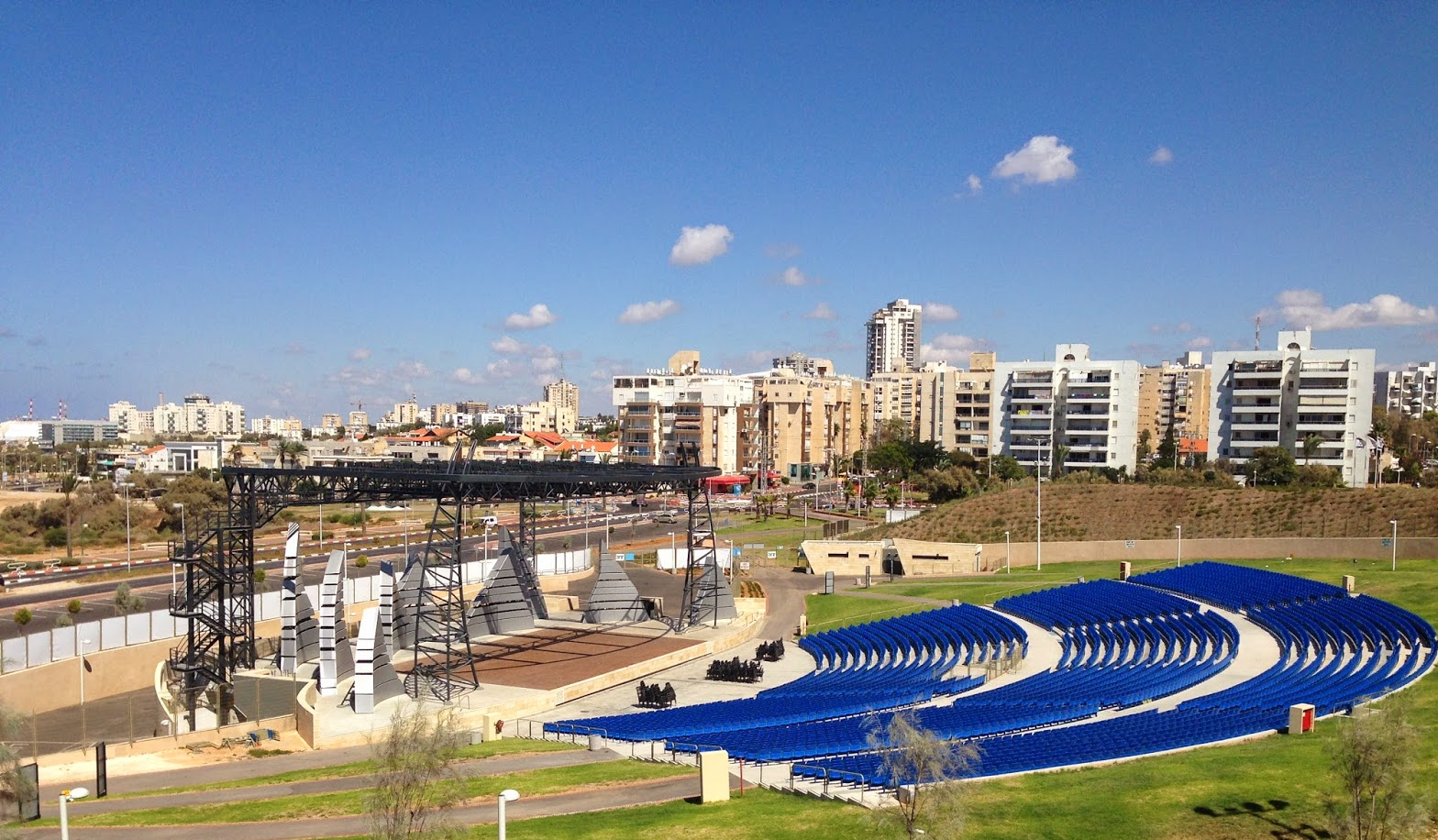
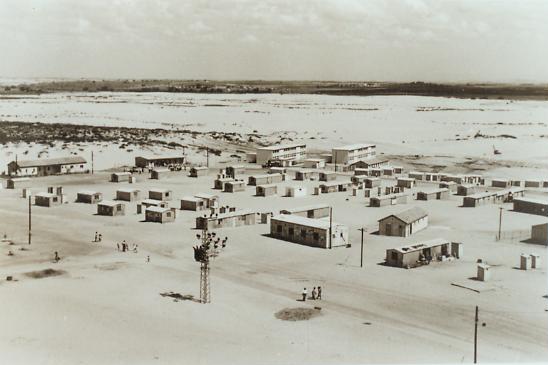
Explore photographs of ancient structures, artifacts, and archaeological excavations at Ashdod
Archaeological Features
Explore the unique architectural and cultural elements found at this historical site
Defensive Structures
Water Management Features
Public and Civic Structures
Industrial and Craft Structures
Religious and Ritual Structures
Artistic and Decorative Features
Domestic and Habitation Structures
Transportation and Communication Structures
Historical Timeline
Journey through time and discover key events in this site's archaeological history
Plan Your Visit
Details
- Country
- Israel
- Source
- Wikipedia
More Sites in Israel
Tel Shoket
Archaeological hill with continuous habitation.
Tel Hanaton
Archaeological tell in Lower Galilee, Israel
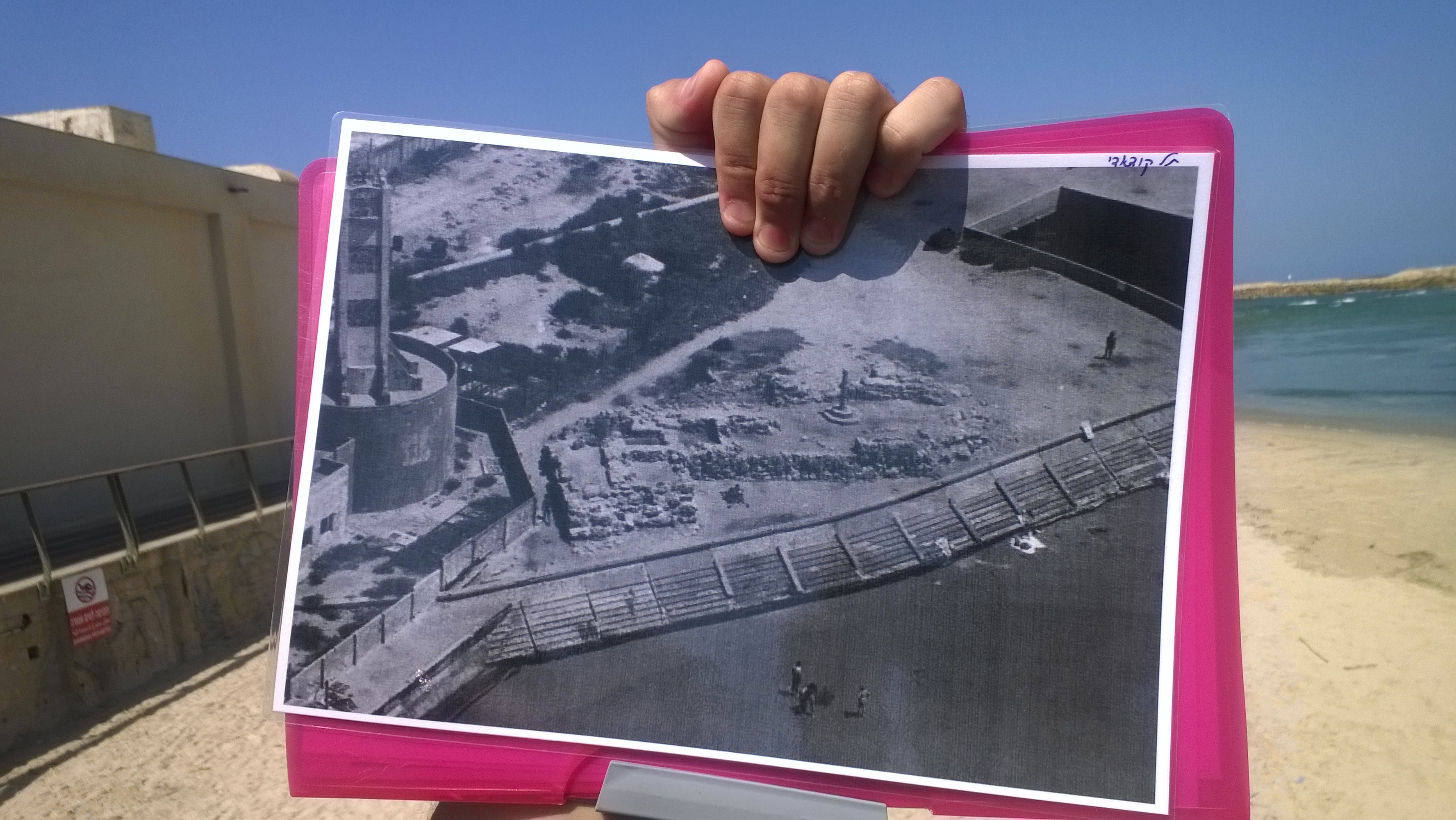
Tell Qudadi
Iron Age fortress near Yarkon River
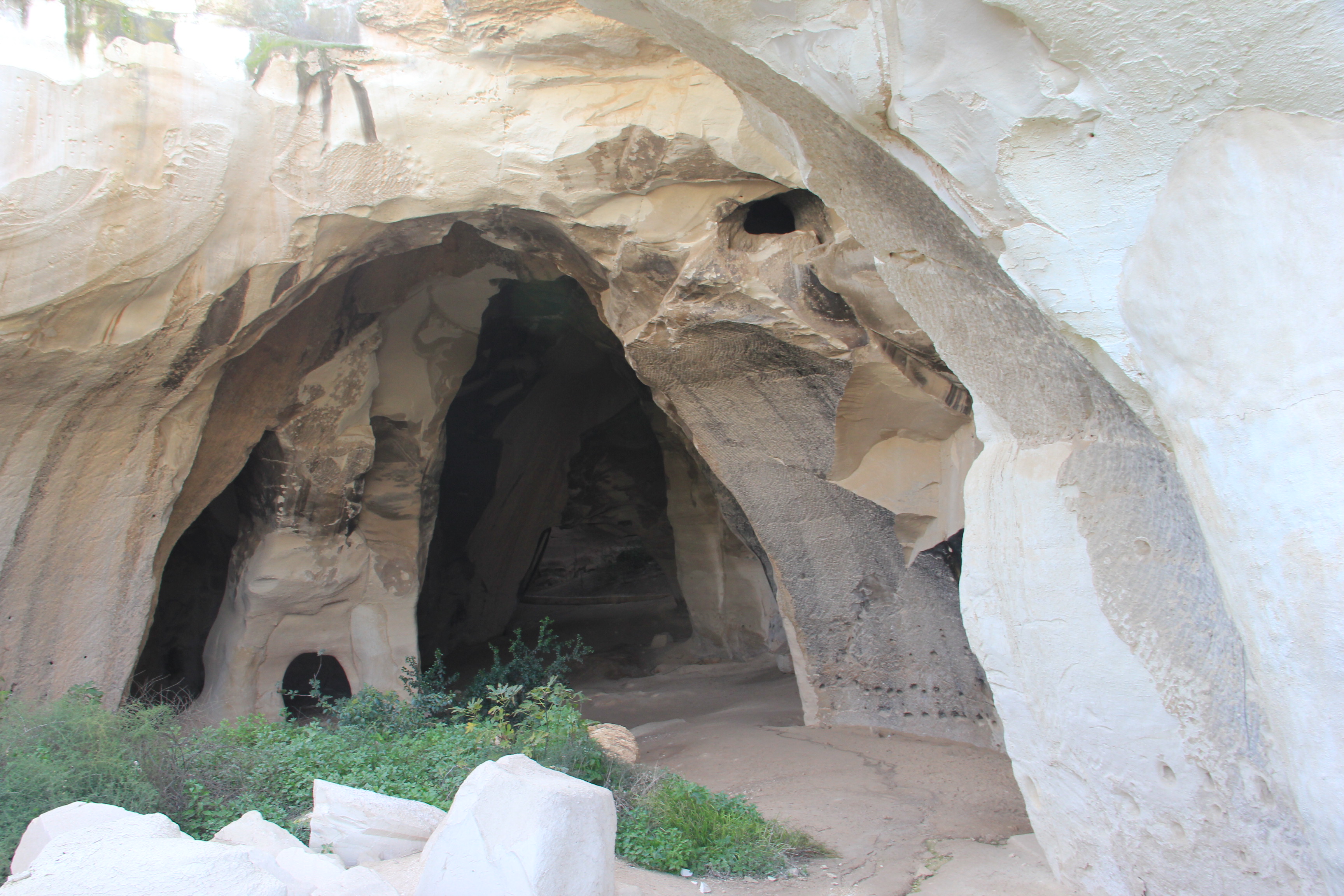
Beit Guvrin-Maresha National Park
Cave network with historical town remains.
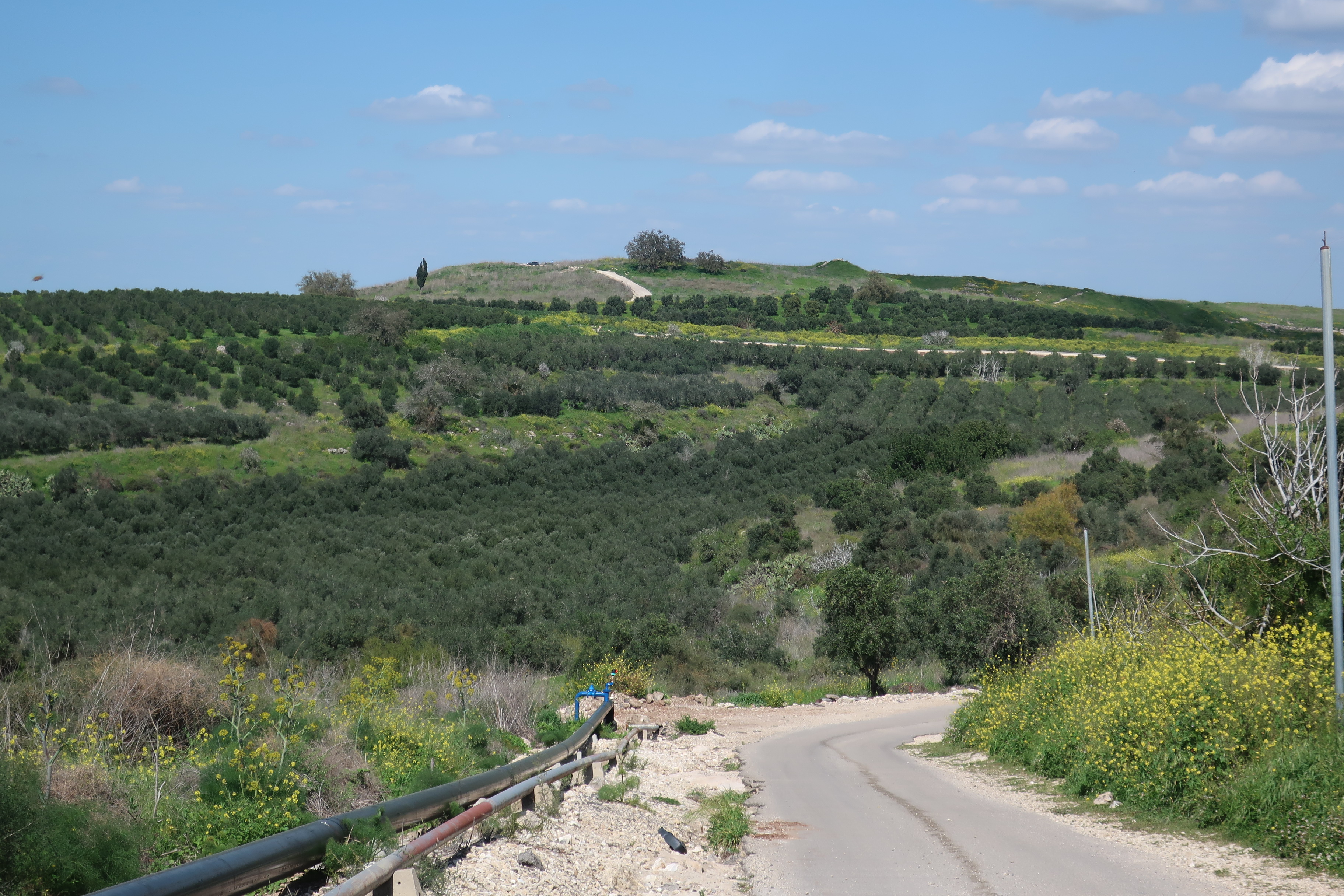
Gezer
Ancient Canaanite city with biblical significance.
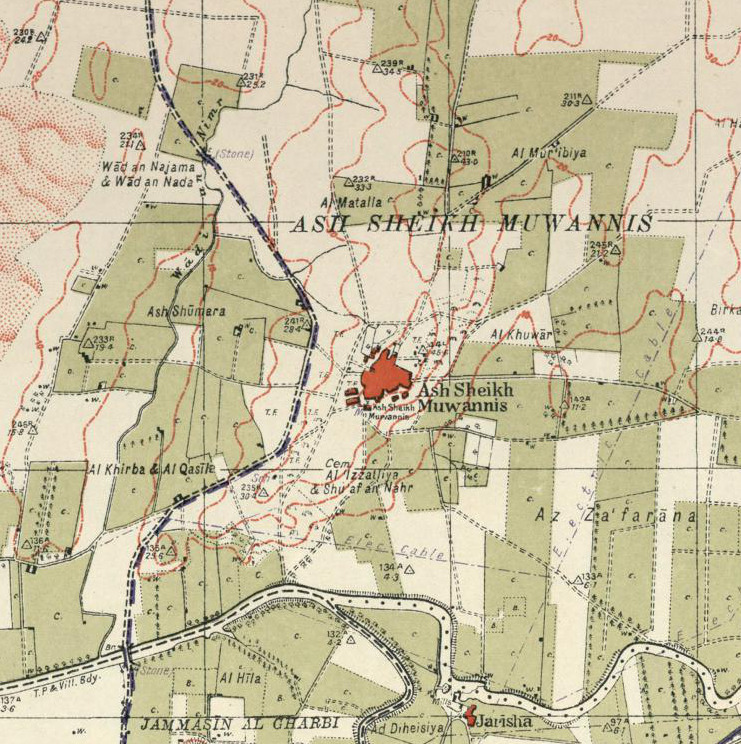
Tell Qasile
Philistine port city with temples and houses