
Explore the Map
Beit She'arim (Roman-era Jewish village)
32.7022° N, 35.1292° E
About
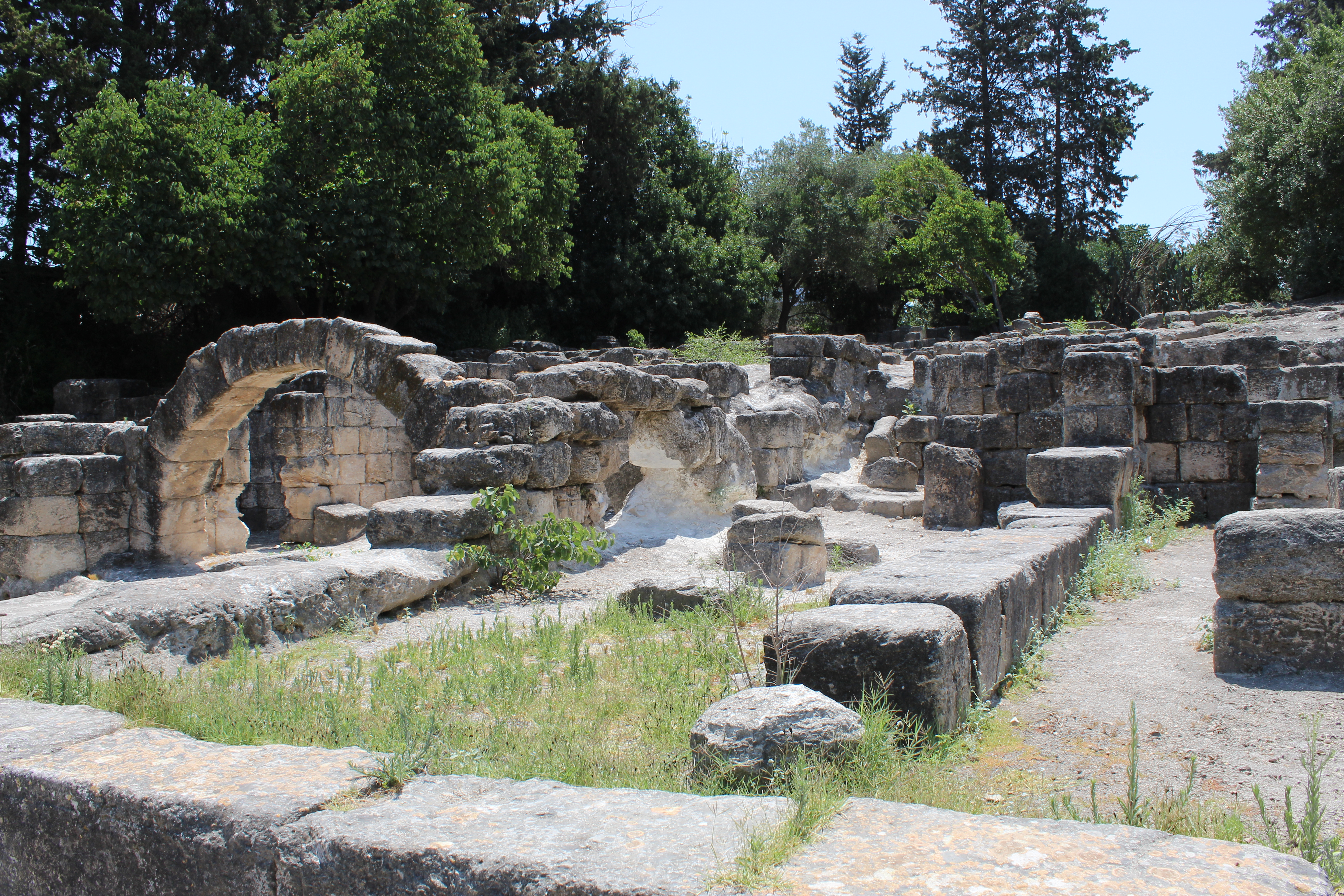
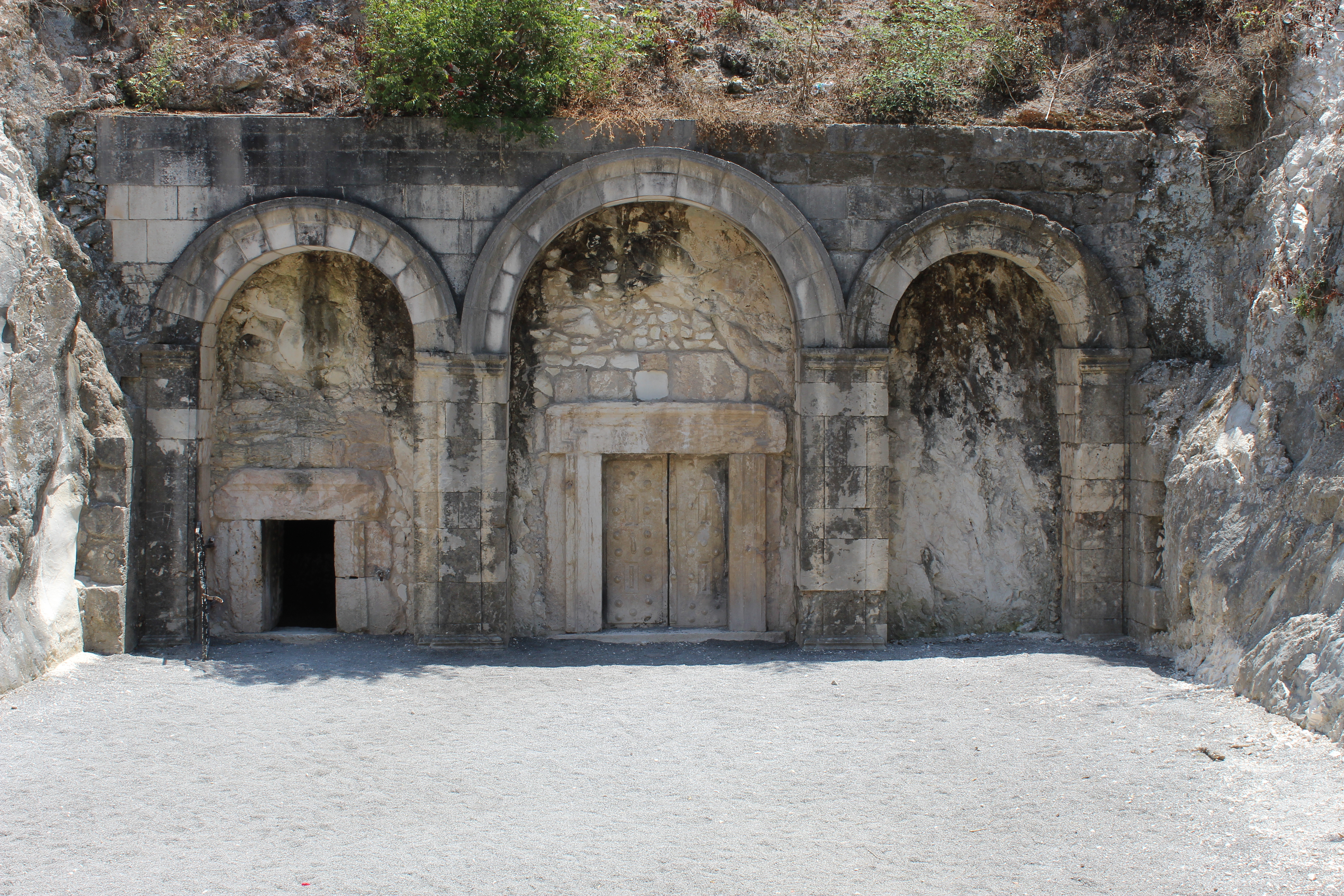
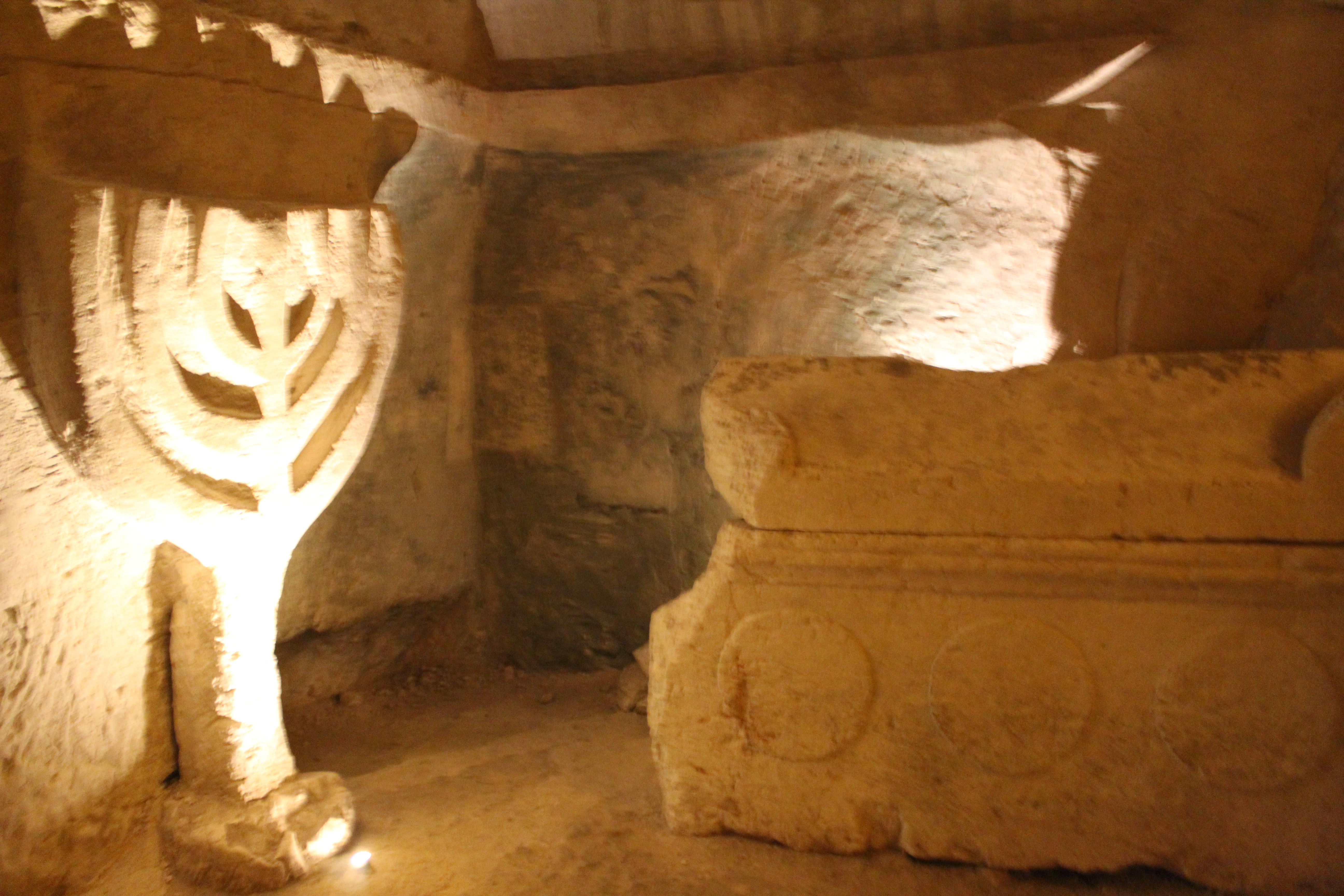
Beit She'arim, a significant archaeological site in the Lower Galilee, served as a Jewish village during the Roman era from the 1st century BCE to the 3rd century CE. It was notably the seat of the Sanhedrin and flourished under Rabbi Judah ha-Nasi in the 2nd century CE as a hub for rabbinic scholarship. Following his death around 220 CE, Judah ha-Nasi was buried in the vast necropolis at Beit She'arim, which subsequently became a major burial site for Jews from the Land of Israel and the Diaspora. The site features a blend of domestic, religious, and funerary structures, including a synagogue, cisterns, and numerous catacombs. The decline of Beit She'arim in the 5th century CE saw it revert to a rural village. Today, it holds UNESCO World Heritage status, offering rich insights into Jewish cultural and religious history.
Gallery
Explore photographs of ancient structures, artifacts, and archaeological excavations
Historical Timeline
Journey through time and discover key events in this site's history
Roman Era Jewish Village
1st century BCE
First Settlement
Rabbinic Scholarship Center
mid-2nd century CE
Necropolis Becomes Popular
Rabbi Judah ha-Nasi Burial
around 220 CE
Urban Decline
Archaeological Features
Unique architectural and cultural elements found at this historical site
Water Management Features
Public and Civic Structures
Burial and Funerary Structures
Religious and Ritual Structures
Artistic and Decorative Features
Domestic and Habitation Structures
Frequently Asked Questions
Plan Your Visit
Tours, travel arrangements, and practical information
More Sites in Israel
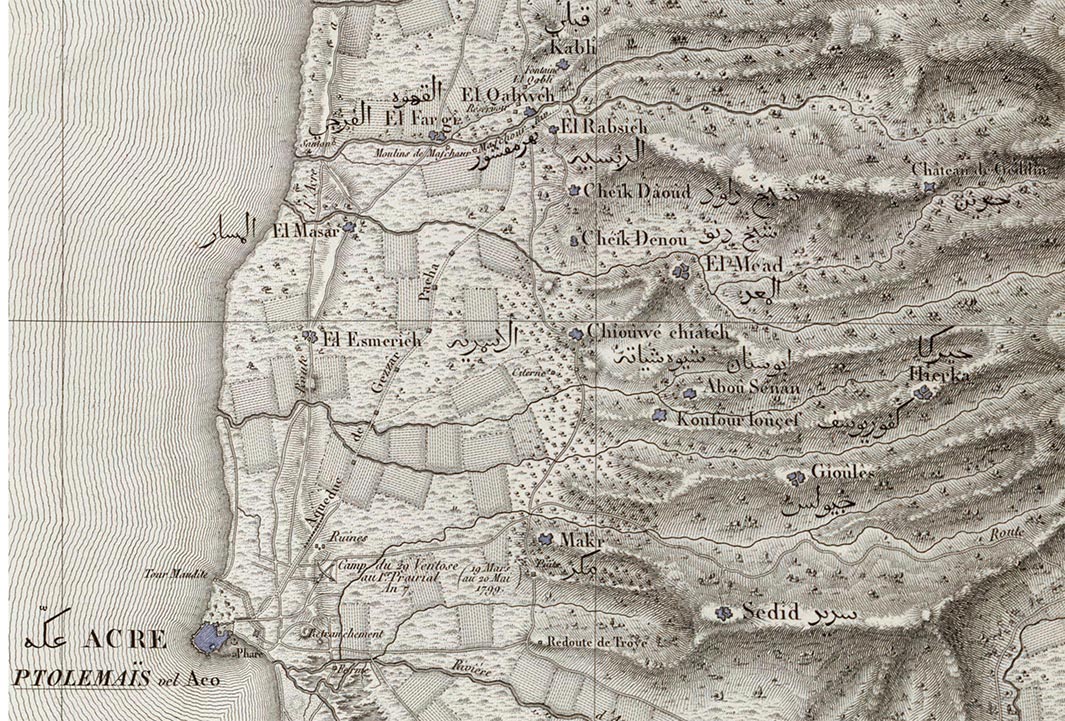
Tel Kabri
Bronze Age Canaanite palace and settlement
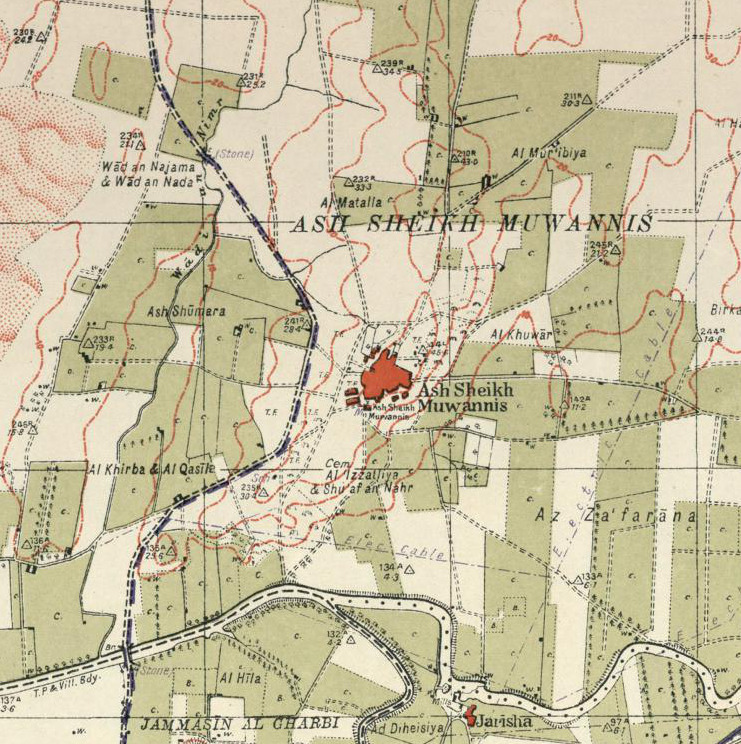
Tell Qasile
Philistine port city with temples and houses
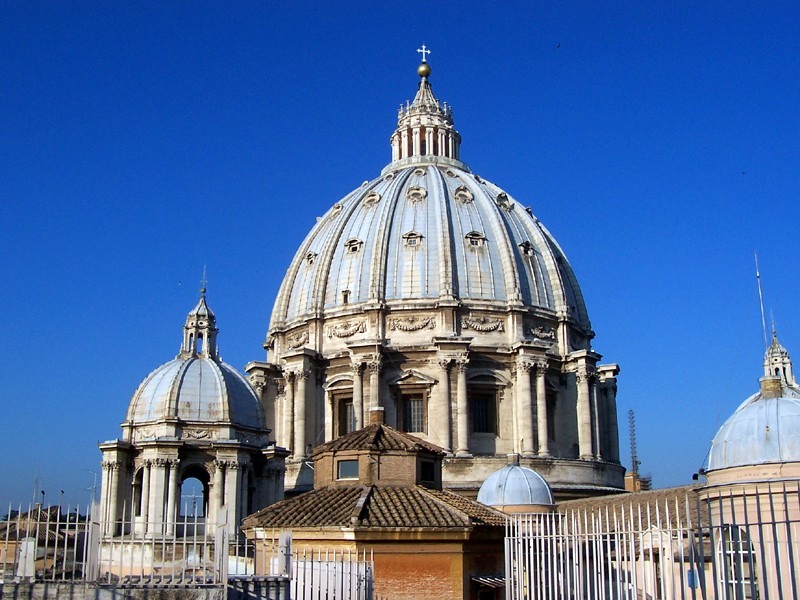
Tel Tanninim
Ancient tell near Mediterranean with Byzantine remains
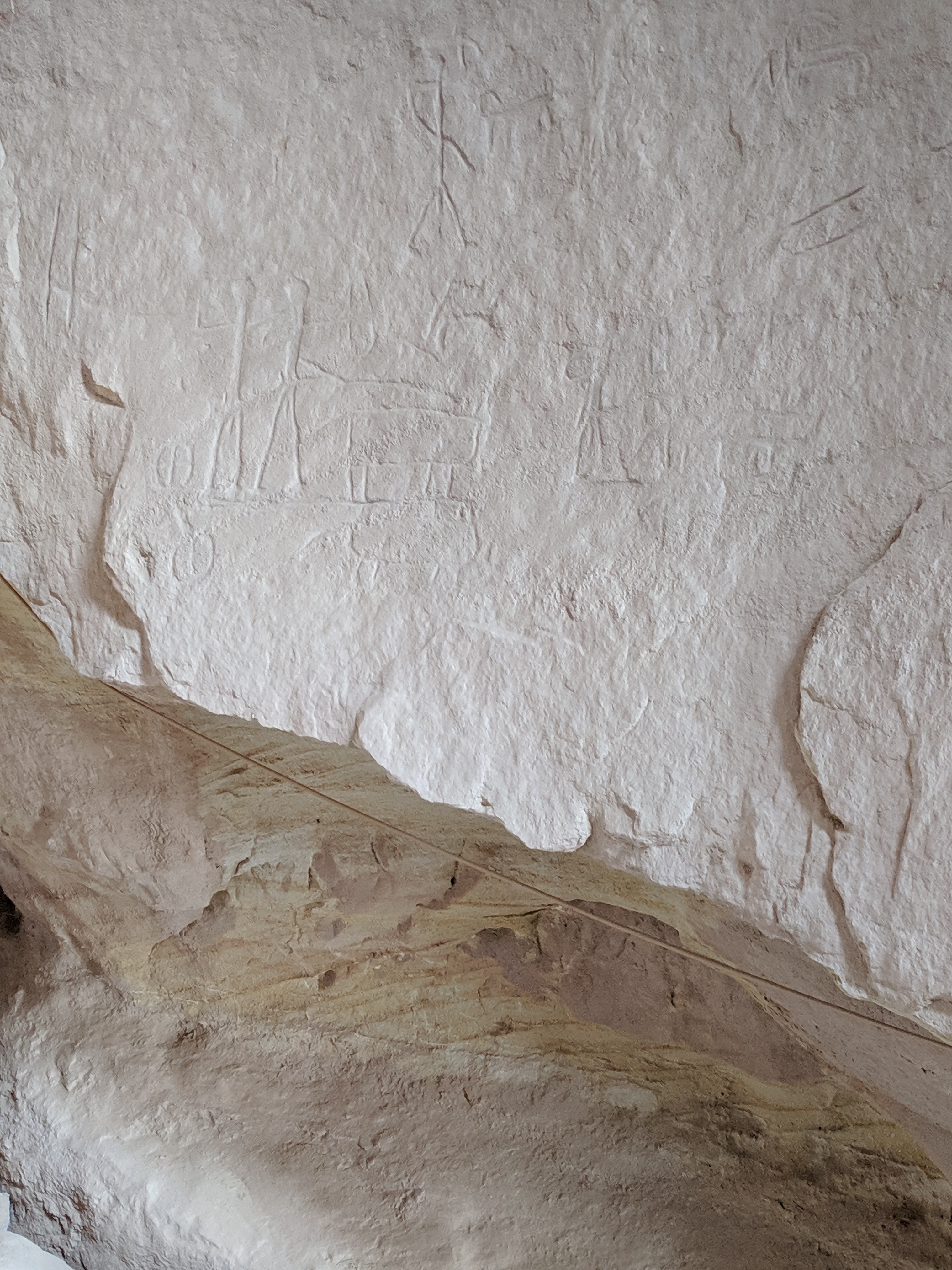
Timna Valley
Copper mining and unique sandstone formations
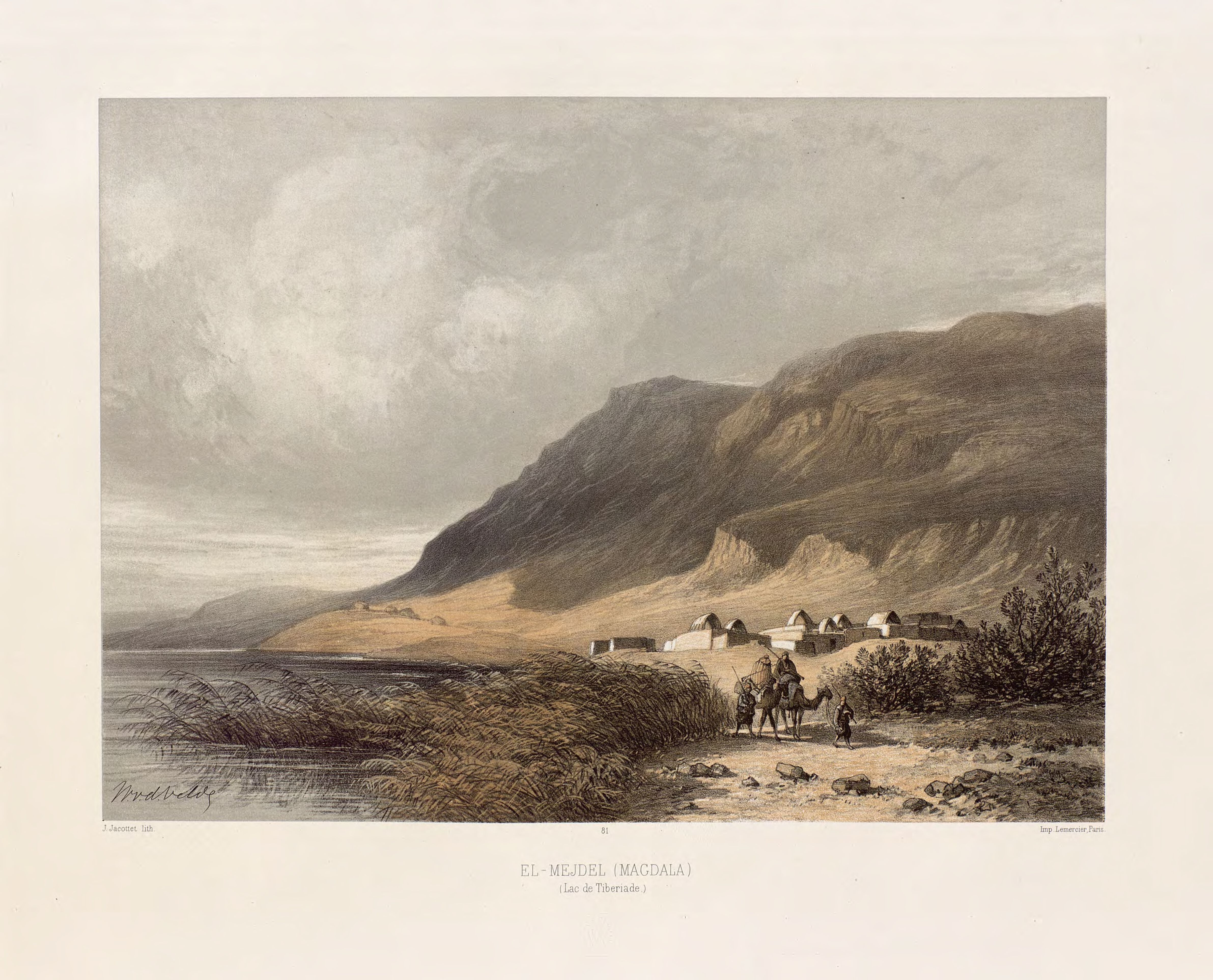
Magdala
Ancient Jewish city with Roman synagogues
Gath-hepher
Ancient town with prophet's tomb nearby.