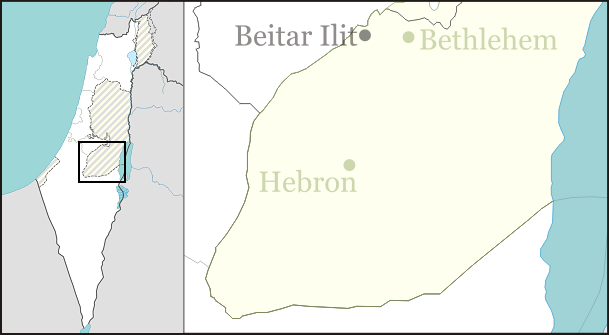
Explore the Map
Cave of Horrors
31.4300° N, 35.3478° E
About
The Cave of Horrors, an archaeological site in Israel's Judaean Desert, serves as a significant refuge cave from the Bar Kokhba revolt period. It is cataloged as Nahal Hever Cave 8, where the remains of 40 Jewish refugees were discovered, including inscribed potsherds with some identifiable names. The site is notable for its connection to the Bar Kokhba revolt, evident from the discovery of related coins and documents, as well as a Greek copy of the biblical Book of the Twelve, which included the name of God in Old Hebrew script. In addition to these Classical Period findings, the site also features a Chalcolithic burial of a mummified child, providing insight into burial practices from around 3500 BCE. The cave's multiple layers of historical occupation highlight its importance for understanding both ancient Jewish history and earlier human activity in the region.
Gallery
Explore photographs of ancient structures, artifacts, and archaeological excavations
Historical Timeline
Journey through time and discover key events in this site's history
Chalcolithic child burial
c. 3500 BCE
Bar Kokhba revolt refuge
132 CE - 136 CE
Archaeological Features
Unique architectural and cultural elements found at this historical site
Burial and Funerary Structures
Artistic and Decorative Features
Domestic and Habitation Structures
Frequently Asked Questions
Plan Your Visit
Tours, travel arrangements, and practical information
More Sites in Israel
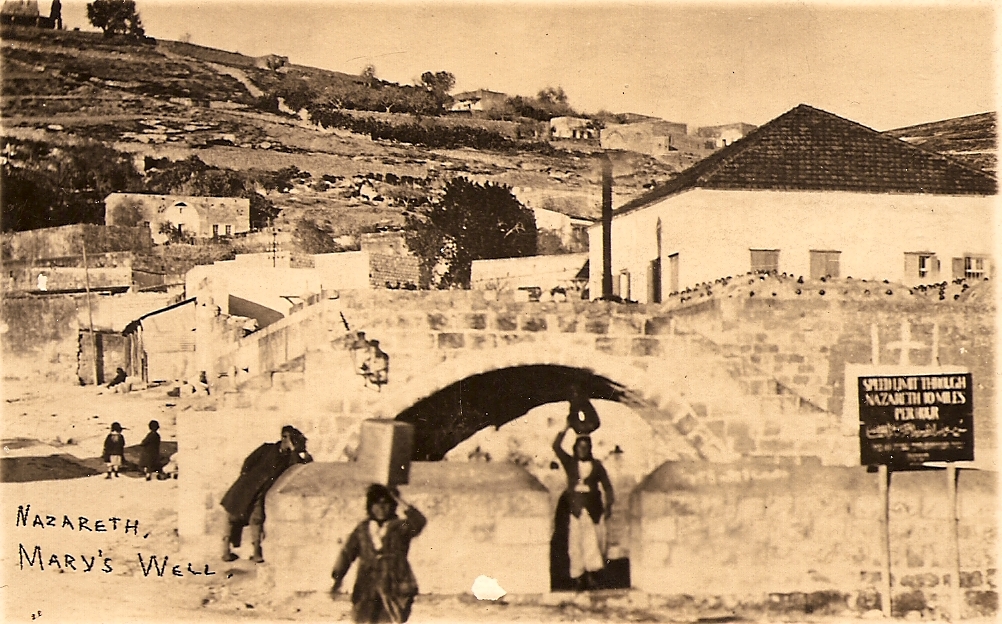
Mary's Well
Ancient water supply with religious significance
Tel Ro'im
Limestone hill with Roman-Byzantine caves
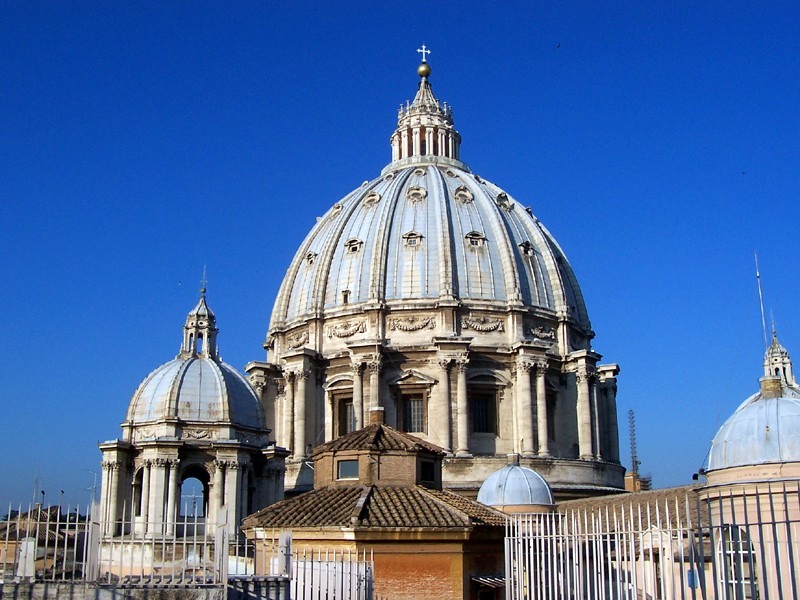
Tel Tanninim
Ancient tell near Mediterranean with Byzantine remains
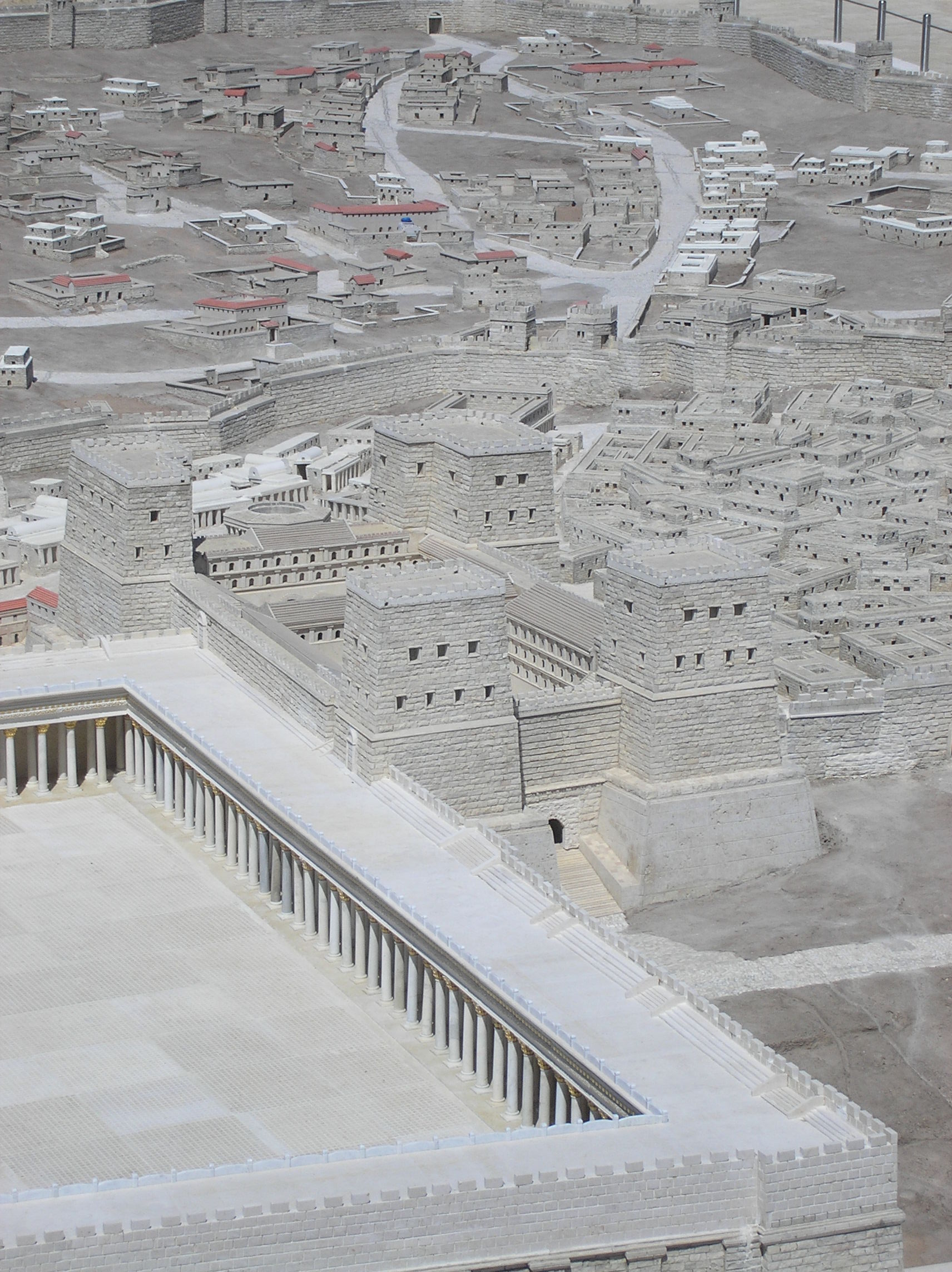
Antonia Fortress
Herodian citadel adjacent to Second Temple
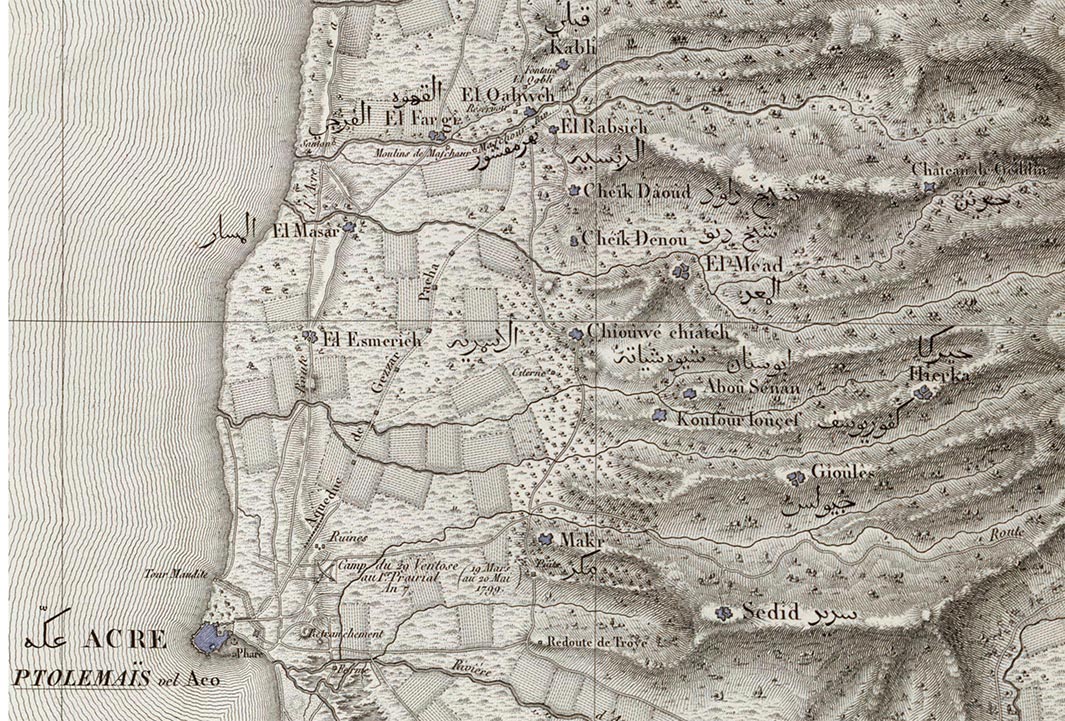
Tel Kabri
Bronze Age Canaanite palace and settlement
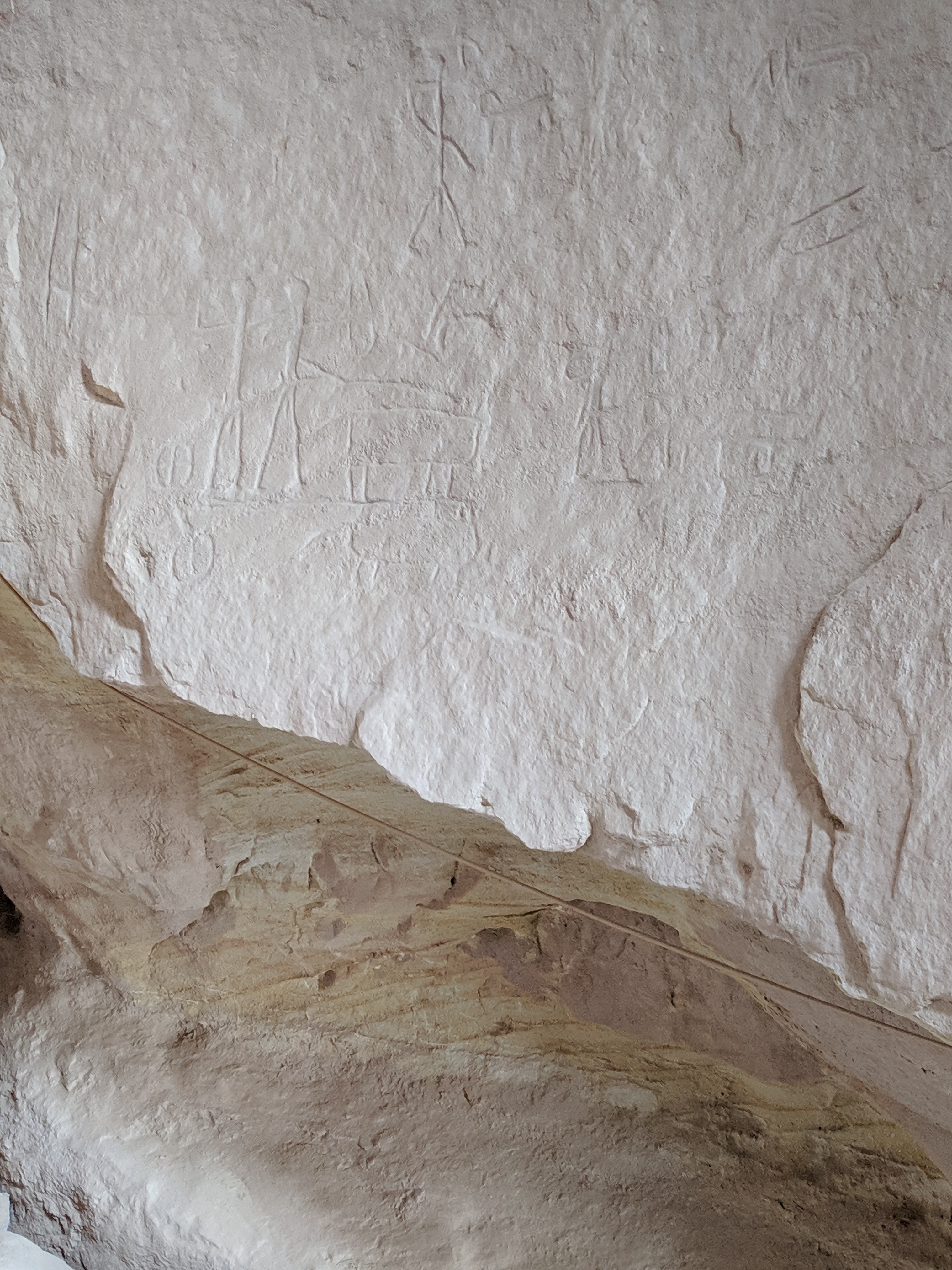
Timna Valley
Copper mining and unique sandstone formations