Explore the Map
Ein Hemed
31.7962° N, 35.1260° E
About
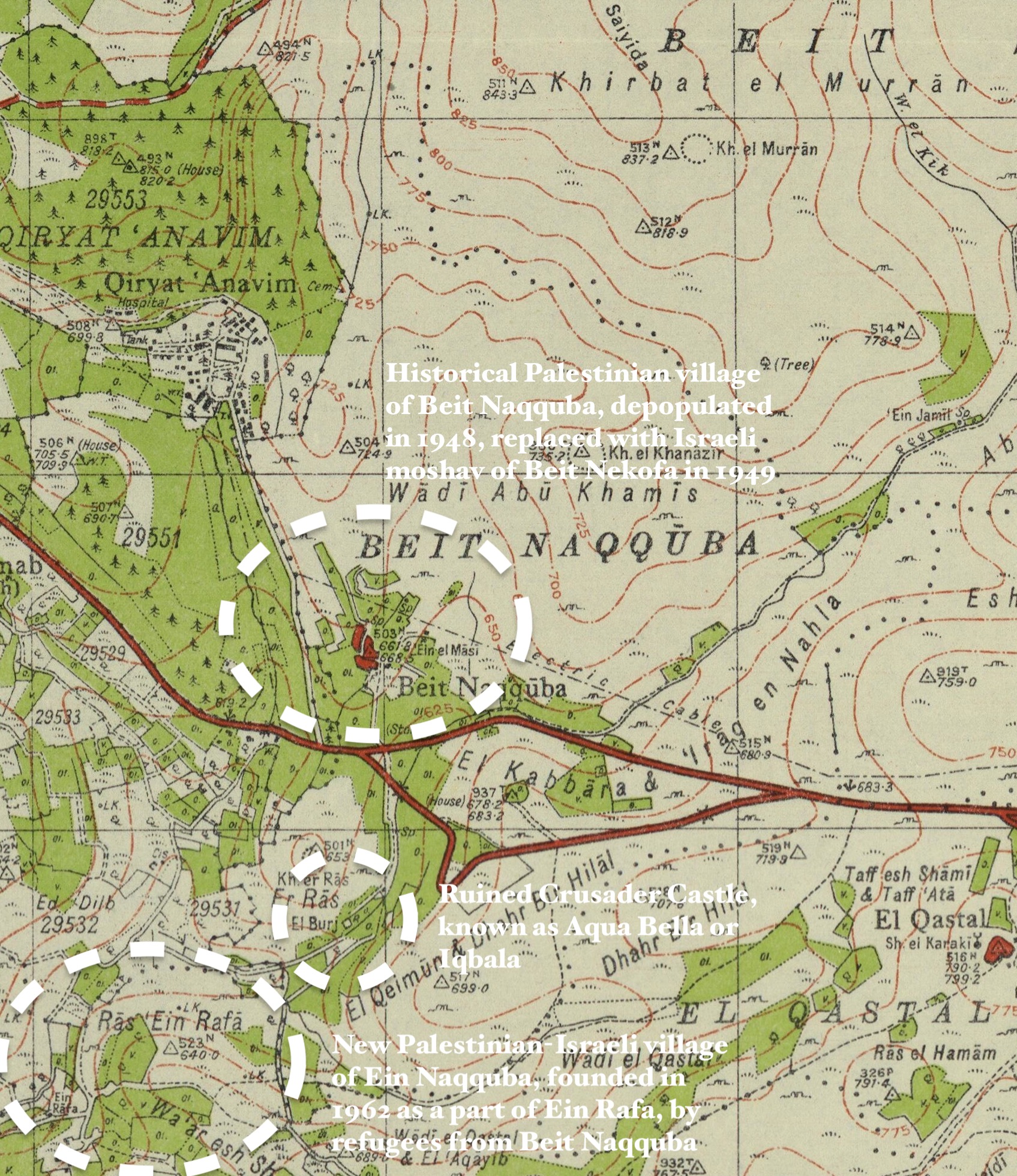
Ein Hemed, also known as Aqua Bella, is a historically rich site located west of Jerusalem. The area features a well-preserved Crusader-era courtyard building constructed in the 12th century CE, serving as a fortress and symbolic of medieval defensive architecture. The site is historically significant as it lies along an ancient Roman road used for connecting the coastal plain with Jerusalem. The surrounding landscape includes preserved natural springs and lush vegetation, contributing to its designation as a national park and nature reserve in 1968. The site also includes a Muslim cemetery and remnants of various historical and cultural layers, showcasing its continuous significance through different periods, from the Crusader era to modern times.
Gallery
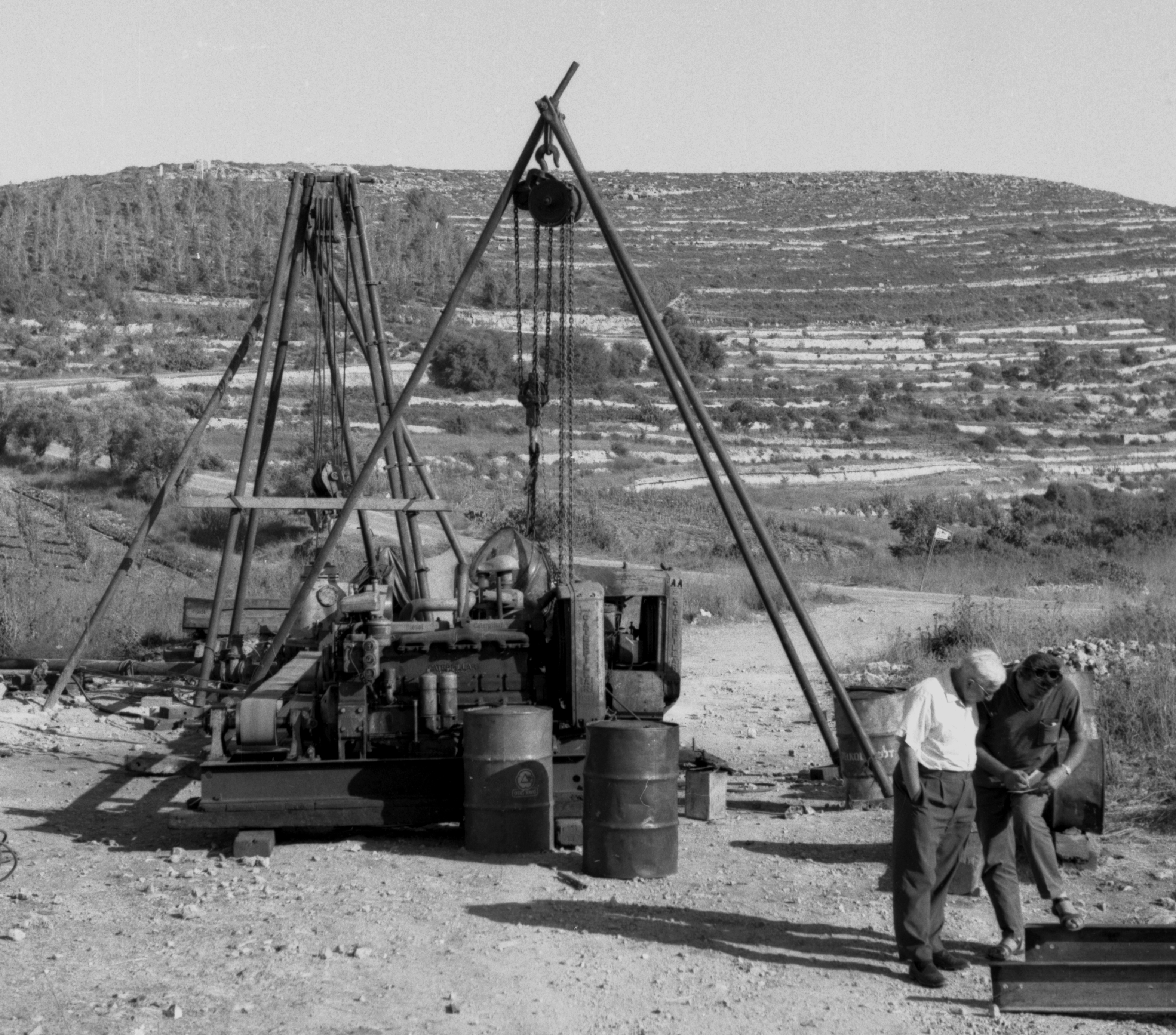
Explore photographs of ancient structures, artifacts, and archaeological excavations
Historical Timeline
Journey through time and discover key events in this site's history
Crusader courtyard building constructed
1140-1160 CE
Depopulation of Beit Naqquba
1948 CE
Establishment of national park
1968 CE
Archaeological Features
Unique architectural and cultural elements found at this historical site
Defensive Structures
Water Management Features
Burial and Funerary Structures
Transportation and Communication Structures
Frequently Asked Questions
Plan Your Visit
Tours, travel arrangements, and practical information


More Sites in Israel
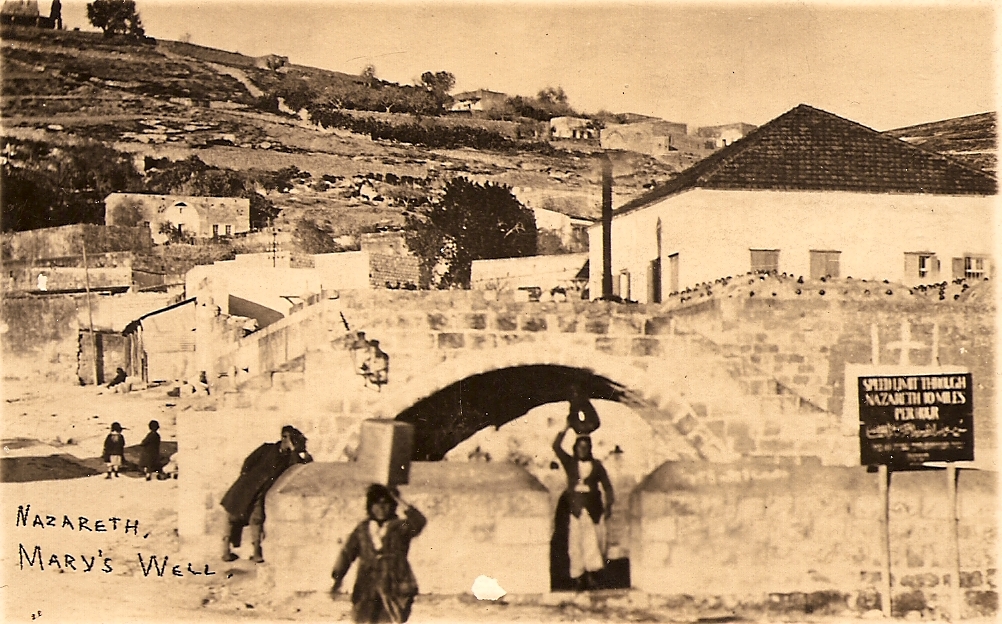
Mary's Well
Ancient water supply with religious significance
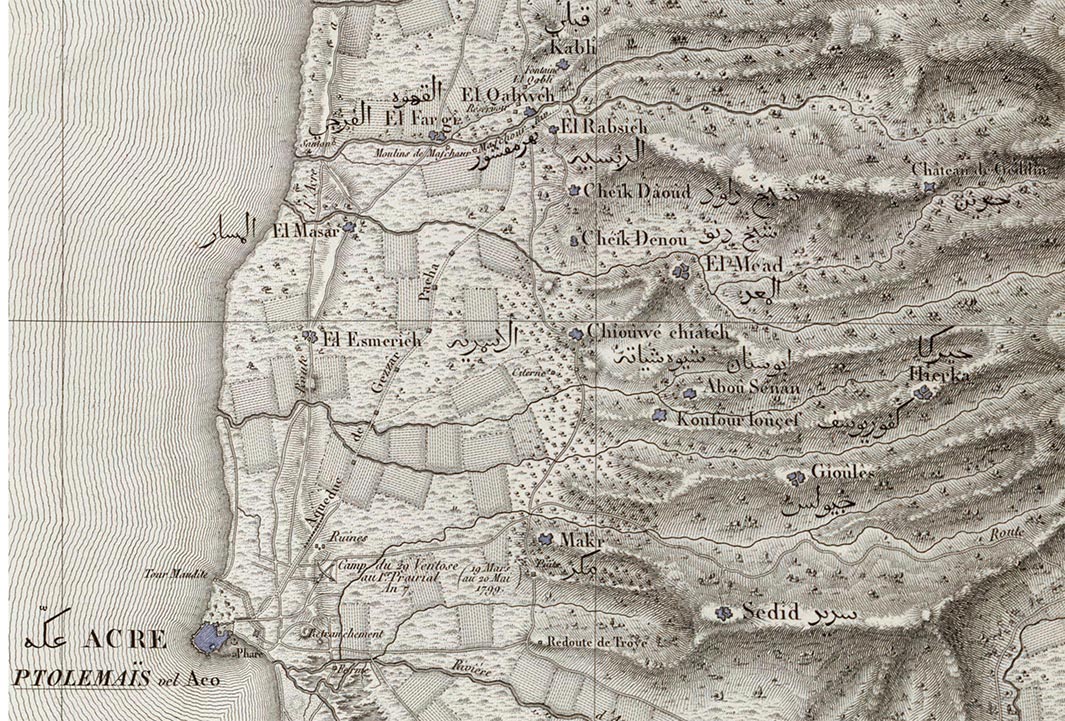
Tel Kabri
Bronze Age Canaanite palace and settlement
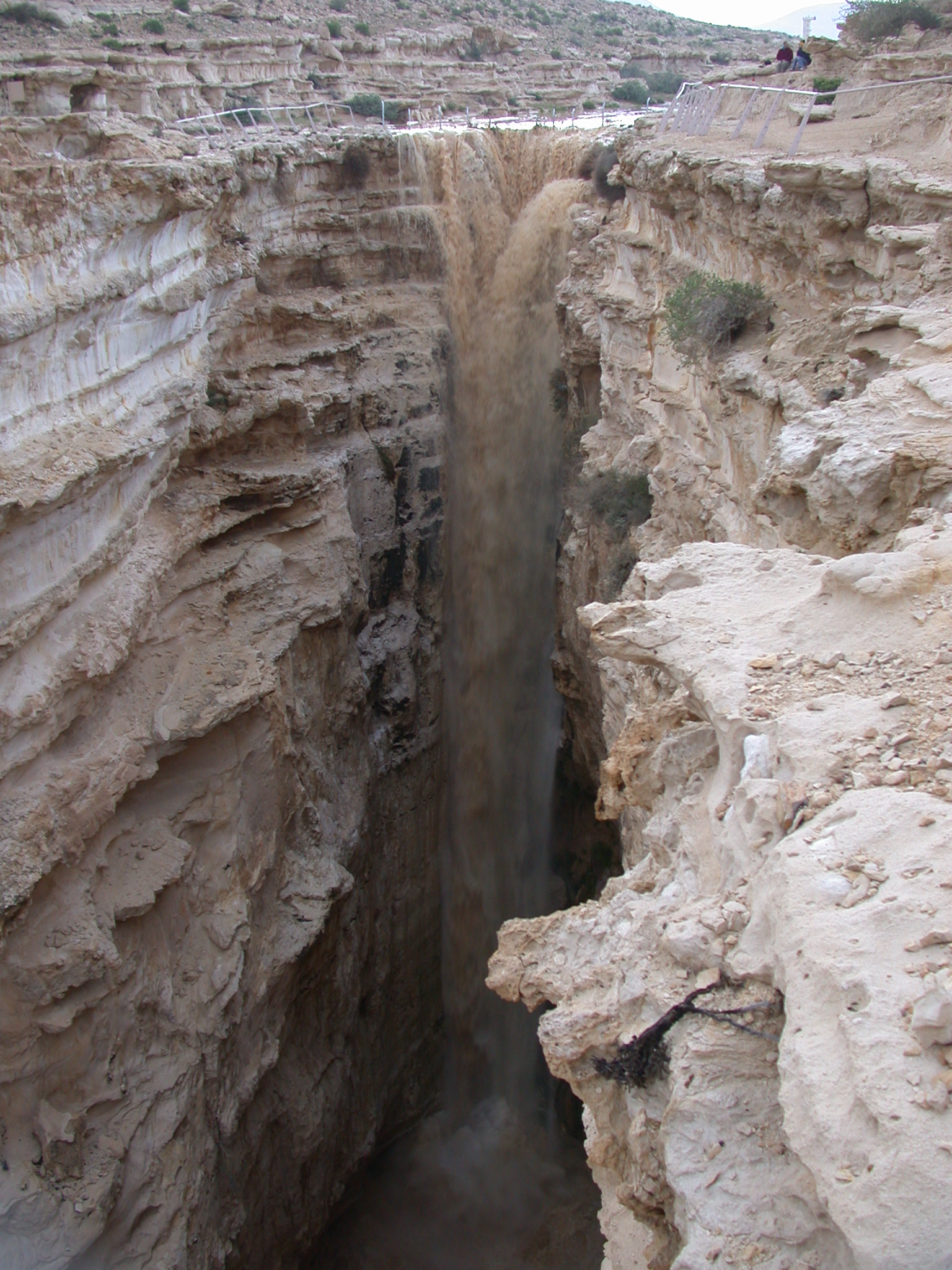
Ein Avdat
Desert canyon with springs and ancient habitations.
Gath-hepher
Ancient town with prophet's tomb nearby.
Tel Tanninim
Ancient tell near Mediterranean with Byzantine remains
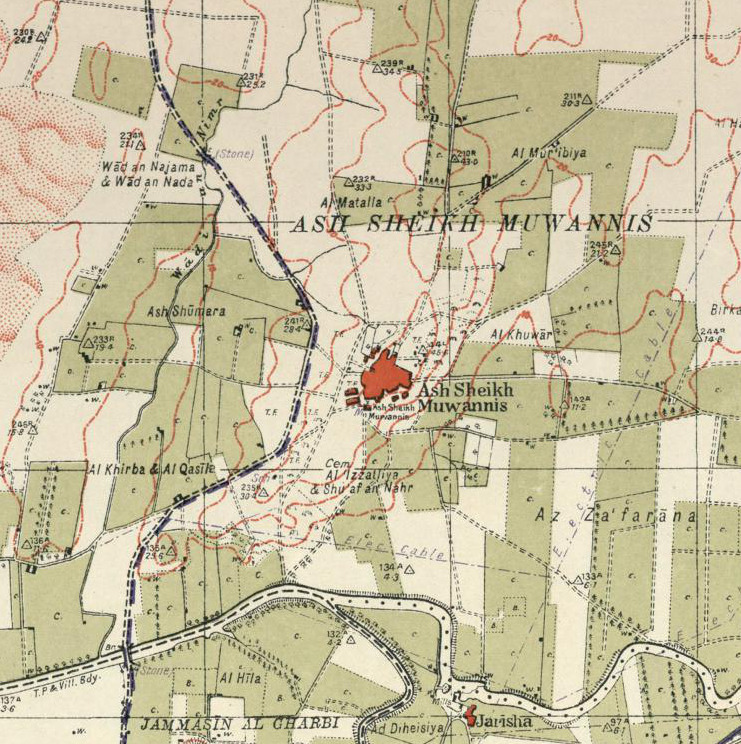
Tell Qasile
Philistine port city with temples and houses