
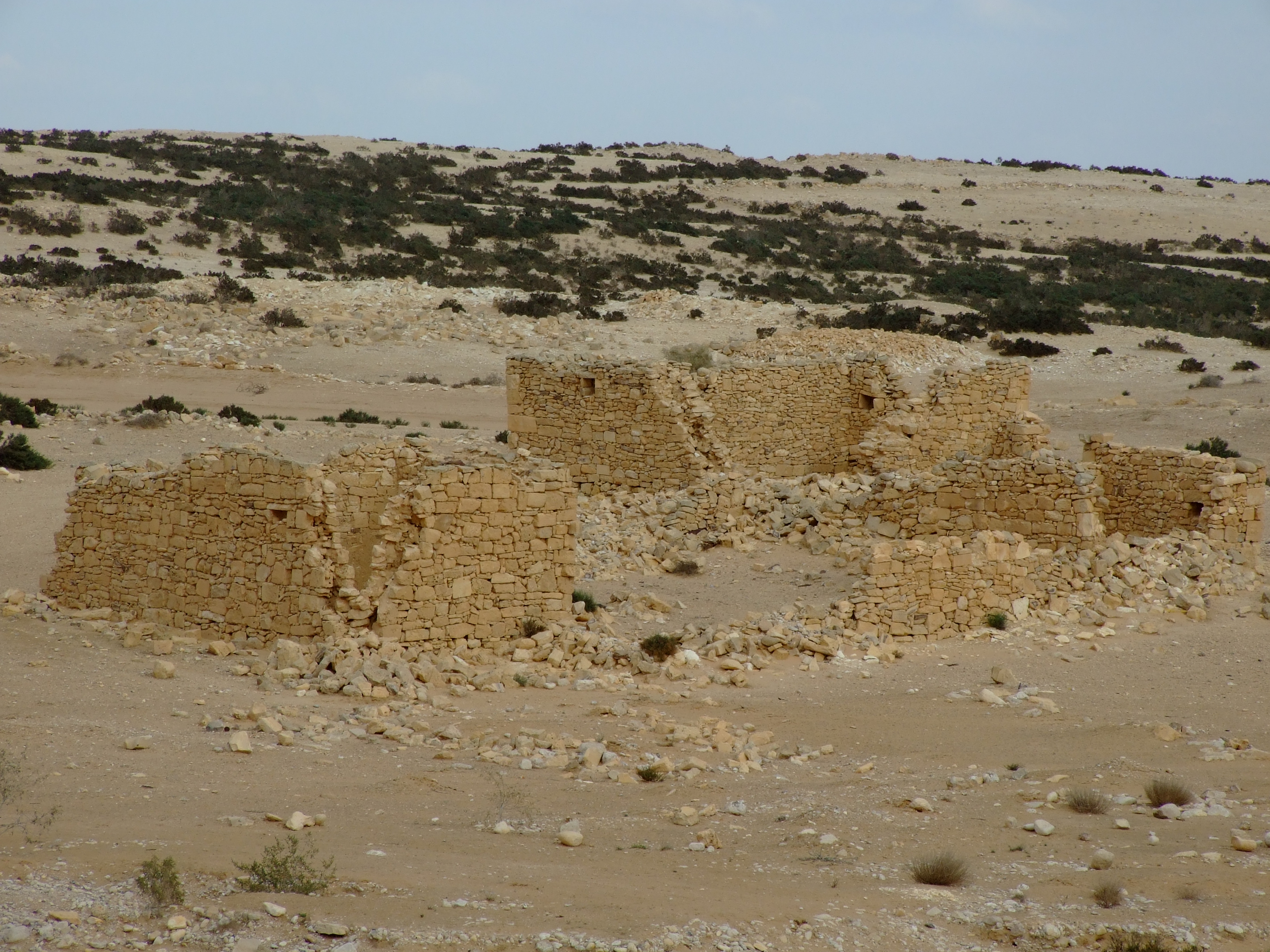
Explore the Map
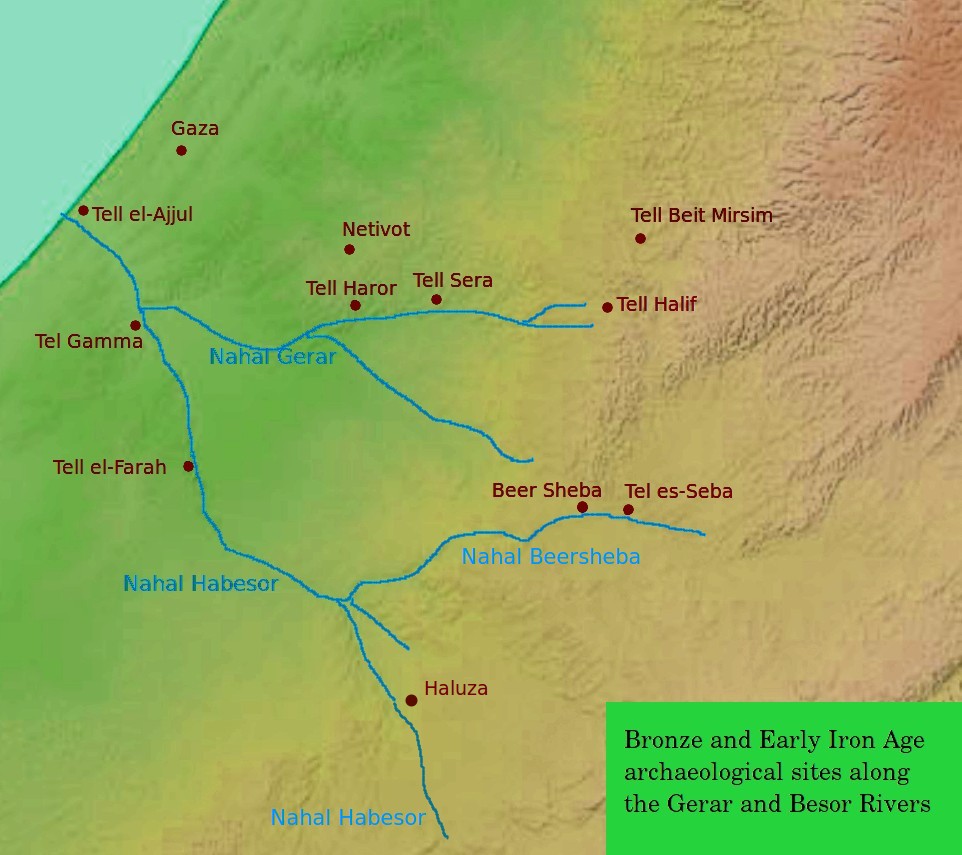
Elusa (Haluza)
31.0970° N, 34.6520° E
About
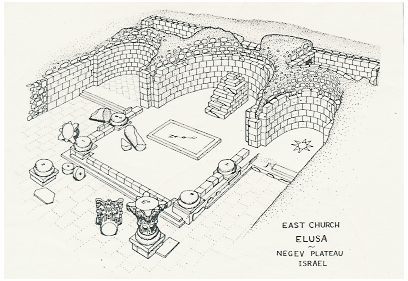
Elusa, also known as Haluza, was a significant ancient city located in the Negev Desert, part of the Nabataean Incense Route linking Petra to Gaza. Founded by the Nabateans in the late 4th or early 3rd century BCE, it became a prominent city after Roman annexation in 106 CE, serving as the principal city of the central Negev. The city was notable for its diverse population, including Christians and pagans, and featured structures such as temples, churches, a theatre, and a cemetery. Elusa was renowned for its vineyards and wine production during the Byzantine period. An important archaeological site, it reveals insights into the cultural and economic interactions of the region. Despite its decline in the 6th century CE, Elusa's legacy endures as part of the UNESCO World Heritage-listed Nabataean towns.
Gallery
Explore photographs of ancient structures, artifacts, and archaeological excavations
Historical Timeline
Journey through time and discover key events in this site's history
Nabataean founding
3rd century BCE
Roman annexation
106 CE
Christian population increase
5th century CE
Decline before Muslim conquest
6th century CE
Archaeological Features
Unique architectural and cultural elements found at this historical site
Water Management Features
Public and Civic Structures
Religious and Ritual Structures
Artistic and Decorative Features
Agricultural and Land Use Features
Domestic and Habitation Structures
Frequently Asked Questions
Plan Your Visit
Tours, travel arrangements, and practical information


More Sites in Israel
Tell Qasile
Philistine port city with temples and houses
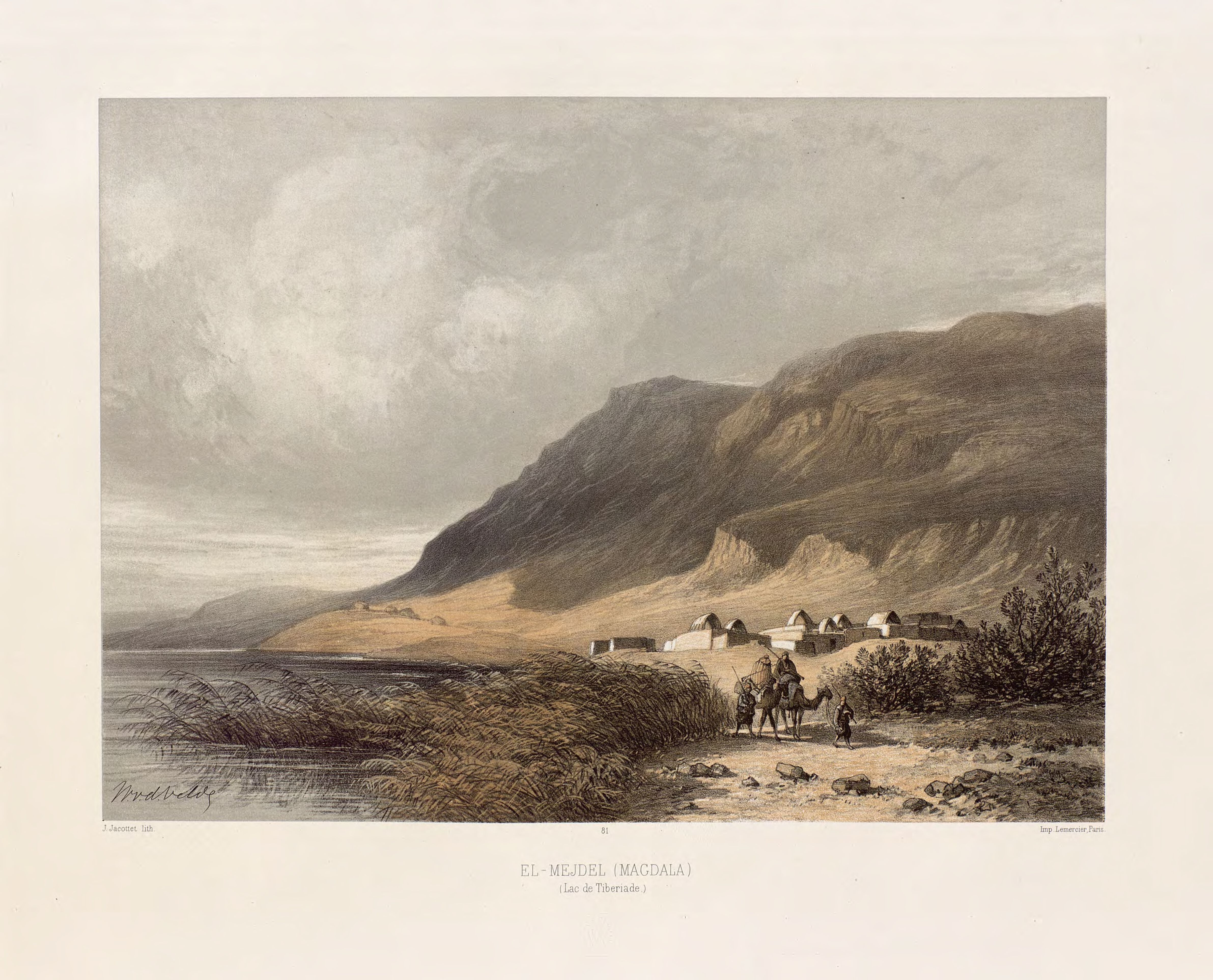
Magdala
Ancient Jewish city with Roman synagogues
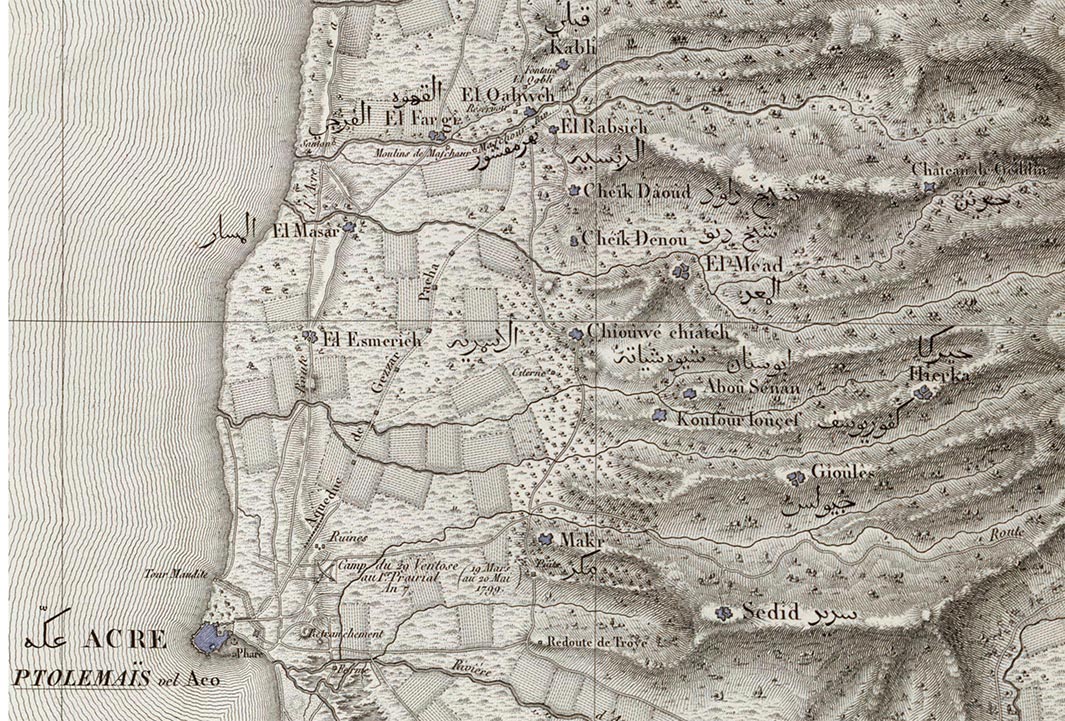
Tel Kabri
Bronze Age Canaanite palace and settlement
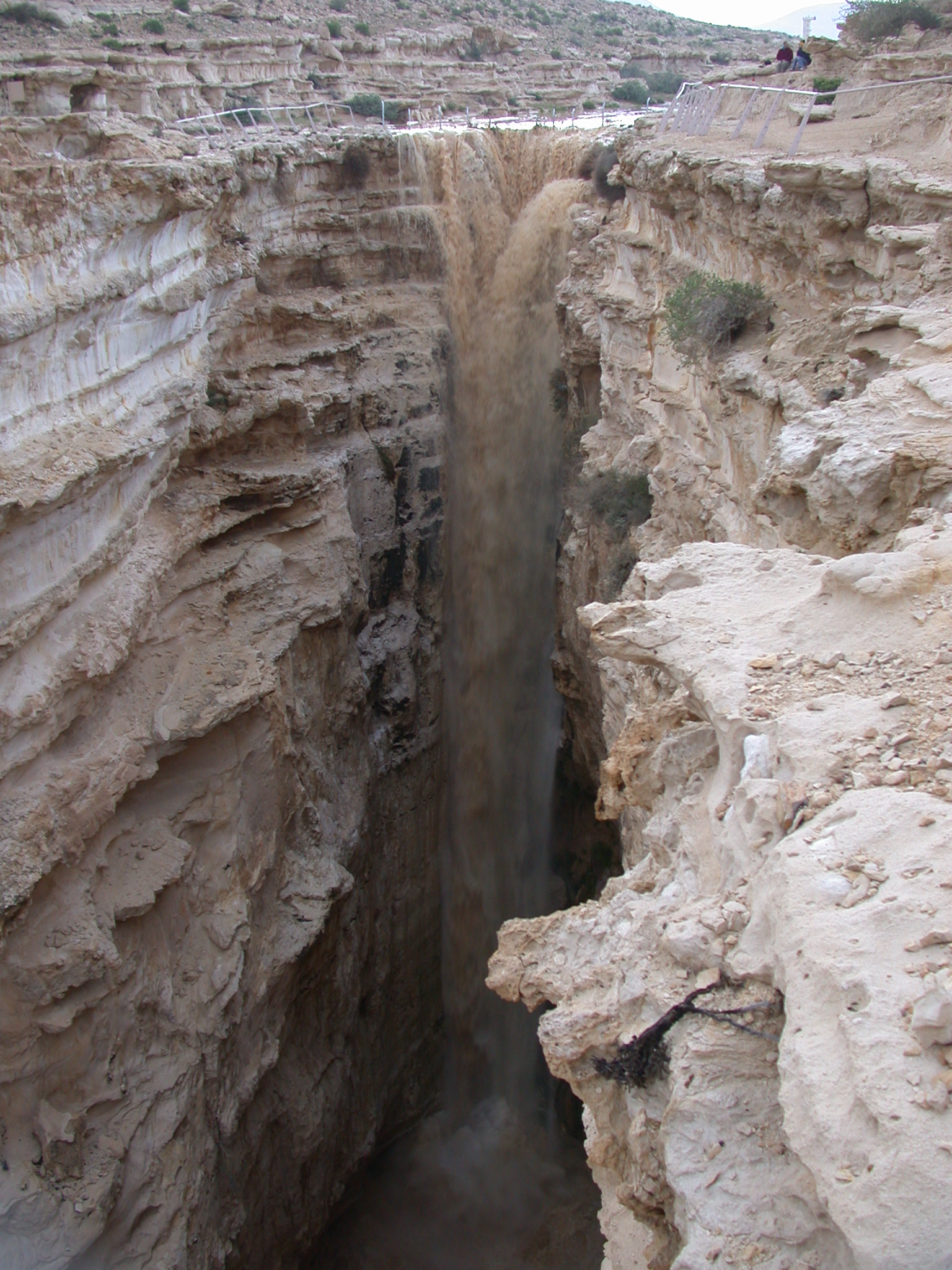
Ein Avdat
Desert canyon with springs and ancient habitations.
Tel Tanninim
Ancient tell near Mediterranean with Byzantine remains
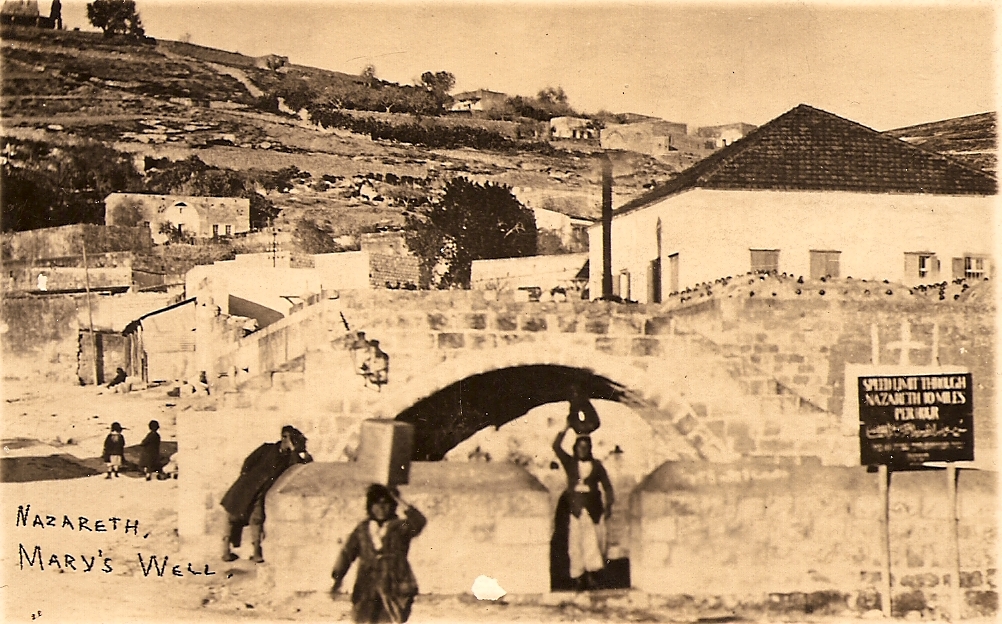
Mary's Well
Ancient water supply with religious significance