Explore the Map
Horvat Maon (western Negev)
31.4100° N, 35.1300° E
About
Horvat Maʿon, also known as Tell Maʿin or Khirbet el-Maʿin, is an archaeological site located in the western Negev of Israel. The site played a significant role during the Roman period as the western boundary of the Limes Palaestinae. Known historically as Menois, it served as the capital of the Saltus Constantinianus district, a significant administrative region likely established by either Constantine the Great or Constantius II in the 4th century CE. Archaeological excavations have revealed the Maon Synagogue, adorned with intricate mosaics depicting various animals, constructed around 600 CE. These artistic features provide insight into the religious and cultural practices of the region during the Late Classical and Early Post-Classical periods.
Historical Timeline
Journey through time and discover key events in this site's history
Formation of Saltus Constantinianus
300 CE - 400 CE
Construction of Maon Synagogue
600 CE
Archaeological Features
Unique architectural and cultural elements found at this historical site
Religious and Ritual Structures
Artistic and Decorative Features
Frequently Asked Questions
Plan Your Visit
Tours, travel arrangements, and practical information
More Sites in Israel
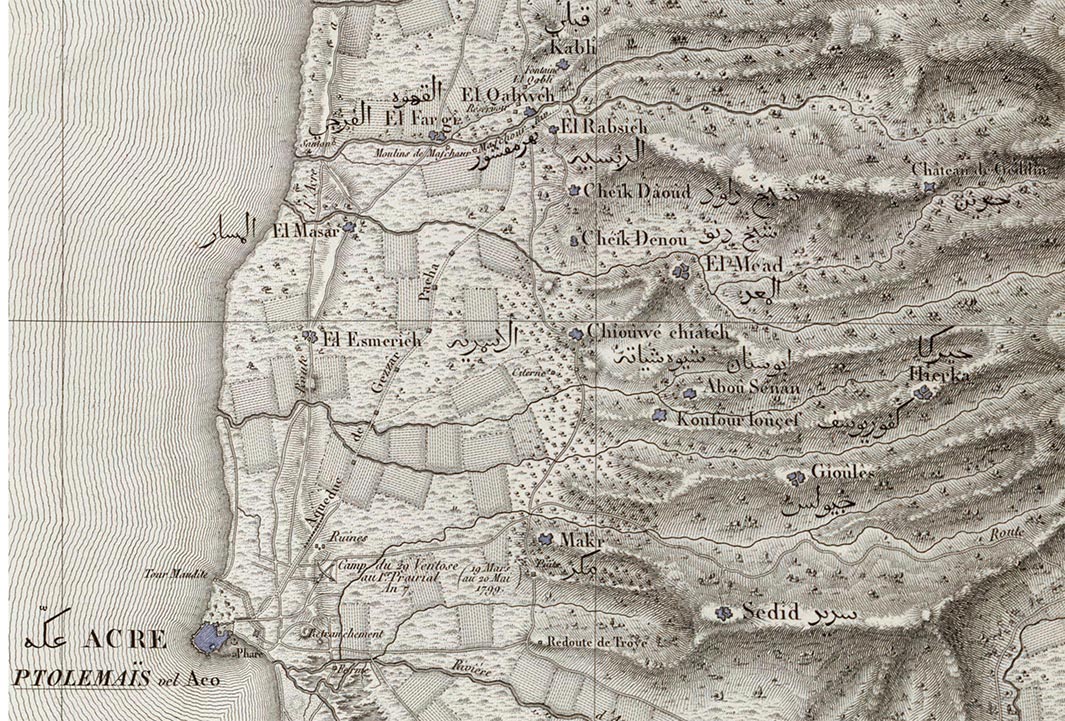
Tel Kabri
Bronze Age Canaanite palace and settlement
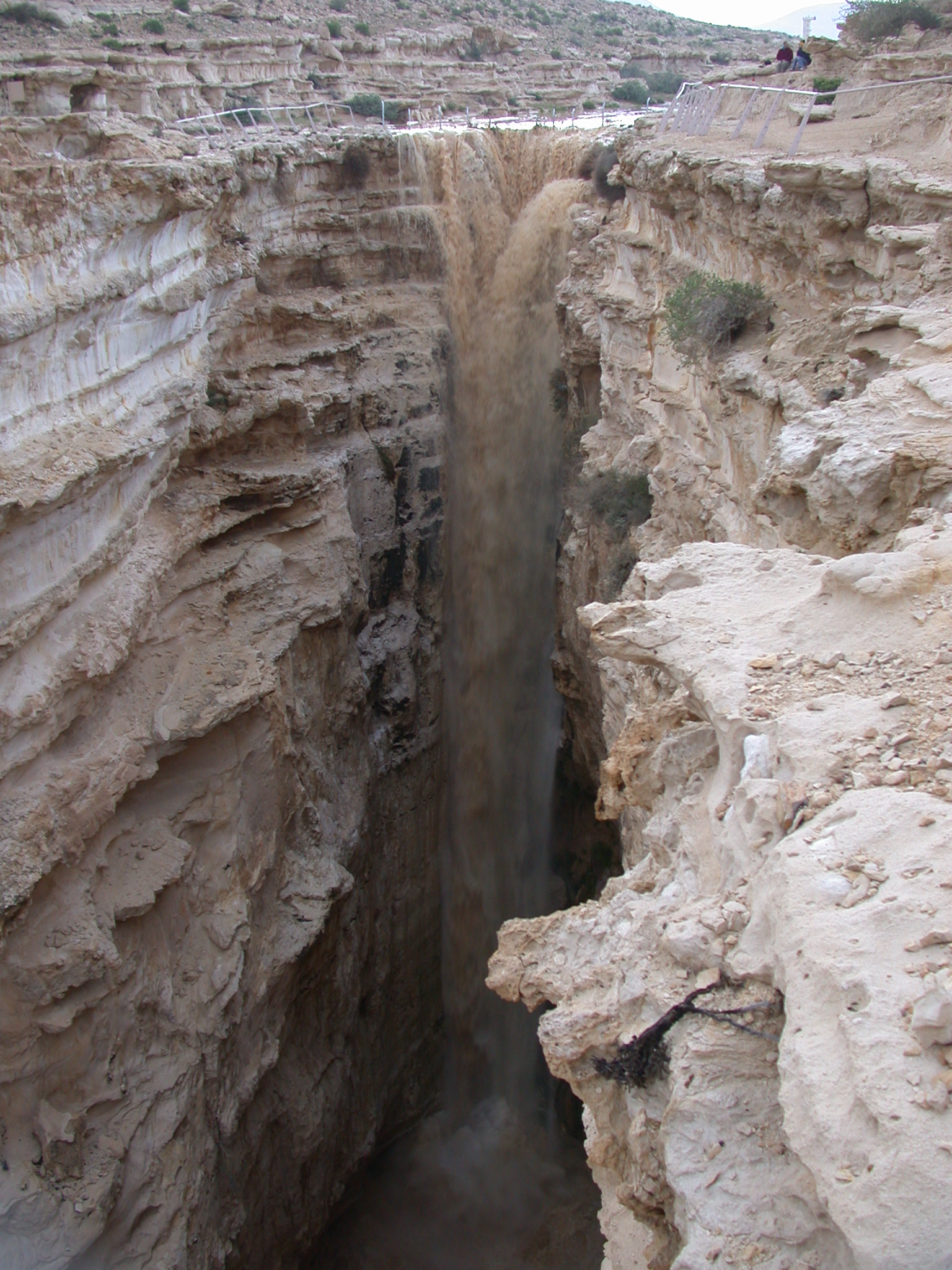
Ein Avdat
Desert canyon with springs and ancient habitations.
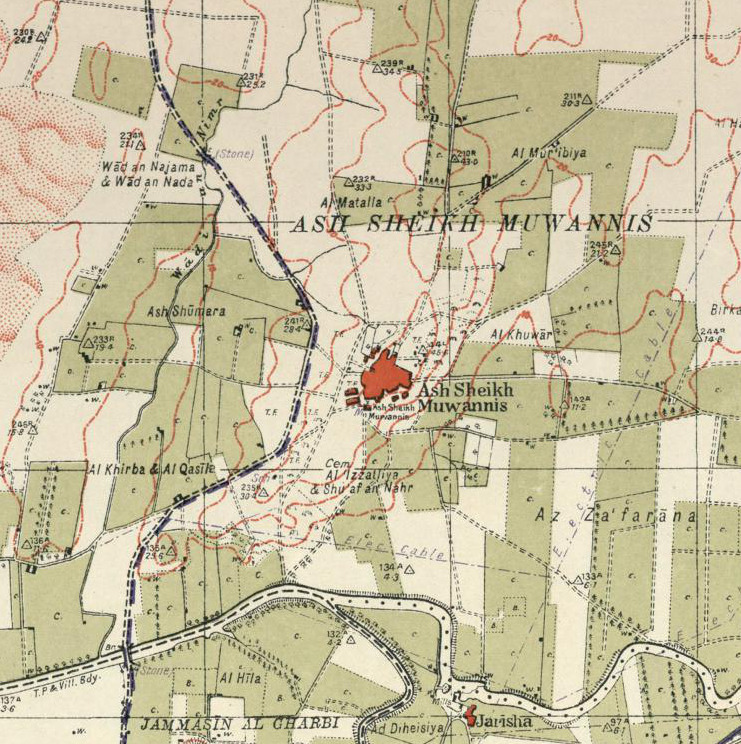
Tell Qasile
Philistine port city with temples and houses
Tel Tanninim
Ancient tell near Mediterranean with Byzantine remains
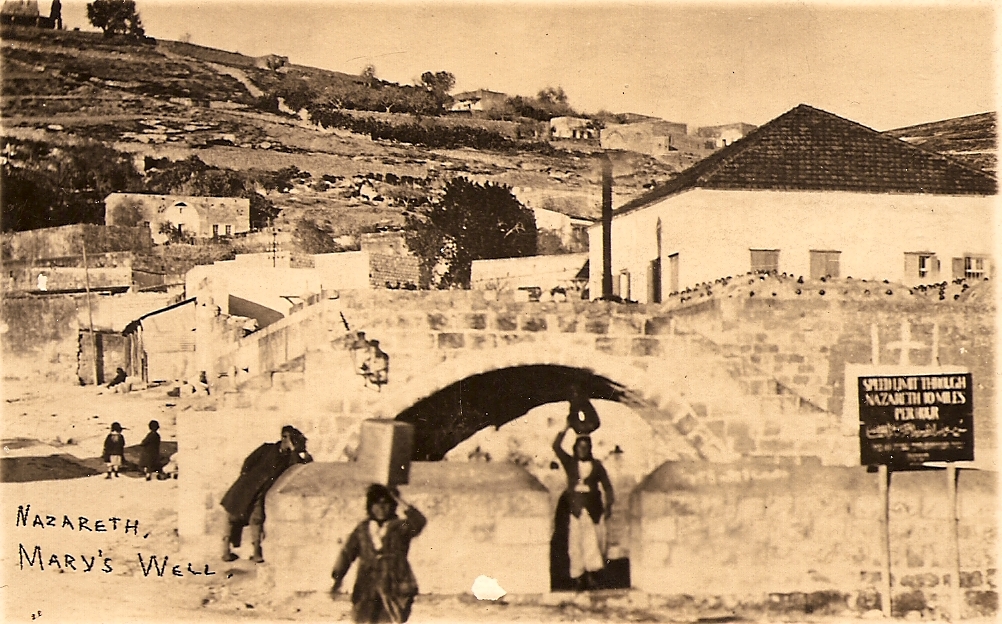
Mary's Well
Ancient water supply with religious significance
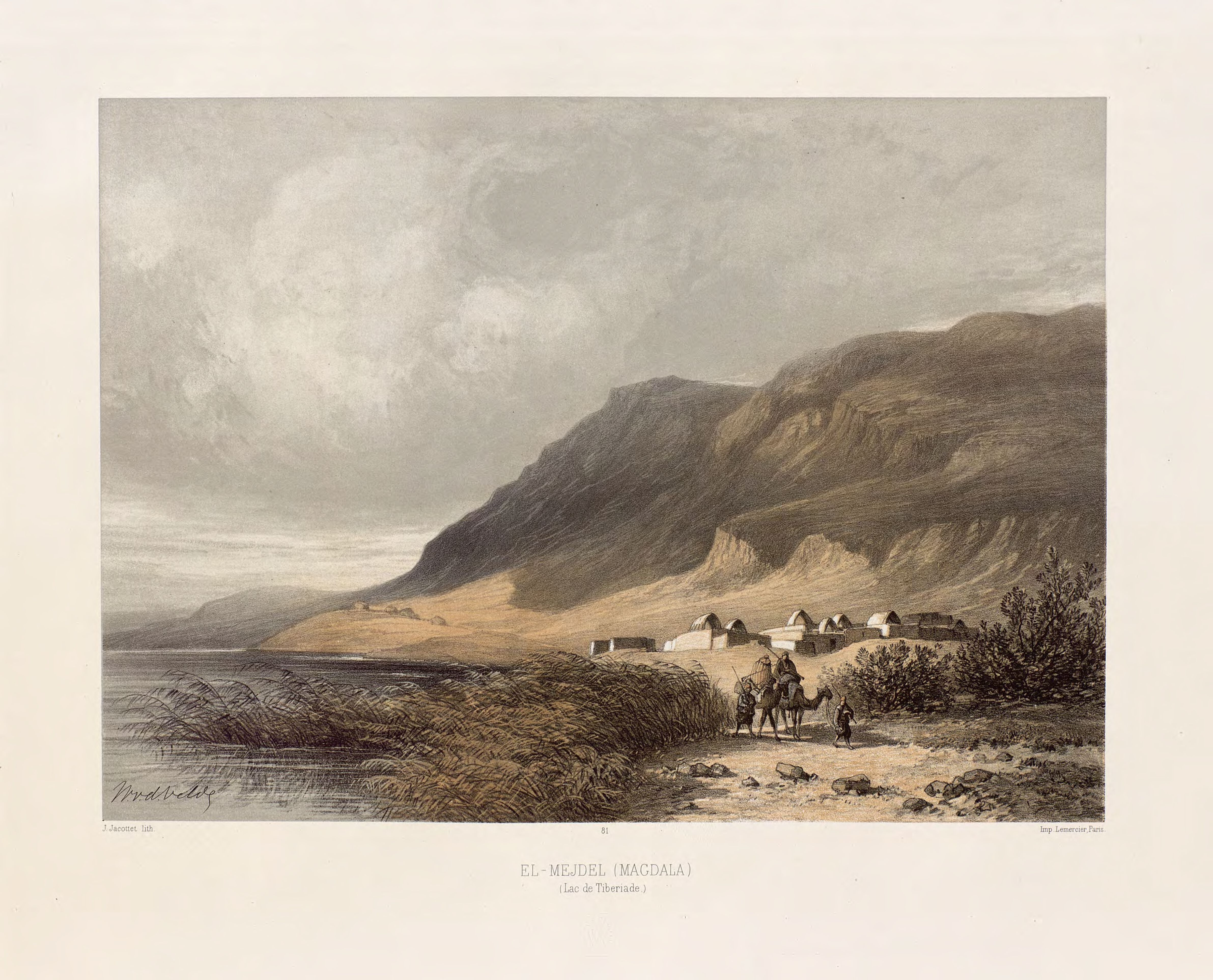
Magdala
Ancient Jewish city with Roman synagogues