Time Periods
Paleolithic
Mesolithic
Neolithic
Chalcolithic
Bronze Age
Iron Age
Classical Period
Post-Classical Period
Early Modern Period
Industrial Period
Contemporary Period
Time Periods
Paleolithic
Mesolithic
Neolithic
Chalcolithic
Bronze Age
Iron Age
Classical Period
Post-Classical Period
Early Modern Period
Industrial Period
Contemporary Period
Location
About
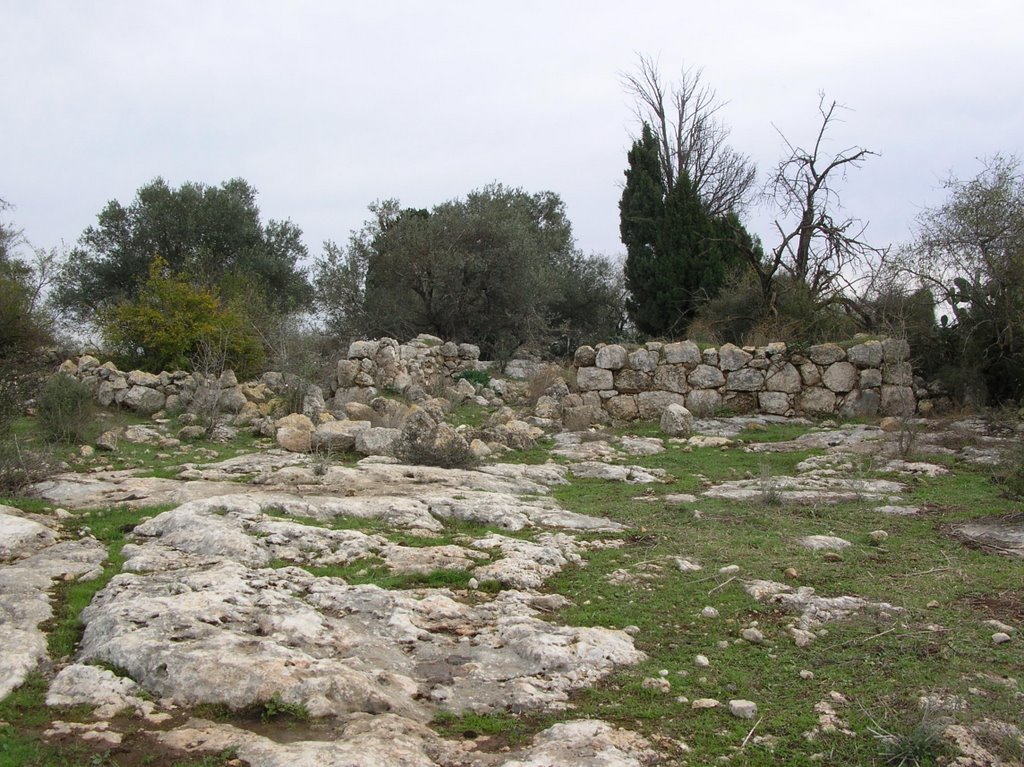
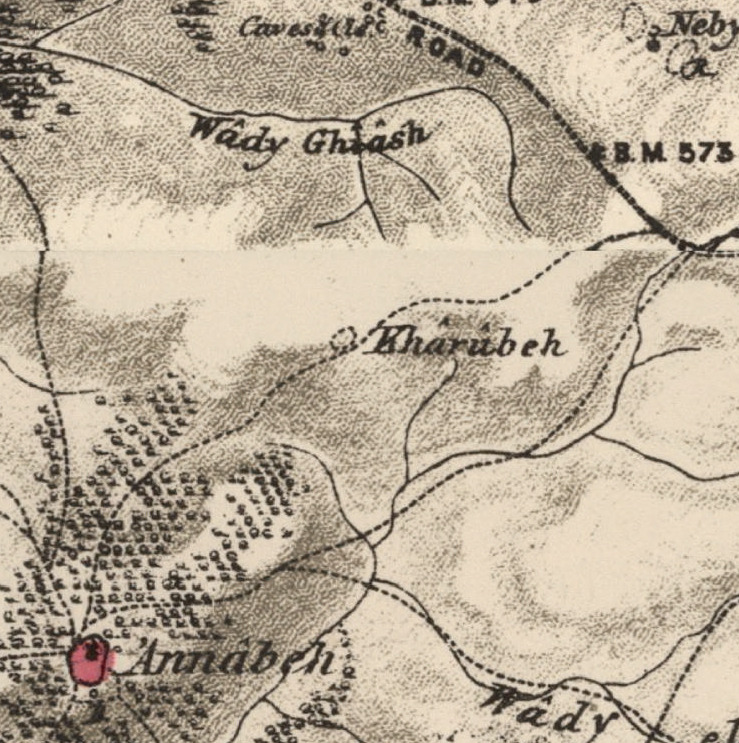
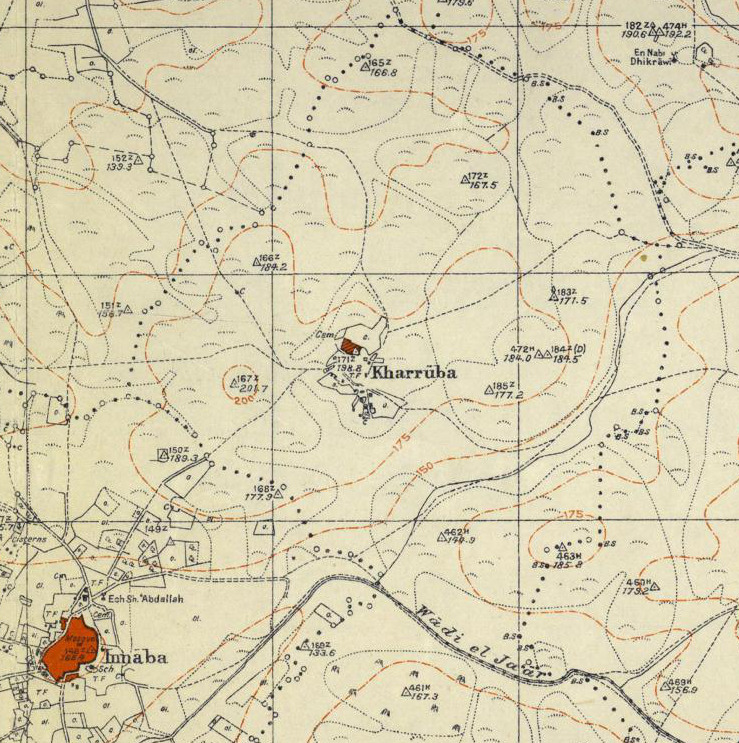
Kharruba was a Palestinian Arab village with a significant history of habitation and conflict. Archaeologically, it features the remains of a medieval fort possibly linked to the Crusader castle Arnaldi, and historical records suggest it was a site of resistance during the Bar Kokhba revolt. Kharruba has been a cultivated area since at least the 16th century CE, evidenced by Ottoman tax records. The village was resettled in the early 20th century by residents from Beit Iksa, serving as a satellite village. It was depopulated during the 1948 Arab-Israeli War, and its ruins today include stone rubble and remnants of traditional Palestinian plantings. The site holds historical significance due to its long occupation history and the events it has witnessed over centuries.
Gallery
Explore photographs of ancient structures, artifacts, and archaeological excavations at Kharruba
Archaeological Features
Explore the unique architectural and cultural elements found at this historical site
Defensive Structures
Religious and Ritual Structures
Agricultural and Land Use Features
Domestic and Habitation Structures
Environmental and Natural Features
Historical Timeline
Journey through time and discover key events in this site's archaeological history
Plan Your Visit
Details
- Country
- Israel
- Source
- Wikipedia
More Sites in Israel
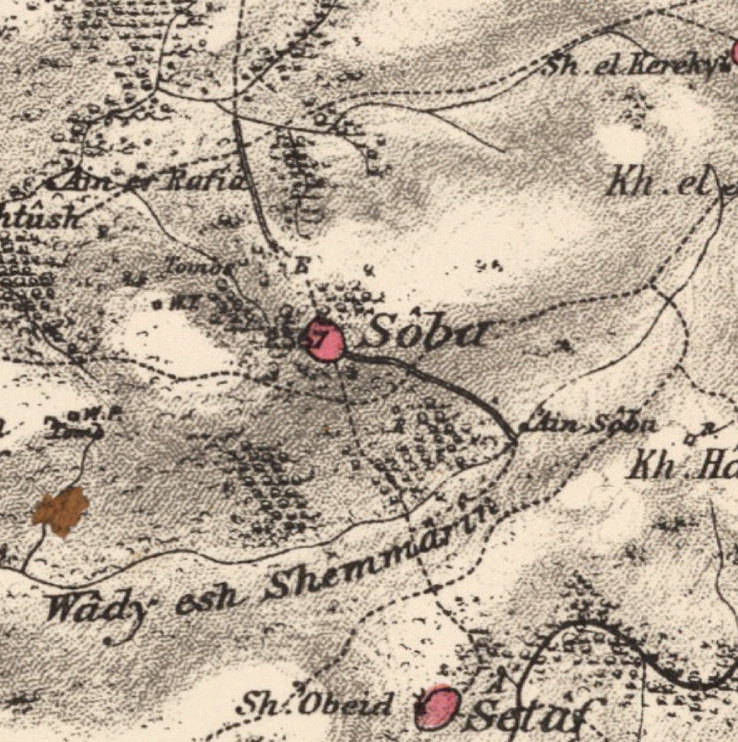
Suba, Jerusalem
Crusader castle ruins on a conical hill
Tel Shem
Flattened tell with scattered artifacts.
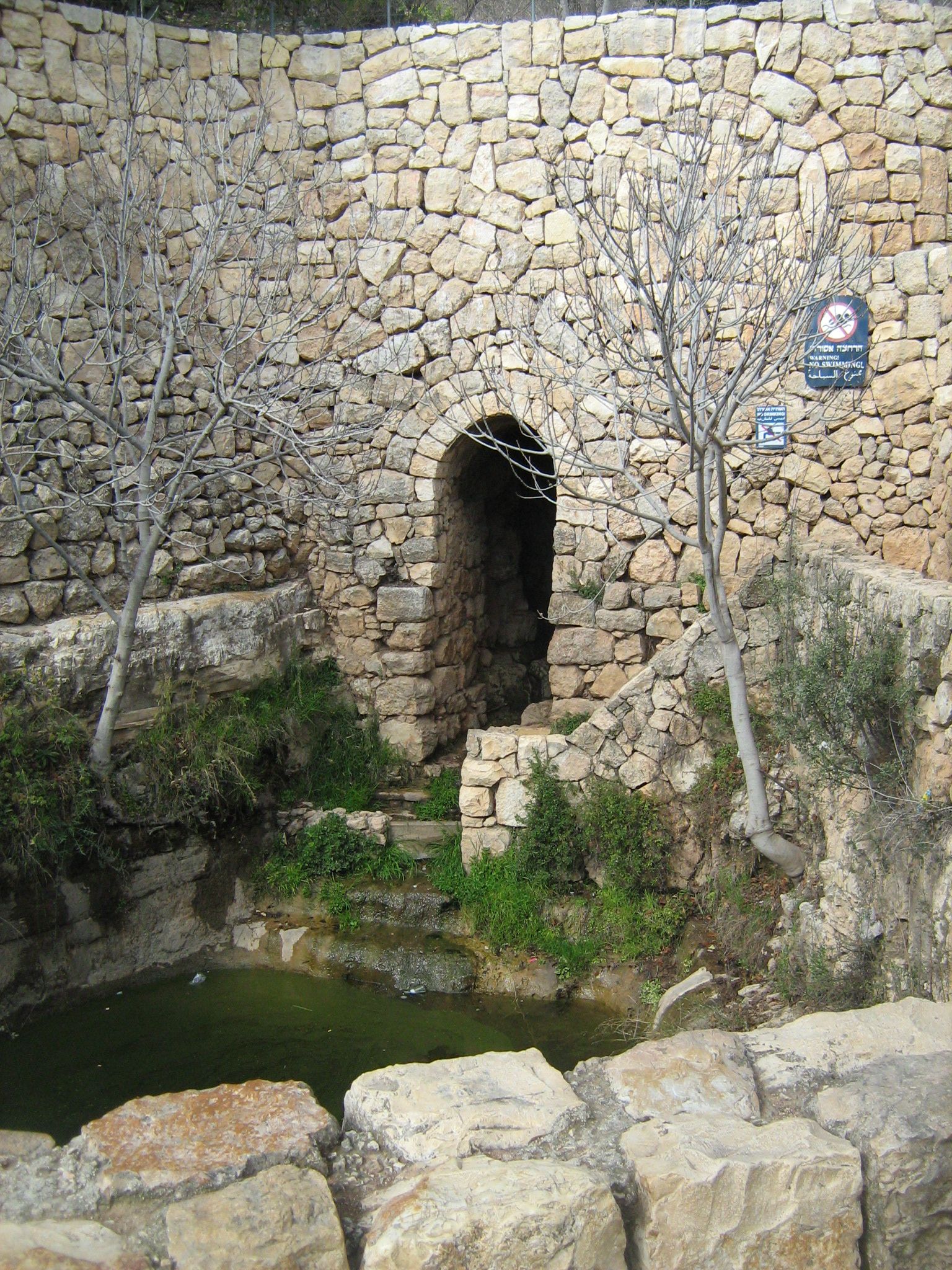
Sataf
Ancient village with terraced agriculture.
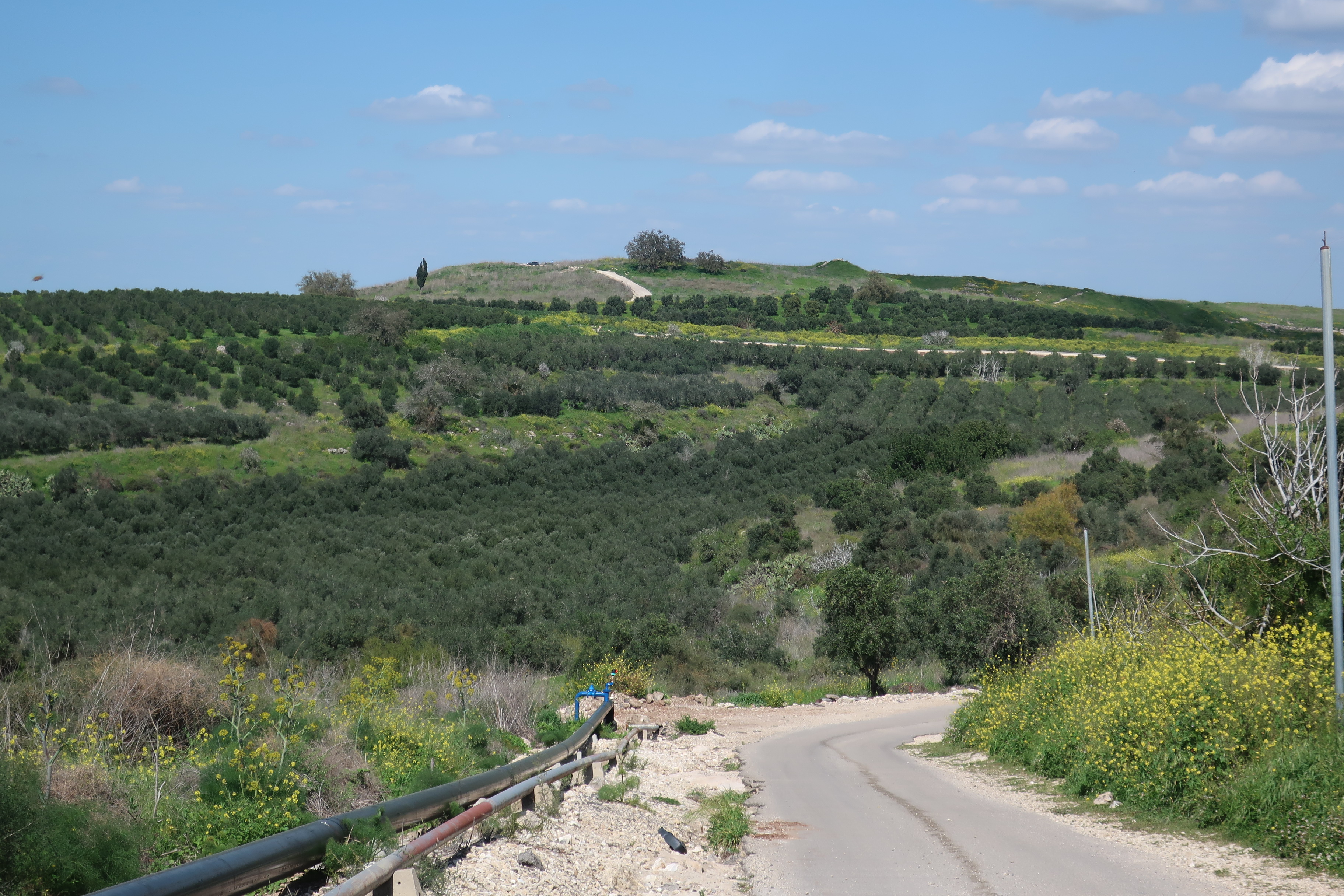
Gezer
Ancient Canaanite city with biblical significance.
Beit Qufa
Ancient multi-period settlement and industrial site

Bayt Jibrin
Ancient city with diverse cultural influences