Explore the Map
Beit Qufa
31.9735° N, 34.9588° E
About
Beit Qufa is an archaeological site located in the Lod Valley, Israel, showcasing a rich tapestry of historical periods. Its significance lies in the variety of features from different eras, including settlement remains from the Middle Bronze Age, as well as a bathhouse and terraces from the Byzantine and Early Islamic periods. The site also features a lime-kiln, indicative of its industrial use. In the Ottoman period, Beit Qufa was part of the larger administrative framework and was later abandoned in the 17th century due to regional instability. The site's layers reveal a continuous human presence and adaptation over millennia, making it a valuable resource for understanding the region's cultural and economic transitions from ancient times through the early modern period.
Historical Timeline
Journey through time and discover key events in this site's history
Middle Bronze Age settlement
2100 BCE to 1600 BCE
Byzantine settlement and bathhouse
500 CE to 700 CE
Early Islamic settlement
661 CE to 750 CE, 750 CE to 1258 CE
Ottoman Empire incorporation
1517 CE
Beit Qufa abandonment
17th century CE
Archaeological Features
Unique architectural and cultural elements found at this historical site
Water Management Features
Industrial and Craft Structures
Agricultural and Land Use Features
Domestic and Habitation Structures
Frequently Asked Questions
Plan Your Visit
Tours, travel arrangements, and practical information


More Sites in Israel
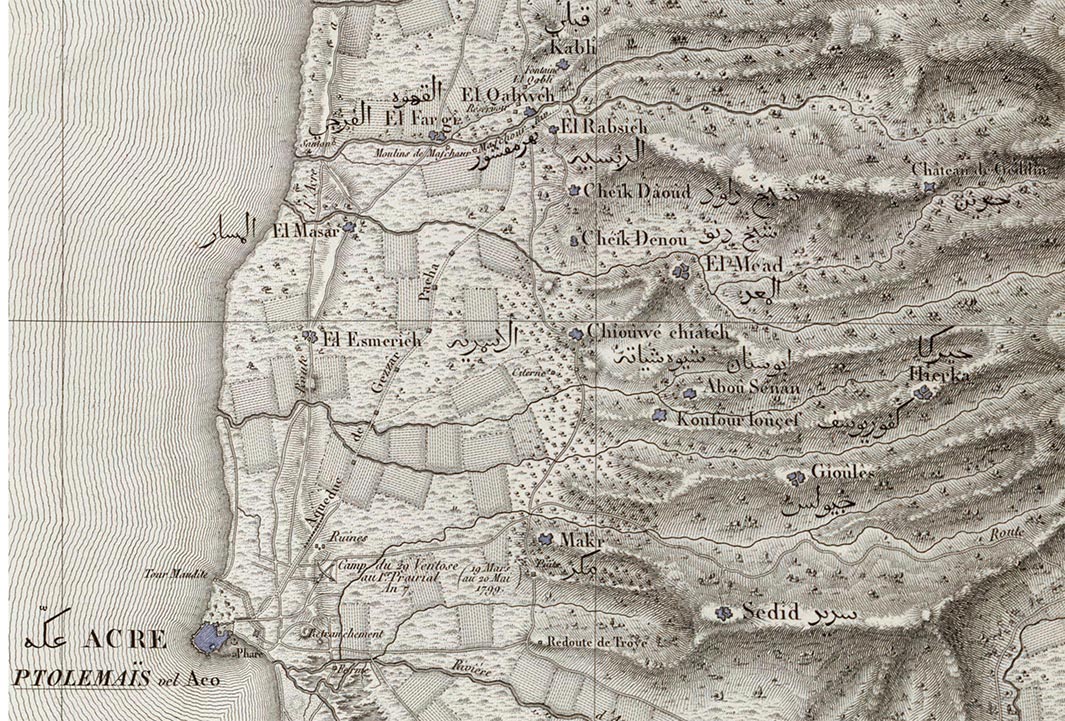
Tel Kabri
Bronze Age Canaanite palace and settlement
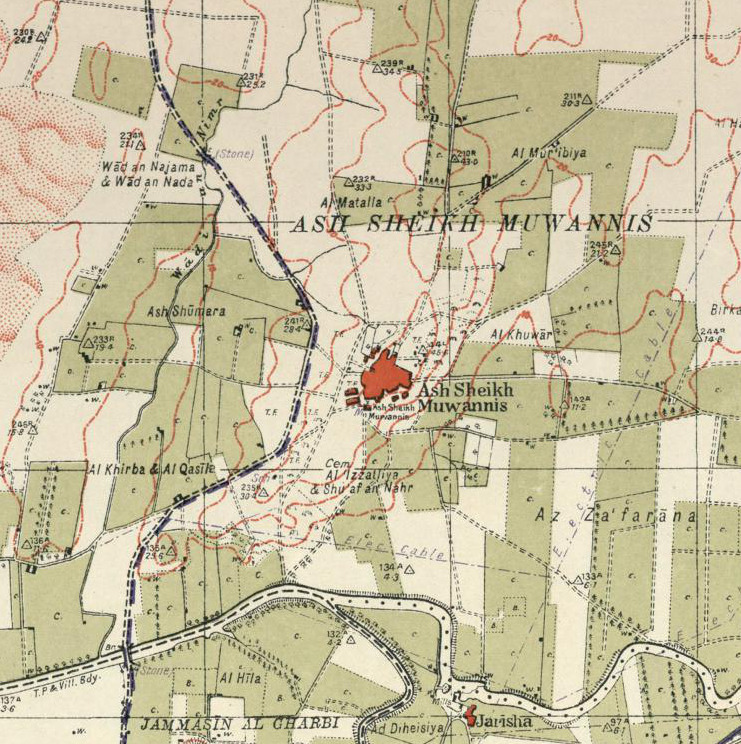
Tell Qasile
Philistine port city with temples and houses
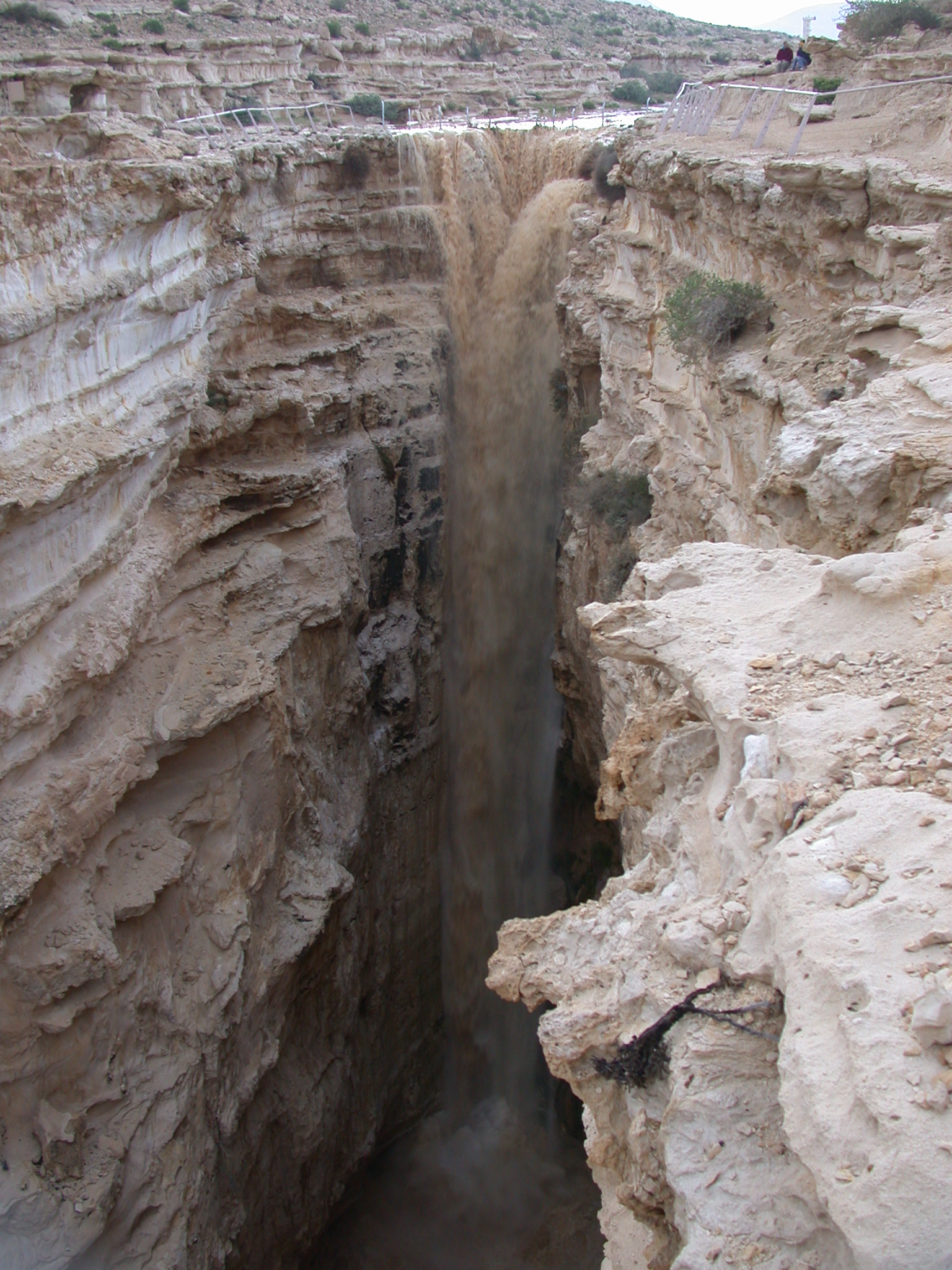
Ein Avdat
Desert canyon with springs and ancient habitations.
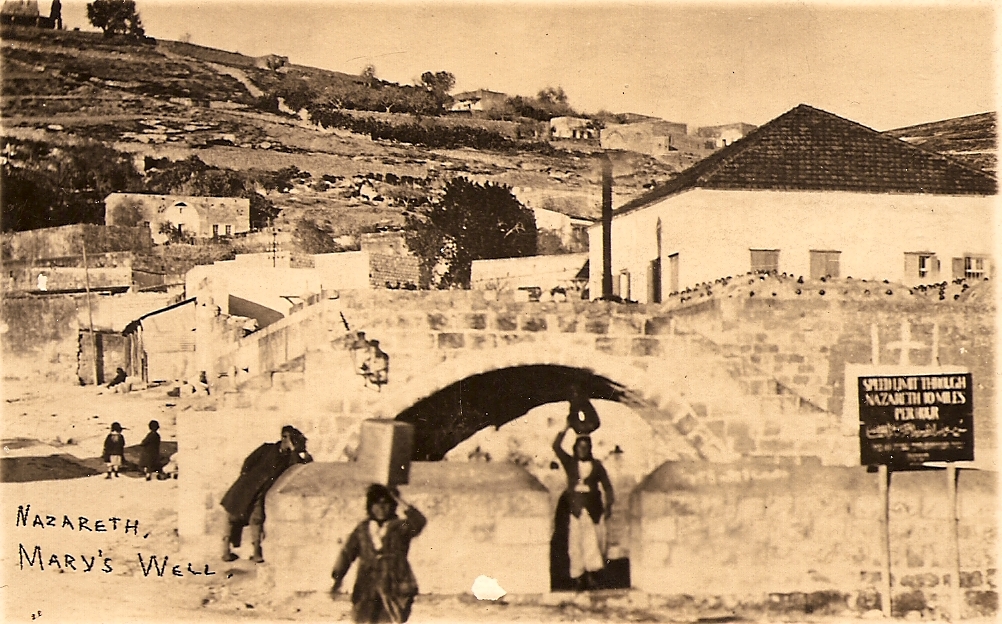
Mary's Well
Ancient water supply with religious significance
Tel Ro'im
Limestone hill with Roman-Byzantine caves
Lavnin
Late Bronze Age site with burial caves