Explore the Map
Mary's Well
32.7067° N, 35.3016° E
About
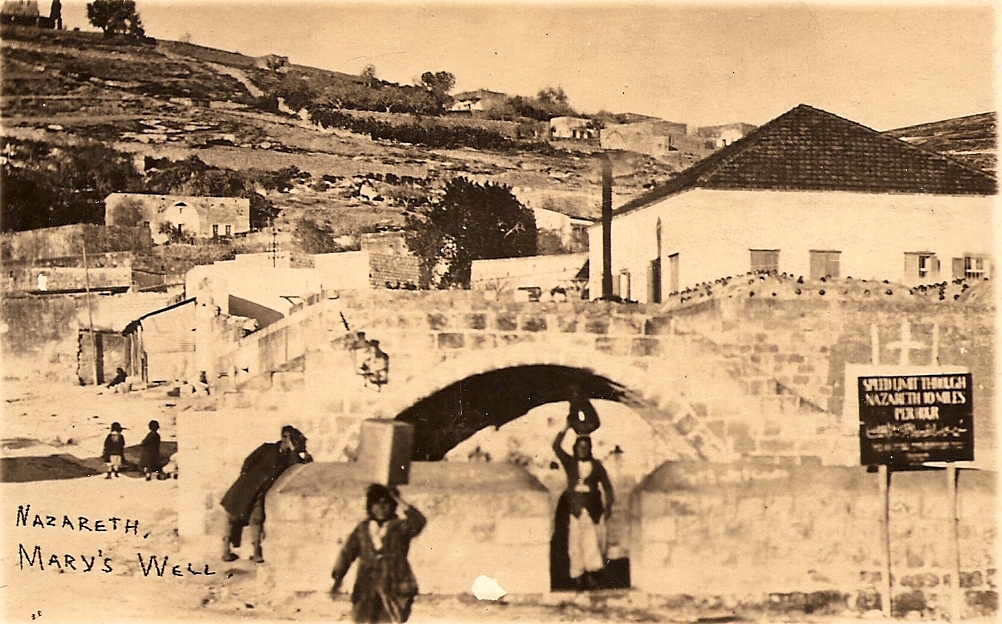
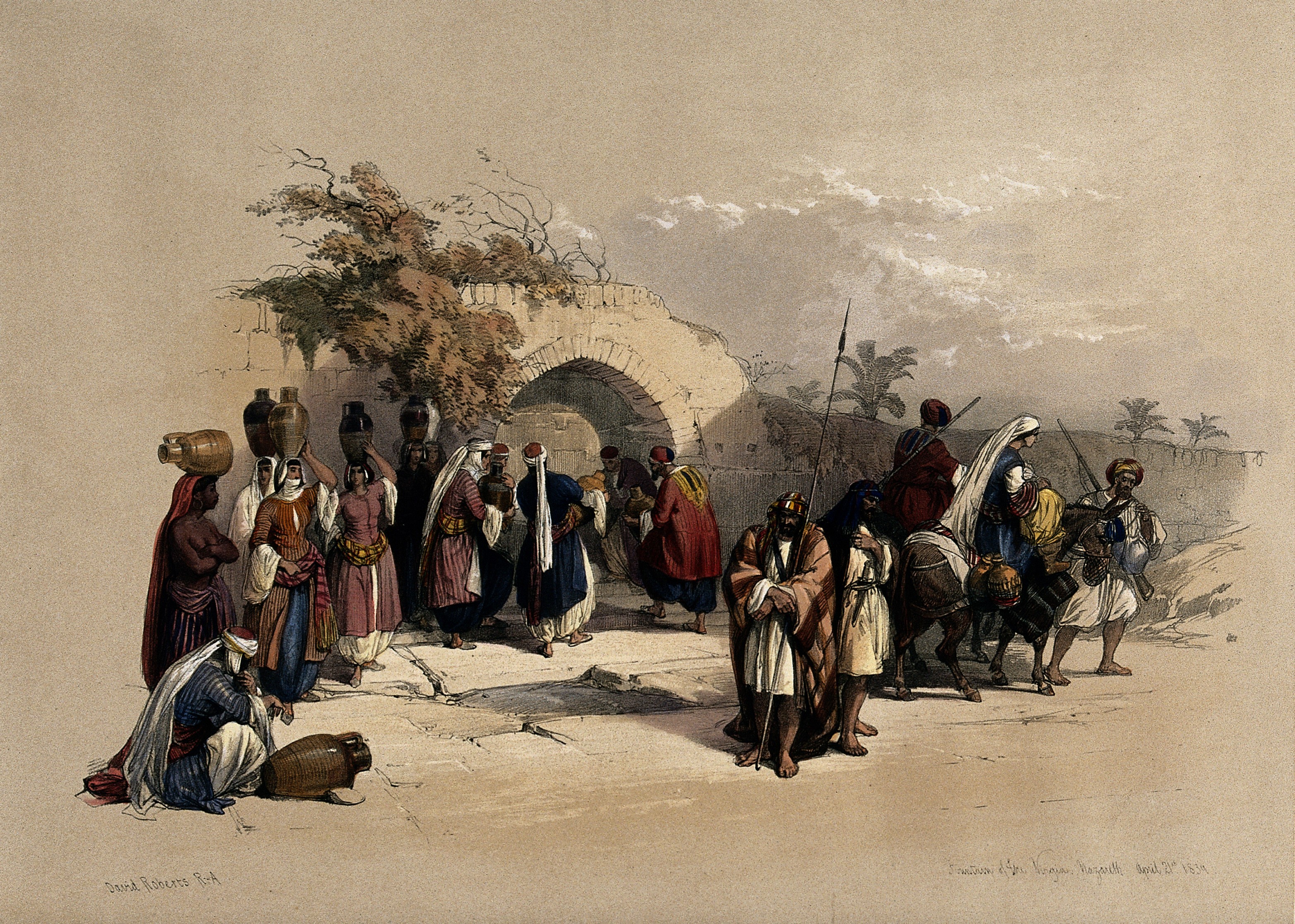
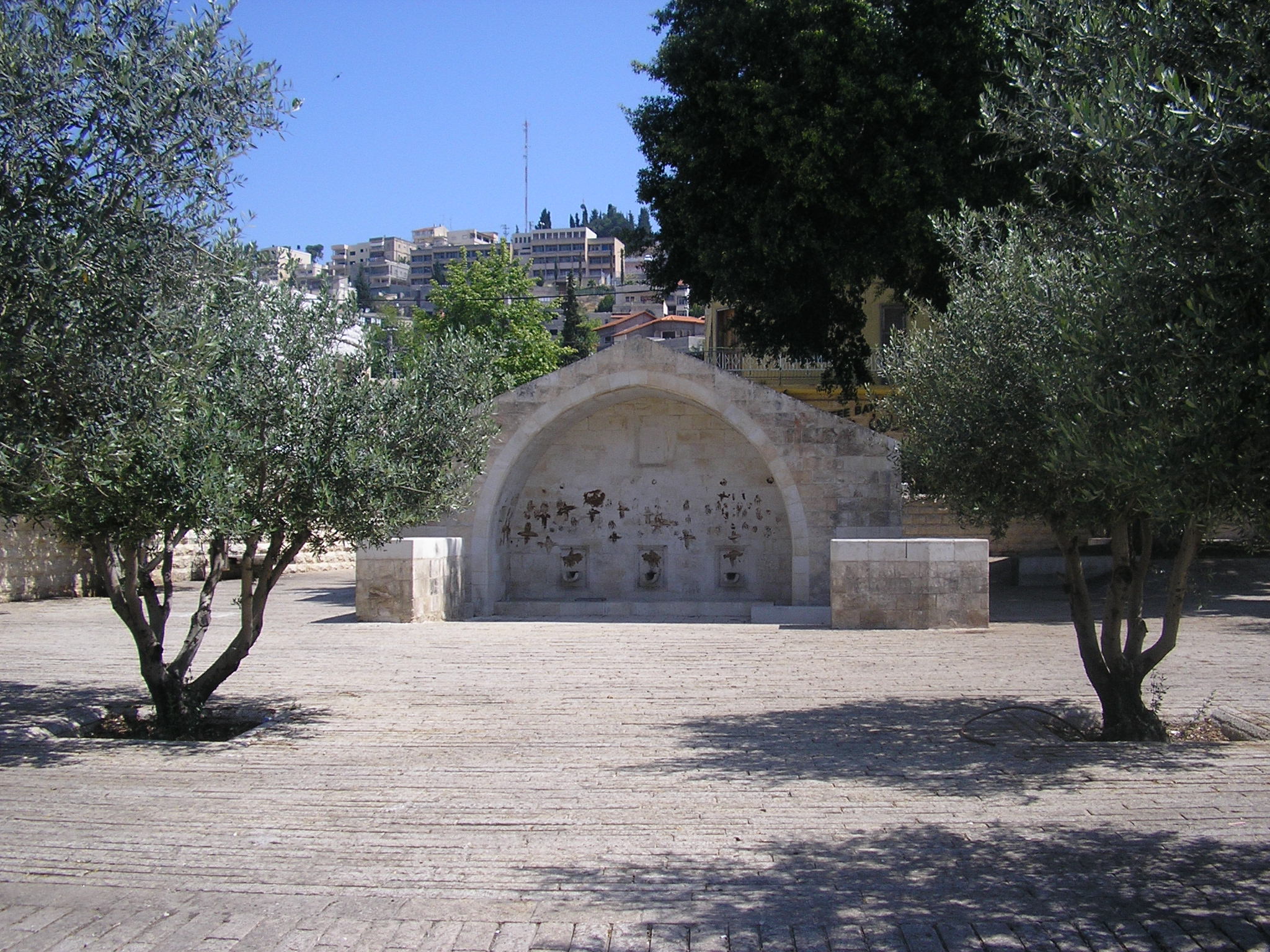
Mary's Well in Nazareth is a historically significant site with strong associations with Christian traditions, particularly the Annunciation, where Archangel Gabriel is said to have appeared to Mary. Archaeologically, it has served as a crucial water source for the community since at least the Byzantine period. While the current structure is a symbolic reconstruction from the year 2000, the original well was pivotal in local life, evidenced by its frequent mention in historical accounts from the 19th century. It was linked to a broader water system possibly dating back to Roman times, though conclusive evidence of Roman use is absent. The site's importance is not only practical but also deeply religious, making it a focal point for pilgrims and a symbol of Nazareth's rich historical tapestry.
Gallery
Explore photographs of ancient structures, artifacts, and archaeological excavations
Historical Timeline
Journey through time and discover key events in this site's history
Byzantine water system use
500 CE
19th-century description by Wilson
1824 CE
Finn's visit and description
1853 CE
Nazareth 2000 reconstruction
2000 CE
Archaeological Features
Unique architectural and cultural elements found at this historical site
Water Management Features
Religious and Ritual Structures
Frequently Asked Questions
Plan Your Visit
Tours, travel arrangements, and practical information
More Sites in Israel
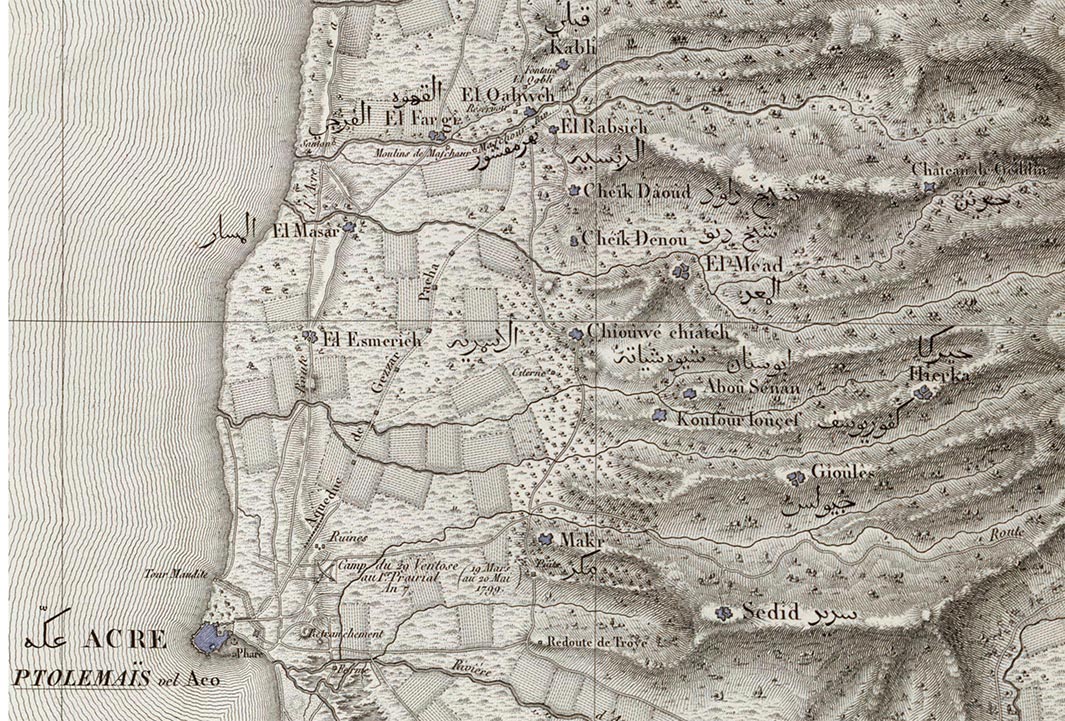
Tel Kabri
Bronze Age Canaanite palace and settlement
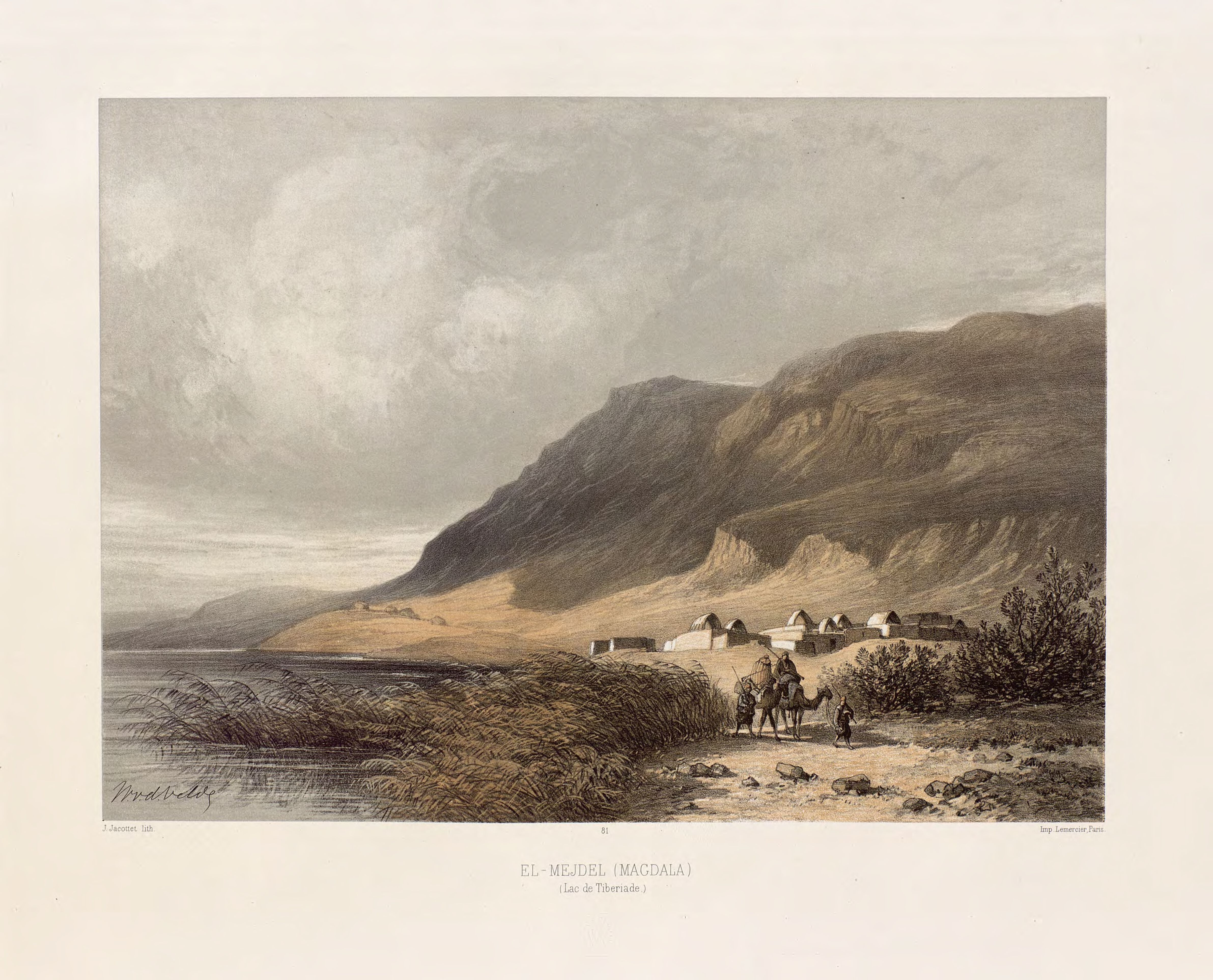
Magdala
Ancient Jewish city with Roman synagogues
Tel Tanninim
Ancient tell near Mediterranean with Byzantine remains
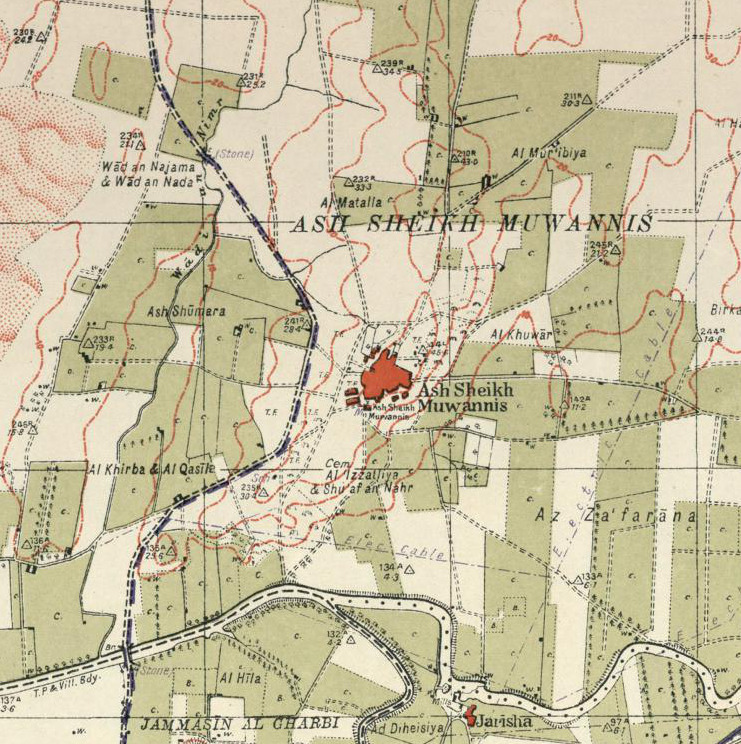
Tell Qasile
Philistine port city with temples and houses
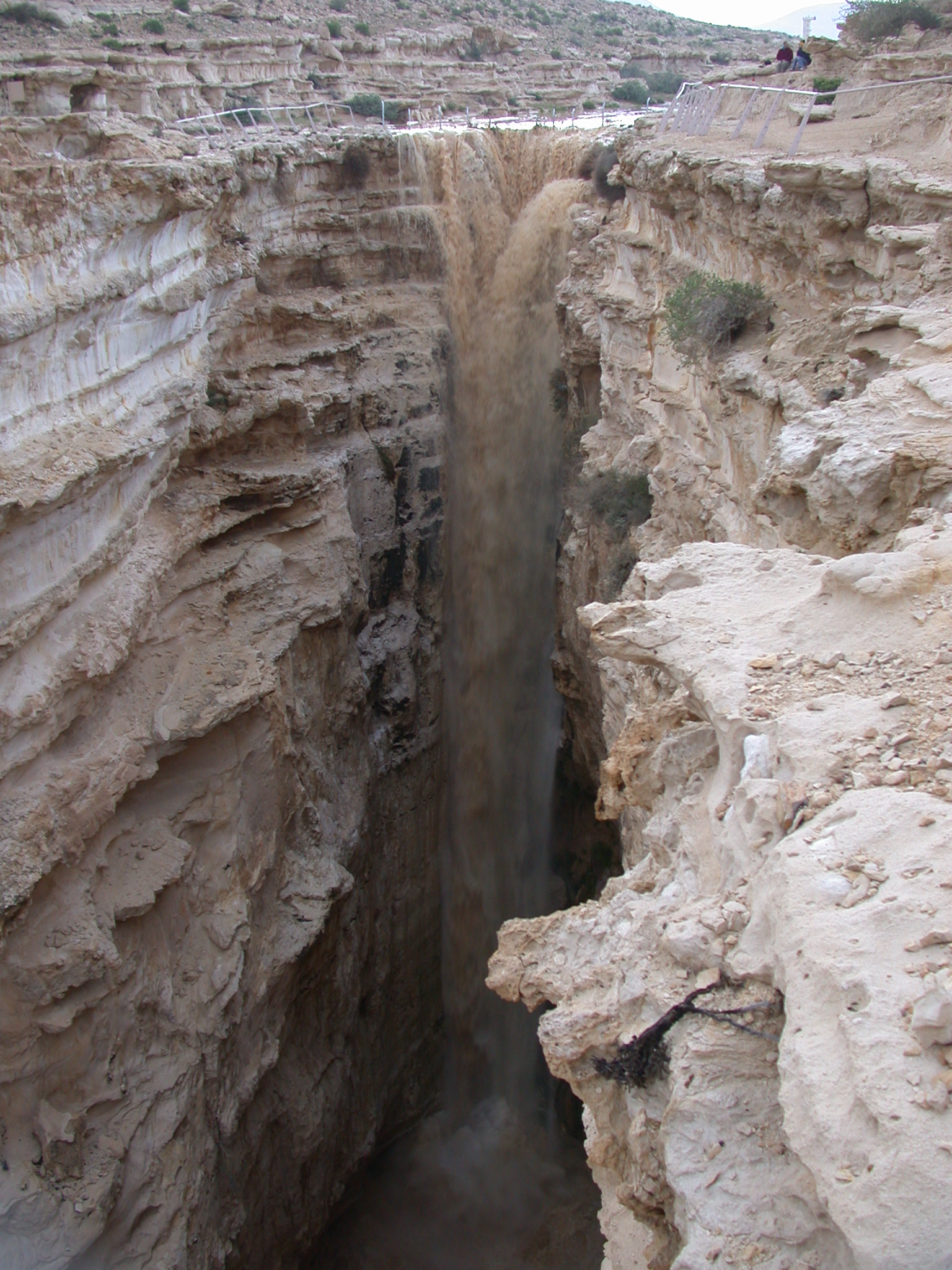
Ein Avdat
Desert canyon with springs and ancient habitations.
Lavnin
Late Bronze Age site with burial caves