Explore the Map
Magdala
32.8250° N, 35.5156° E
About
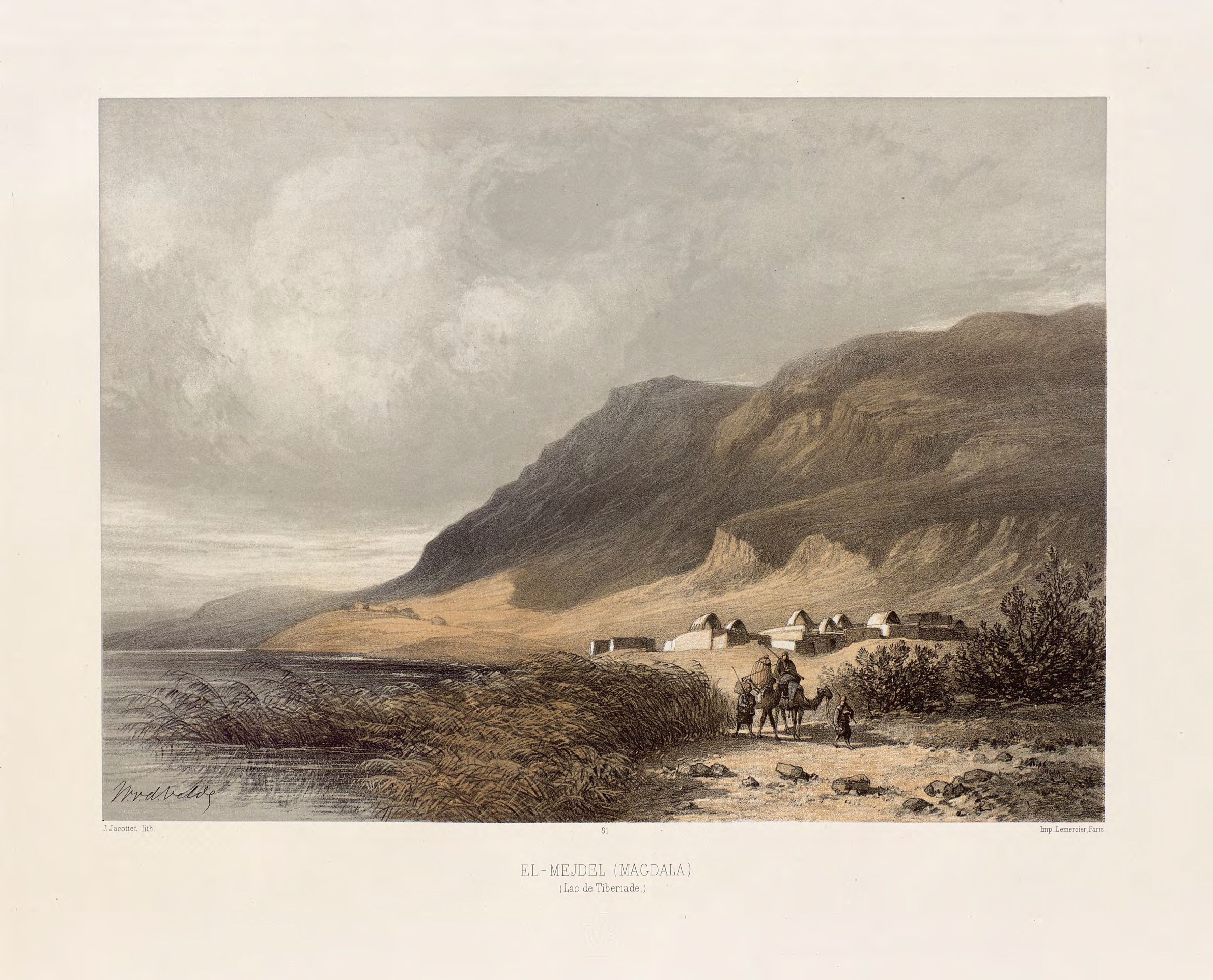
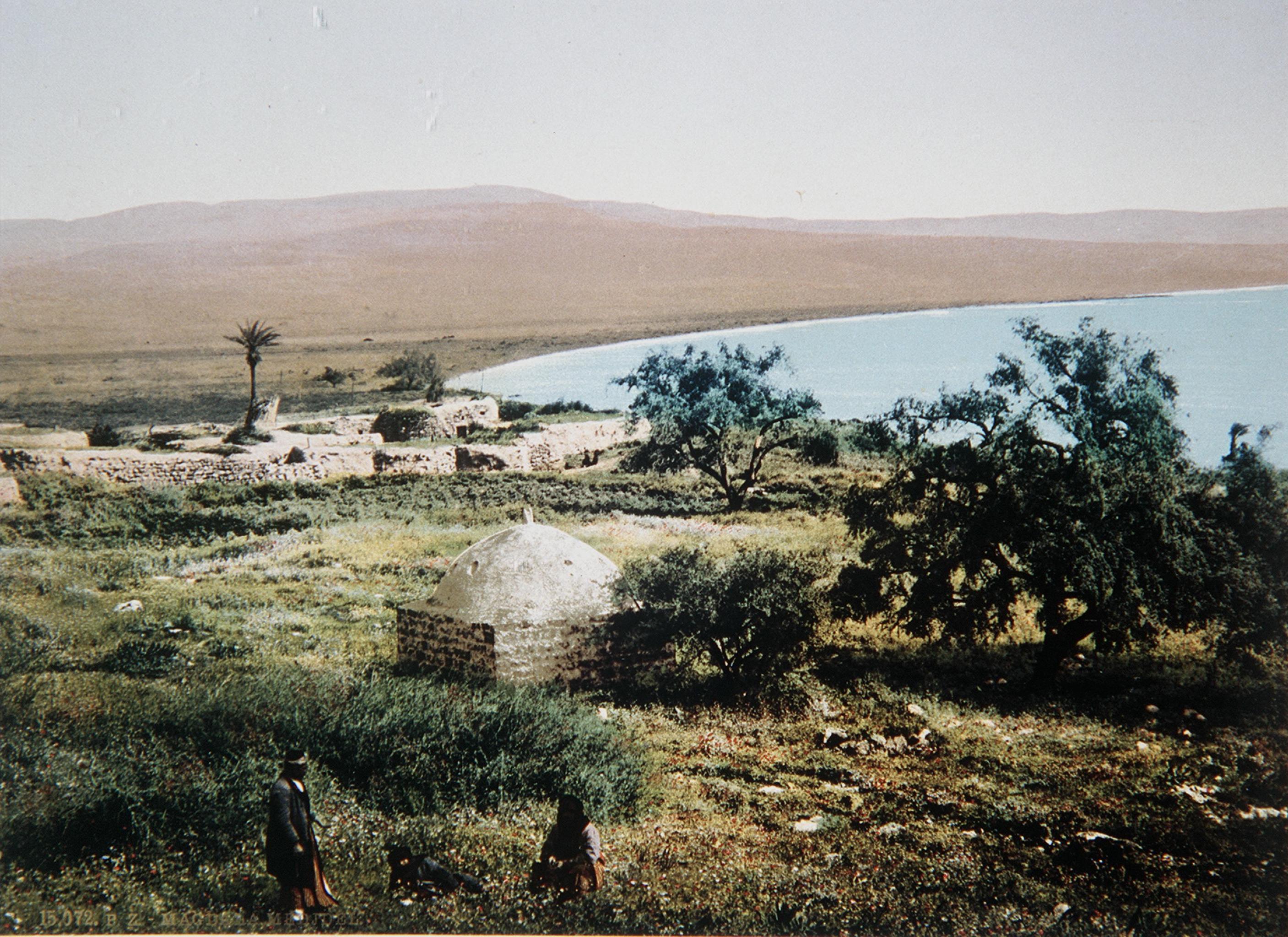
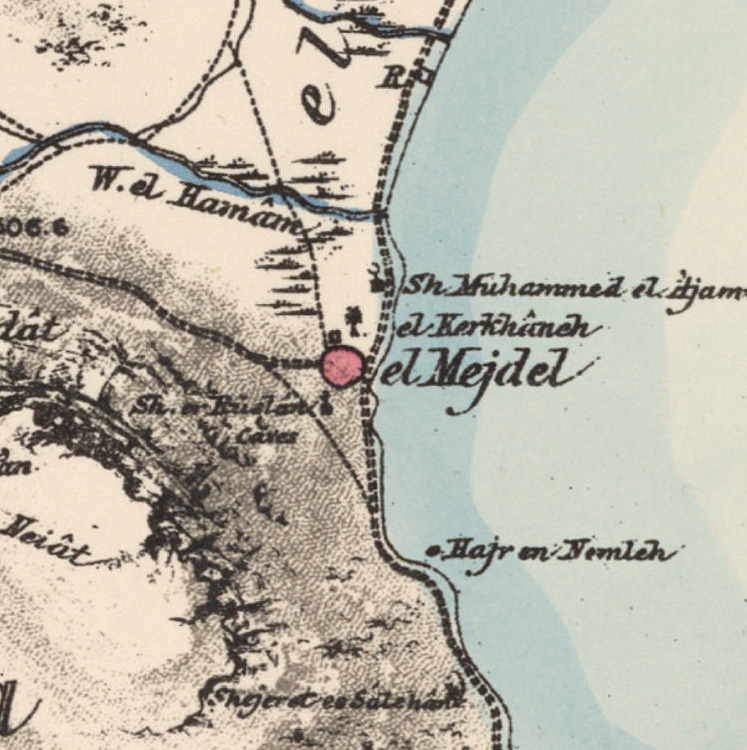
Magdala is an ancient site on the shore of the Sea of Galilee, known for its significant archaeological remains from multiple periods. Originally settled during the Hellenistic period, it flourished in the early Roman period, with structures like synagogues from the Second Temple period showcasing its religious importance. The site features a notable carved stone with a menorah, indicating its Jewish heritage. Magdala was destroyed by Romans during the First Jewish-Roman War, but continued to hold significance into the Byzantine era with the establishment of a church attributed to Empress Helena. The discovery of two synagogues from the same period is particularly noteworthy, as such finds are rare in a single site. Today, it is recognized for its historical and religious significance, particularly in connection to Mary Magdalene.
Gallery
Explore photographs of ancient structures, artifacts, and archaeological excavations
Historical Timeline
Journey through time and discover key events in this site's history
Hellenistic Settlement
Second Temple Synagogue
50 BCE - 100 CE
Roman Destruction
67 CE
Byzantine Church
Mamluk Period Use
Archaeological Features
Unique architectural and cultural elements found at this historical site
Defensive Structures
Water Management Features
Religious and Ritual Structures
Artistic and Decorative Features
Domestic and Habitation Structures
Transportation and Communication Structures
Frequently Asked Questions
Plan Your Visit
Tours, travel arrangements, and practical information
Recommended Tours

More Sites in Israel
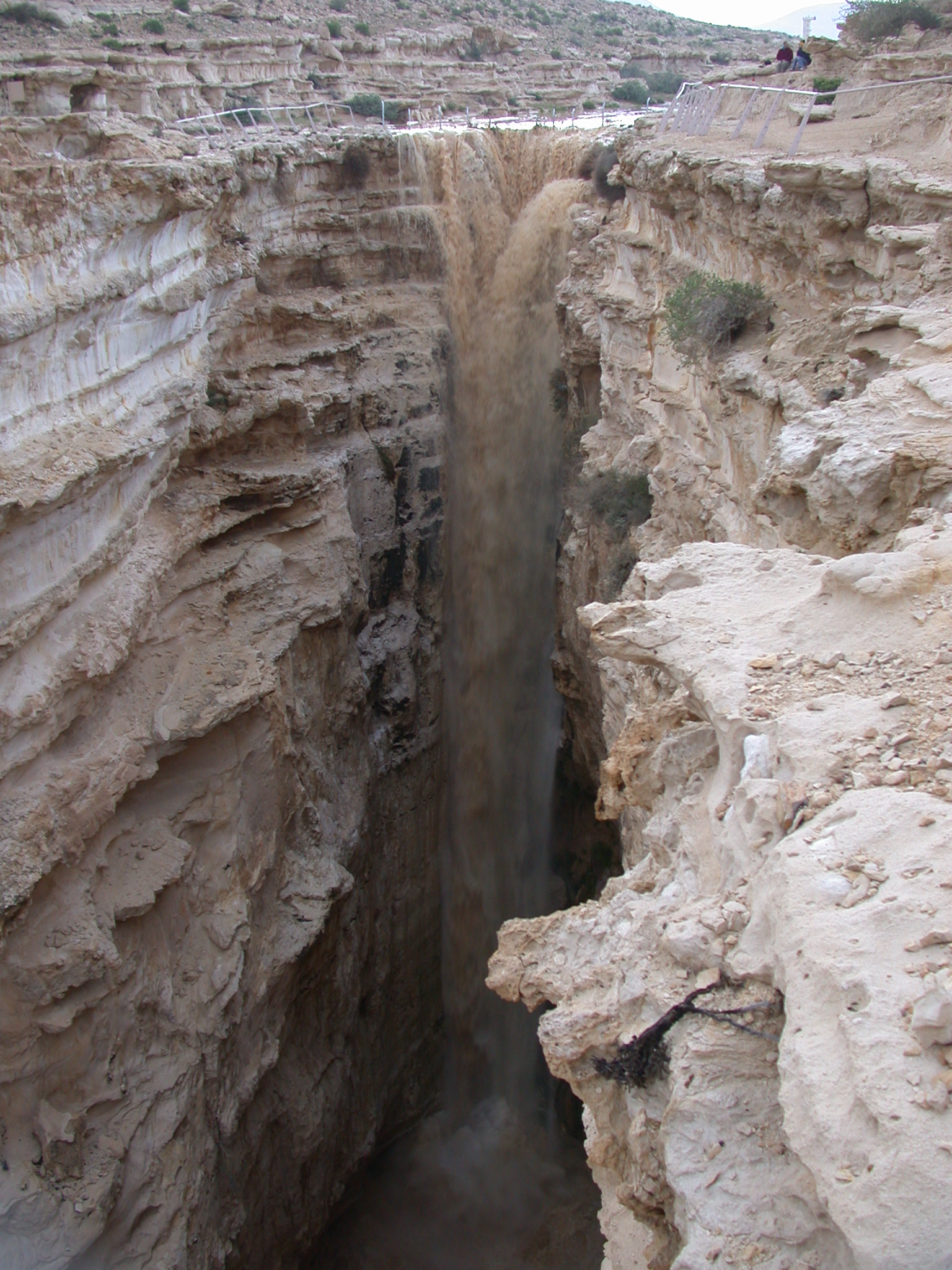
Ein Avdat
Desert canyon with springs and ancient habitations.
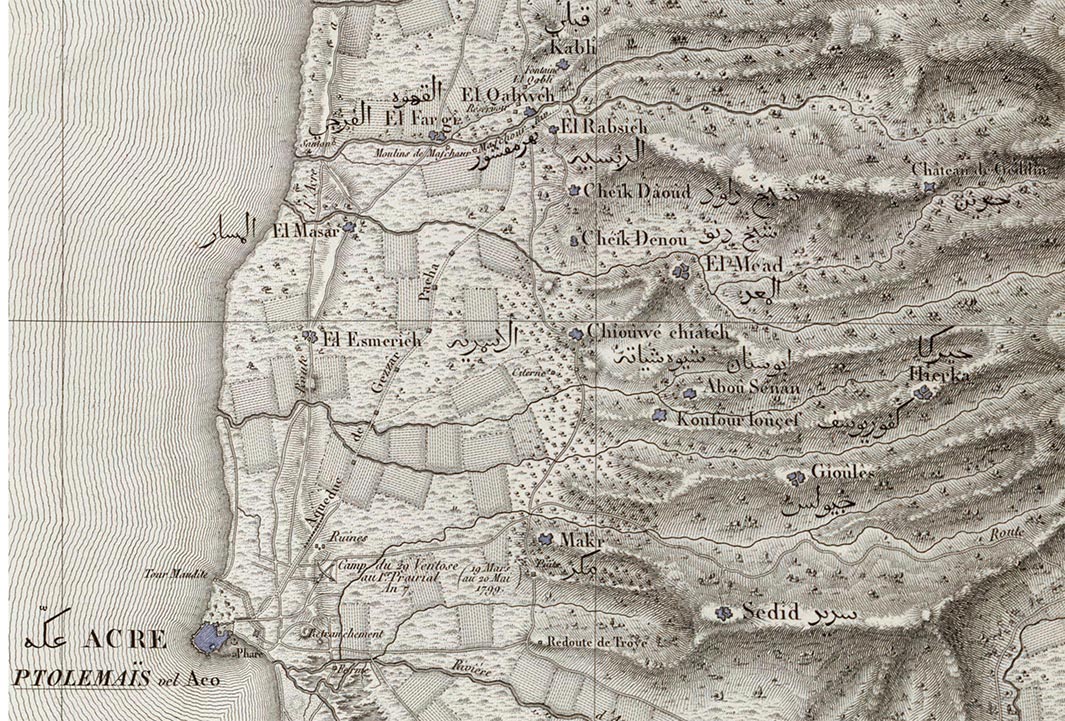
Tel Kabri
Bronze Age Canaanite palace and settlement
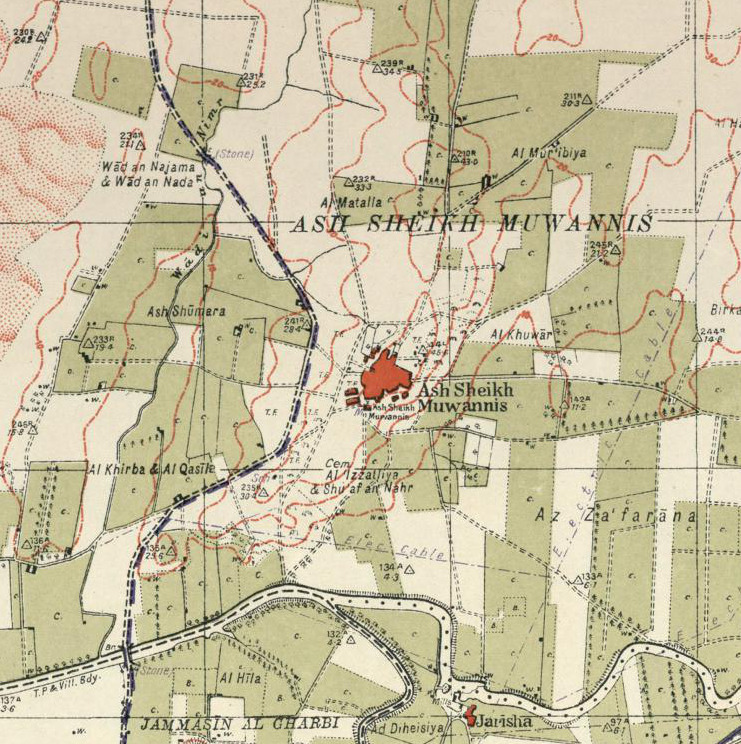
Tell Qasile
Philistine port city with temples and houses
Tel Tanninim
Ancient tell near Mediterranean with Byzantine remains
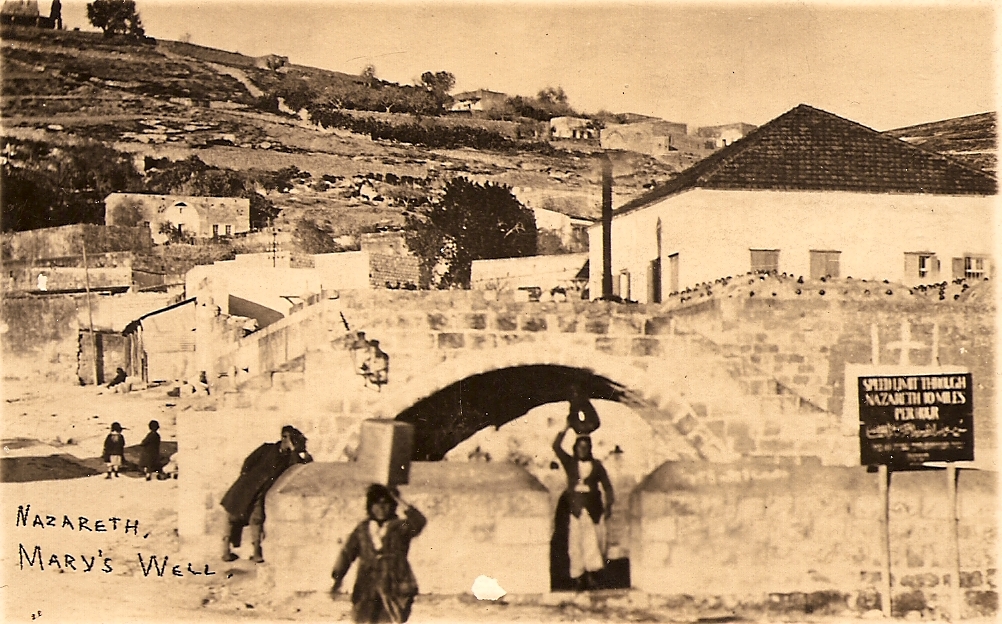
Mary's Well
Ancient water supply with religious significance
Gath-hepher
Ancient town with prophet's tomb nearby.