Explore the Map
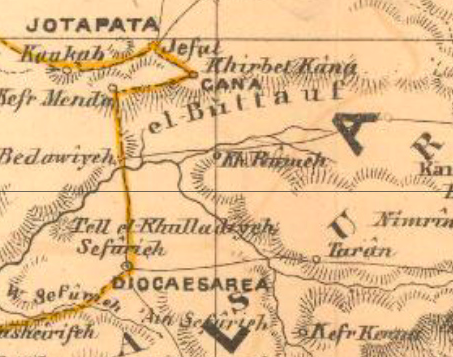
Khirbet Qana
32.8214° N, 35.3033° E
About
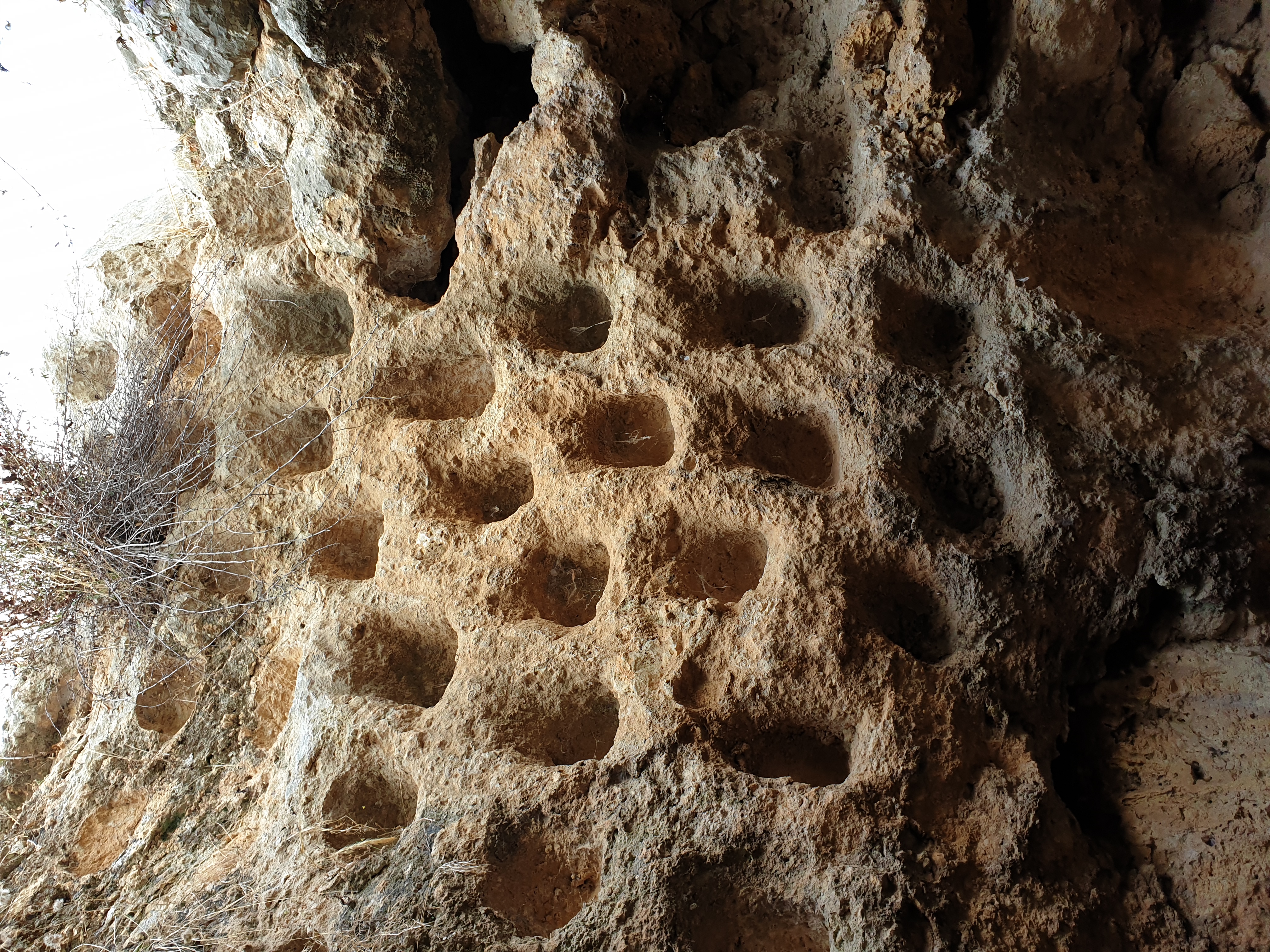
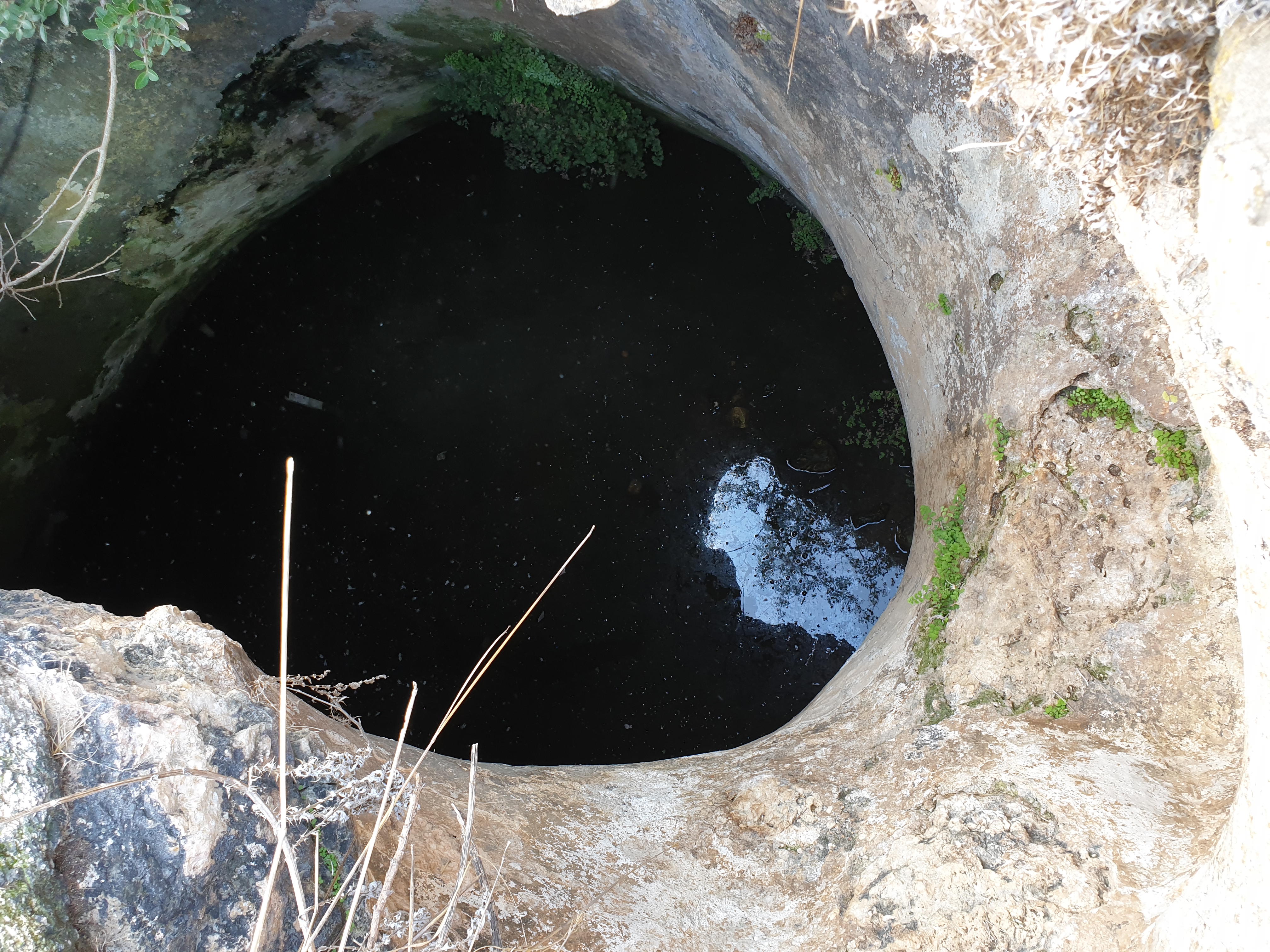
Khirbet Qana is an archaeological site located in the Lower Galilee of Israel, featuring remains from the Hellenistic to the Early Arab periods. This ancient village is identified with the biblical Cana, famous for the New Testament account of Jesus turning water into wine. The site includes various domestic and religious structures, such as terraced and courtyard houses, a synagogue, and a Christian veneration cave, possibly used as a reliquary. The village was predominantly Jewish during the Roman period, as evidenced by Hasmonean coins and a synagogue, while later periods saw significant Christian activity. Notable industrial activities included glassmaking and olive pressing. The site was likely abandoned in the early 7th century and reoccupied during the early Islamic period, illustrating its dynamic historical significance.
Gallery
Explore photographs of ancient structures, artifacts, and archaeological excavations
Historical Timeline
Journey through time and discover key events in this site's history
Hellenistic settlement phase
3rd century BCE
Roman Jewish habitation
1st century CE
Byzantine Christian activity
5th century CE
Abandonment Period
613 CE
Islamic reoccupation
8th century CE
Archaeological Features
Unique architectural and cultural elements found at this historical site
Water Management Features
Burial and Funerary Structures
Industrial and Craft Structures
Religious and Ritual Structures
Agricultural and Land Use Features
Domestic and Habitation Structures
Frequently Asked Questions
Plan Your Visit
Tours, travel arrangements, and practical information
More Sites in Israel
Tel Kabri
Bronze Age Canaanite palace and settlement
Tell Qasile
Philistine port city with temples and houses
Tel Tanninim
Ancient tell near Mediterranean with Byzantine remains
Timna Valley
Copper mining and unique sandstone formations
Mary's Well
Ancient water supply with religious significance
Gath-hepher
Ancient town with prophet's tomb nearby.