Explore the Map
Khirbet Qeiyafa
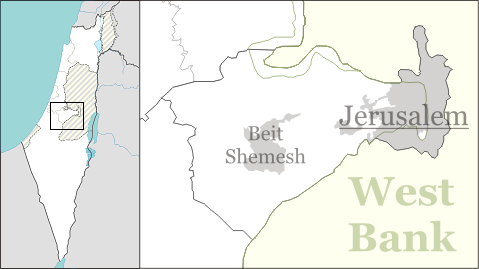
31.6964° N, 34.9572° E
About
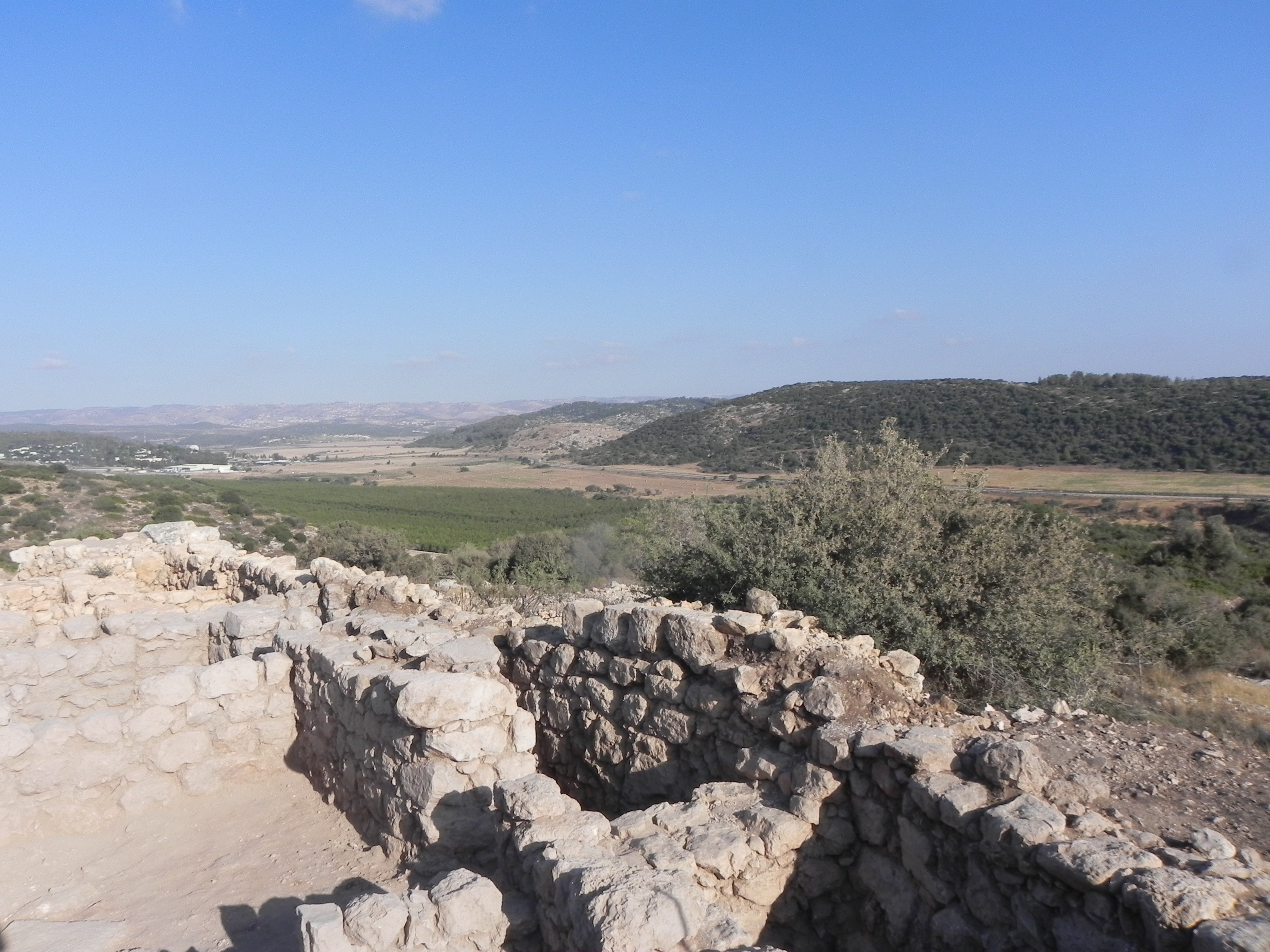
Khirbet Qeiyafa is an archaeological site located in the Valley of Elah, Israel, dating primarily to the early 10th century BCE. This ancient fortress city, attributed by some scholars to the Kingdom of Judah during the reign of King David, spans approximately 2.3 hectares and is encircled by a formidable 700-meter-long defensive stone wall. Notable features include its unique dual-gate structure, suggesting an identification with the biblical city of Sha'arayim. The site also contains a large palatial structure, which some propose as an administrative center of the time. Artifacts such as marked jar handles and storage jars suggest cultural practices aligned with Judahite norms. The site experienced resettlement during the Hellenistic period and later underwent significant structural modifications in the Byzantine era, including the construction of a luxury villa. Khirbet Qeiyafa provides valuable insights into the early Iron Age geopolitical landscape and the cultural identity of its inhabitants.
Gallery
Explore photographs of ancient structures, artifacts, and archaeological excavations
Historical Timeline
Journey through time and discover key events in this site's history
Resettlement in Hellenistic Period
ca. 260 BCE
Byzantine Villa Construction
ca. 500-600 CE
Construction of Fortress City
ca. 1000-975 BCE
Archaeological Features
Unique architectural and cultural elements found at this historical site
Storage Structures
Defensive Structures
Burial and Funerary Structures
Religious and Ritual Structures
Domestic and Habitation Structures
Frequently Asked Questions
Plan Your Visit
Tours, travel arrangements, and practical information
More Sites in Israel
Tell Qasile
Philistine port city with temples and houses

Tel Tanninim
Ancient tell near Mediterranean with Byzantine remains
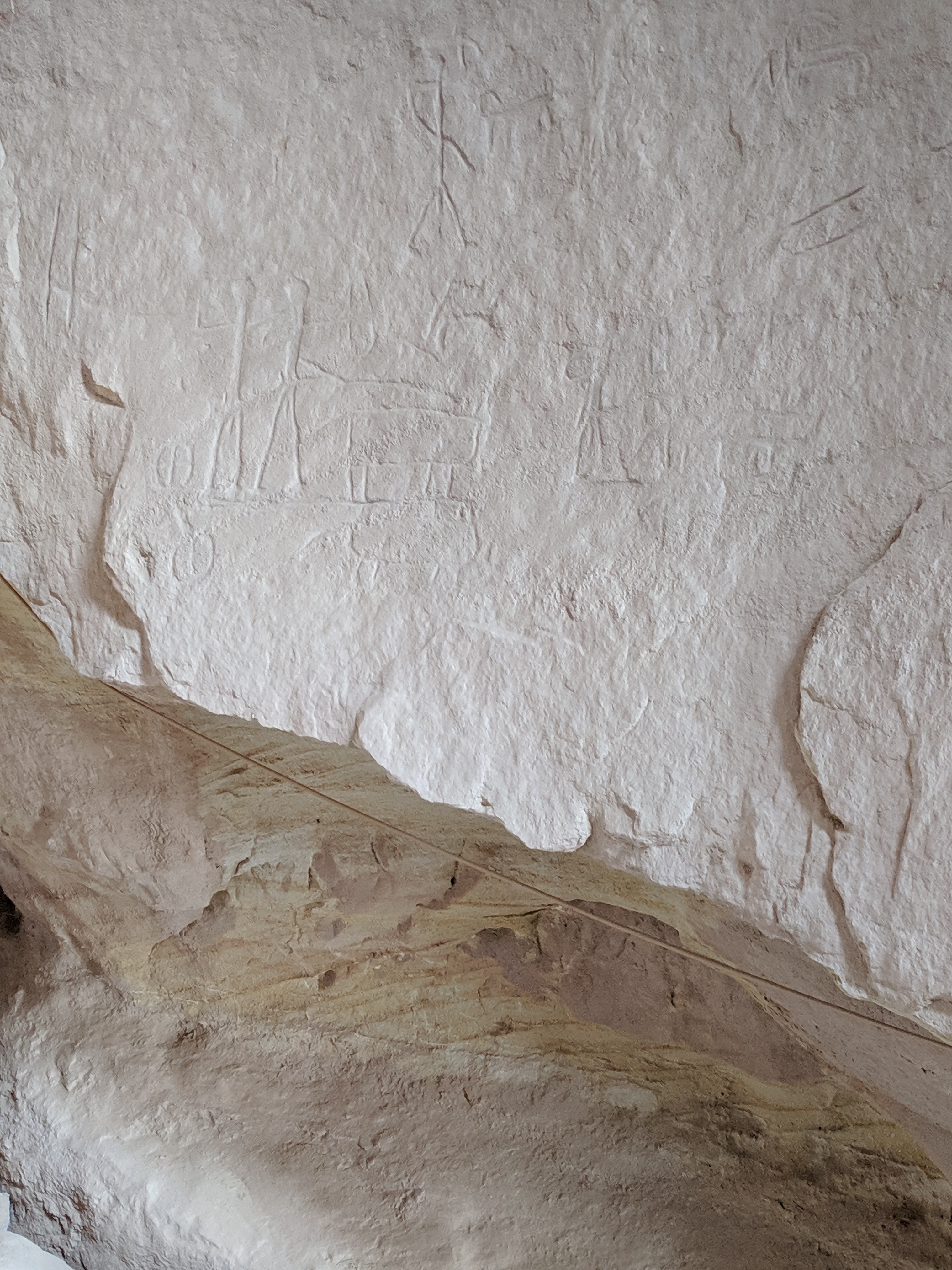
Timna Valley
Copper mining and unique sandstone formations
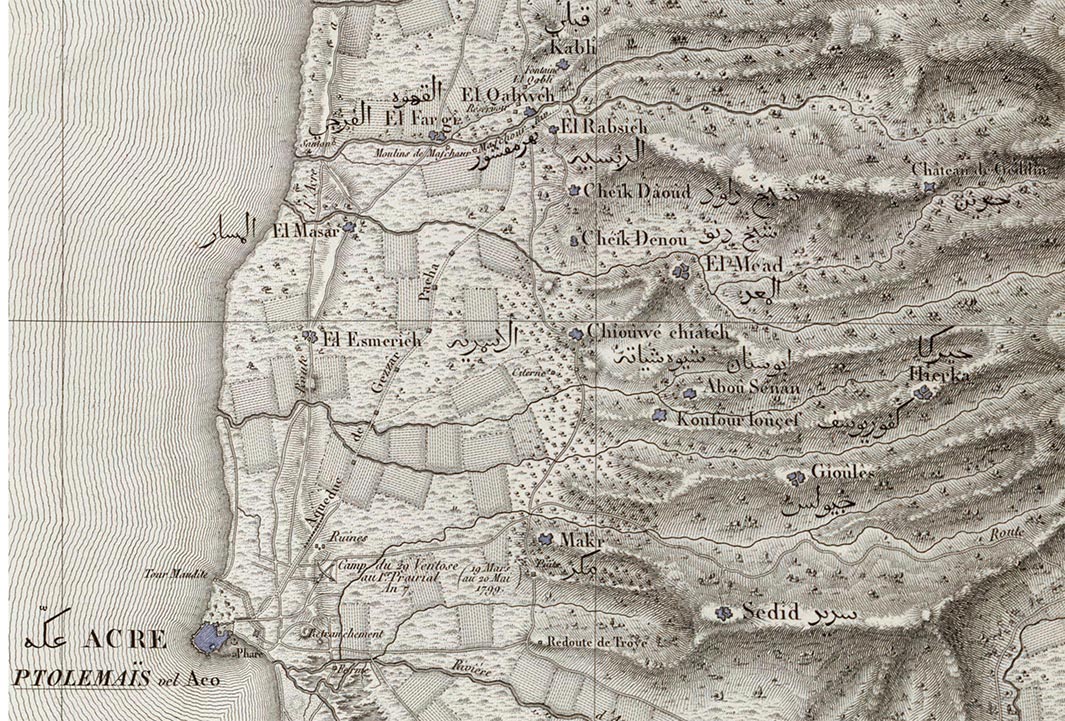
Tel Kabri
Bronze Age Canaanite palace and settlement
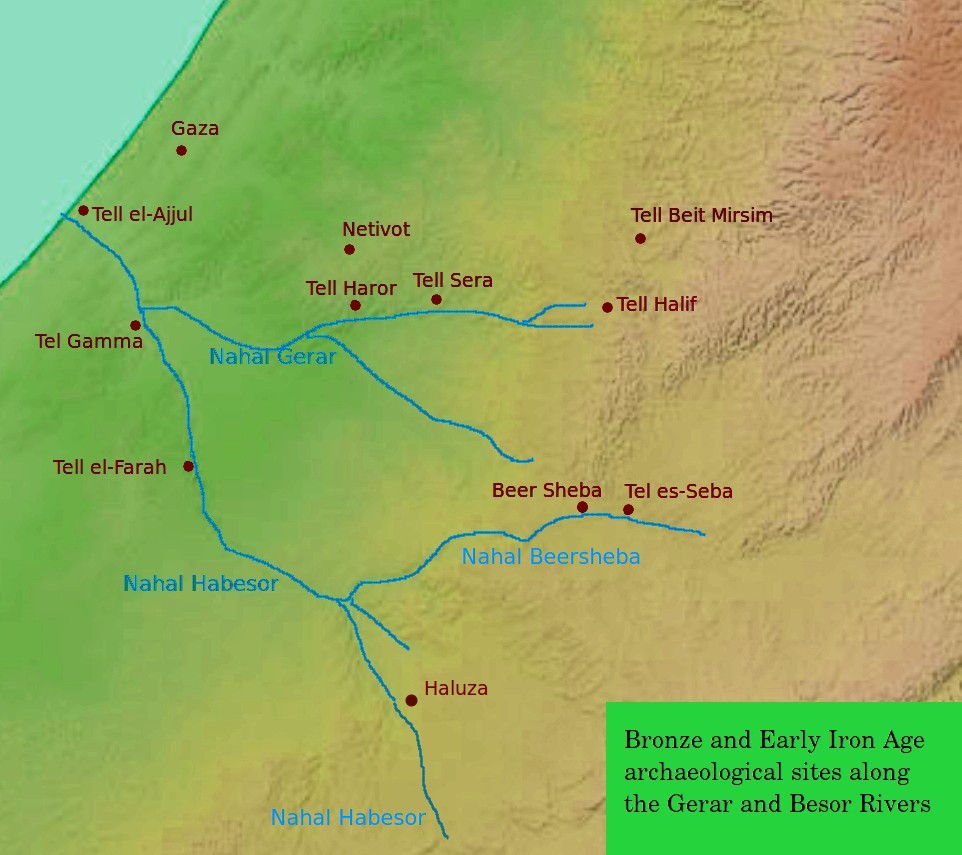
Tel Be'er Sheva
Iron Age city with fortified structures
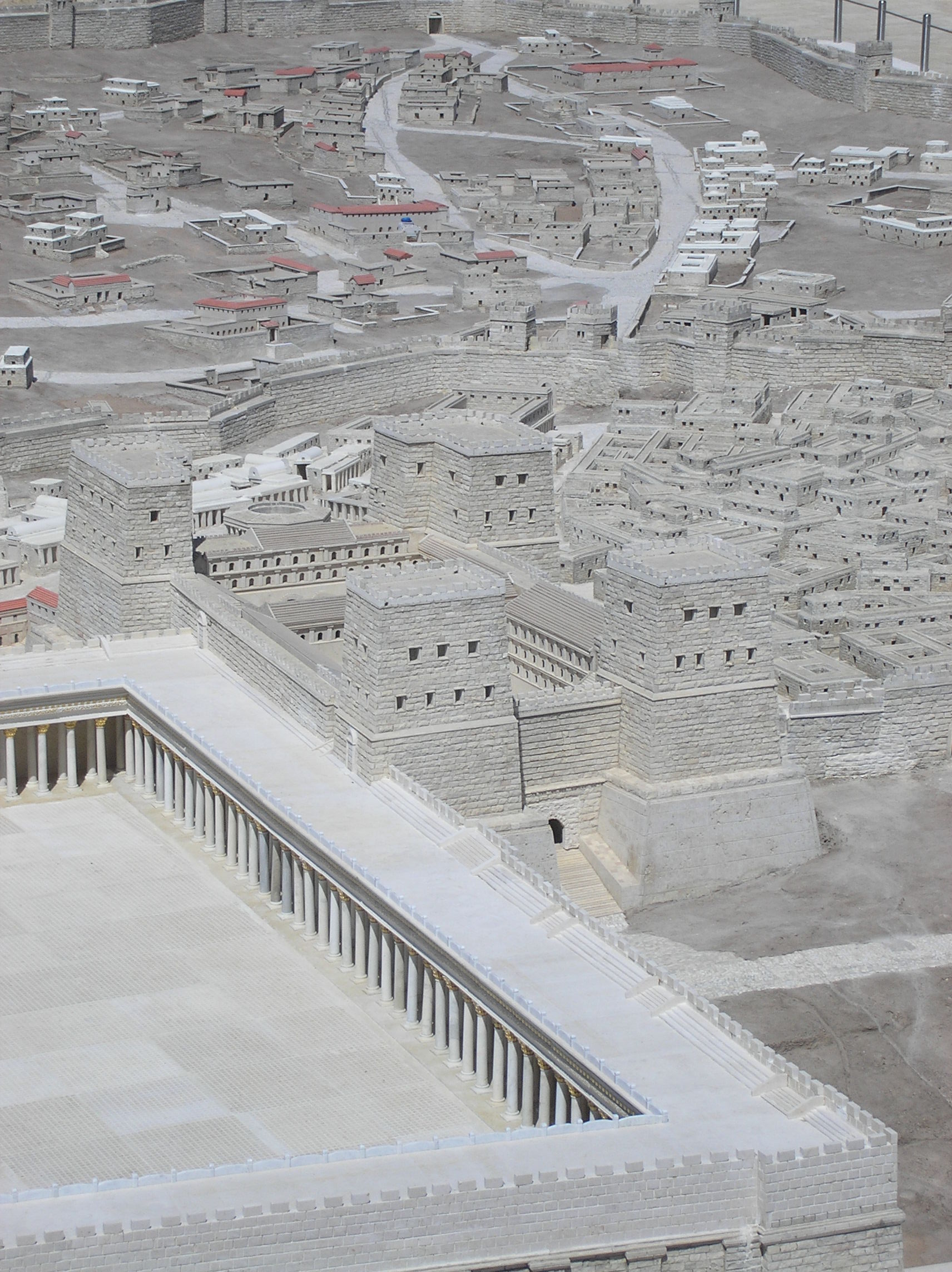
Antonia Fortress
Herodian citadel adjacent to Second Temple