
Explore the Map
Ohalo II
32.7221° N, 35.5721° E
About
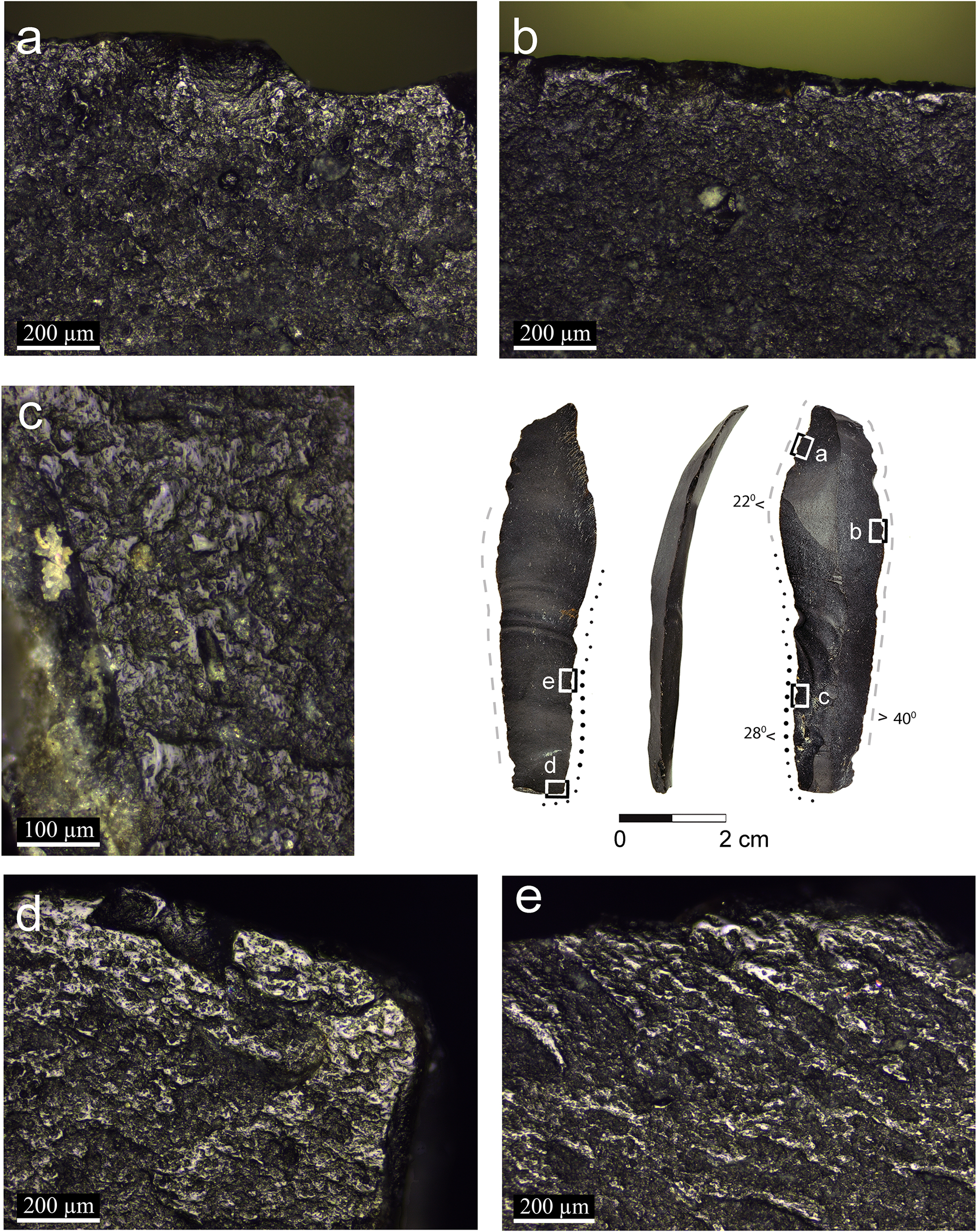
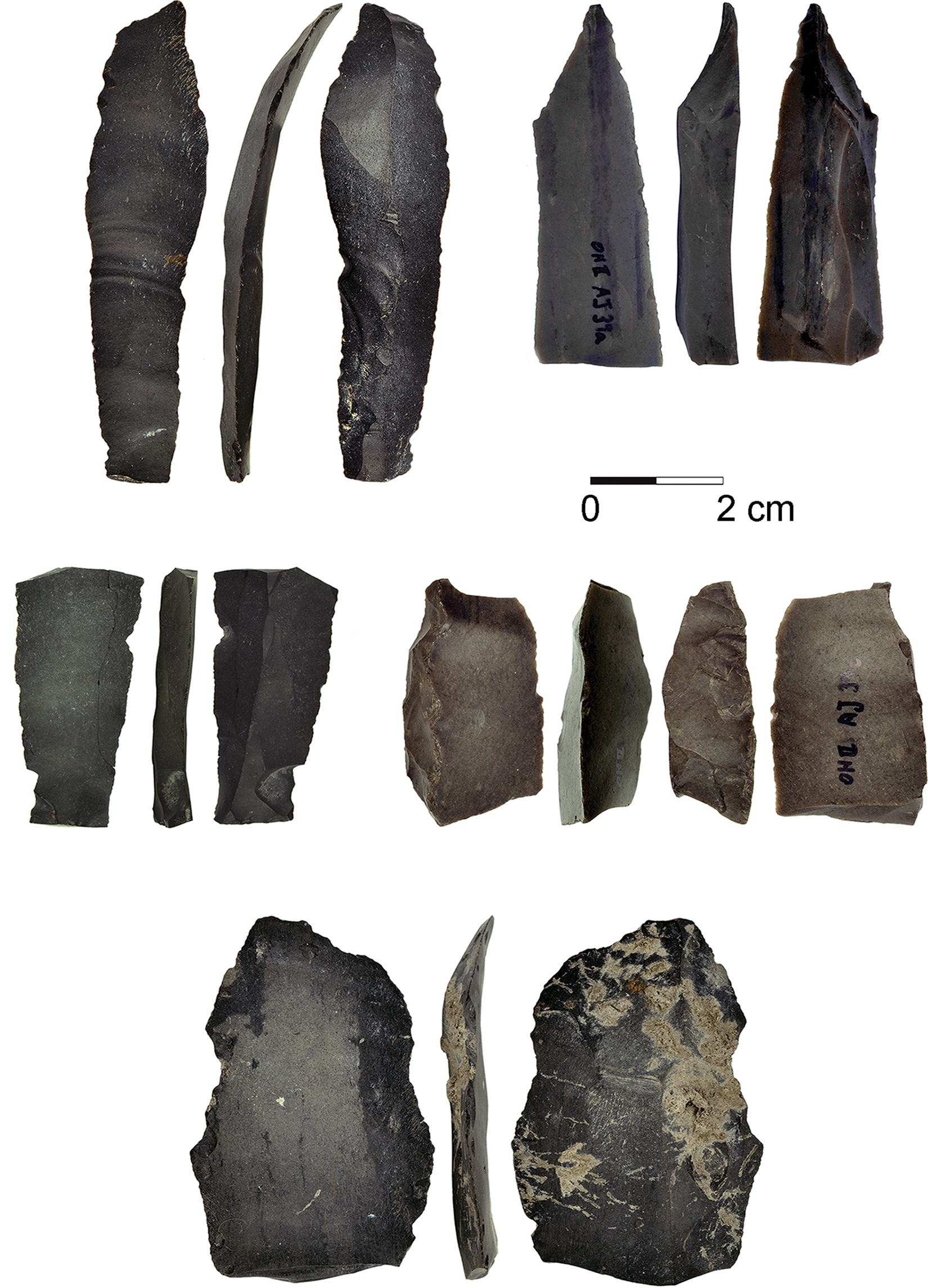
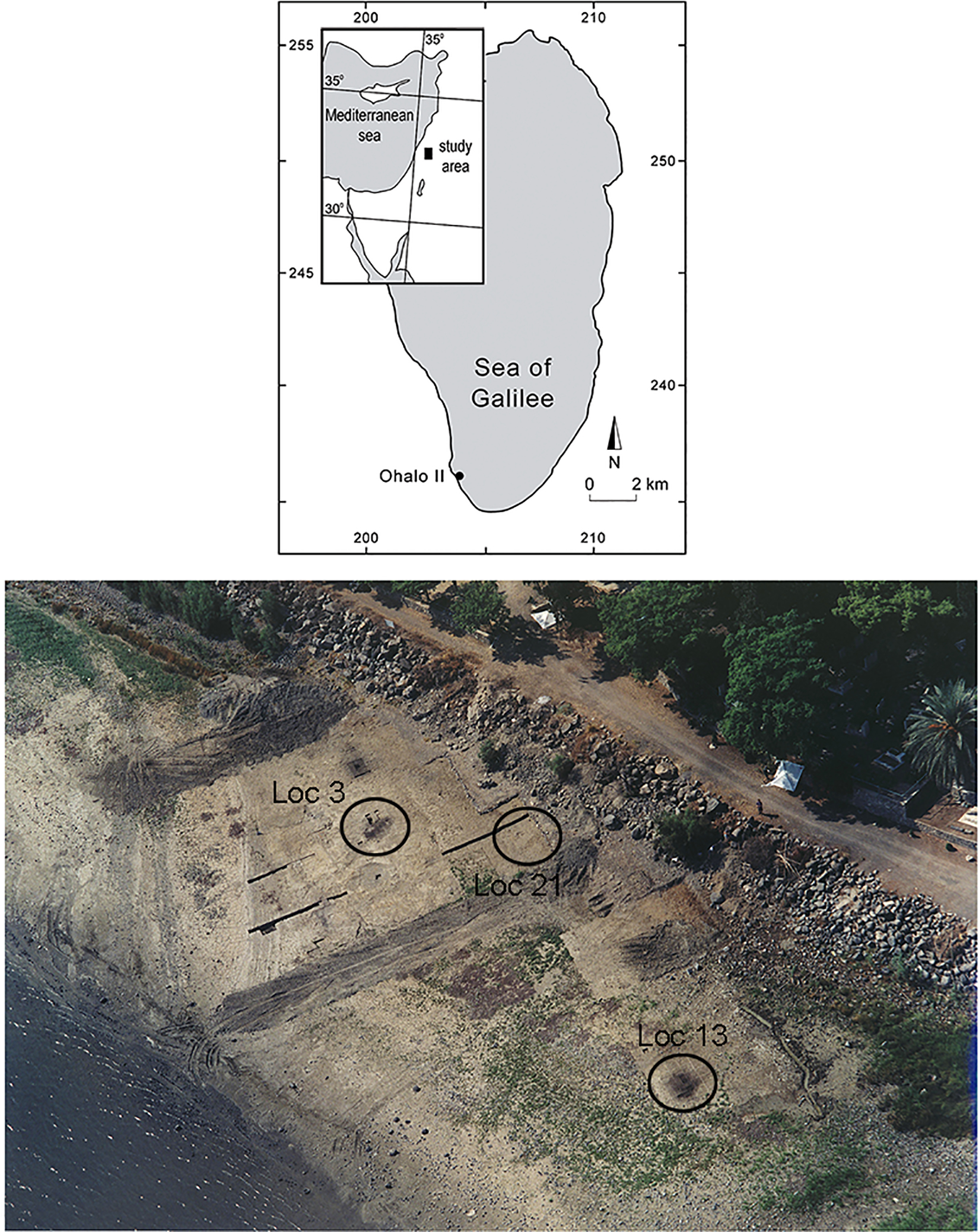
Ohalo II, located on the southwest shore of the Sea of Galilee in northern Israel, is a remarkably well-preserved archaeological site dating to around 23,000 BCE. As one of the best-preserved hunter-gatherer sites from the Last Glacial Maximum, it offers significant insights into Upper Paleolithic life. The site features six brushwood dwellings, a grave, and hearths, with artifacts including flint tools, grinding stones, and thousands of seeds from various plant species. Notably, it provides the earliest evidence for small-scale plant cultivation long before the advent of agriculture. The site's preservation was facilitated by its submersion under water and silt, which protected organic remains. These findings suggest advanced planning in food processing and potential early gender-based labor divisions.
Gallery
Explore photographs of ancient structures, artifacts, and archaeological excavations
Historical Timeline
Journey through time and discover key events in this site's history
Hunter-gatherer habitation
23000 BCE
Village destruction by fire
23000 BCE
Archaeological Features
Unique architectural and cultural elements found at this historical site
Burial and Funerary Structures
Domestic and Habitation Structures
Environmental and Natural Features
Food Production and Processing Features
Frequently Asked Questions
Plan Your Visit
Tours, travel arrangements, and practical information
Recommended Tours

More Sites in Israel
Ubeidiya prehistoric site
Early Pleistocene hominin site with tools
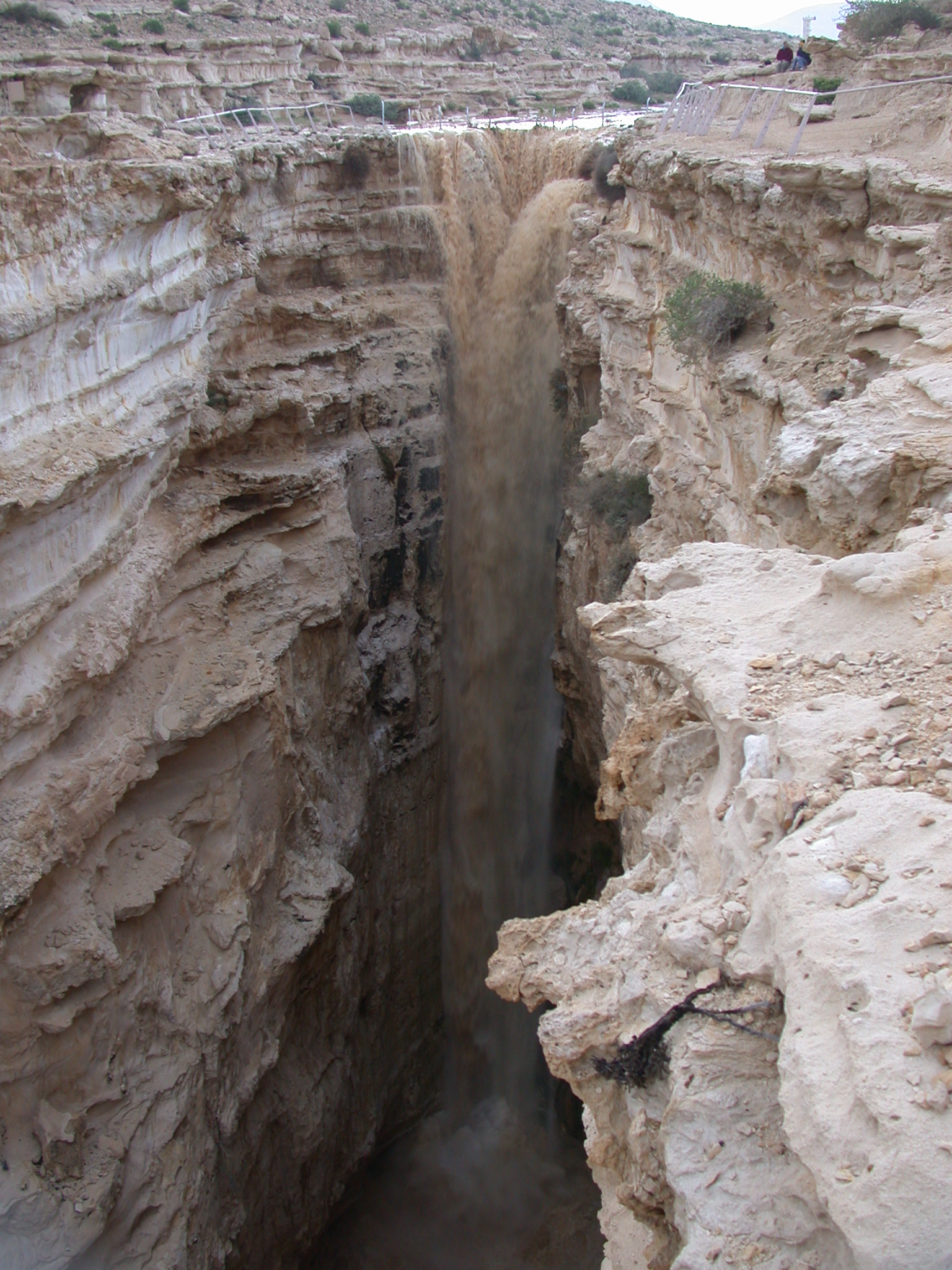
Ein Avdat
Desert canyon with springs and ancient habitations.
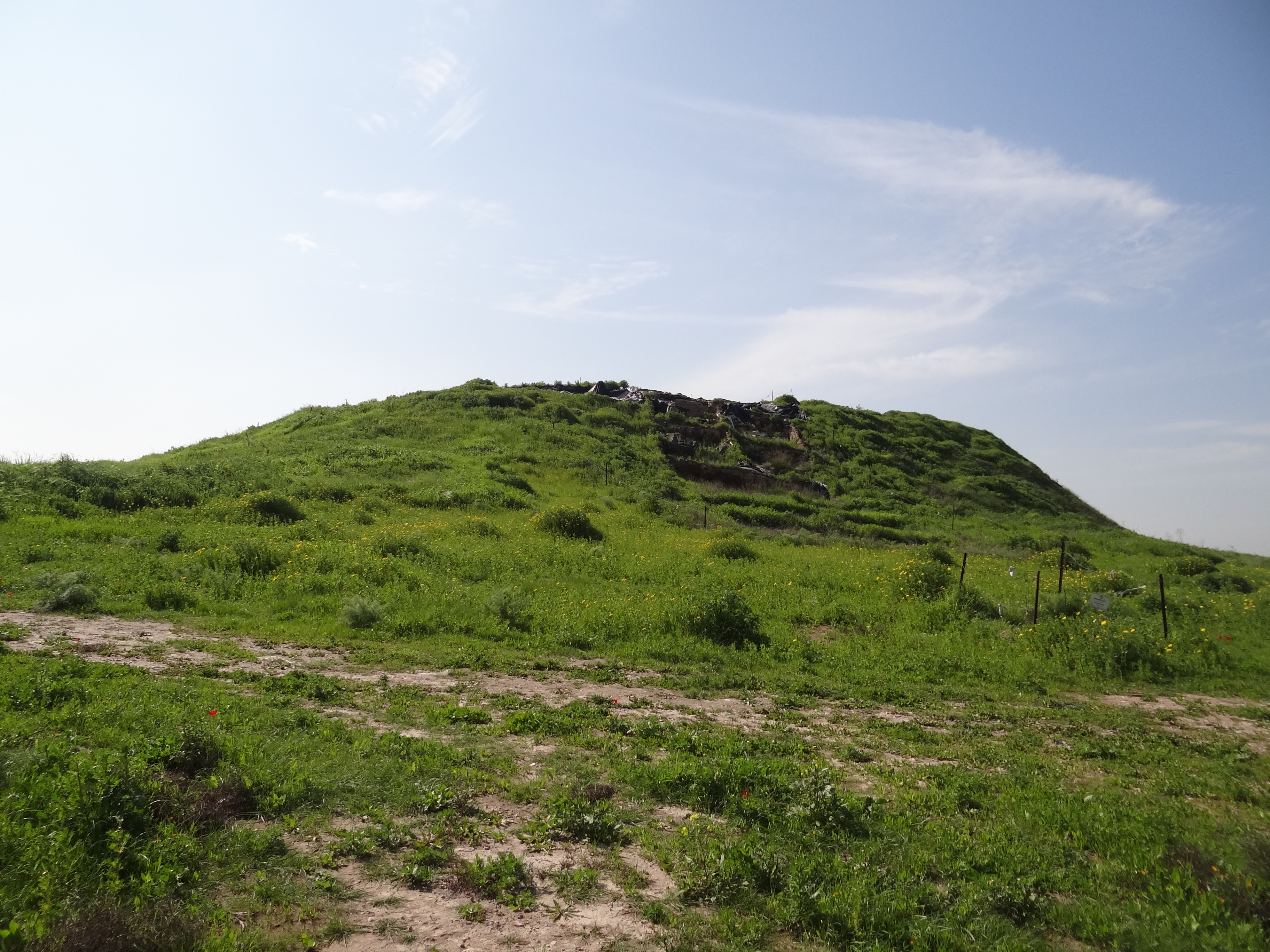
Tel Zayit
Ancient city with alphabetic inscription evidence.
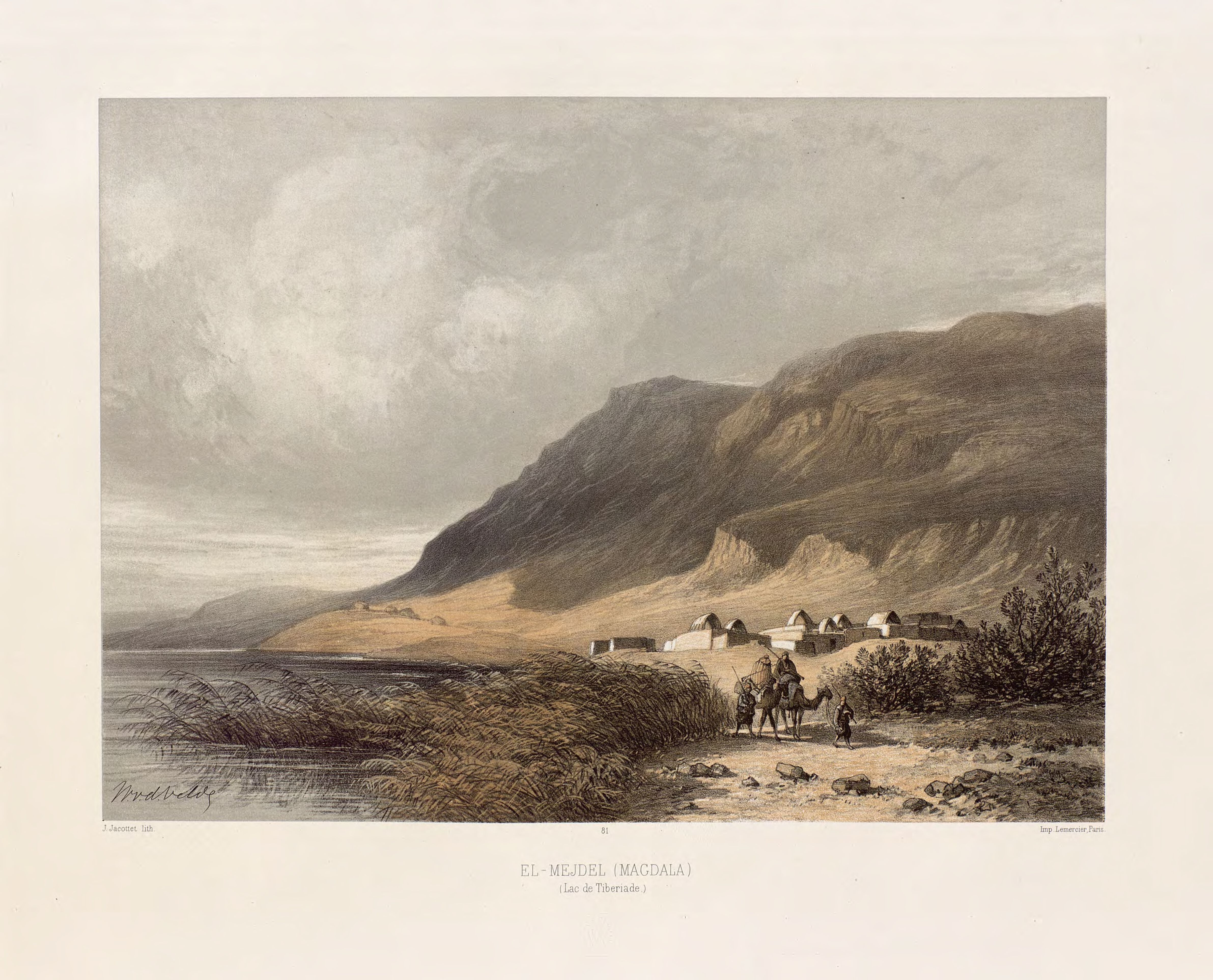
Magdala
Ancient Jewish city with Roman synagogues
Tel Ro'im
Limestone hill with Roman-Byzantine caves
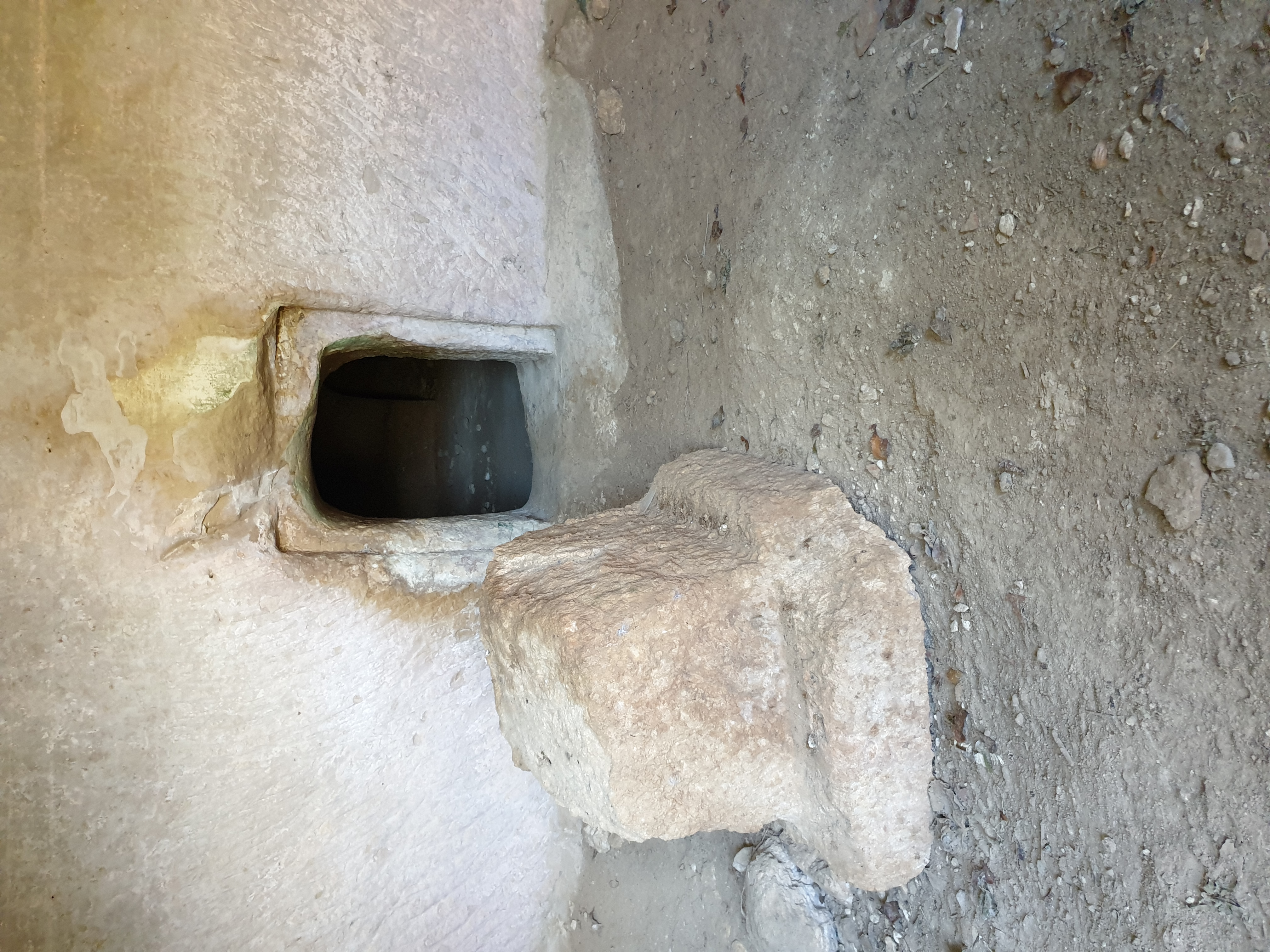
Lavnin
Late Bronze Age site with burial caves