Explore the Map
Omrit
33.2183° N, 35.6631° E
About
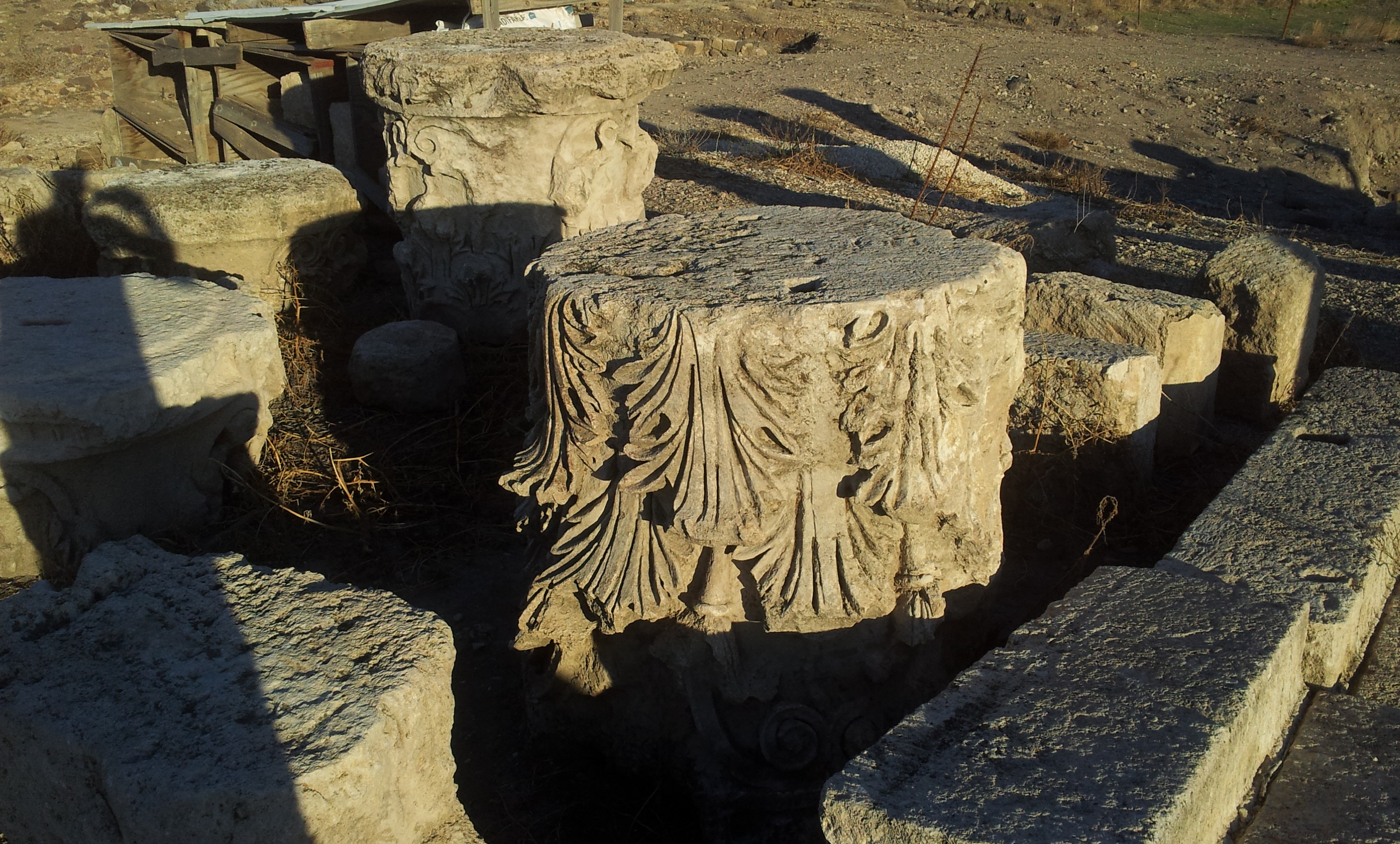
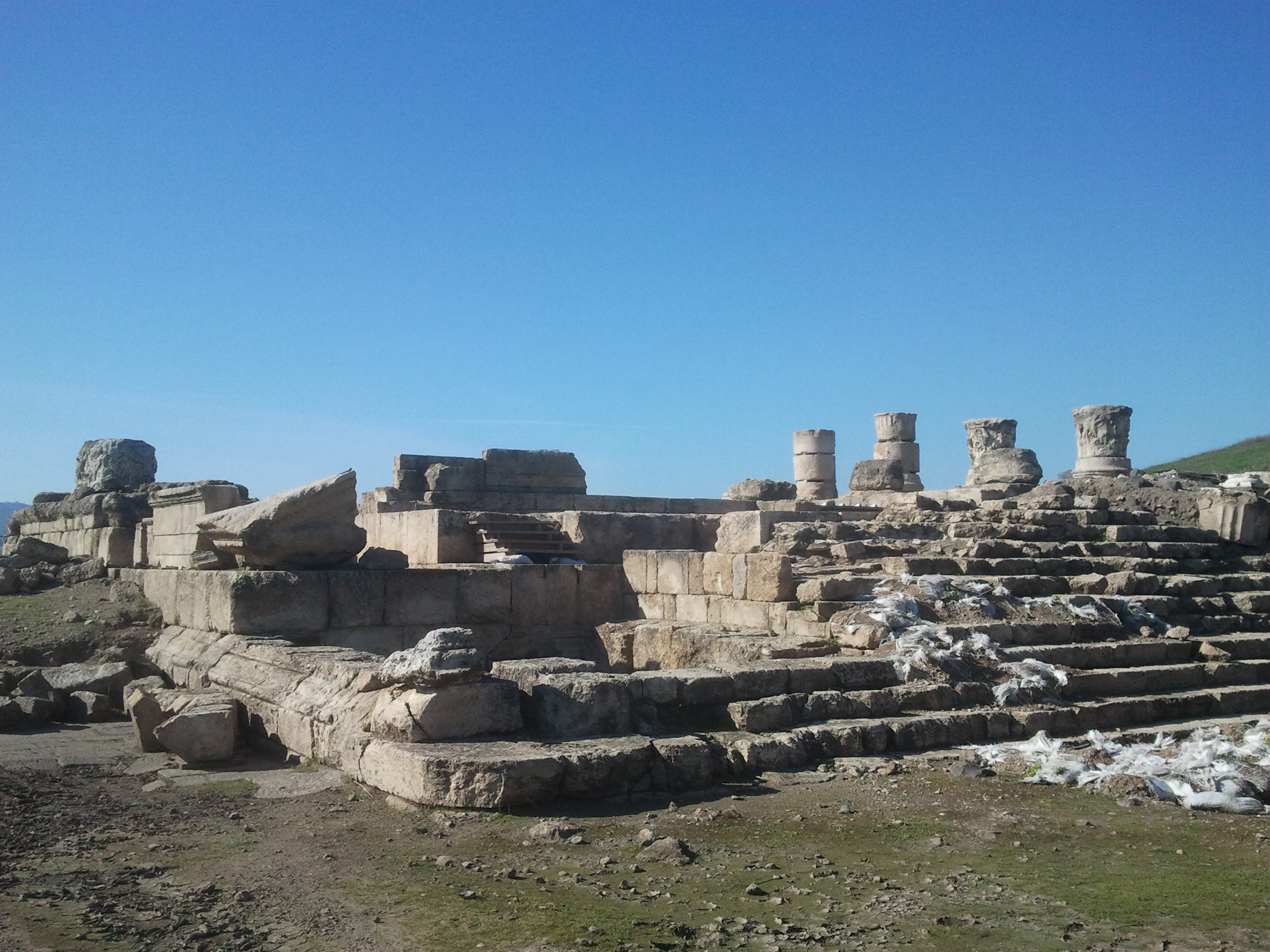
Omrit is an archaeological site located at the junction of the Golan Heights and Upper Jordan Valley, believed to be the location of a Roman temple constructed by Herod the Great in honor of Augustus around 20 BCE. Overlooking the Hula Lake, Omrit served as a significant religious and possibly commercial center along a Roman road connecting Scythopolis and Damascus. The site showcases three temple construction phases ranging from the mid 1st century BCE to the 1st century CE, indicating its long-standing religious significance. The temple was destroyed in the Galilee earthquake of 363 CE, after which a Byzantine chapel was erected on the ruins, pointing to continued use into the Byzantine period. Archaeological excavations have revealed temple remains with Corinthian capitals and a street lined with columns, highlighting the Roman architectural influence.
Gallery
Explore photographs of ancient structures, artifacts, and archaeological excavations
Historical Timeline
Journey through time and discover key events in this site's history
First temple construction
mid 1st century BCE
Herodian construction
20 BCE
Third temple phase
1st century CE
Byzantine chapel construction
4th century CE
Temple destruction
363 CE
Archaeological Features
Unique architectural and cultural elements found at this historical site
Religious and Ritual Structures
Food Production and Processing Features
Transportation and Communication Structures
Frequently Asked Questions
Plan Your Visit
Tours, travel arrangements, and practical information
Recommended Tours

More Sites in Israel
Tell Qasile
Philistine port city with temples and houses
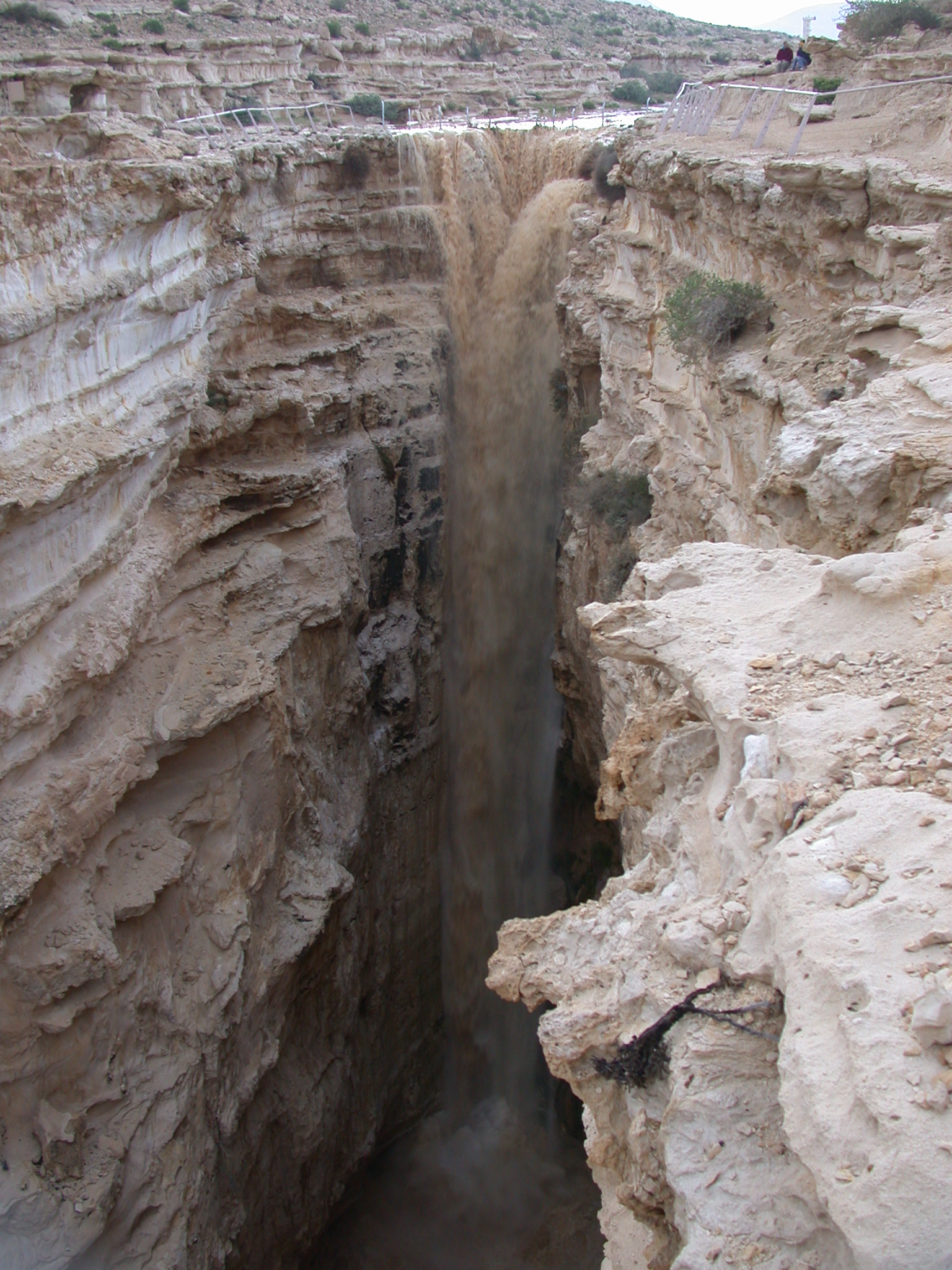
Ein Avdat
Desert canyon with springs and ancient habitations.
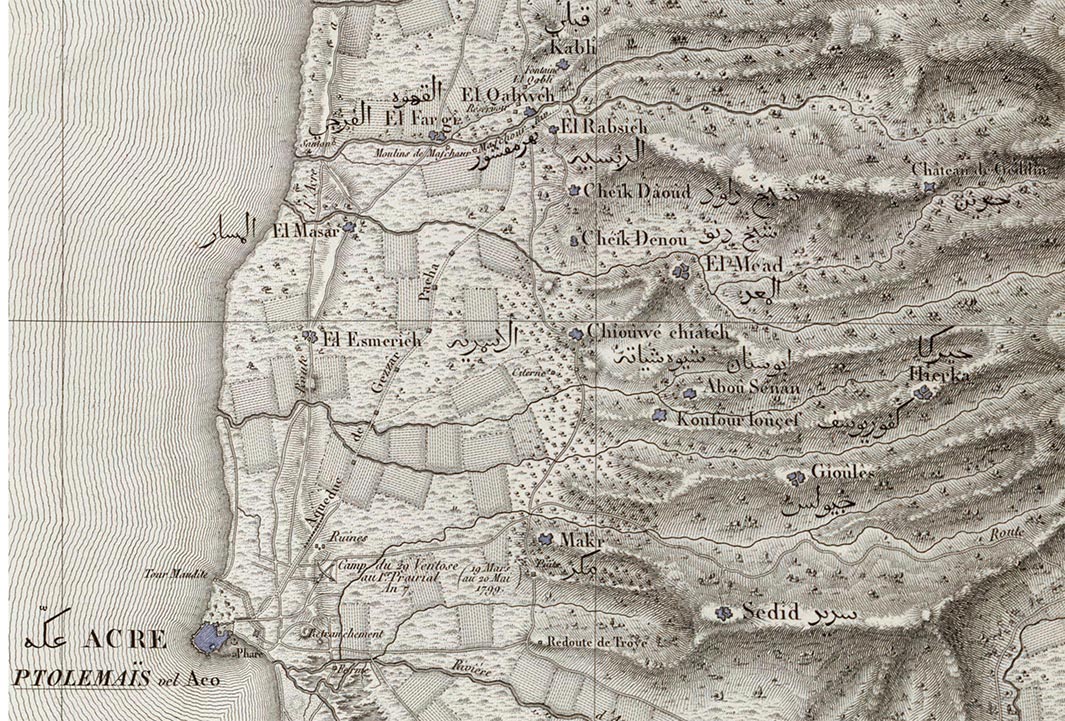
Tel Kabri
Bronze Age Canaanite palace and settlement
Tel Tanninim
Ancient tell near Mediterranean with Byzantine remains
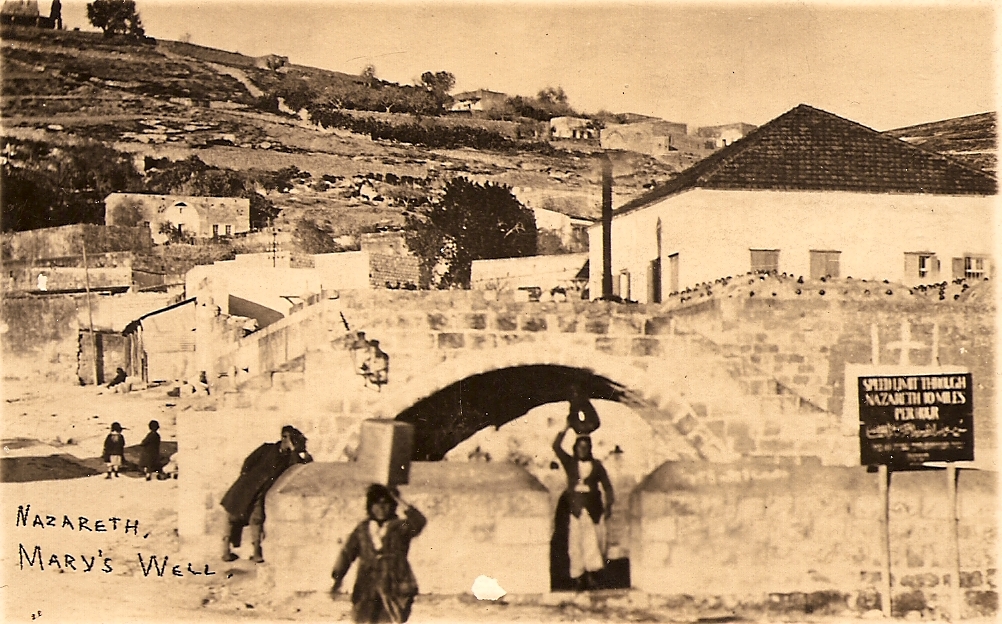
Mary's Well
Ancient water supply with religious significance
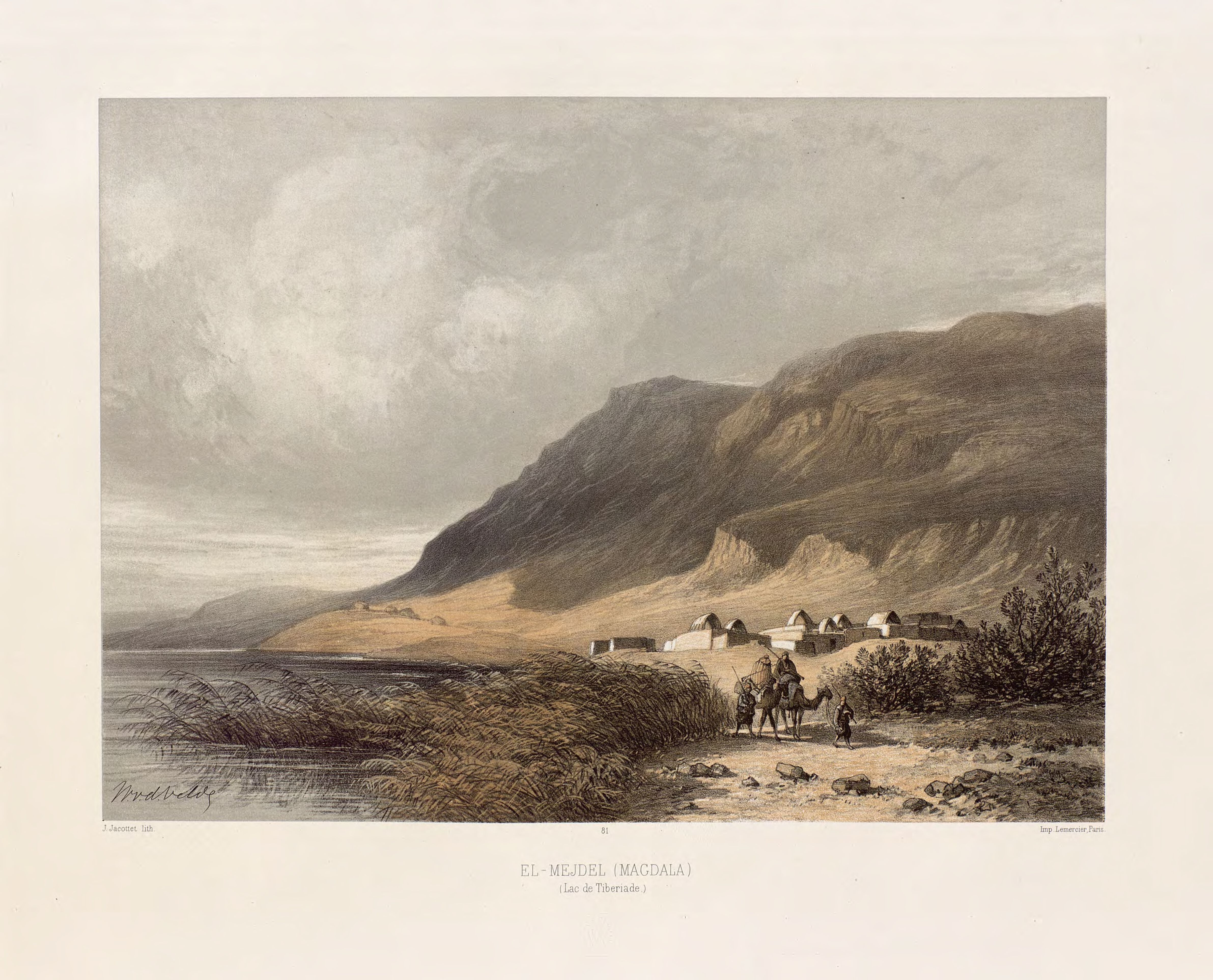
Magdala
Ancient Jewish city with Roman synagogues