Explore the Map
Tabgha
32.8694° N, 35.5436° E
About
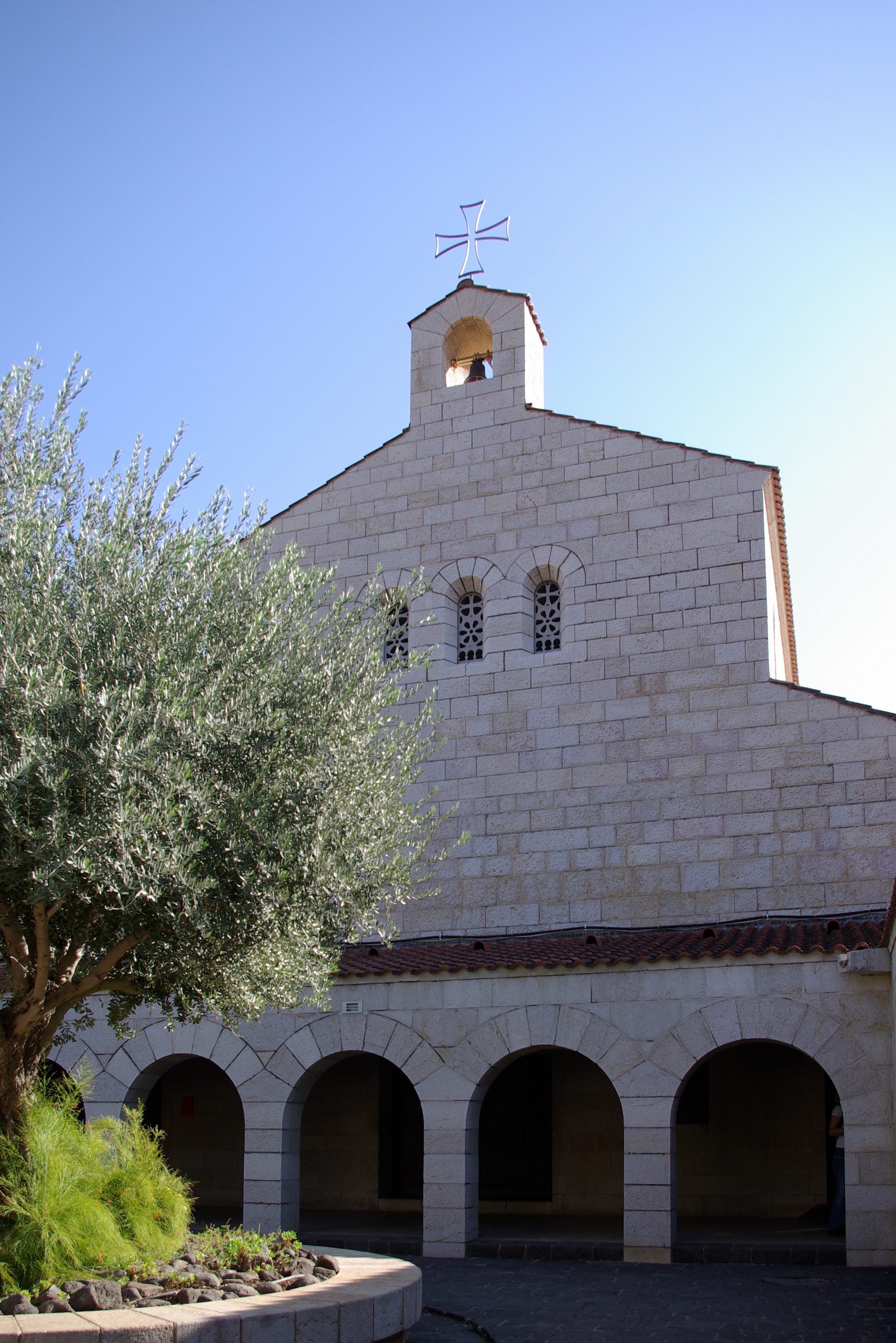
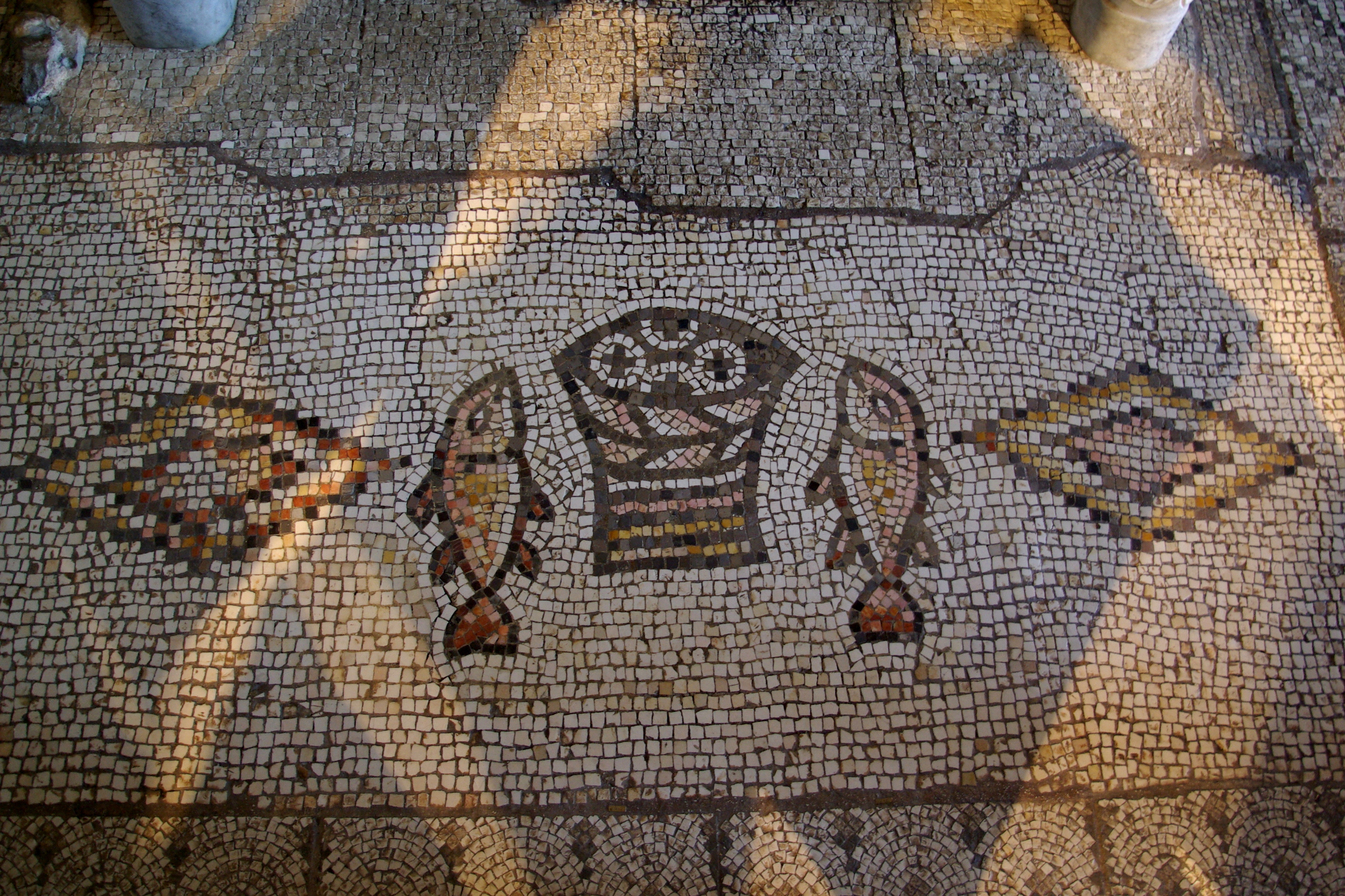
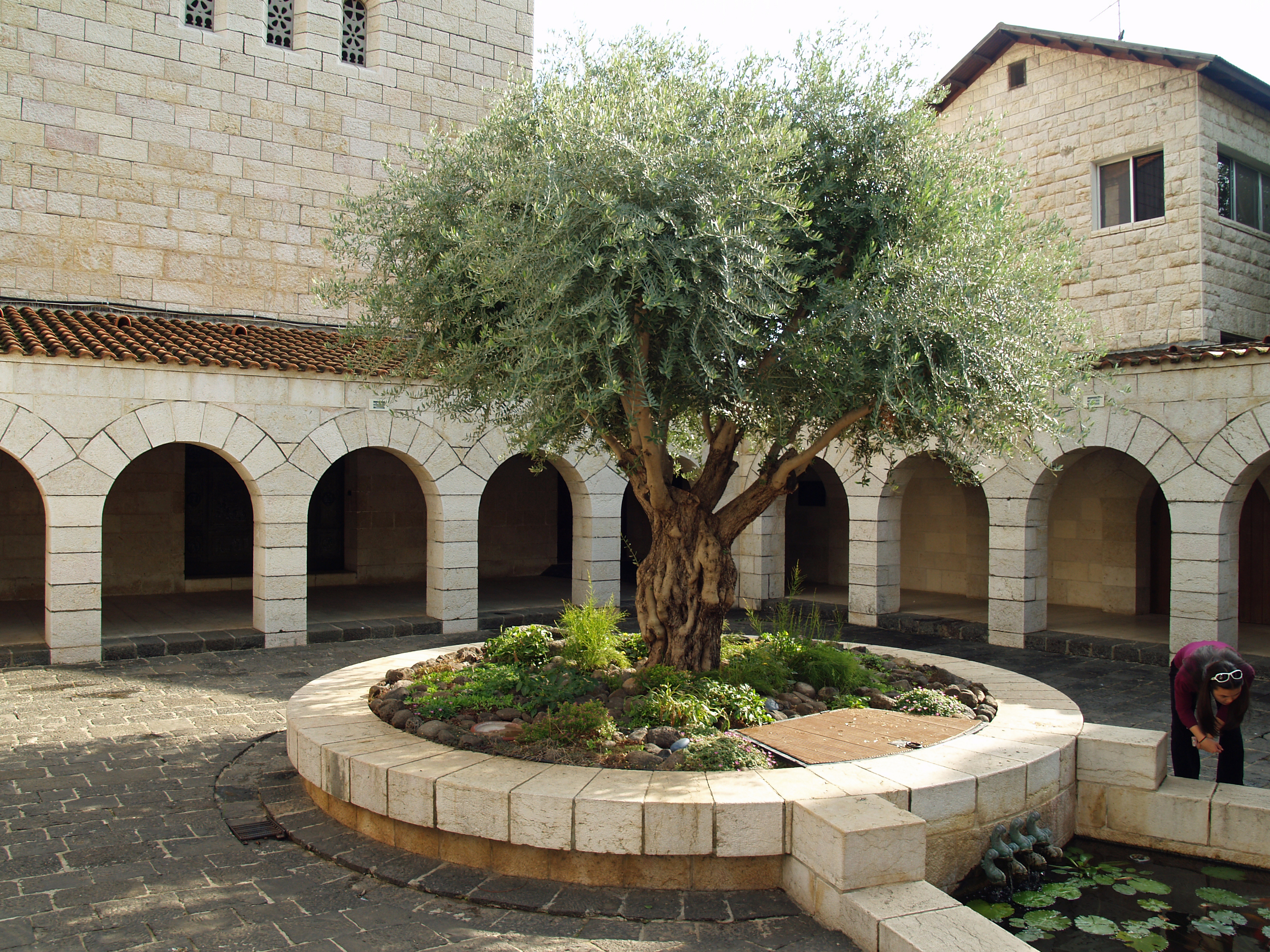
Tabgha is a historically and archaeologically significant site located on the north-western shore of the Sea of Galilee in Israel. Noted for its religious importance, it is traditionally associated with the miracle of the multiplication of the loaves and fishes and the fourth resurrection appearance of Jesus. The site has undergone various historical phases, with significant structures dating back to the 4th and 5th centuries CE, including the Church of the Multiplication, famous for its Byzantine mosaics. The site was a part of the Byzantine period's water management system and later became a village during the Ottoman period. In the 20th century, the village was depopulated during Operation Broom. Recent events include a significant arson attack in 2015. Tabgha's archaeological and historical depth offers a vivid glimpse into religious, cultural, and social transformations over centuries.
Gallery
Explore photographs of ancient structures, artifacts, and archaeological excavations
Historical Timeline
Journey through time and discover key events in this site's history
4th-century chapel built
350 CE
5th-century church construction
480 CE
614 Persian invasion destruction
614 CE
1596 Ottoman village record
1596 CE
1948 Operation Broom
1948 CE
2015 Arson attack on church
2015 CE
Archaeological Features
Unique architectural and cultural elements found at this historical site
Water Management Features
Religious and Ritual Structures
Artistic and Decorative Features
Frequently Asked Questions
Plan Your Visit
Tours, travel arrangements, and practical information
More Sites in Israel
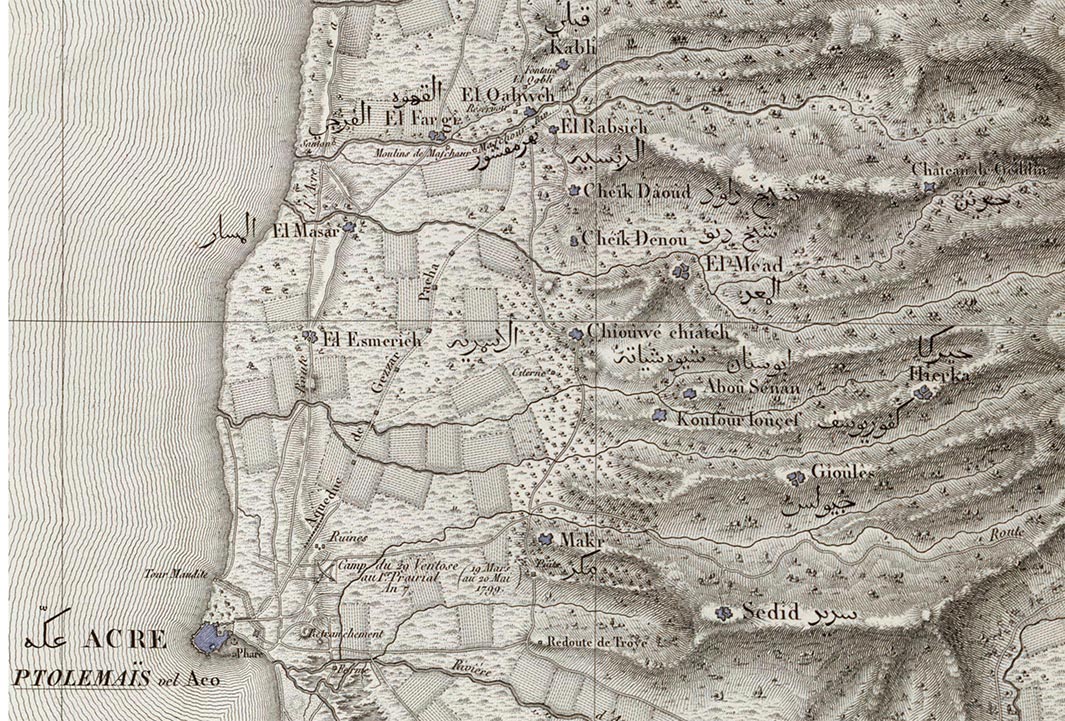
Tel Kabri
Bronze Age Canaanite palace and settlement
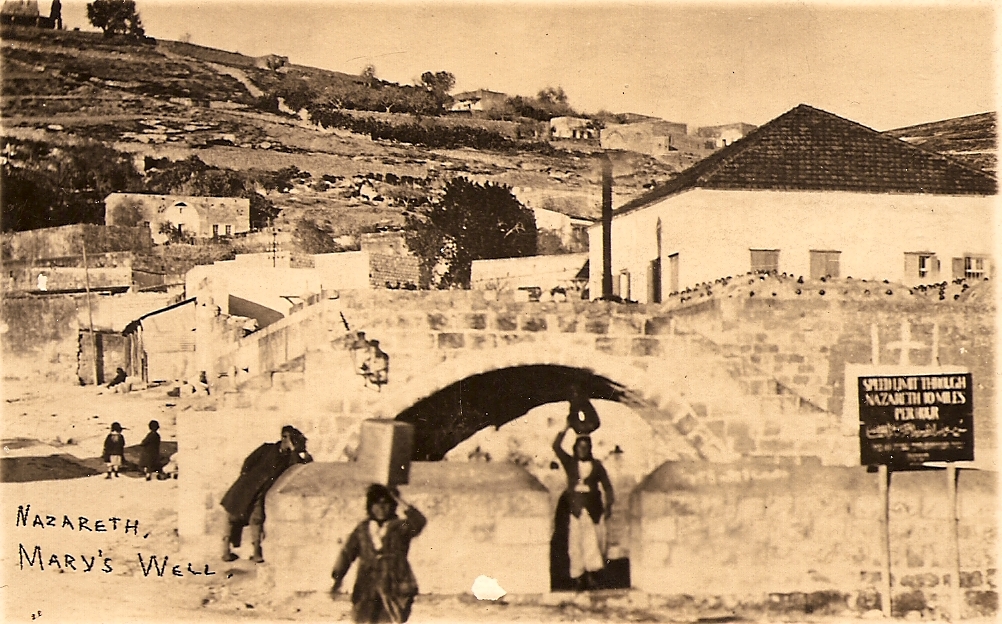
Mary's Well
Ancient water supply with religious significance
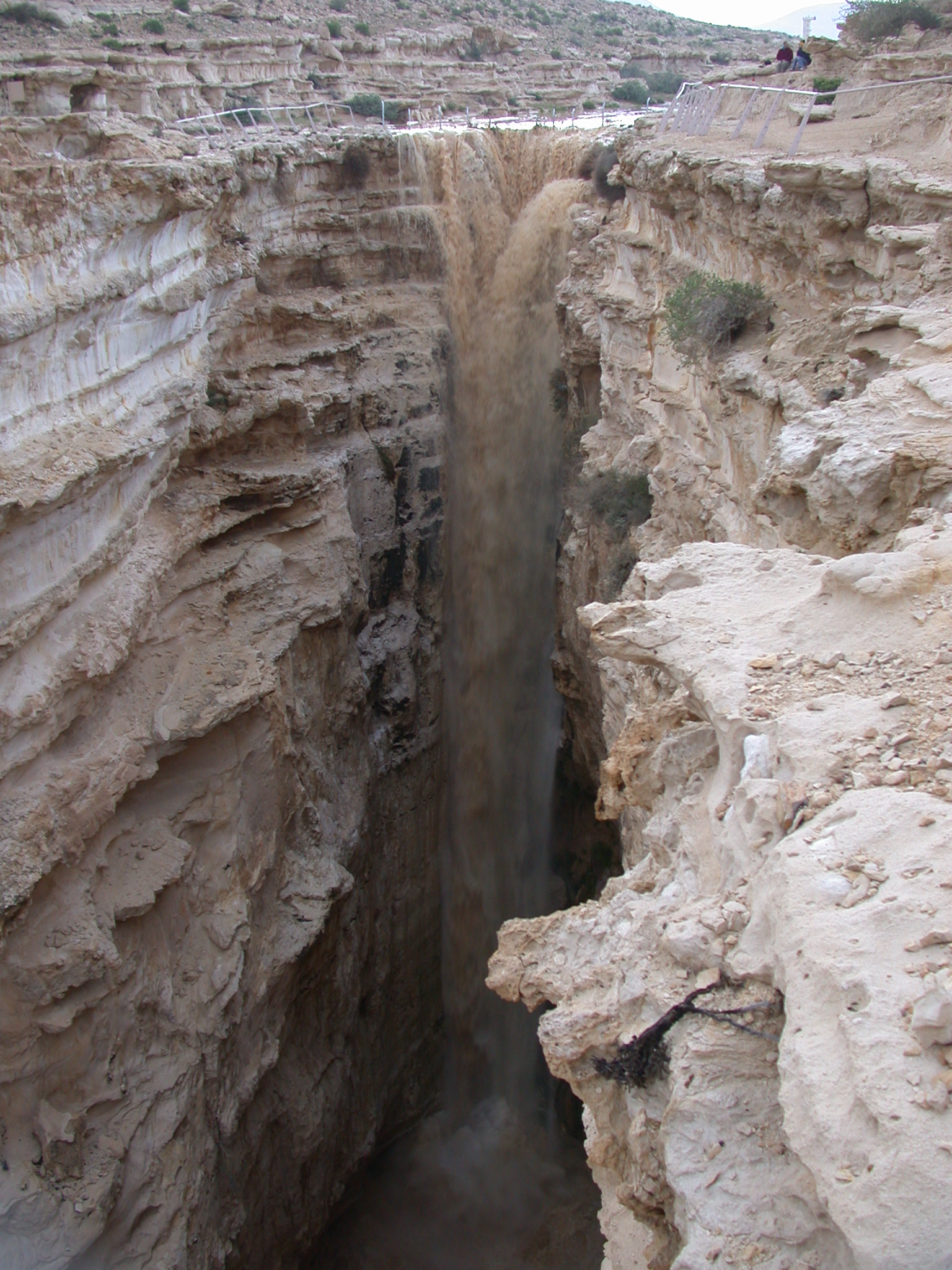
Ein Avdat
Desert canyon with springs and ancient habitations.
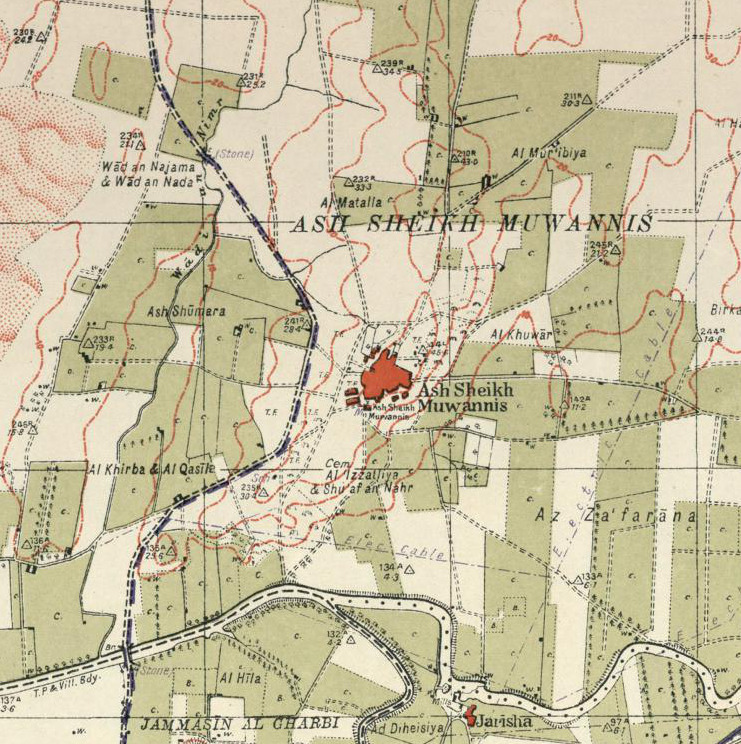
Tell Qasile
Philistine port city with temples and houses
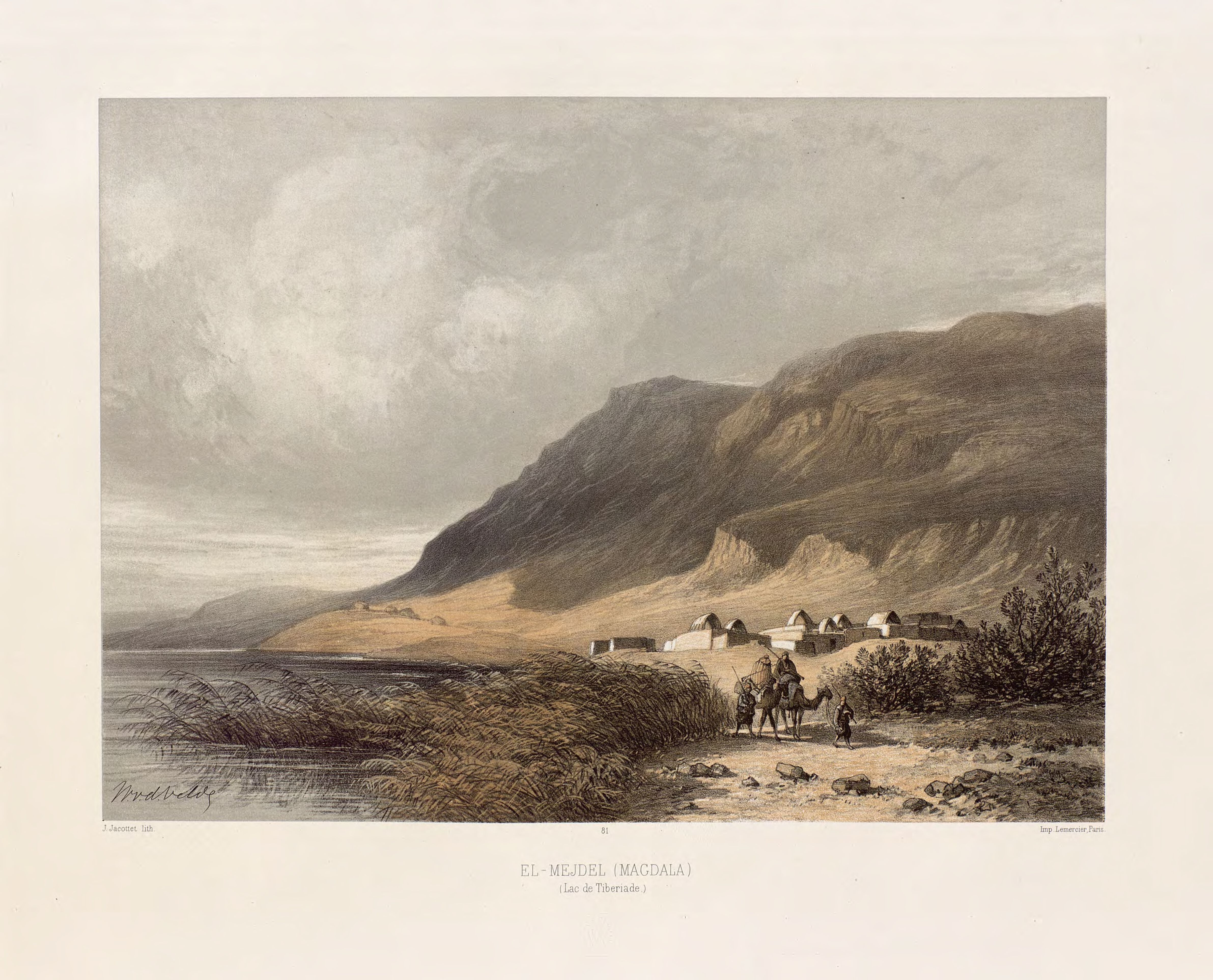
Magdala
Ancient Jewish city with Roman synagogues
Tel Tanninim
Ancient tell near Mediterranean with Byzantine remains