Explore the Map
Tell Keisan
32.8731° N, 35.1508° E
About
Tell Keisan is a significant archaeological site in the Galilee region of Israel, featuring a stratified mound that chronicles a long history of habitation. The site was a major urban center during the Early and Middle Bronze Ages, characterized by fortified walls and a prosperous community. It later became a Tyrian enclave during the Iron Age, reflecting the influence of Phoenician culture. Tell Keisan experienced multiple cycles of destruction and rebuilding, with notable periods of occupation during the Neo-Assyrian, Persian, and Byzantine eras. The discovery of a silver hoard from the Phoenician period and evidence of a Persian military outpost highlight the site's historical importance. Today, it remains a valuable resource for understanding the complex history of the region.
Historical Timeline
Journey through time and discover key events in this site's history
Early Bronze Age prosperity
2100 BCE
Late Bronze Age destruction
1200 BCE
Iron Age rebuilding
1050 BCE
8th century destruction
700 BCE
7th century Neo-Assyrian occupation
650 BCE
Persian period military outpost
525 BCE
Alexander the Great's campaign
330 BCE
Byzantine period church
350 CE
Saladin's base
1189 CE
Archaeological Features
Unique architectural and cultural elements found at this historical site
Storage Structures
Defensive Structures
Miscellaneous Features
Religious and Ritual Structures
Domestic and Habitation Structures
Transportation and Communication Structures
Frequently Asked Questions
Plan Your Visit
Tours, travel arrangements, and practical information
More Sites in Israel
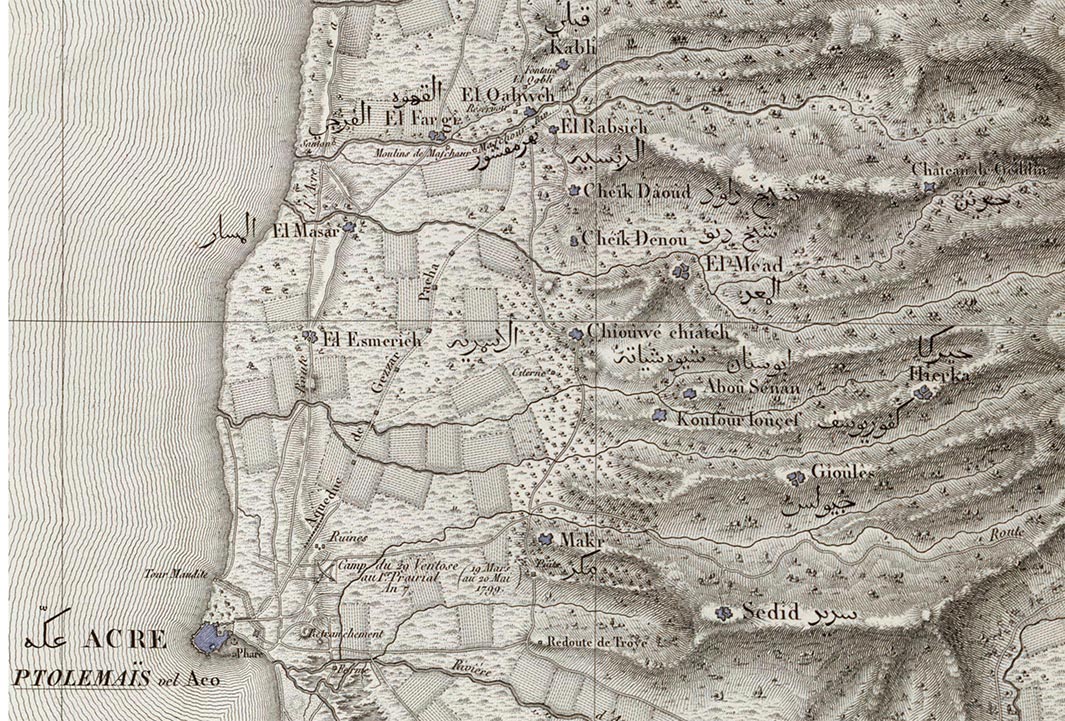
Tel Kabri
Bronze Age Canaanite palace and settlement
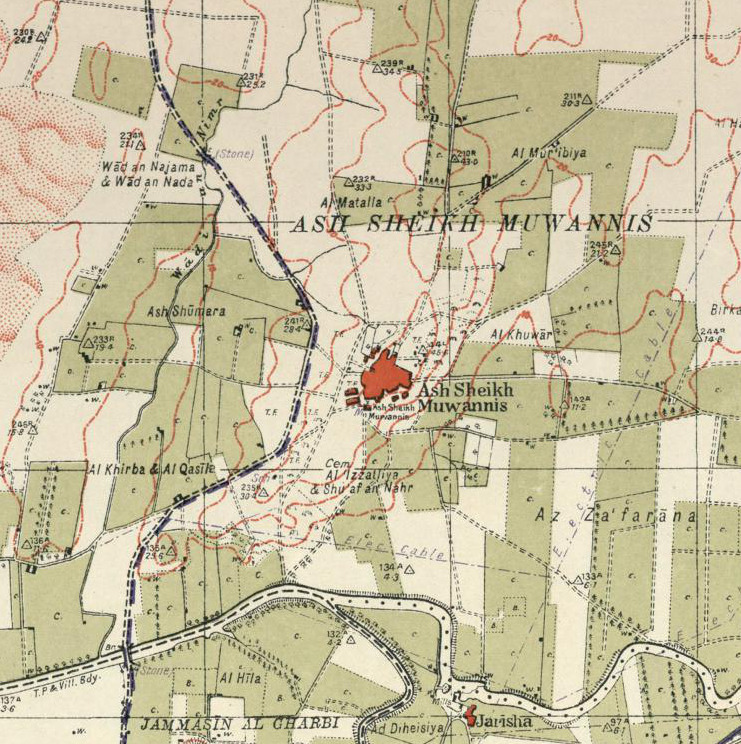
Tell Qasile
Philistine port city with temples and houses
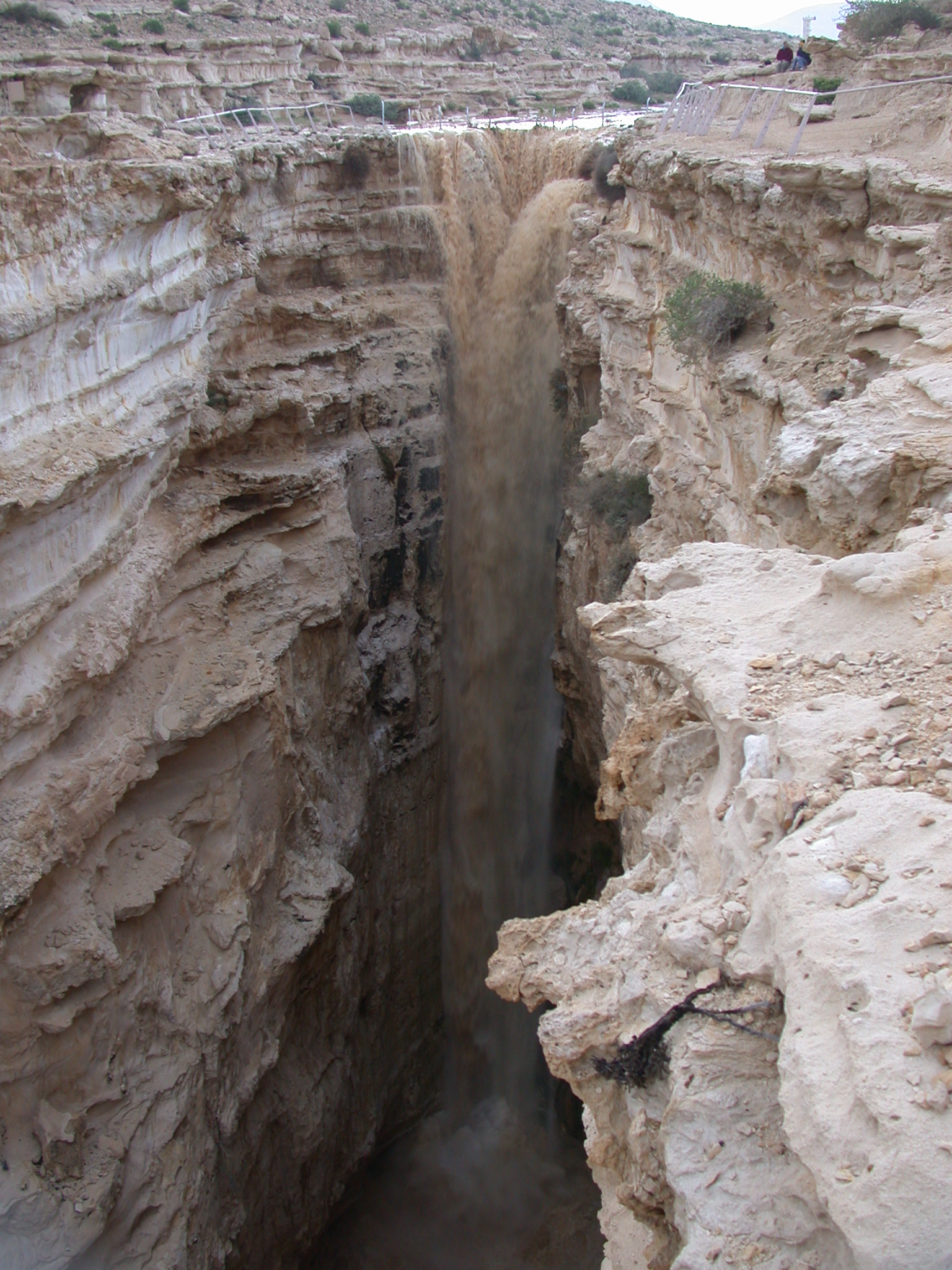
Ein Avdat
Desert canyon with springs and ancient habitations.
Tel Tanninim
Ancient tell near Mediterranean with Byzantine remains
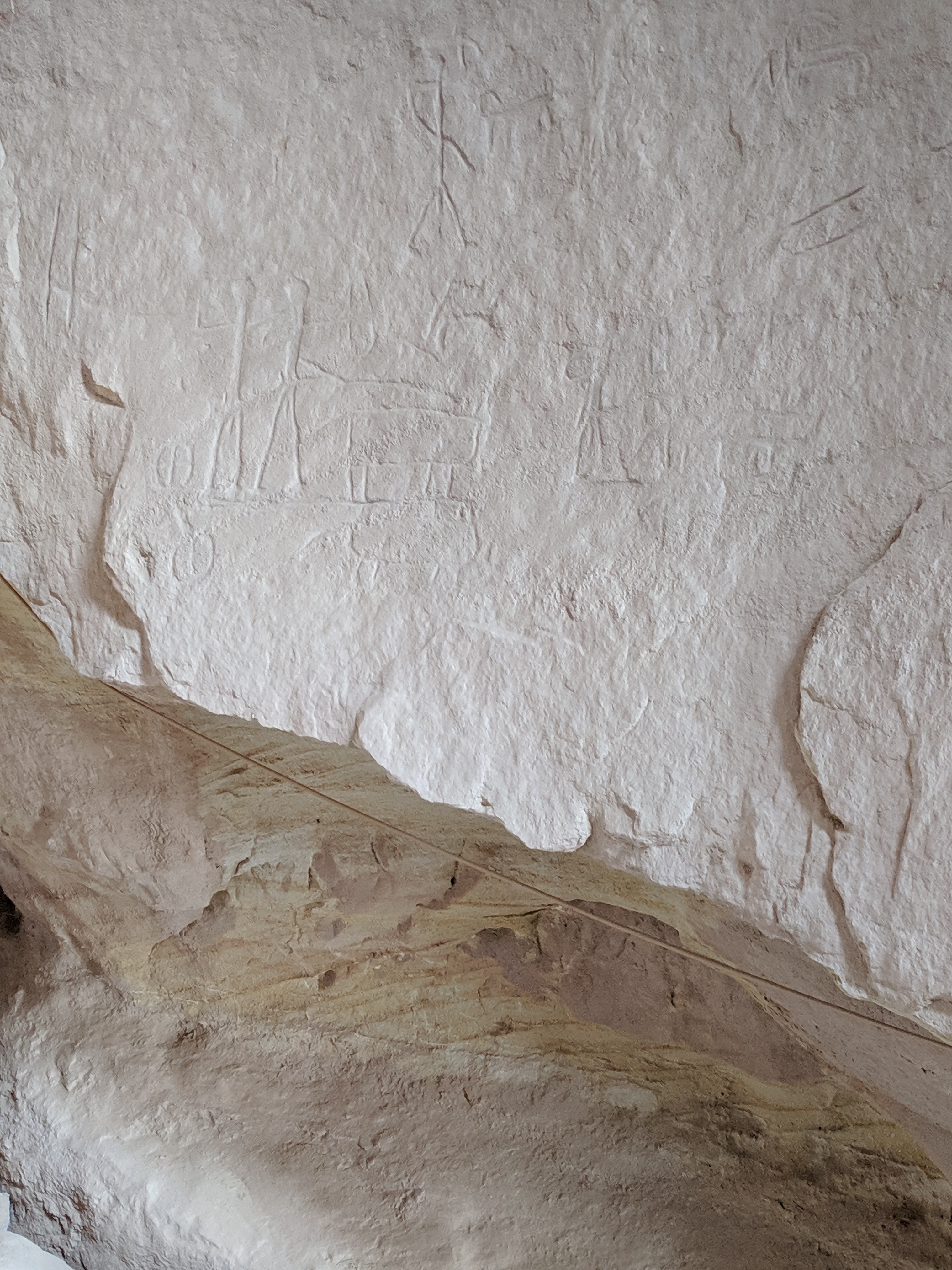
Timna Valley
Copper mining and unique sandstone formations
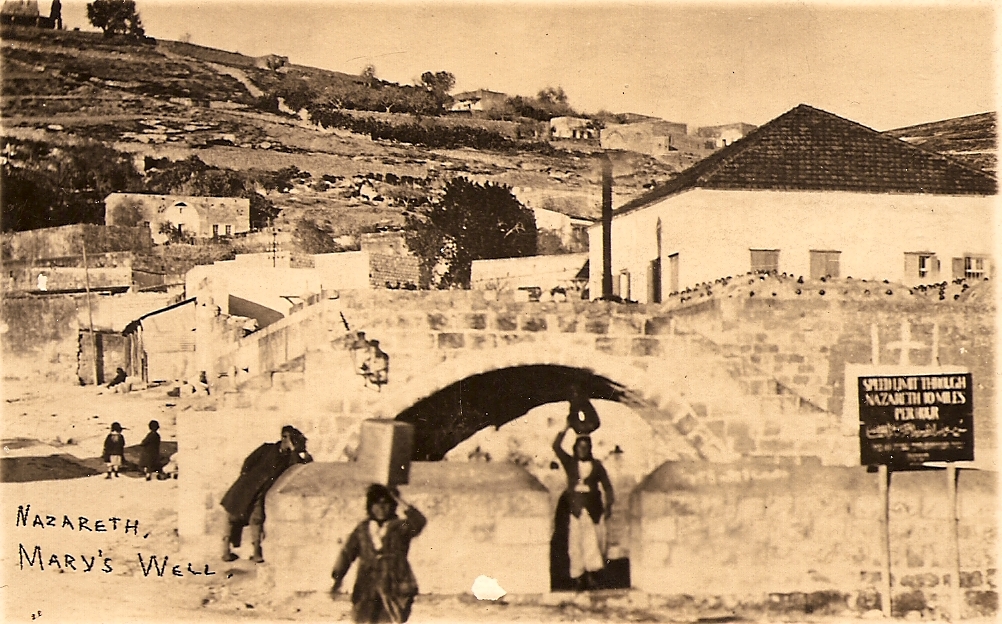
Mary's Well
Ancient water supply with religious significance