Explore the Map
Hidaka Site
36.3681° N, 139.0319° E
About
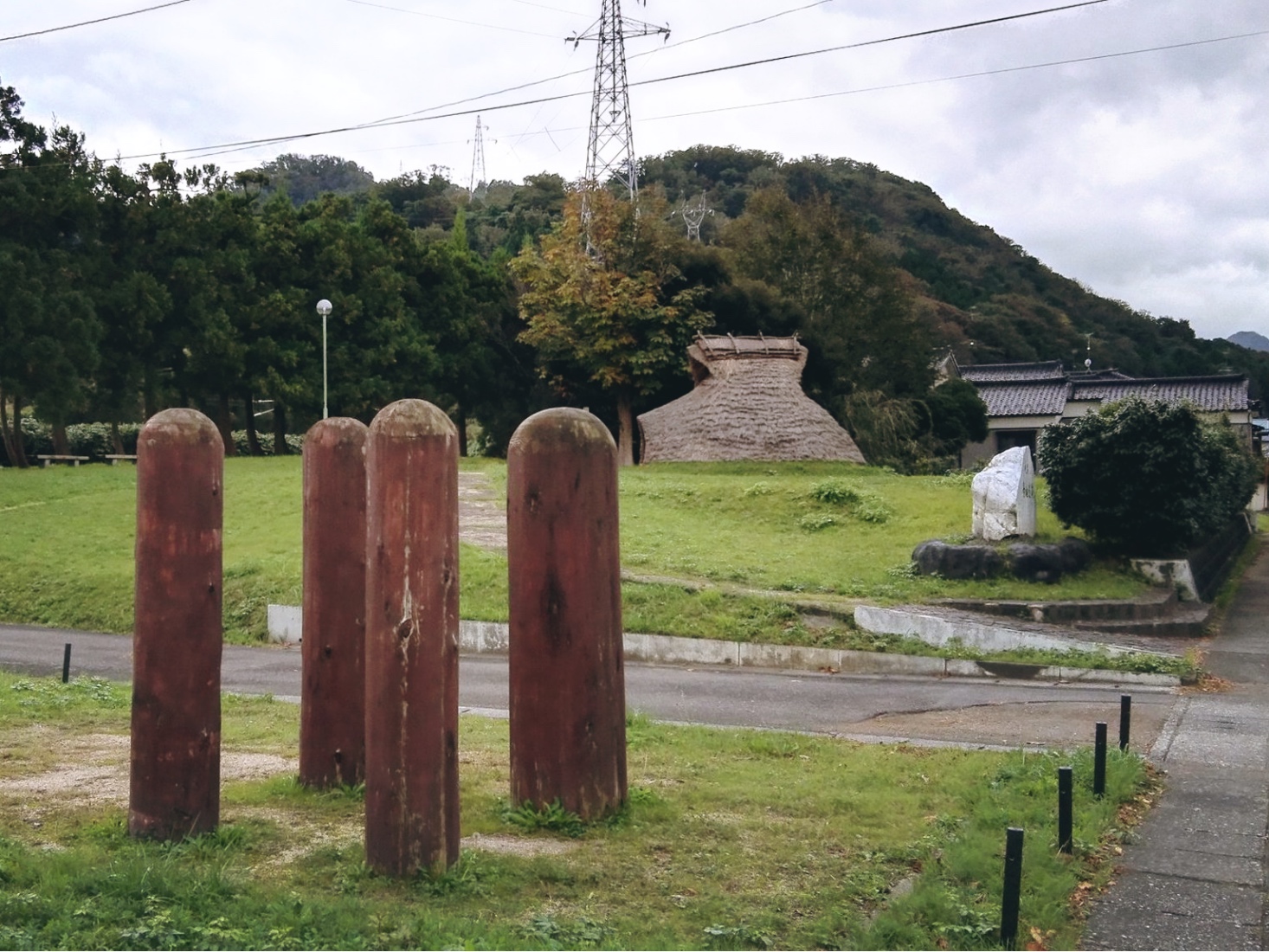
The Hidaka site is an archaeological area located in Takasaki, Gunma Prefecture, Japan, notable for its well-preserved Yayoi period settlement. Spanning 6.3 hectares, the site features 17 pit dwellings enclosed by a ring moat, indicative of a structured community setup. The presence of rice paddy fields and a cemetery further underscores the settlement's complexity and sophistication in agricultural practices. A significant layer of volcanic ash from Mount Asama's eruption provides precise dating to the latter half of the 3rd century CE, preserving the site's features remarkably well. This site offers invaluable insights into the social and agricultural practices during the Yayoi period and highlights the impact of natural events on human settlements.
Historical Timeline
Journey through time and discover key events in this site's history
Settlement at Hidaka
250 CE
Volcanic Eruption and Ash Layer
250 CE
Archaeological Features
Unique architectural and cultural elements found at this historical site
Defensive Structures
Burial and Funerary Structures
Agricultural and Land Use Features
Domestic and Habitation Structures
Frequently Asked Questions
Plan Your Visit
Tours, travel arrangements, and practical information
More Sites in Japan
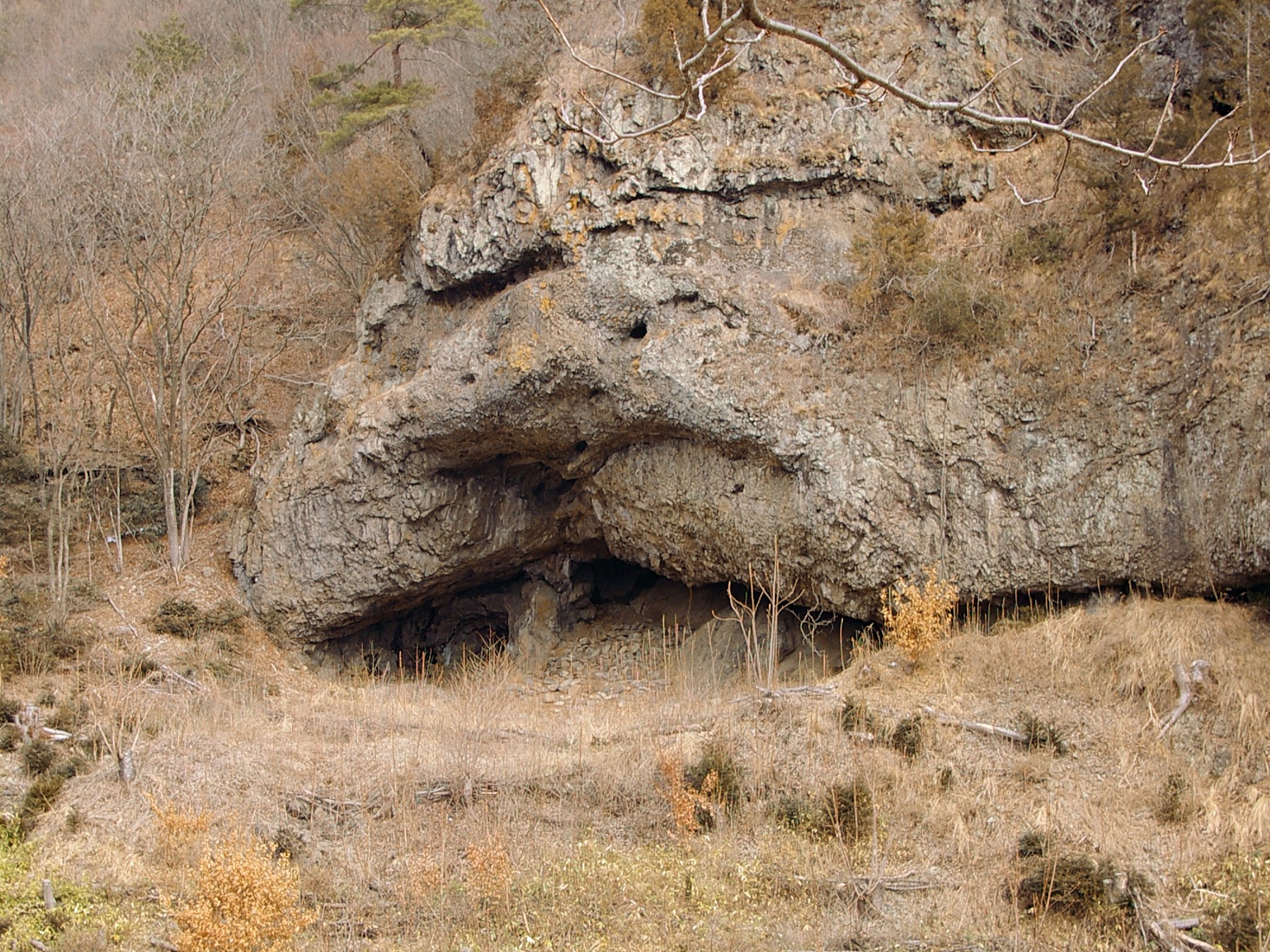
Tobayama Cave
Cave dwelling and tomb with grave goods
Mangyō Site
Late Yayoi–Early Kofun settlement, Nanao (Ishikawa), Japan
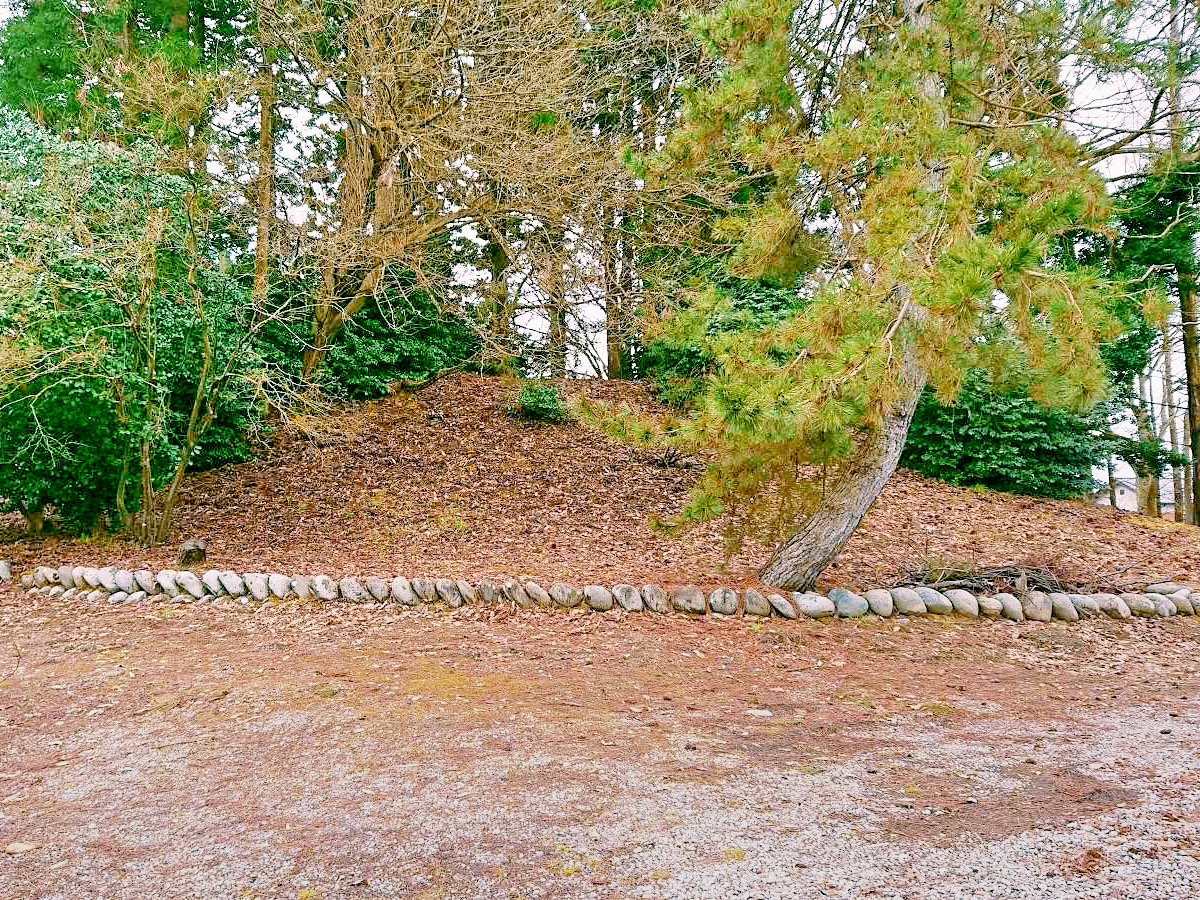
Kushidashin Site
Late Jōmon settlement with Kofun burial mounds.
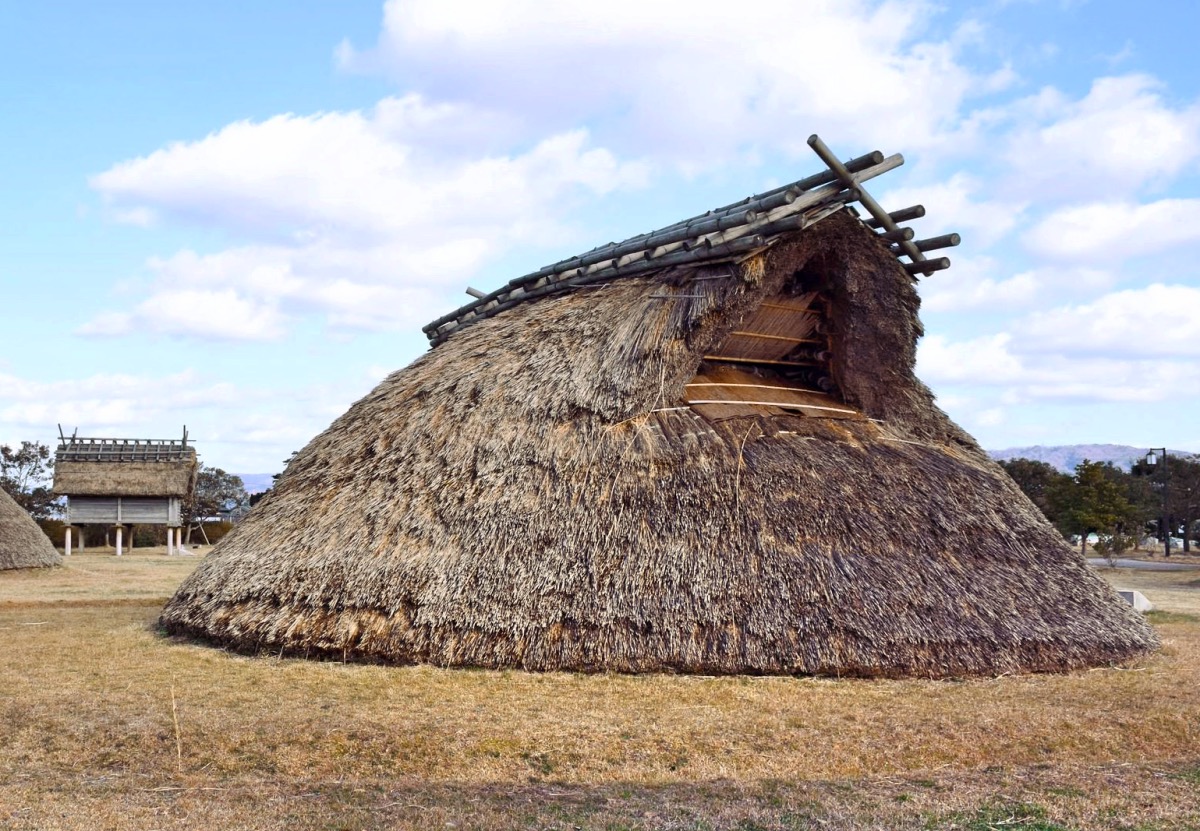
Yoshizaki-Suba Site
Yayoi period settlement remains, Ishikawa, Japan.
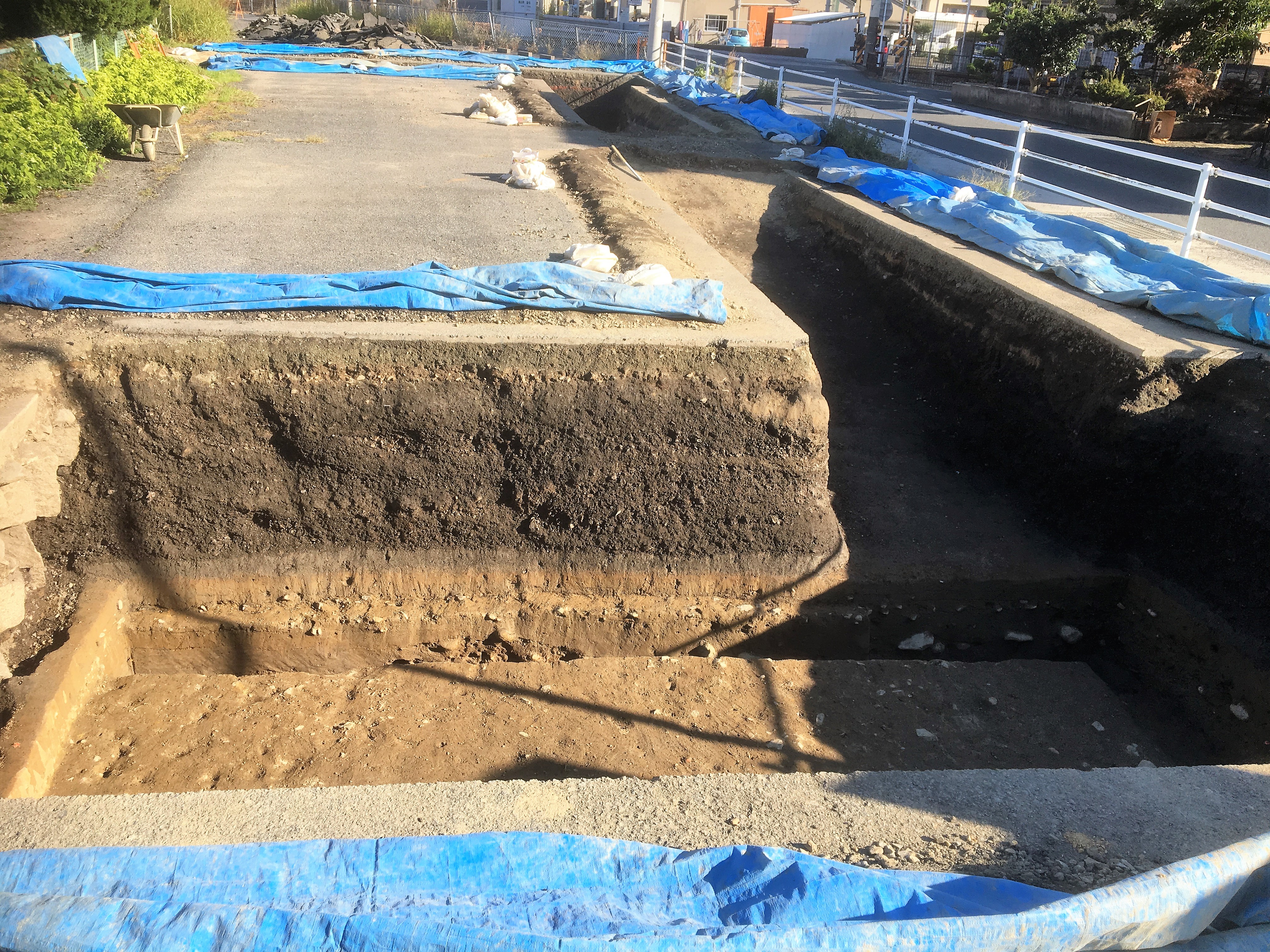
Bingo Provincial Capital
Ruins of ancient provincial capital structures
Terachi Site
Middle to late Jōmon period settlement