Explore the Map
Shōdō Kanga ruins
34.8604° N, 135.7842° E
About
The Shōdō Kanga ruins (正道官衙遺跡, Shōdō kanga iseki) is an archaeological site with the ruins of a Nara to Heian period government administrative complex located in what is now the Terada-Shōdō neighborhood of the city of Jōyō, Kyoto, in the Kinai region of Japan. It has been protected as a National Historic Site from 1974, with the area under protection expanded in 2006
Historical Timeline
Journey through time and discover key events in this site's history
Kofun burial mound
5th century
Village occupation
latter half of the 6th century to the 7th century
Construction of administrative buildings
late 7th century
Provincial district system codified
715 AD
Initial finds on pond shore
1965
Major archaeological excavation begins
February 1973
National Historic Site designation
1974
Archaeological park planning
1989
Archaeological park opens
1992
Protected area expanded
2006
Archaeological Features
Unique architectural and cultural elements found at this historical site
Public and Civic Structures
Burial and Funerary Structures
Domestic and Habitation Structures
Environmental and Natural Features
Frequently Asked Questions
Plan Your Visit
Tours, travel arrangements, and practical information


More Sites in Japan
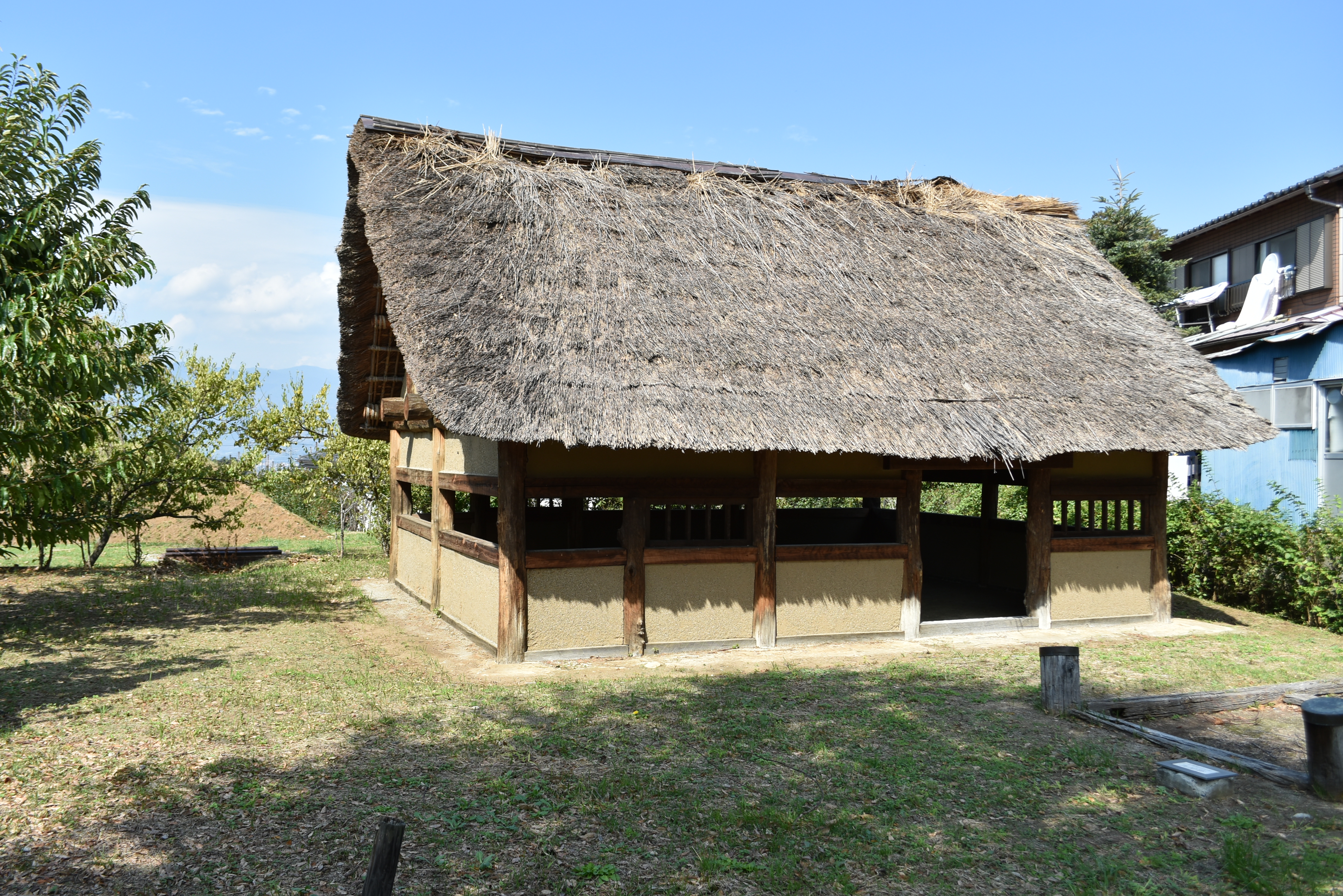
Katsunuma clan residence ruins
Sengoku period fortified residence ruins.
Binmanji Ishibotokedani Necropolis
Medieval Japanese necropolis with 1600 tombs.
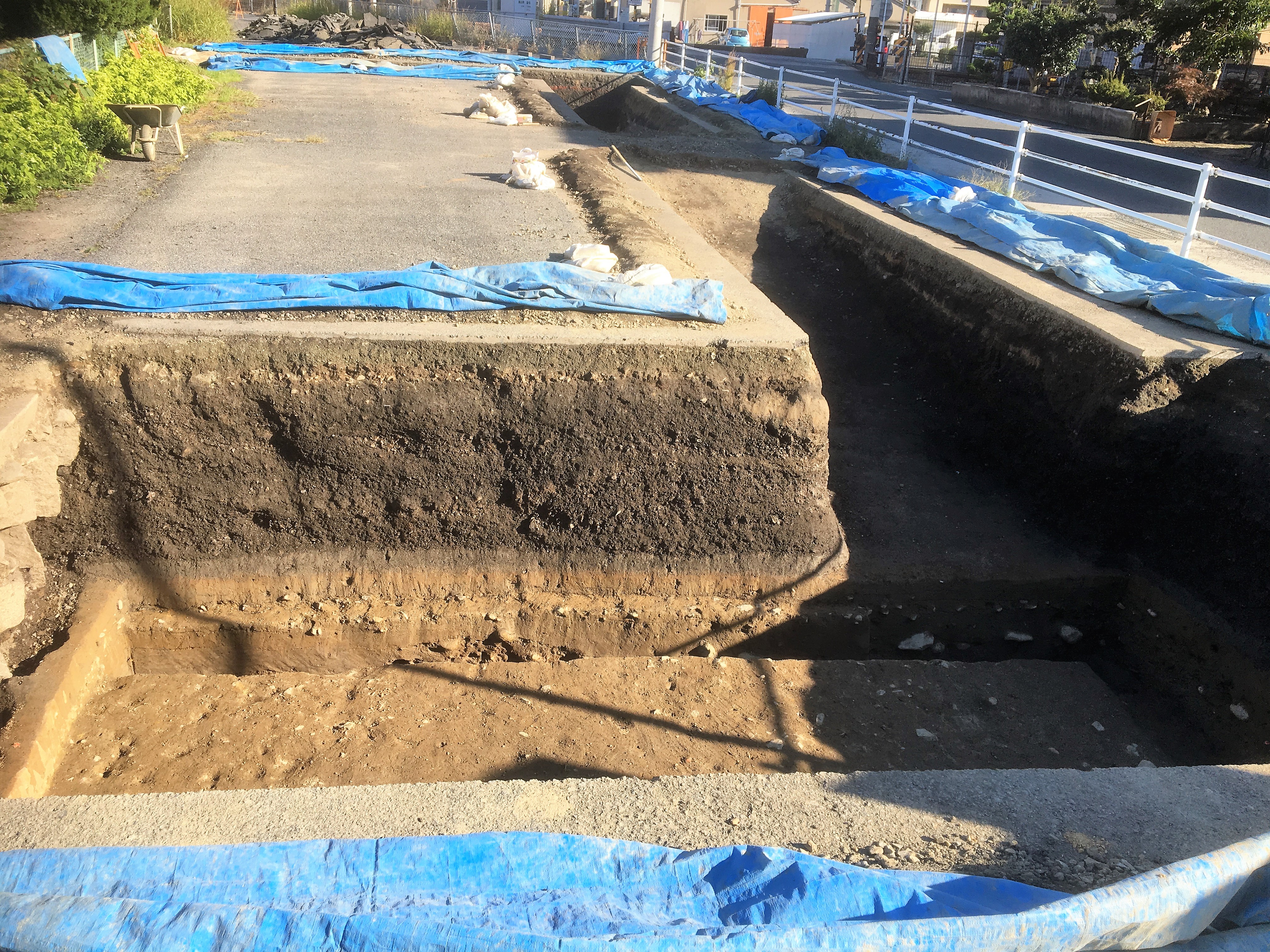
Bingo Provincial Capital
Ruins of ancient provincial capital structures
Mangyō Site
Late Yayoi–Early Kofun settlement, Nanao (Ishikawa), Japan
Furushida-Higashi ruins
Heian period fortified residence with moat.
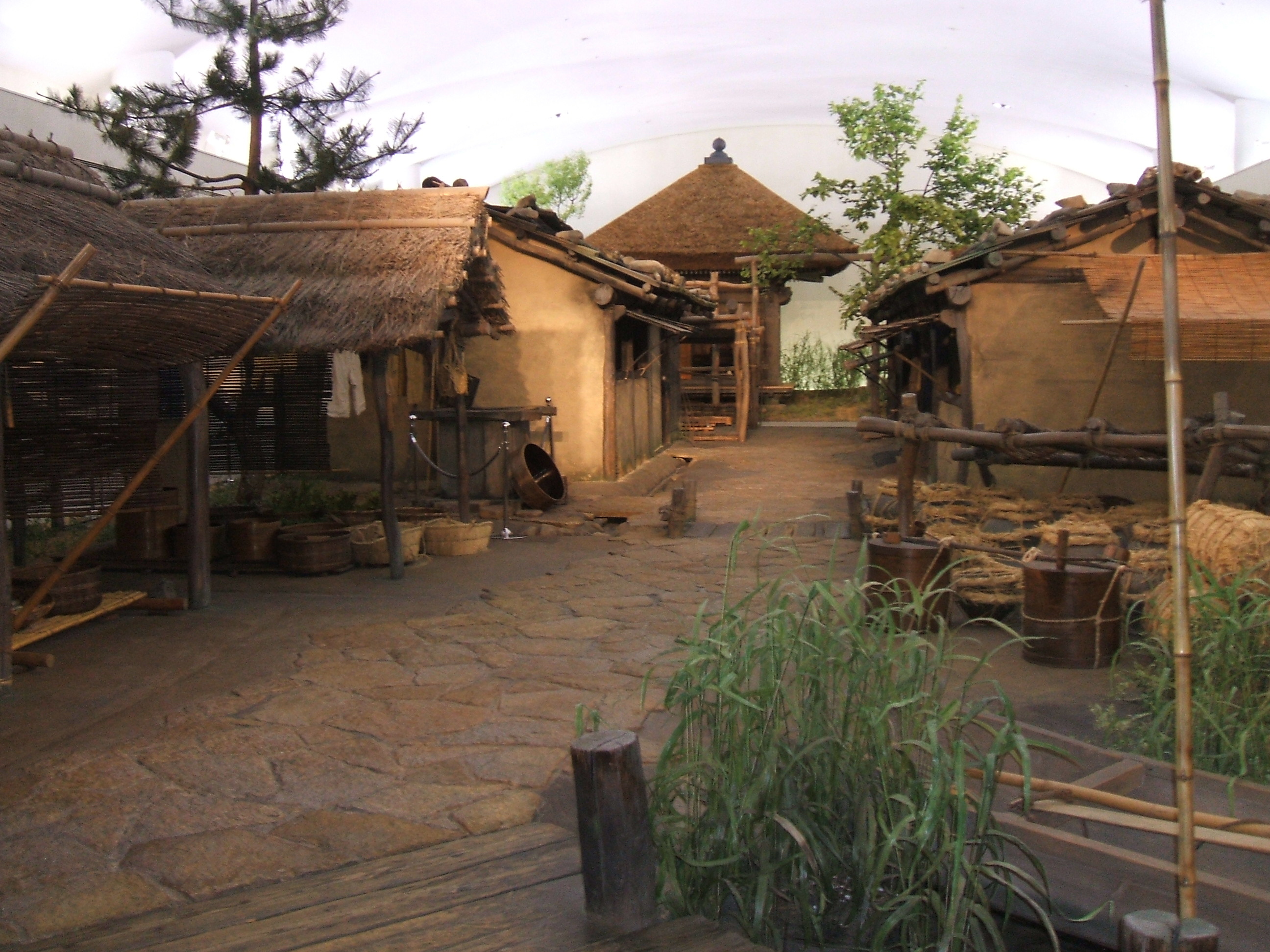
Kusado Sengen
Medieval port town near Ashida River