Explore the Map
Uzumine
37.2970° N, 140.4667° E
About
Uzumine Castle, also known as Hoshiga-jō or Unsui-mine, was a Yamashiro-style castle located on Mount Uzumine in Fukushima Prefecture, Japan. Built during the Nanboku-chō period, its strategic location at 677 meters above sea level allowed it to serve as a significant military stronghold during the early Muromachi period. The castle features remnants of defensive structures such as ramparts and a dry moat. Fortified by Tamura Morihide, it played a crucial role in the region's conflicts between the Northern and Southern Courts. In 1346, Northern forces captured Mount Uzumine, but it was temporarily reclaimed by Southern forces in 1352. However, by 1353, the castle was abandoned, marking the end of its significant military role. Today, only scattered ruins remain, providing insight into the medieval military architecture and the tumultuous period of Japan's history.
Historical Timeline
Journey through time and discover key events in this site's history
Fortification by Tamura Morihide
Early 14th century CE
Fall to Northern Forces
1346 CE
Recovery by Southern Forces
1352 CE
Final Fall and Abandonment
1353 CE
Archaeological Features
Unique architectural and cultural elements found at this historical site
Defensive Structures
Frequently Asked Questions
Plan Your Visit
Tours, travel arrangements, and practical information
More Sites in Japan
Furushida-Higashi ruins
Heian period fortified residence with moat.
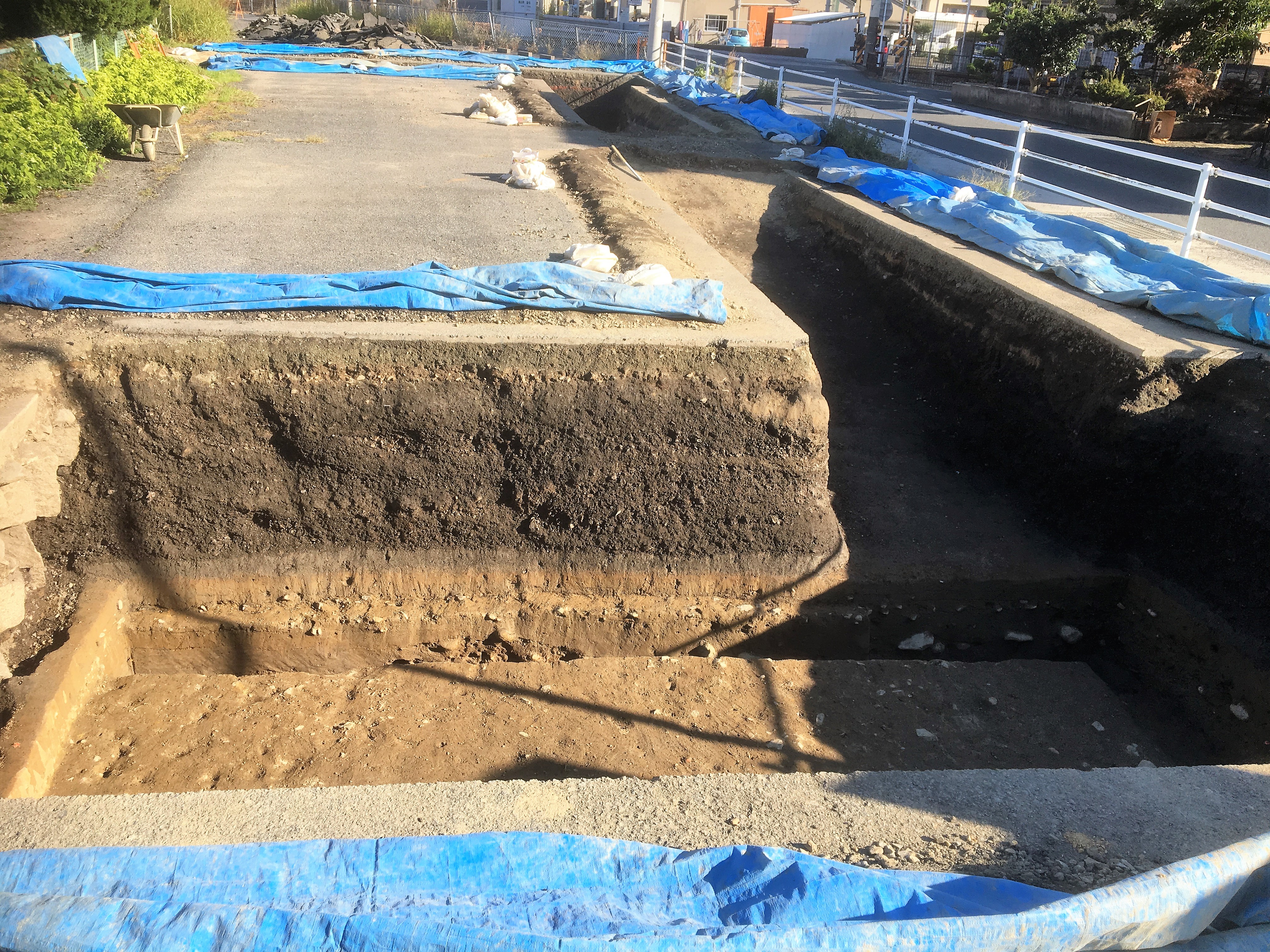
Bingo Provincial Capital
Ruins of ancient provincial capital structures
Binmanji Ishibotokedani Necropolis
Medieval Japanese necropolis with 1600 tombs.
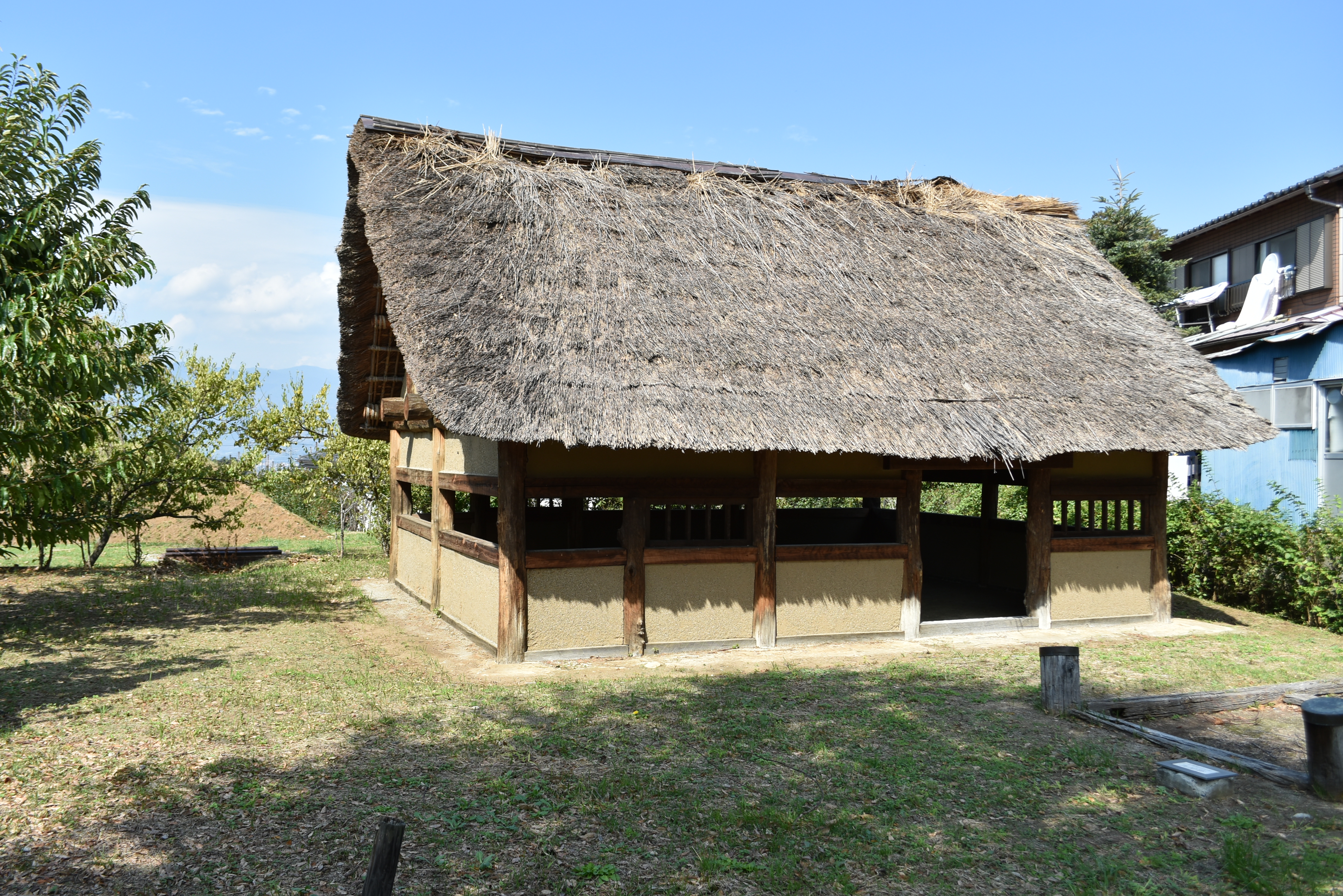
Katsunuma clan residence ruins
Sengoku period fortified residence ruins.
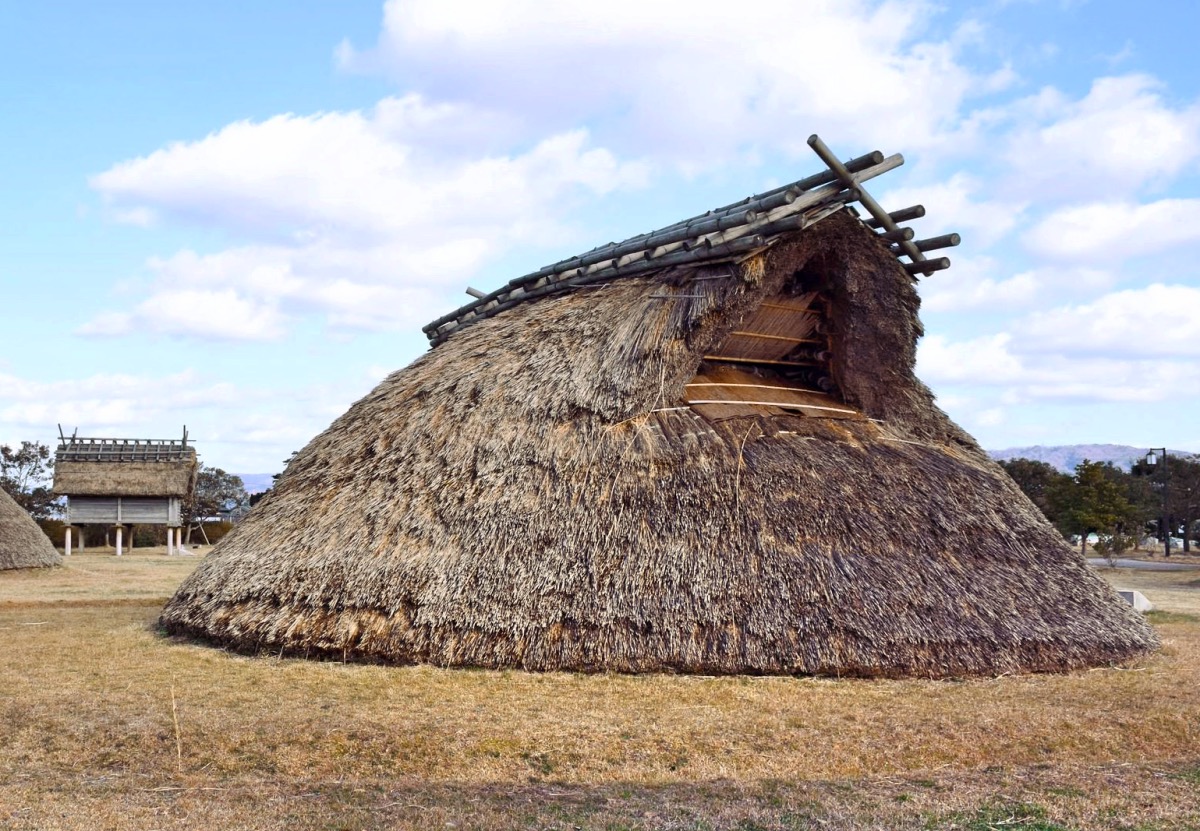
Yoshizaki-Suba Site
Yayoi period settlement remains, Ishikawa, Japan.
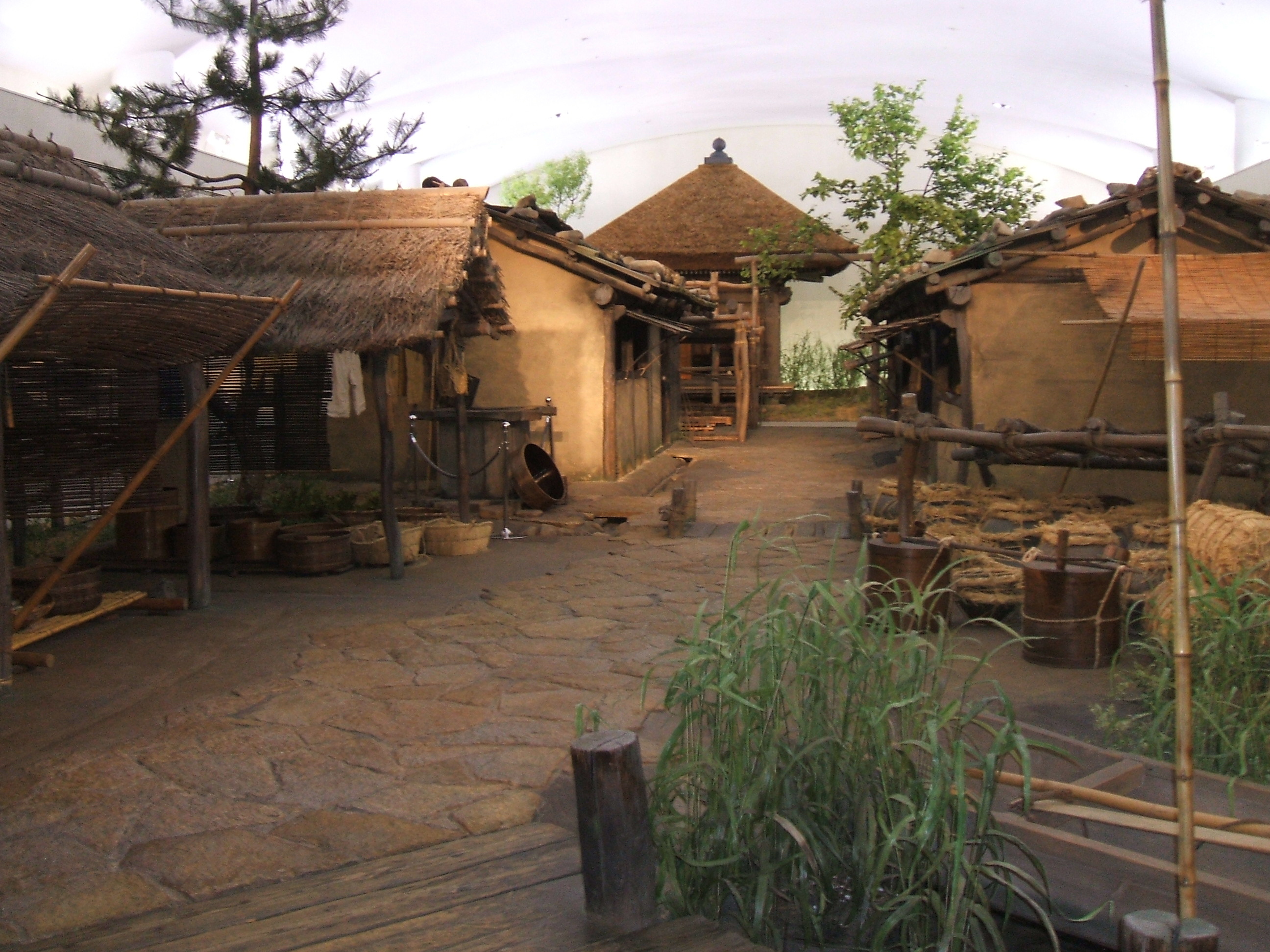
Kusado Sengen
Medieval port town near Ashida River