Explore the Map
Ayn Ghazal (archaeological site)
31.9880° N, 35.9760° E
About
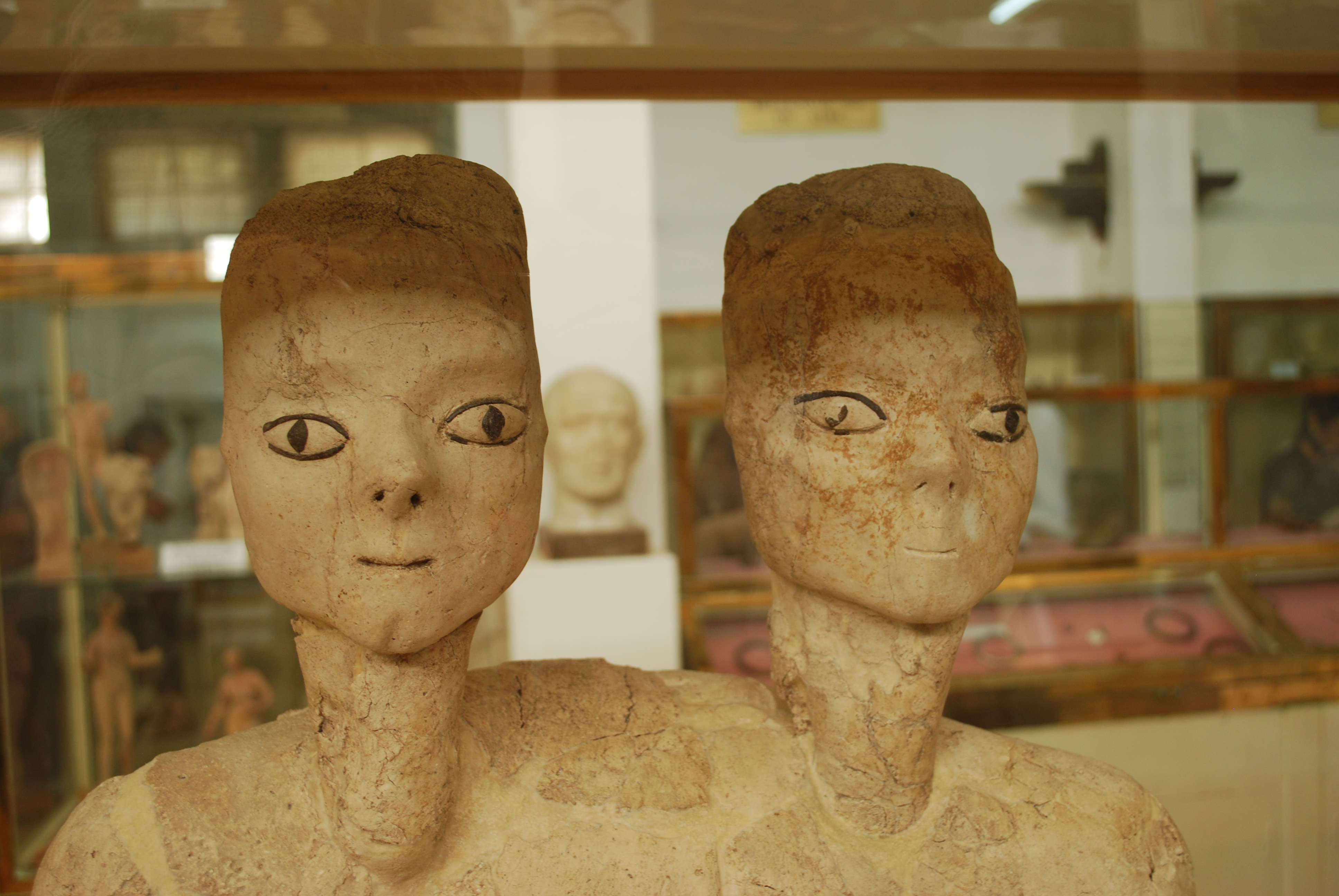
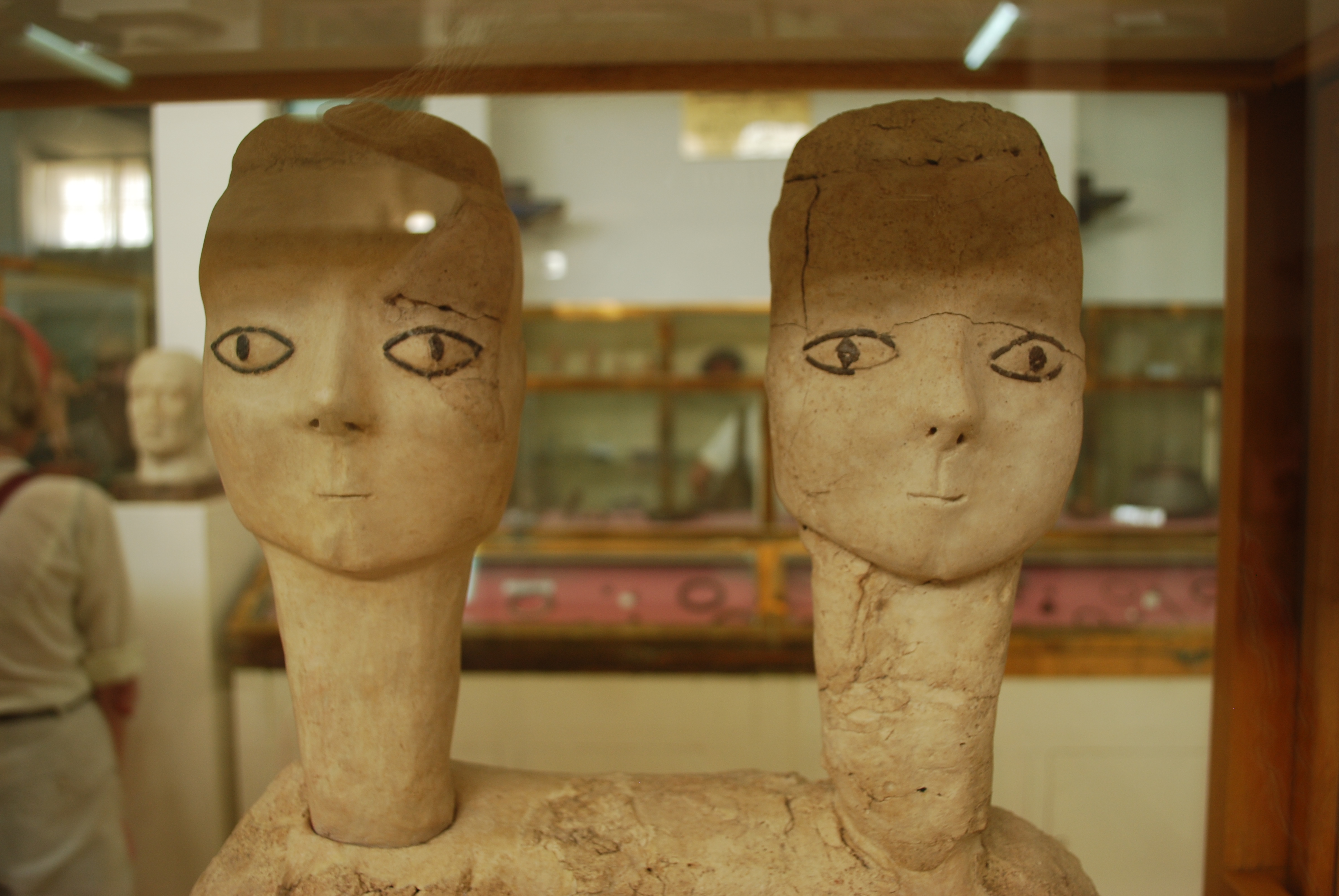
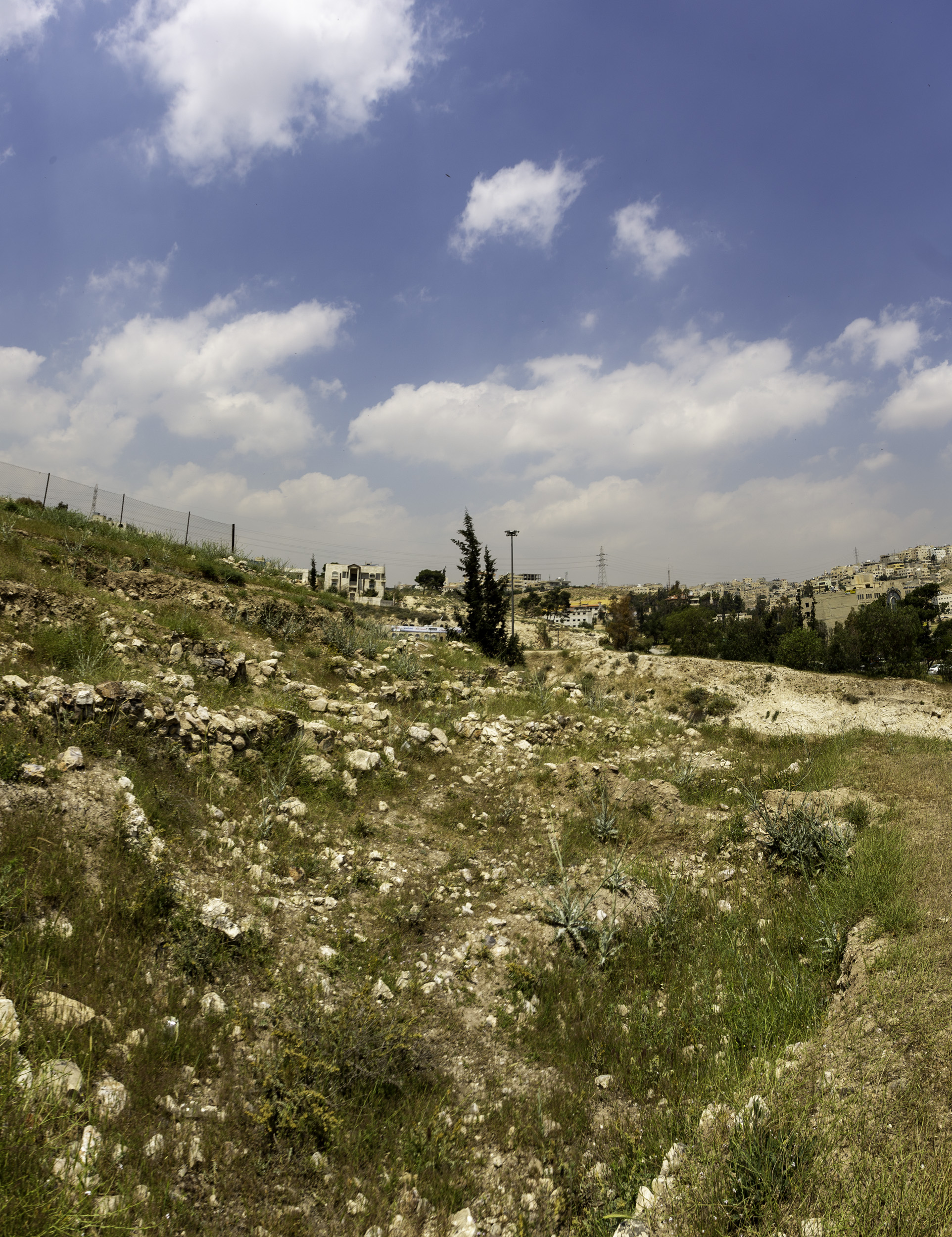
Ayn Ghazal is a significant Neolithic archaeological site located near Amman, Jordan. It dates back to the Middle Pre-Pottery Neolithic B period, with settlement phases beginning around 8300 BCE. The site is famous for its large anthropomorphic statues, considered some of the oldest known large-sized human figures. At its peak, around 7000 BCE, the settlement spanned 10-15 hectares and was home to approximately 3,000 people. The inhabitants practiced agriculture, cultivating cereals and legumes, and managed domesticated animals such as goats. The site shows evidence of social stratification, ritual practices, and unique burial customs, including skull retrieval and decoration. Ayn Ghazal provides valuable insights into the transition from hunter-gatherer groups to settled agricultural communities during the Neolithic period.
Gallery
Explore photographs of ancient structures, artifacts, and archaeological excavations
Historical Timeline
Journey through time and discover key events in this site's history
Phase I settlement
8300 BCE
Phase II settlement
7950 BCE
Population peak
7000 BCE
Population decline
6500 BCE
Early Pottery Neolithic
6400 BCE
Archaeological Features
Unique architectural and cultural elements found at this historical site
Burial and Funerary Structures
Religious and Ritual Structures
Artistic and Decorative Features
Agricultural and Land Use Features
Domestic and Habitation Structures
Food Production and Processing Features
Frequently Asked Questions
Plan Your Visit
Tours, travel arrangements, and practical information


More Sites in Jordan
Teleilat el-Ghassul
Neolithic and Chalcolithic villages in Jordan
Capitolias
Ancient Roman city with minimal ruins.
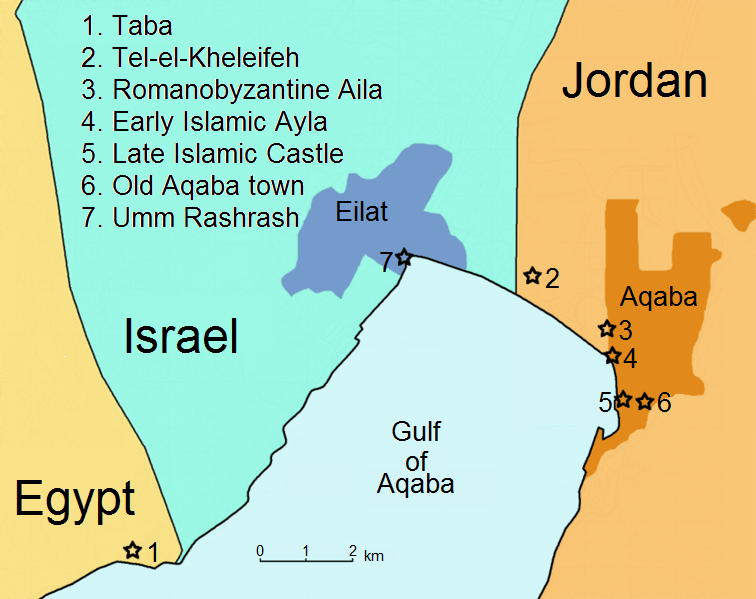
Tell el-Kheleifeh
Ancient fortified settlement with phased occupation.
Synagogue-Church at Gerasa
Byzantine synagogue converted to church
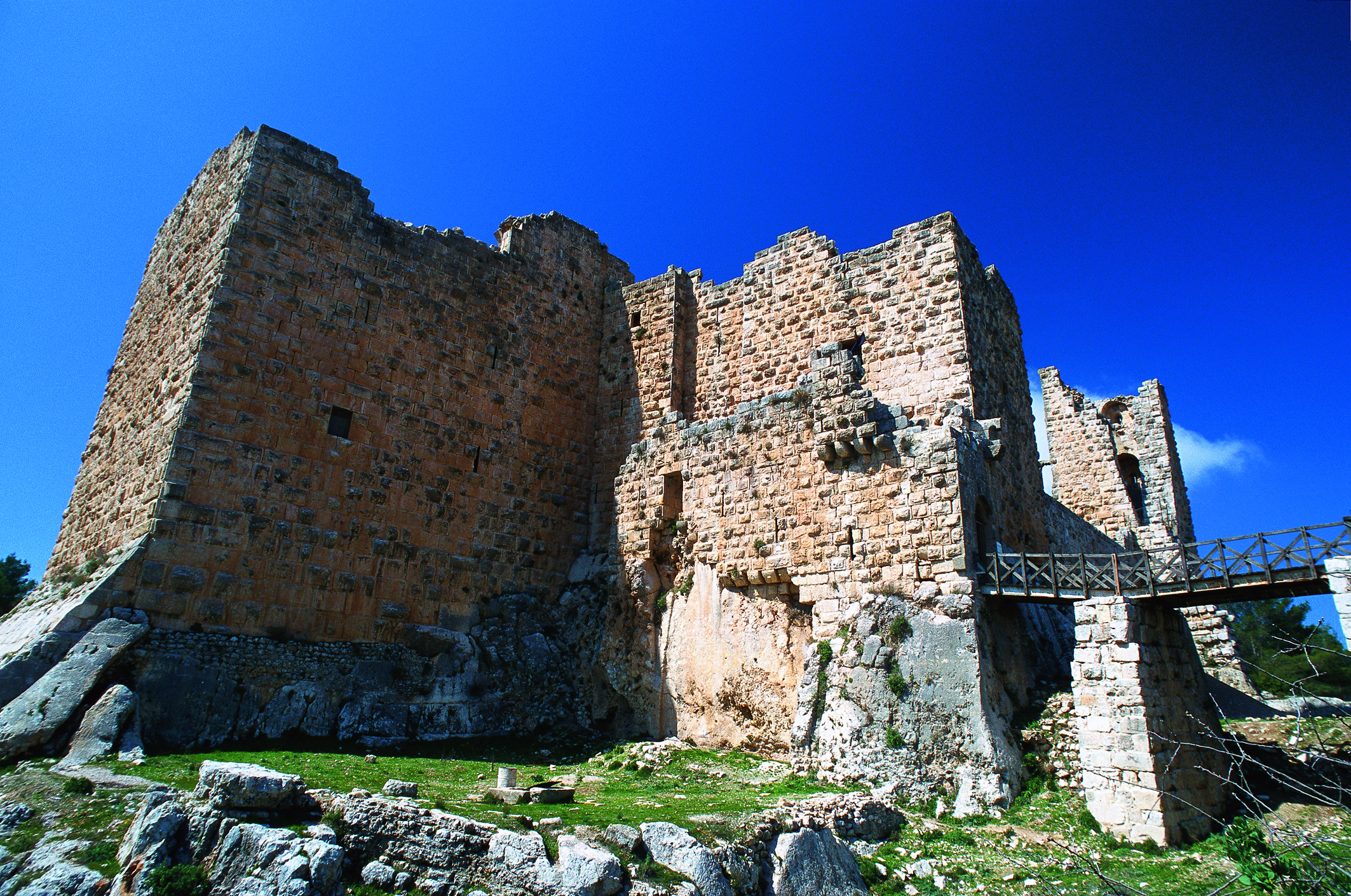
Ayn al-Habis
12th century cave castle in Jordan
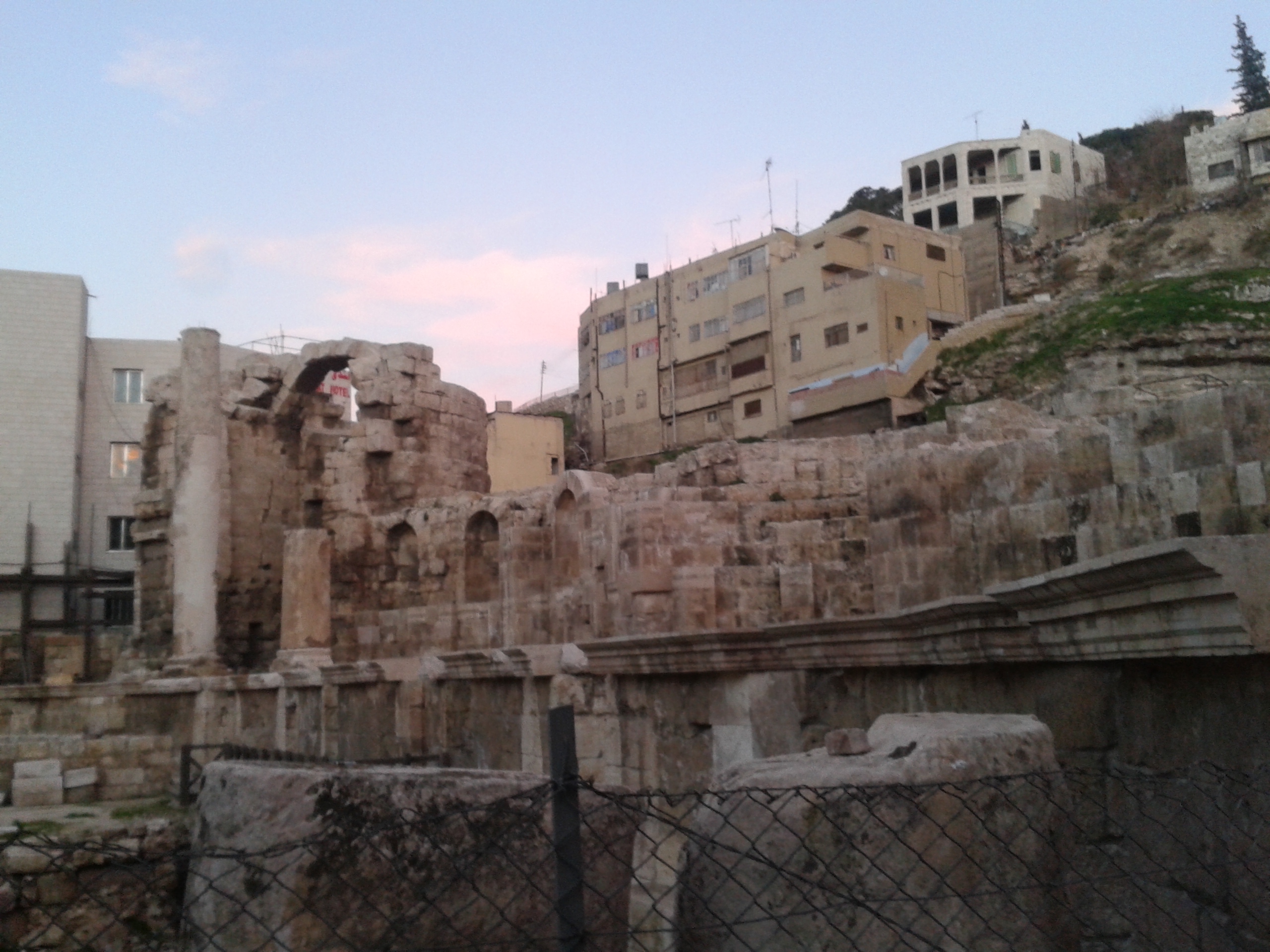
Nymphaeum (Amman)
Partially preserved Roman public fountain.