Explore the Map
Gadara
32.6565° N, 35.6777° E
About
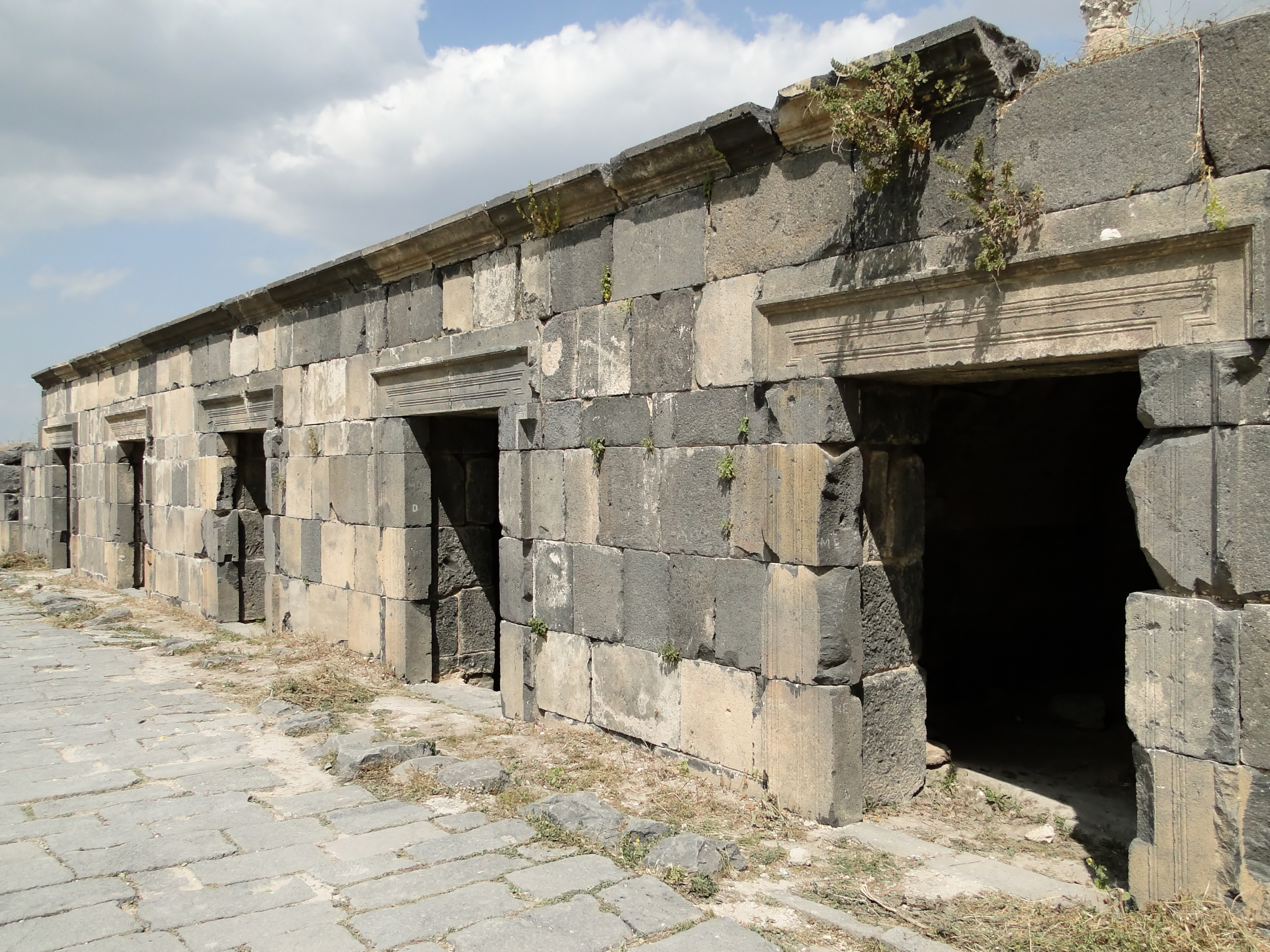
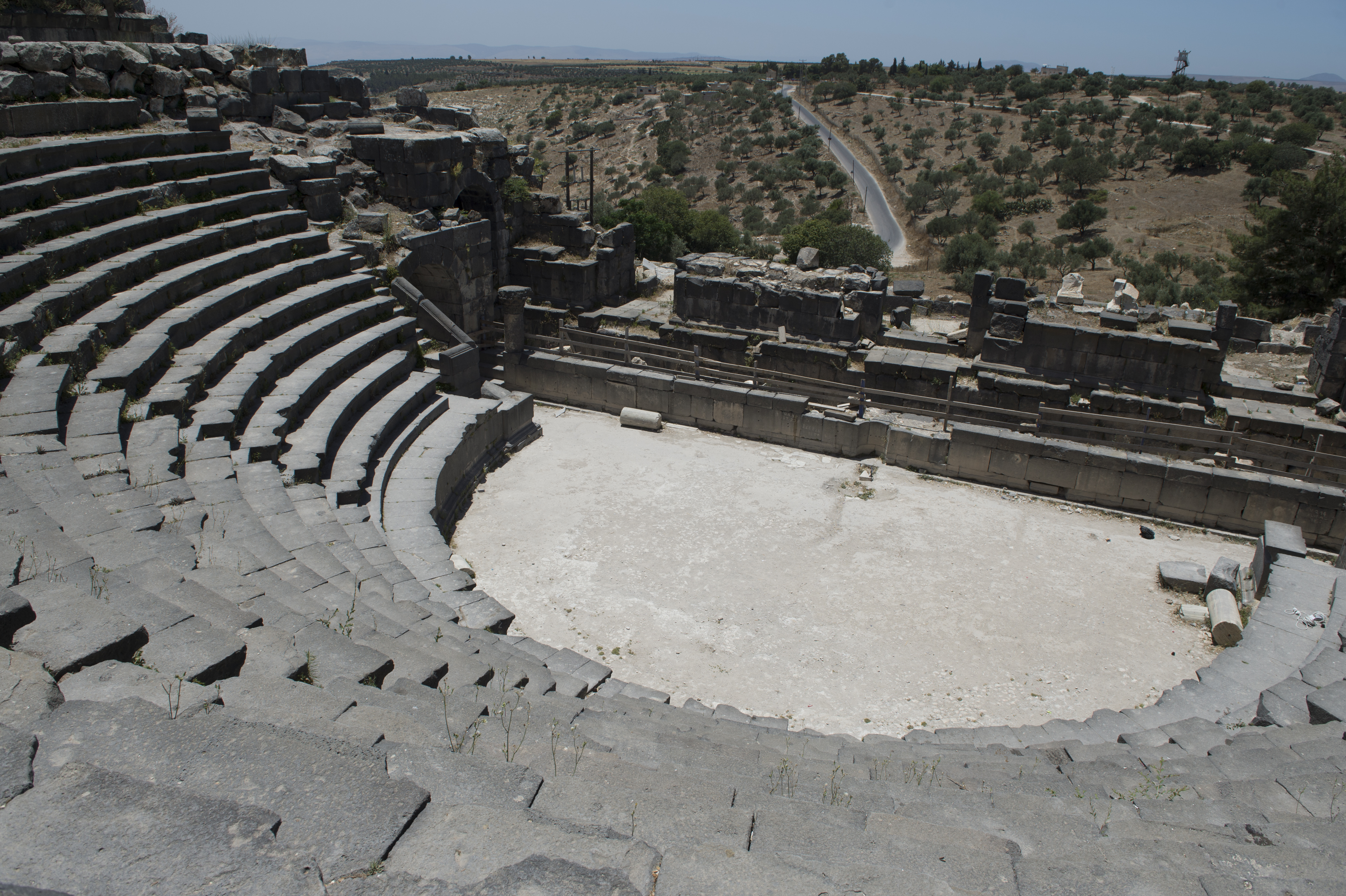
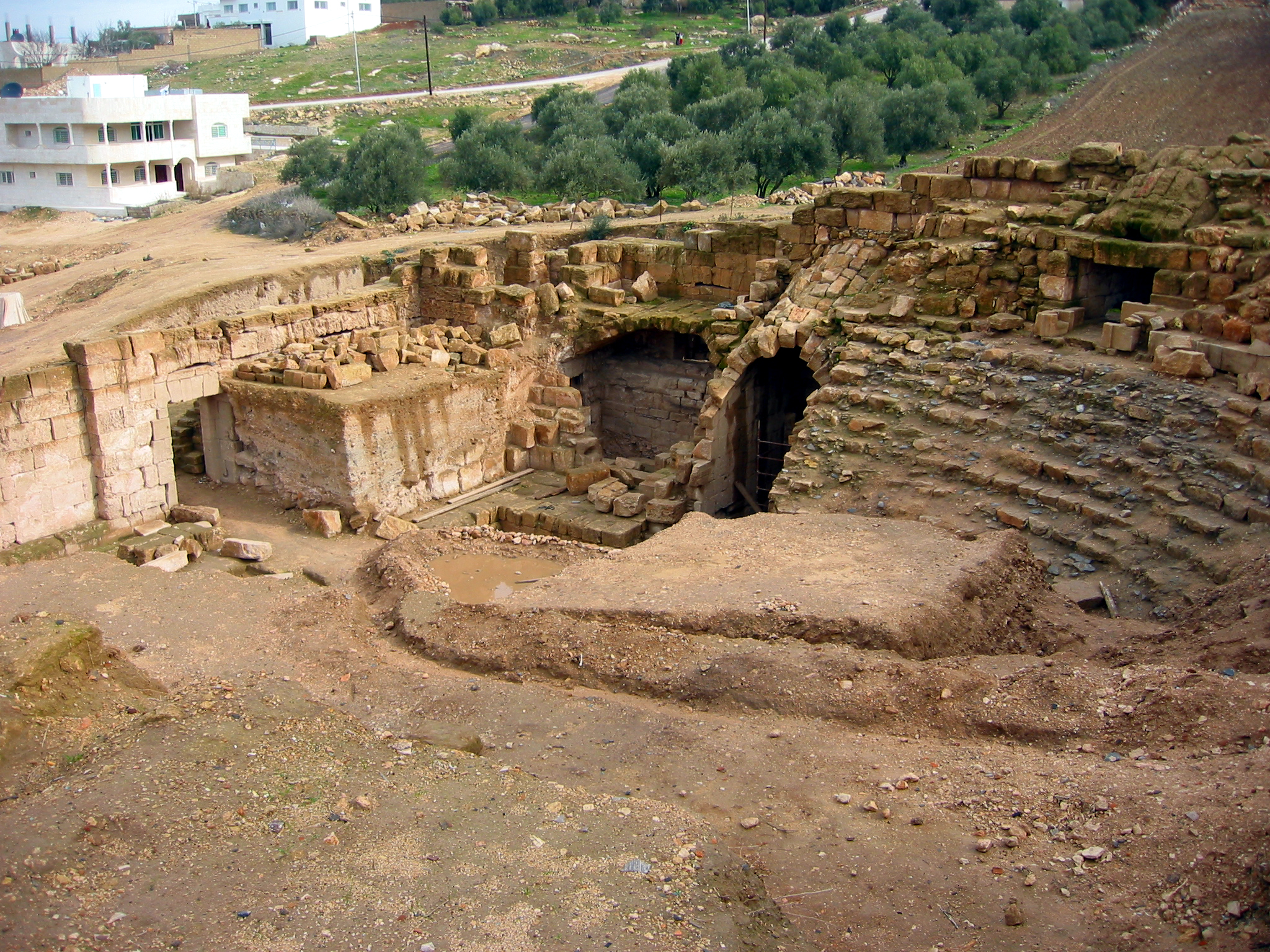
Gadara, located in present-day Umm Qais in Jordan, was a significant Hellenistic city that played a vital role in the Greco-Roman world. Established as a cultural and intellectual hub by the 3rd century BCE, the city was renowned for producing notable philosophers. It was heavily influenced by Greek culture and architecture, evident in its theatres, temples, and sophisticated water management systems, including aqueducts. Gadara was strategically significant, captured by Antiochus III, later rebuilt by the Roman general Pompey, and integrated into the Decapolis league. Throughout its history, it underwent various phases of control, including Seleucid, Roman, and eventually Muslim rule, until it was largely destroyed by an earthquake in 749 CE. Its ruins today provide a glimpse into its past grandeur, featuring baths, basilicas, and colonnaded streets.
Gallery
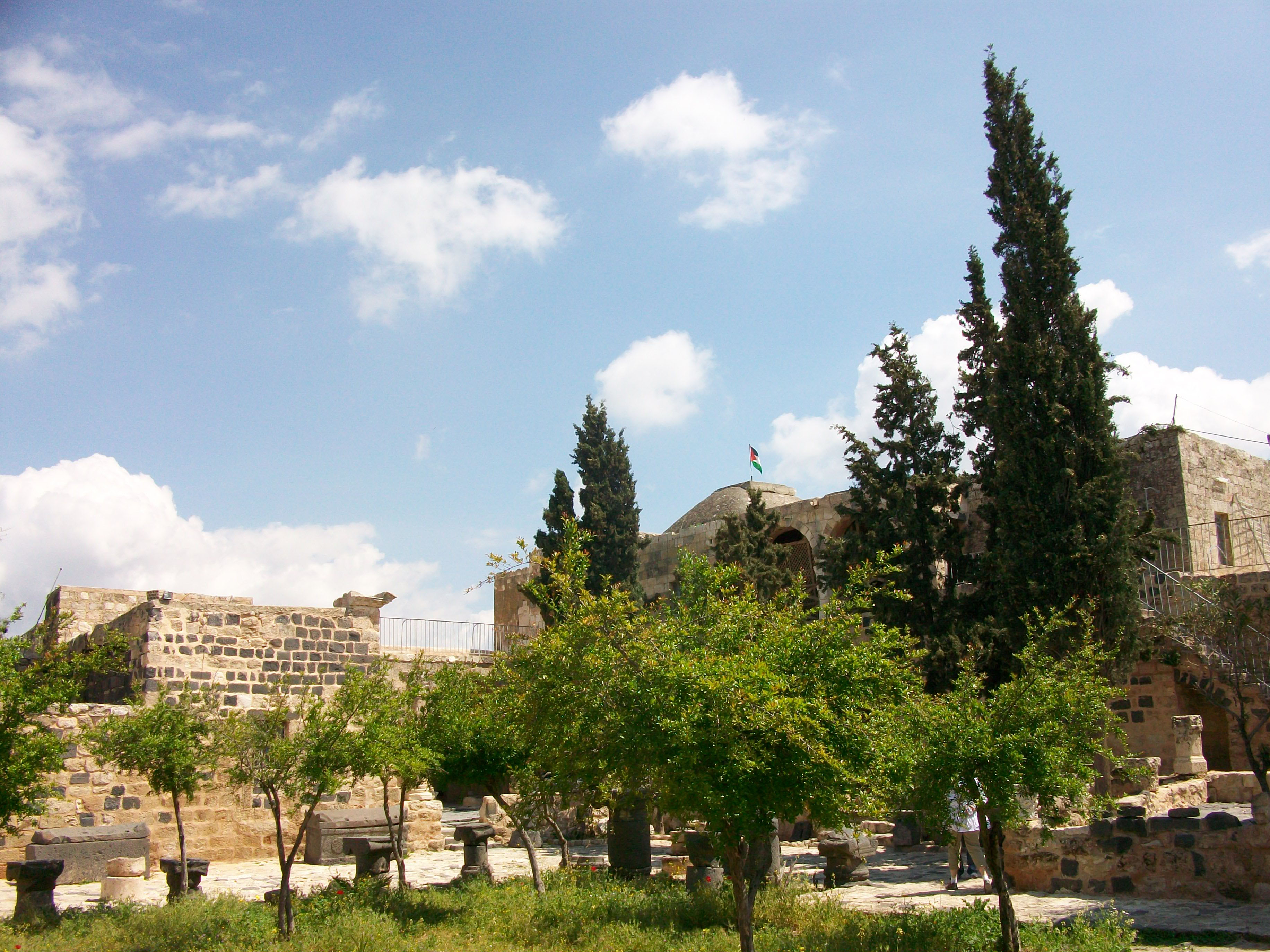
Explore photographs of ancient structures, artifacts, and archaeological excavations
Historical Timeline
Journey through time and discover key events in this site's history
Seleucid Control
218 BCE
Cultural Importance
218 BCE
Roman Rebuilding
63 BCE
Herod's Control
30 BCE
Roman Province
4 BCE
Aqueduct Construction
2nd century CE
Arab Conquest
636 CE
Earthquake Destruction
749 CE
Archaeological Features
Unique architectural and cultural elements found at this historical site
Defensive Structures
Miscellaneous Features
Water Management Features
Public and Civic Structures
Religious and Ritual Structures
Domestic and Habitation Structures
Transportation and Communication Structures
Frequently Asked Questions
Plan Your Visit
Tours, travel arrangements, and practical information
More Sites in Jordan
Tall Damiyah
Iron Age mound with unique artifacts
Tall al-Umayri
Archaeological site with temple and farms
Khirbat Ataruz
Iron Age temple and settlement remains
Tell el-Maqlub
Bronze and Iron Age fortified town site.
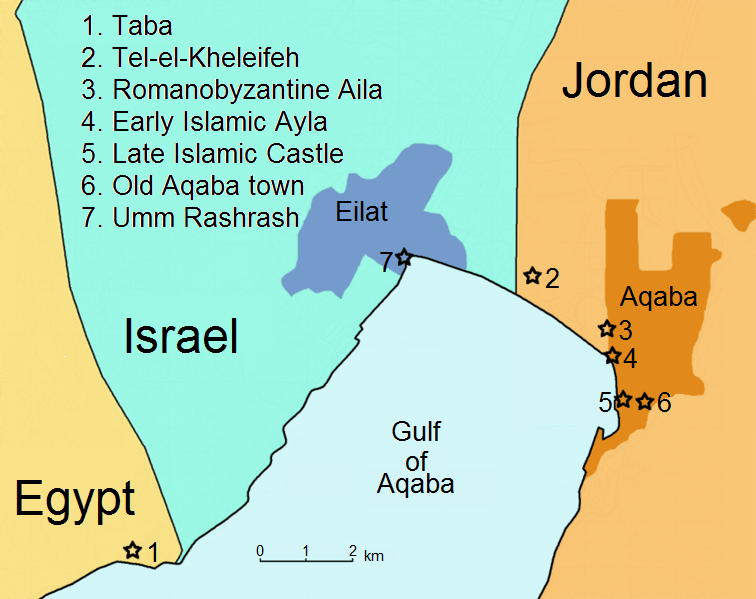
Tell el-Kheleifeh
Ancient fortified settlement with phased occupation.
Capitolias
Ancient Roman city with minimal ruins.