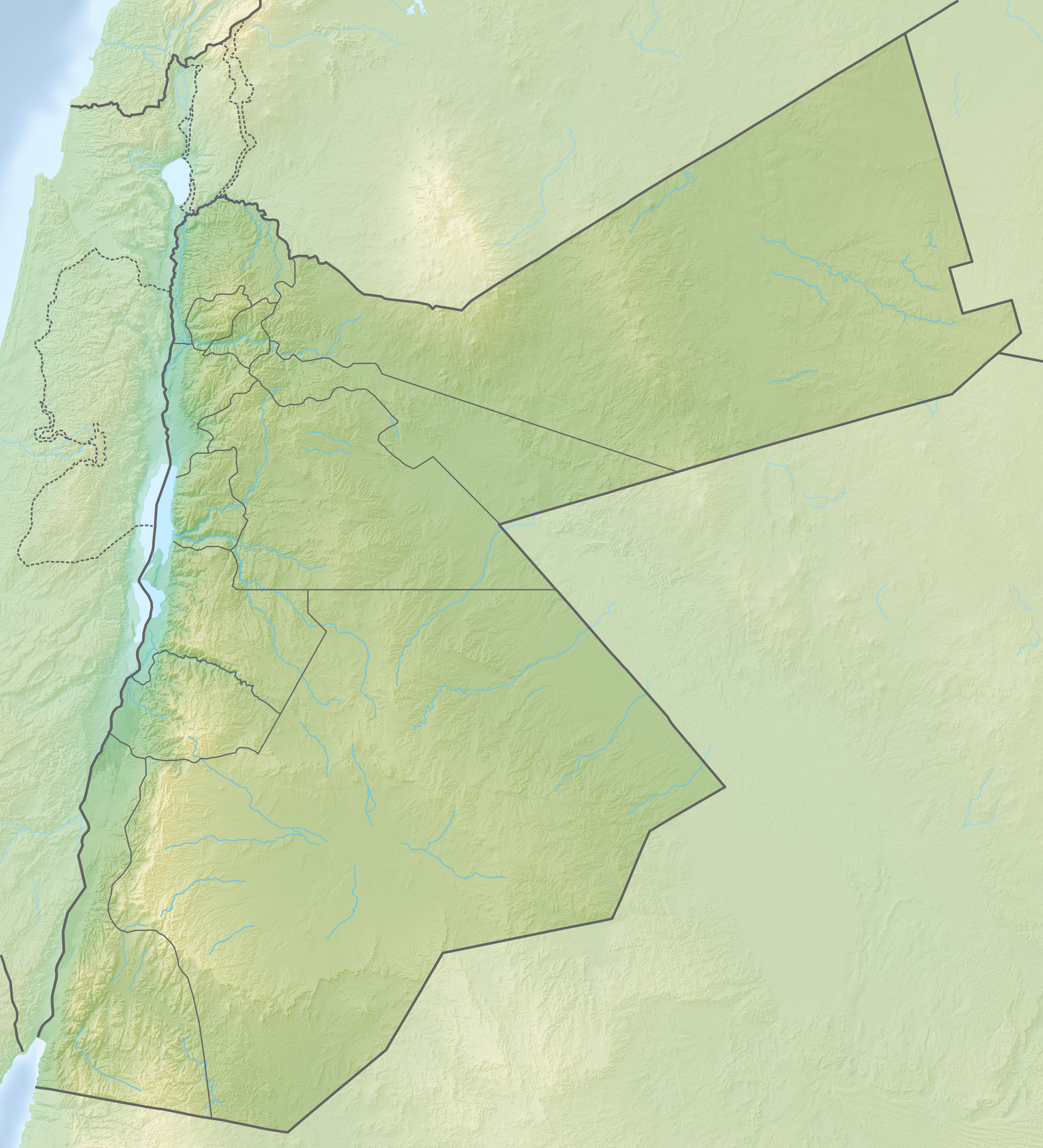
Explore the Map
Jawa, Jordan
32.3350° N, 37.0033° E
About
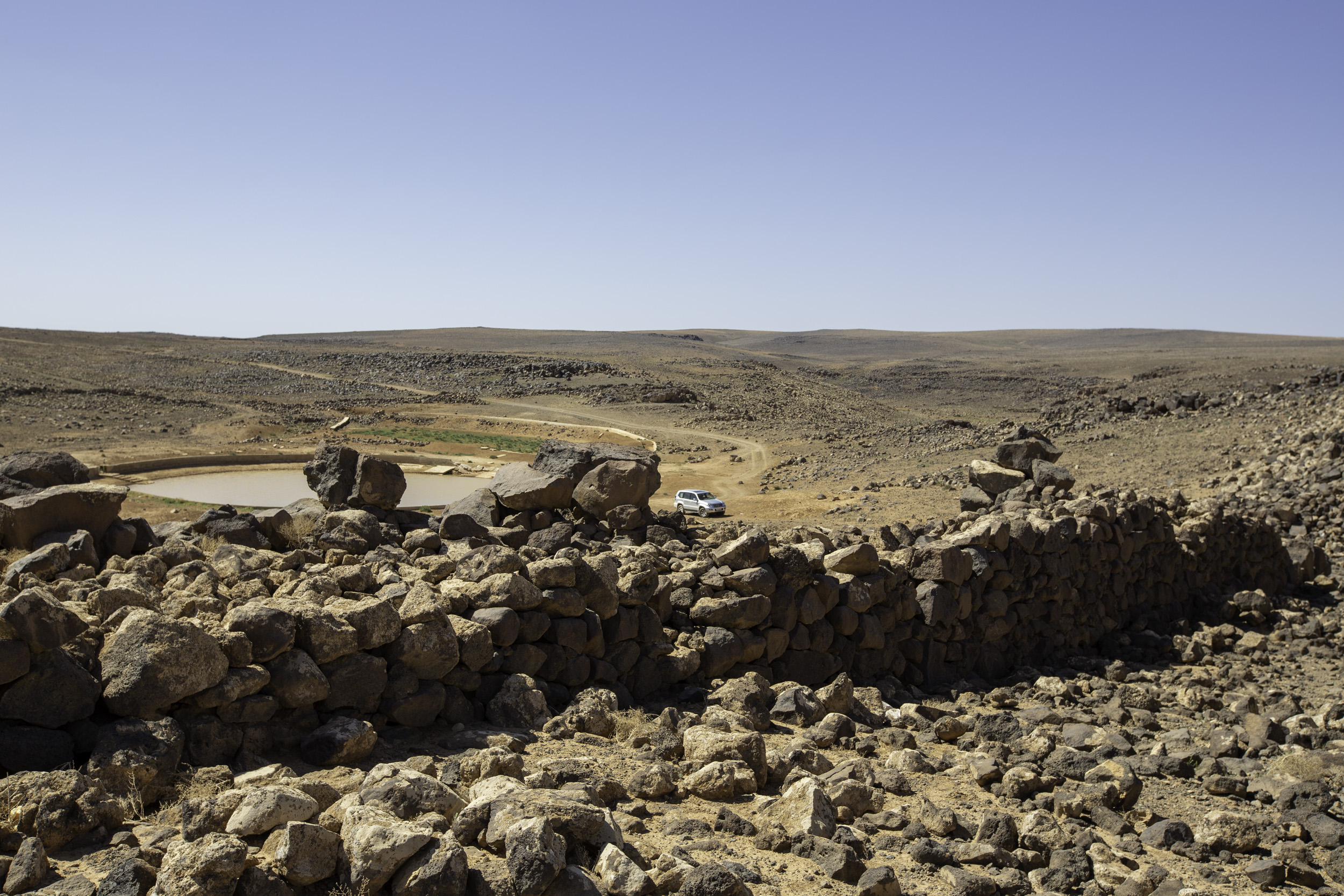
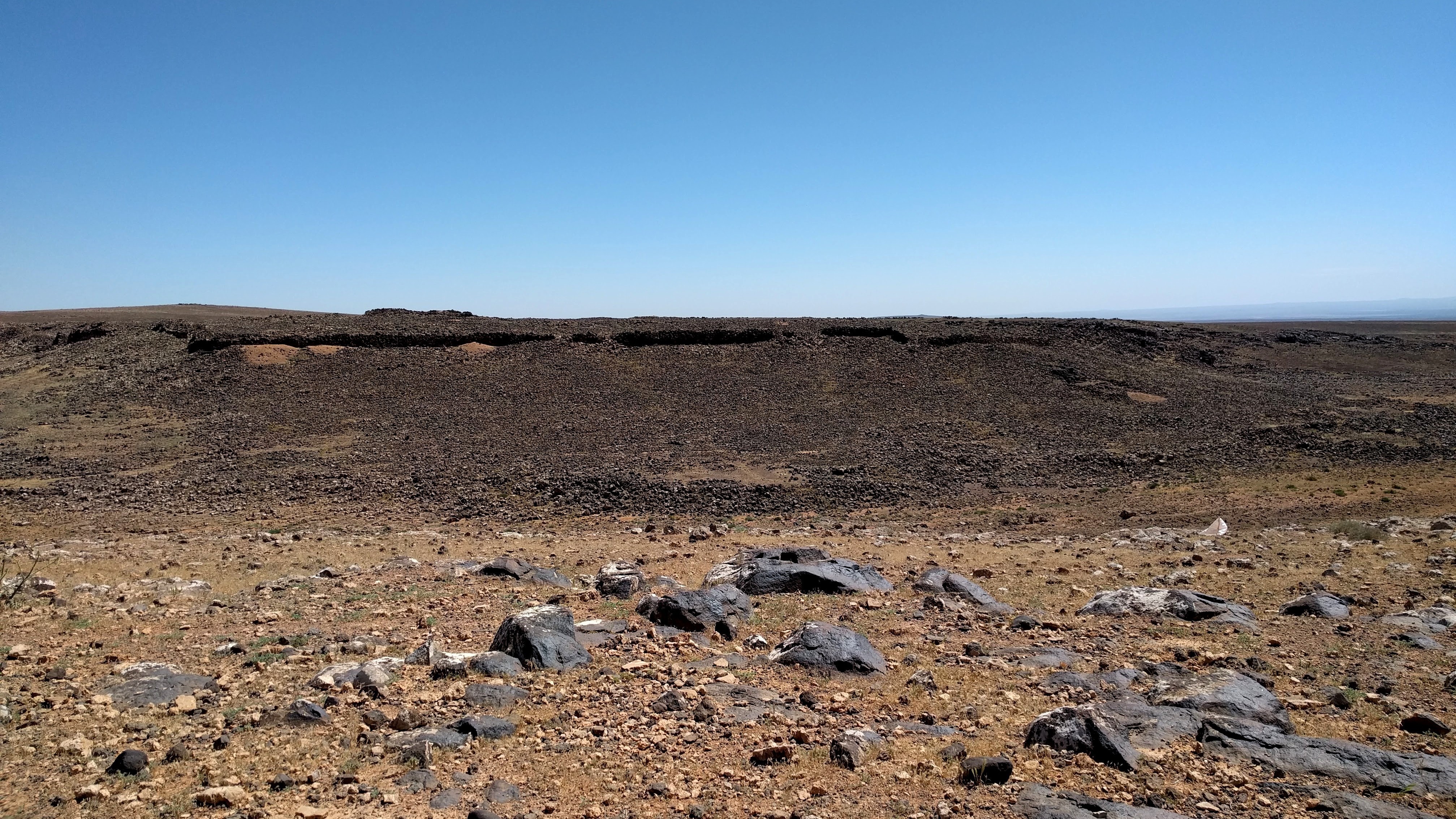
Jawa, located in Eastern Jordan's Black Desert, represents the oldest known proto-urban development in the region, dating back to the late 4th millennium BCE during the Early Bronze Age. The site features an impressive array of water management systems, including the oldest known masonry gravity dam, designed to protect against flash floods and sustain the settlement's population through the arid months. This early town was home to an estimated 3,000 to 5,000 inhabitants and included defensive walls and an extensive system of earthworks to manage water resources. The town was short-lived, possibly thriving for only a generation before succumbing to destruction. Despite its brief occupation, Jawa's archaeological significance lies in its unique adaptation to the harsh desert environment, demonstrating early human ingenuity in urban planning and water management.
Gallery
Explore photographs of ancient structures, artifacts, and archaeological excavations
Historical Timeline
Journey through time and discover key events in this site's history
Proto-urban development
3500 BCE
Fortified building construction
20th to 15th century BCE
Archaeological Features
Unique architectural and cultural elements found at this historical site
Defensive Structures
Animal Husbandry Features
Water Management Features
Agricultural and Land Use Features
Domestic and Habitation Structures
Frequently Asked Questions
Plan Your Visit
Tours, travel arrangements, and practical information
More Sites in Jordan
Tall Damiyah
Iron Age mound with unique artifacts
Tall al-Umayri
Archaeological site with temple and farms
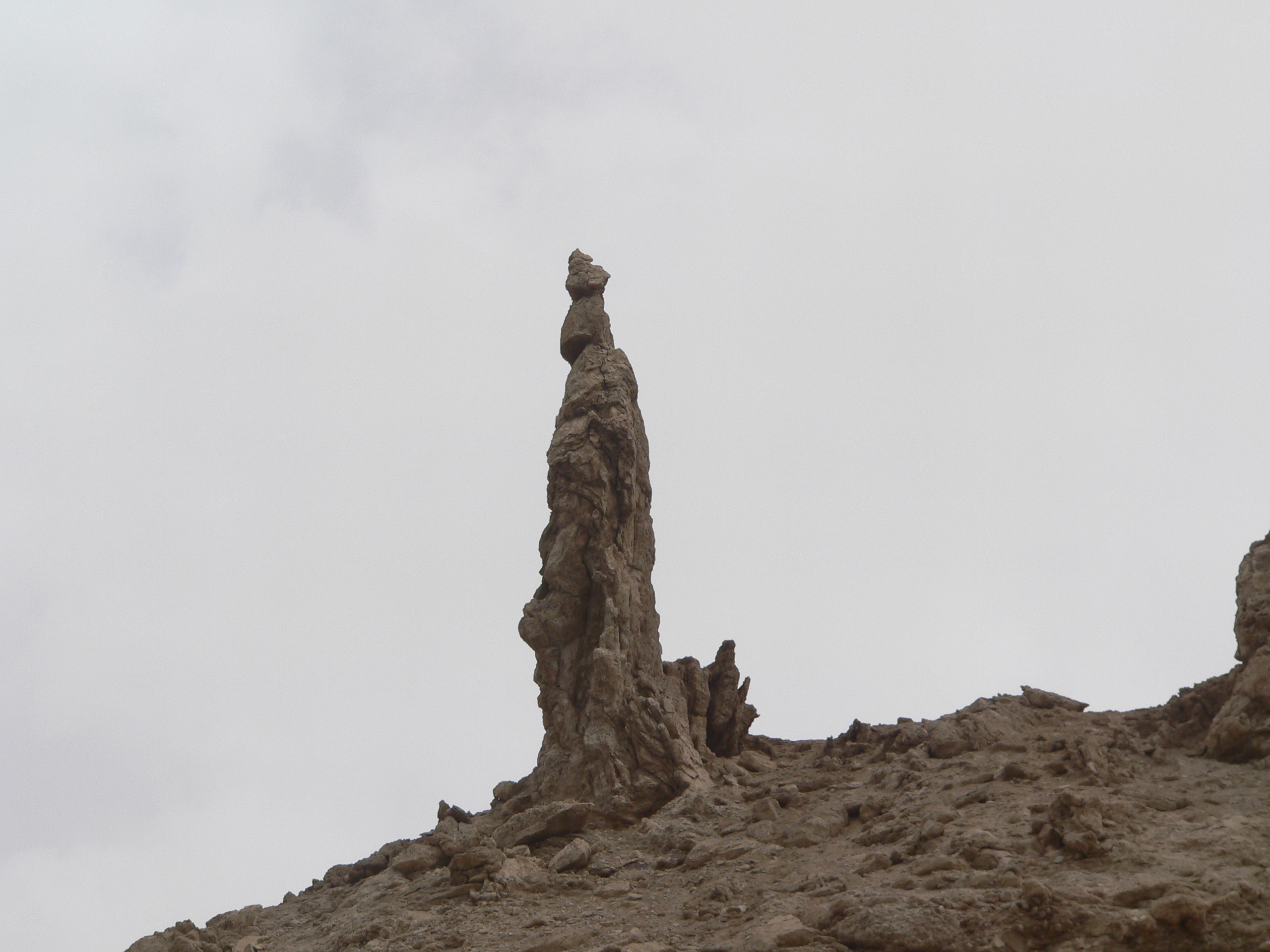
Monastery of St Lot
Byzantine monastery with Bronze Age cave
Numeira
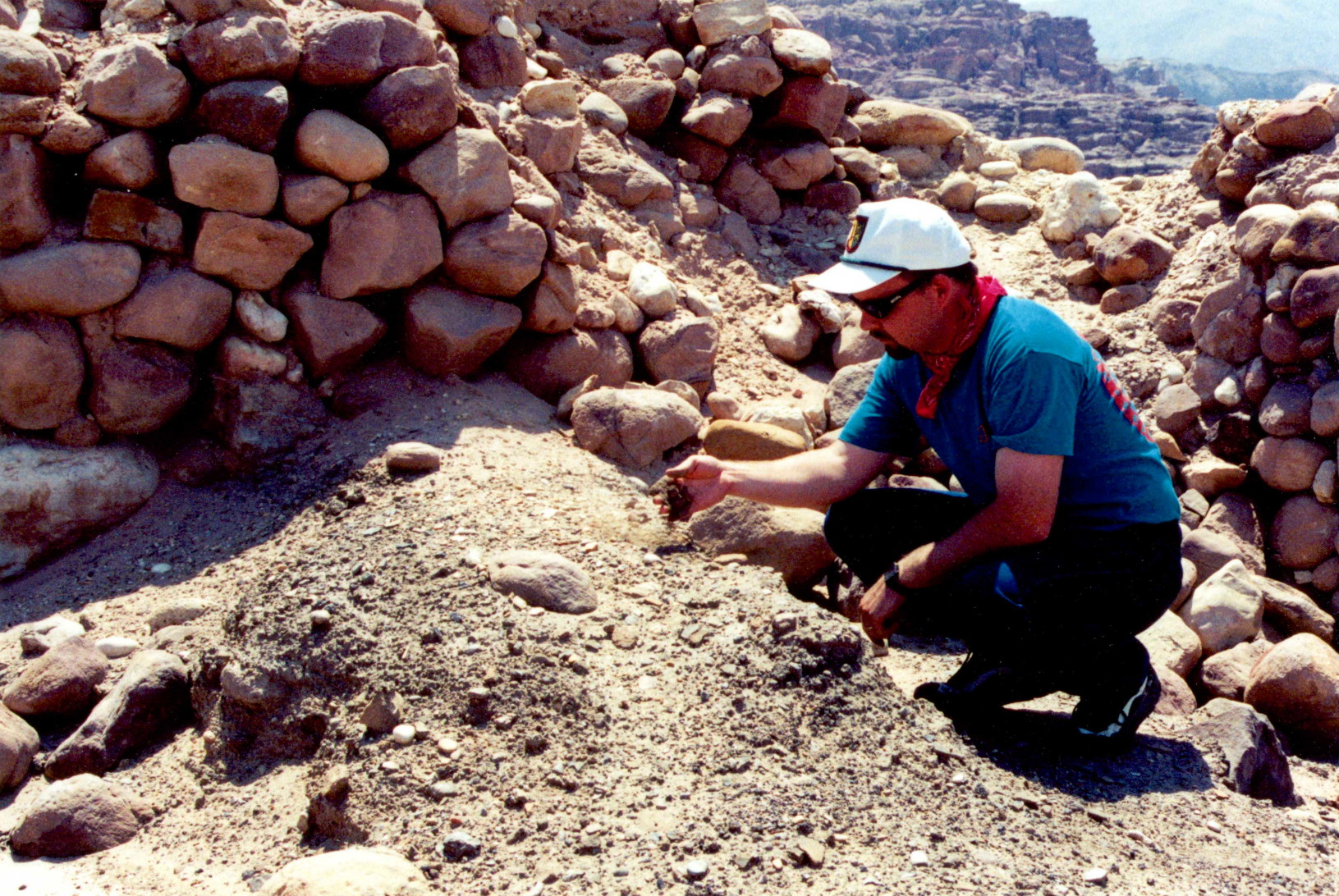
Early Bronze Age walled settlement near Dead Sea.
Tell el-Kheleifeh
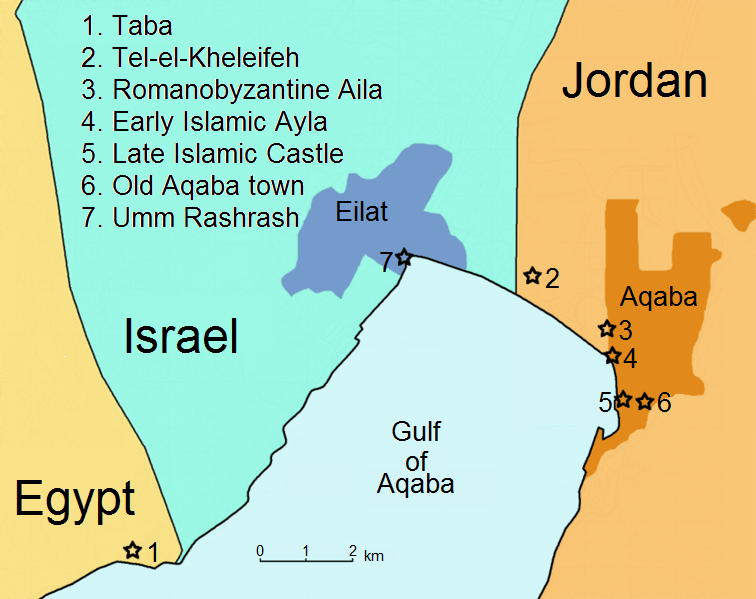
Ancient fortified settlement with phased occupation.
Tell el-Maqlub
Bronze and Iron Age fortified town site.